Traveling Vietnam With Limited Mobility: A Realistic Accessibility Guide
It's worth being upfront about this: Vietnam, like much of Southeast Asia, wasn't built with accessibility as a design priority, and infrastructure for wheelchair users and travelers with limited mobility lags well behind what's standard in North America, Western Europe, or Australia. That's not a reason to rule out a trip, but it does mean the planning needs to be more deliberate, and expectations need to be realistic about which parts of the country will be genuinely manageable versus genuinely difficult.
Sidewalks and Street-Level Reality
This is the single biggest daily obstacle. Sidewalks across Vietnamese cities are frequently uneven, blocked by parked motorbikes, interrupted by steps up to individual shopfronts, or simply absent in favor of walking in the street alongside traffic. Curb cuts are inconsistent even where sidewalks exist, and construction or vendor stalls regularly narrow or block what pavement there is. This affects wheelchair users most directly, but it also matters for anyone with limited walking stamina, balance issues, or mobility aids like canes or walkers, since navigating around obstacles constantly adds real physical effort to simply moving through a city.
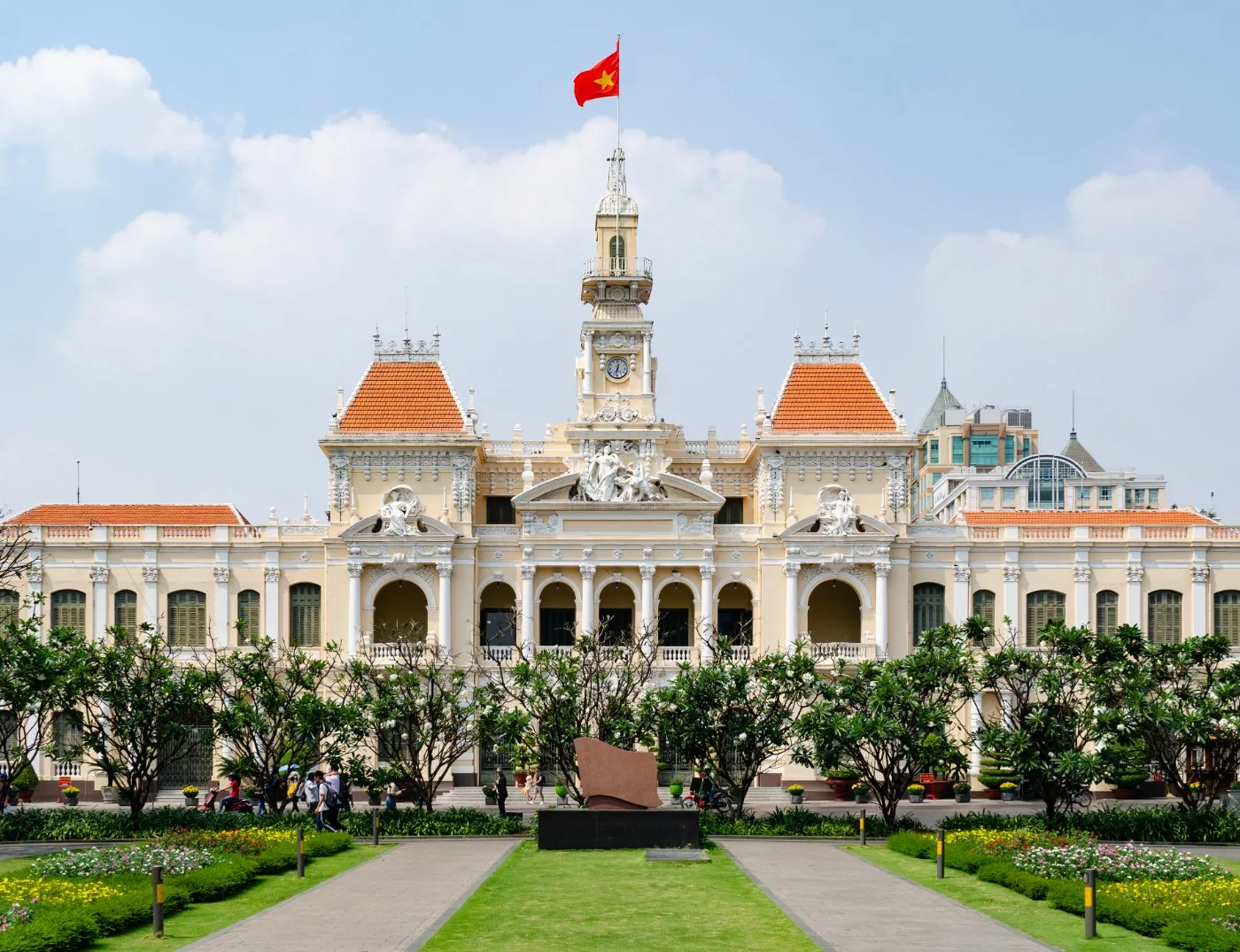
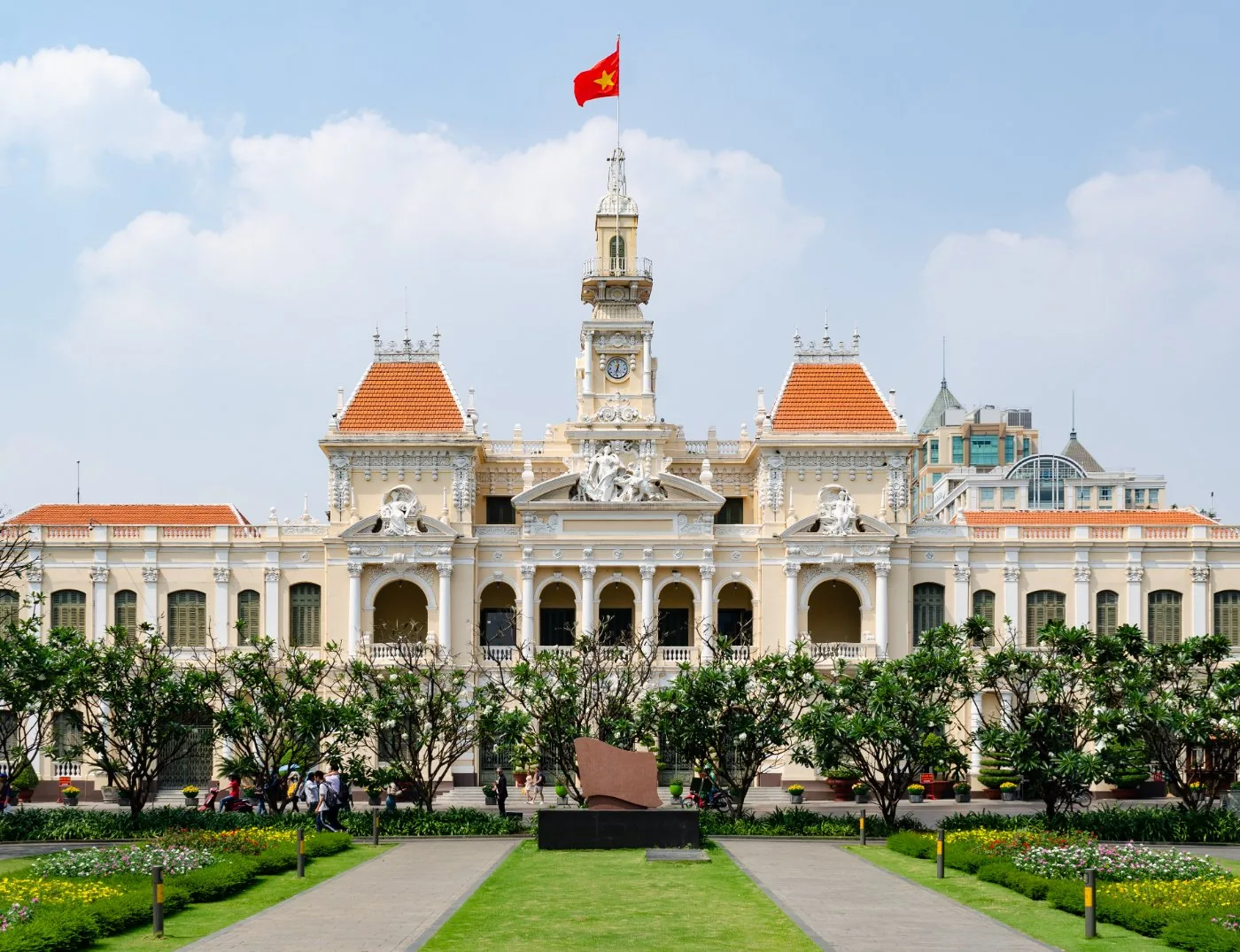
Ho Chi Minh City and Hanoi's newer districts and larger boulevards tend to have somewhat better, wider sidewalks than the older, denser quarters (Hanoi's Old Quarter and similar historic districts are particularly challenging, with narrow, crowded, obstacle-filled streets). This is worth factoring into where you choose to stay, since a hotel in a more modern district may mean a longer taxi ride to historic sights but a genuinely easier daily walking experience.
Getting Around
Grab (Vietnam's dominant ride-hailing app) is one of the more reliable accessibility tools available, since it removes the need to negotiate taxis or navigate public buses, and cars can usually be requested with advance notice for wheelchair users, though vehicle accessibility features (like ramps or extra space) aren't guaranteed and it's worth contacting support or a local fixer in advance if you need a specific vehicle type. Public buses are generally not wheelchair accessible, and while a small number of the newer metro lines in Hanoi and Ho Chi Minh City have made accessibility improvements, coverage remains limited and inconsistent city to city.
Domestic flights are broadly manageable, with most major airports offering wheelchair assistance if arranged ahead of time through the airline, though smaller regional airports may have less consistent service and physical infrastructure (like jet bridges versus stairs to the tarmac) can vary.
Hotels and Accommodation
Newer international hotel chains and higher-end properties in major cities are your most reliable bet for genuinely accessible rooms - roll-in showers, wider doorways, elevator access - since they're more likely to have been built or renovated with international accessibility standards in mind. Older buildings, boutique hotels in historic districts, and budget guesthouses are far less predictable, and "accessible" listed on a booking site doesn't always match what genuinely accessible means by stricter international standards, so it's worth contacting a hotel directly with specific questions (door width, bathroom layout, step-free access from the street) rather than trusting a filter or badge alone.
Attractions: A Mixed Picture
Major, purpose-built tourist attractions and modern museums in large cities have generally improved accessibility over the past decade, with ramps and elevators increasingly standard at newer or renovated sites. Historic sites are a different story - places like Hoi An's ancient town, the Imperial City in Hue, and many pagodas and temples were built long before accessibility was a design consideration, and often involve steps, uneven stone surfaces, or narrow doorways that are difficult or impossible to navigate with a wheelchair or significant mobility limitations.
Ha Long Bay cruises and similar boat-based excursions vary enormously in their accessibility depending on the specific vessel - it's worth asking very specific questions about boarding procedures, cabin layout, and onboard mobility before booking, since a general tour description won't usually address this level of detail.
Working With a Specialist
Given how inconsistent accessibility information can be from general tour operators and hotels, working with an operator that specifically specializes in accessible travel to Vietnam or Southeast Asia more broadly is genuinely worth the investment for a smoother trip. These operators tend to have firsthand, verified knowledge of which hotels, restaurants, and attractions are actually navigable, rather than relying on secondhand or outdated information, and can build an itinerary around your specific mobility needs rather than a generic template.
The Honest Bottom Line
A trip to Vietnam with limited mobility requires more research, more advance planning, and more flexibility than the same trip for a fully able-bodied traveler, and some historic sites will likely remain out of reach regardless of how well you plan. But a rewarding trip is genuinely possible with the right preparation - focusing on newer accommodation, using Grab extensively, researching specific attractions in detail rather than trusting general descriptions, and considering a specialist operator for at least the more complex logistics of the trip.
Restaurants and Everyday Access
Street food stalls and small local restaurants - a huge part of what makes eating in Vietnam so good - are frequently set up with low plastic stools and tables at ground level, which can be genuinely difficult or impossible for wheelchair users or anyone with significant mobility limitations to use comfortably. Larger, more formal restaurants, particularly in tourist-oriented areas and modern shopping districts, tend to have standard seating and easier physical access, so it's worth balancing the appeal of street-level food culture against the practical reality that some of it simply won't be accessible, and building in restaurant options that are.
Medical Considerations While Traveling
Major cities have international-standard hospitals and clinics well-equipped to handle most medical needs, including several with English-speaking staff specifically serving the expat and tourist population, which is worth knowing if a mobility-related medical issue comes up during a trip. Travel insurance that specifically covers pre-existing mobility-related conditions and equipment (like a wheelchair or mobility scooter) is worth arranging carefully before departure, since standard travel insurance policies don't always extend full coverage to specialized mobility equipment or related medical needs by default.
Bringing Your Own Equipment
If you travel with a wheelchair, scooter, or other significant mobility equipment, contacting your airline well in advance about transport and any battery restrictions (relevant for powered wheelchairs) will save a lot of last-minute stress at the airport. Once in Vietnam, repair services and specialized parts for mobility equipment are far more limited than in major Western cities, so packing basic spare parts or repair tools for your specific equipment, along with contact information for the equipment's manufacturer, is a sensible precaution rather than an overreaction.
Information notice: Prices, opening hours, and travel conditions can change. Content on EnViet is reviewed periodically but may not reflect the most current situation. Please verify important details with official or local sources before travelling or booking.
EnViet Editorial Team
The EnViet Editorial Team creates practical Vietnam travel and food guides using local knowledge, public sources, and manual editorial review. Content is reviewed before publication and updated periodically.