Pu Luong Nature Reserve: A Weekend Escape From Hanoi's Trekking Crowds
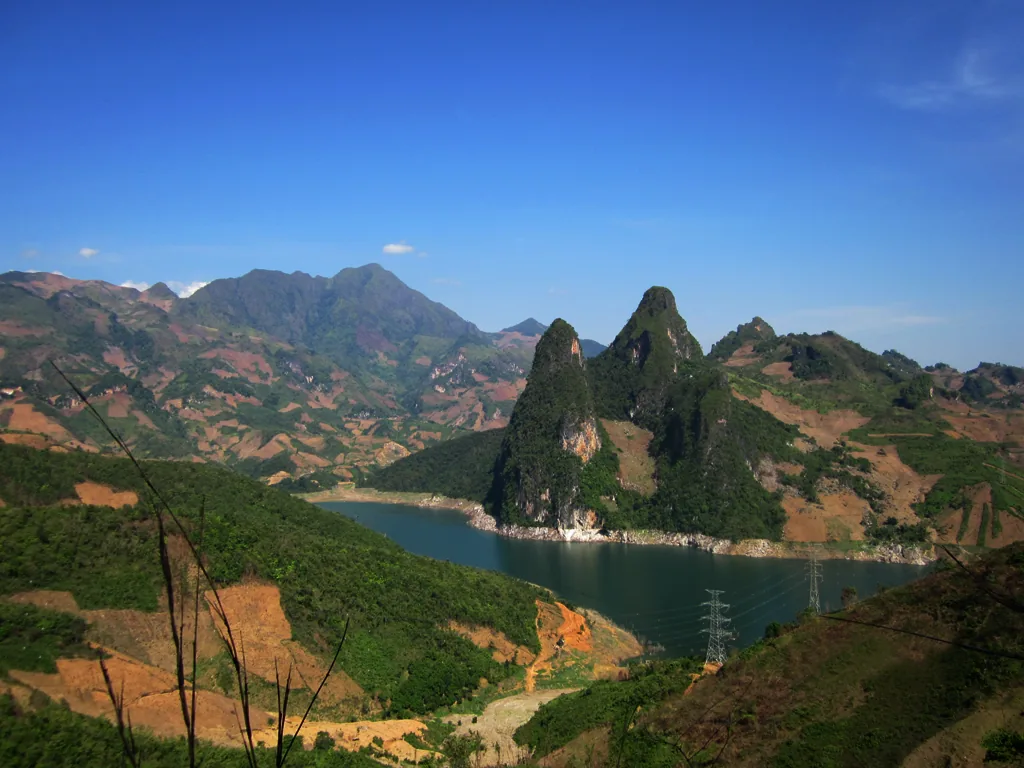
Sapa has a problem that a lot of once-quiet destinations eventually run into: it got popular enough that the thing people go there for - dramatic rice terraces, hill tribe villages, a genuine sense of remoteness - is now surrounded by hotels, cable cars, and a fairly constant stream of tour buses. Pu Luong Nature Reserve, a few hours southwest of Hanoi in Thanh Hoa province, offers a strikingly similar landscape of layered rice terraces and traditional stilt-house villages, with nothing like the same crowds, mostly because it's simply less well known.
Why It's Stayed Quiet
Pu Luong isn't undiscovered exactly - it shows up on more travelers' radars every year, and a handful of well-regarded eco-lodges have opened over the past decade. But it's never had a Sa Pa-style tourism boom, partly because it doesn't have a single dramatic headline attraction (like Sapa's Fansipan) to build a mass-market industry around, and partly because it's simply been slower to appear on mainstream itineraries. That's exactly what makes it appealing now: it delivers the same core experience - layered rice terraces, water wheels, minority villages, genuine trekking - without needing to shoulder past other tour groups to enjoy it.
What the Landscape Actually Looks Like
Pu Luong's valleys are terraced with rice paddies stacked up the hillsides in the same dramatic style that makes Sapa's terraces famous, fed by a network of small streams and traditional bamboo water wheels that lift water up into the higher paddies - a genuinely clever piece of low-tech engineering that's worth pausing to actually look at rather than just photographing in passing. The reserve is home to Thai and Muong ethnic minority communities, and several villages within the park welcome visitors for homestays, giving a far more intimate, lower-key version of the cultural exchange that Sapa's more heavily commercialized villages now offer at scale.
Trekking Routes
Trails here range from gentle half-day valley walks between villages to more demanding full-day hikes up into the surrounding hills, with viewpoints looking back down over the terraced valley floor. Unlike some of Sapa's busier routes, it's genuinely possible to trek for an hour or more here without passing another tour group, which changes the entire character of the walk - you hear farm work and birdsong rather than other travelers' conversations.
A local guide is worth arranging, both for navigation (trail markings are minimal) and because guides from the local Thai and Muong communities can explain what you're looking at - which crops are in which stage of growth, how the water wheel system works, what a particular building or shrine represents - in a way that self-guided hiking simply can't replicate.
Where to Stay
Pu Luong's accommodation options range from simple, authentic homestays in stilt houses within the villages themselves to a growing number of well-designed eco-lodges built specifically to take advantage of the valley views, several of which have become minor destinations in their own right for their infinity pools overlooking the rice terraces. Homestays offer the more immersive, lower-cost experience; the eco-lodges offer more comfort at a real premium, but still at a fraction of what comparable scenery-driven accommodation costs elsewhere in the world.
Getting There
Pu Luong sits roughly three to four hours by road from Hanoi, making it genuinely feasible as a weekend trip in a way that Sapa - a longer journey by both distance and, historically, by the overnight sleeper train many travelers used to rely on - isn't quite as easily. Most visitors arrange a private car or join a small group tour directly from Hanoi, and the shorter travel time means you can arrive Friday evening or Saturday morning and still get two full days on the ground before heading back.
When to Go
The terraces are at their most photogenic during two windows: late May to early June, when the paddies are flooded and freshly planted (mirror-like reflections of the sky across the terraced valley), and September, when the rice ripens into a deep, golden color just before harvest. Outside these windows the valley is still attractive but noticeably greener and less dramatic, so if the classic rice-terrace photo is your main goal, it's worth timing a visit around one of these two windows specifically rather than just picking dates based on general weather.
What to Actually Plan For
Two nights is a comfortable minimum - enough for one full trekking day between villages, an evening at a homestay or lodge to actually absorb the quiet, and a shorter half-day walk or cycling loop before heading back to Hanoi. Trying to squeeze it into a single overnight is possible but rushed, and given that the main appeal here is the slower pace and lack of crowds, rushing rather defeats the purpose of choosing Pu Luong over a faster, more heavily trafficked alternative.
Cycling as an Alternative to Trekking
Beyond walking, several lodges rent bicycles for exploring the flatter valley roads between villages, which is a good lower-effort option for travelers who want to see the terraces and villages without committing to a full trekking day. The roads through the valley floor are mostly quiet, unpaved or lightly paved tracks with minimal traffic, making it one of the more relaxed cycling routes in northern Vietnam.
A Word on Managing Expectations
Pu Luong doesn't have Sapa's scale - there's no equivalent of Fansipan, no cable car, no large town center with a big selection of restaurants and shops. What it offers instead is a more concentrated, quieter version of the same rice-terrace trekking experience, better suited to travelers who specifically want fewer crowds and a slower pace over a bigger checklist of things to see and do. If that trade-off appeals to you, it's one of the better weekend trips available from Hanoi.
Packing Notes
Trails can get muddy and slippery, especially in the flooded-paddy season around May and June, so proper hiking shoes with real grip matter more here than they might for a more paved itinerary elsewhere in Vietnam. Evenings in the valley cool down noticeably compared to Hanoi, particularly from November through February, so a light jacket is worth packing even if the daytime forecast looks warm.
Information notice: Prices, opening hours, and travel conditions can change. Content on EnViet is reviewed periodically but may not reflect the most current situation. Please verify important details with official or local sources before travelling or booking.
EnViet Editorial Team
The EnViet Editorial Team creates practical Vietnam travel and food guides using local knowledge, public sources, and manual editorial review. Content is reviewed before publication and updated periodically.