Snorkeling and Diving in Vietnam: Where the Best Spots Actually Are
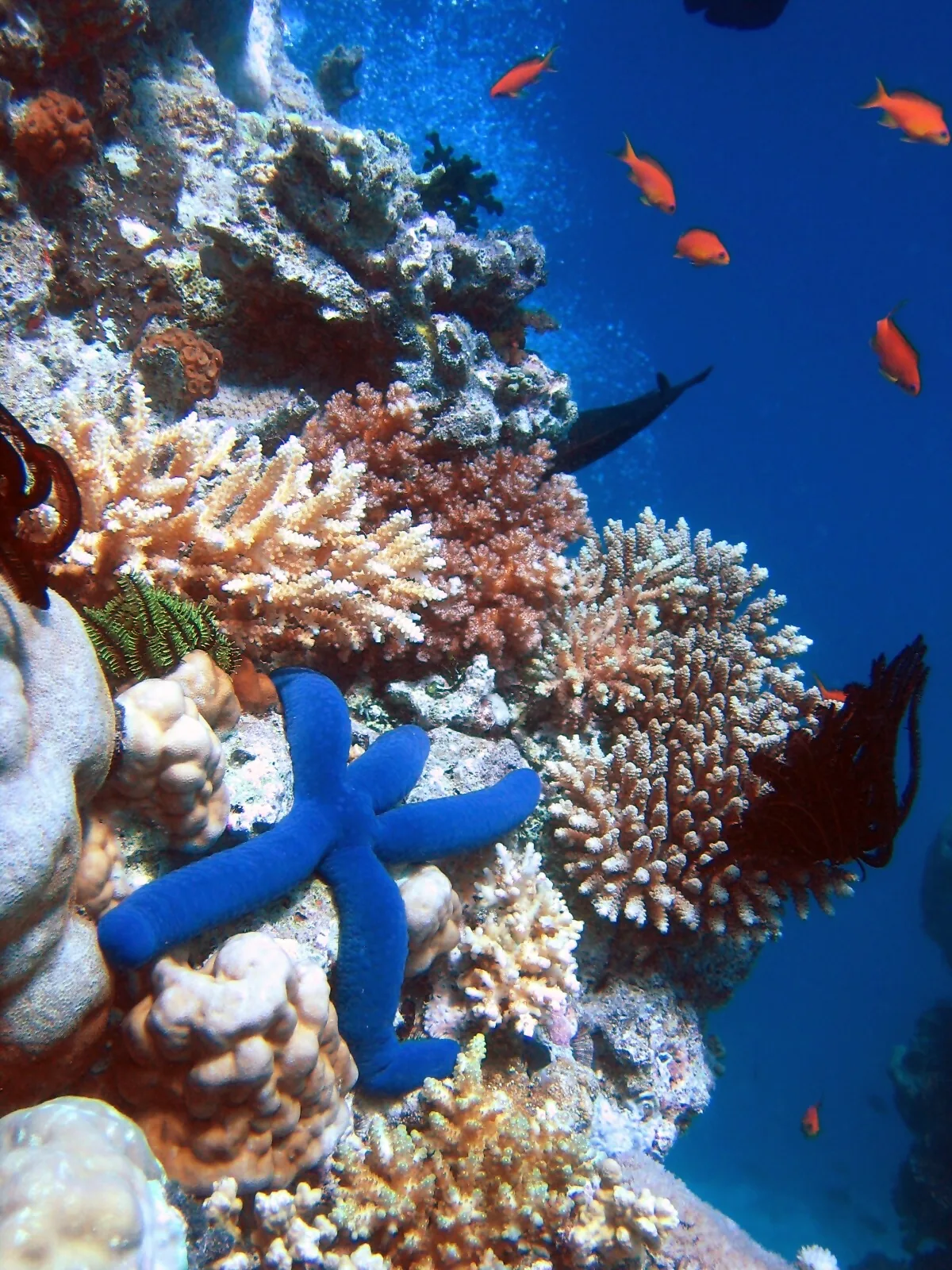
Vietnam doesn't have the reef systems of Indonesia or the Philippines, and anyone planning a trip specifically for world-class diving should probably be looking elsewhere in Southeast Asia. But that's a different question from whether diving and snorkeling are worth doing while you're in Vietnam for other reasons - and for that, the answer is yes, at a handful of specific spots that are genuinely worth the effort.
Nha Trang: The Established Option
Nha Trang has the longest-running dive industry in the country, with numerous operators, dive schools, and a reasonable variety of sites around the surrounding islands. Visibility and coral health here have taken a real hit over the decades from coastal development and heavy tourist traffic, so don't expect pristine reef - but it remains the most accessible, most beginner-friendly option in the country, with plenty of PADI-certified schools offering everything from a single introductory dive to full open-water certification courses.
Hon Mun Marine Protected Area, just off the coast, is the main draw and does offer noticeably better conditions than the more heavily trafficked sites closer to the city, making it worth specifically requesting if you're booking a Nha Trang dive trip.
Con Dao: The Best Diving in the Country
If you want to actually see healthy coral and abundant marine life in Vietnam, Con Dao is where you go. Its marine national park status has kept development and fishing pressure lower than almost anywhere else along the coast, and the result is the best visibility and healthiest reef systems in the country, along with a real chance of spotting sea turtles, particularly if you visit during nesting season (roughly May to October). It's also simply less crowded - a small handful of dive operators rather than the dozens competing for business in Nha Trang.
The tradeoff is accessibility: Con Dao requires a dedicated flight or a long ferry ride, so it's not something you casually add onto an existing coastal itinerary the way you might with Nha Trang.
Cu Lao Cham: The Easy Add-On Near Hoi An
For travelers already spending time in Hoi An, Cu Lao Cham is the easiest snorkeling option to fold into an existing itinerary - a short boat ride from the coast, with a marine protected area that offers decent, if not spectacular, snorkeling among smaller reef patches. It's more realistic to think of this as a pleasant half-day beach and snorkel trip than a serious dive destination, but for travelers who don't have Con Dao or Phu Quoc on their route, it's a reasonable way to get in the water.
Phu Quoc: Convenient but Middling
Phu Quoc's An Thoi archipelago offers snorkeling trips as part of standard day-tour packages, and the convenience factor is real - it's an easy add-on if you're already on the island for the beaches. Coral quality here is decent but not exceptional, roughly comparable to Nha Trang rather than Con Dao, so treat it as a nice bonus activity rather than the main reason to visit.
What to Actually Expect
Setting realistic expectations matters here. Vietnam's reefs have generally suffered more from coastal development, fishing pressure, and tourism than the more remote, better-protected reef systems of Indonesia, the Philippines, or Malaysia's Sipadan. Even at Con Dao, the best of Vietnam's options, you're looking at good-not-great visibility and reef health by regional Southeast Asian standards - genuinely worth doing, but not a reason on its own to fly to Vietnam if diving is your singular priority.
Certification and Costs
PADI and SSI certification courses are widely available in Nha Trang and, to a lesser extent, in Phu Quoc and Con Dao, generally at prices below what the same certification costs in most Western countries, making Vietnam a reasonably practical place to get open-water certified if you haven't already. Single dives and snorkeling day trips are similarly affordable across all these locations, so cost isn't the limiting factor - availability and logistics (particularly for Con Dao) are the bigger planning considerations.
Timing It Right
Visibility and conditions vary seasonally across all these sites, generally following the broader dry-season pattern for each region - roughly February through August for the central and southern coast, with some regional variation. Checking conditions with a local operator before committing to a specific date is worth doing regardless of which spot you choose, since a rough sea or a recent storm can turn a planned dive day into a wasted one with little warning.
Gear and Practical Basics
Most operators across all four locations provide full gear rental - mask, fins, wetsuit, tank, and regulator for certified divers - so there's little need to travel with your own equipment unless you have strong personal preferences about fit or are diving frequently enough elsewhere on your trip to justify the extra luggage. Reef-safe sunscreen is worth packing specifically, both for the reef's sake and because some operators, particularly at Con Dao's more conservation-minded outfits, will actively ask about it before letting you in the water.
For snorkelers rather than certified divers, a rash guard is a smarter sun protection choice than repeatedly reapplying sunscreen while bobbing on the surface for an hour, and it saves you from the awkward farmer's tan that comes from spending a full day face-down in a snorkel mask.
Putting Together a Realistic Trip
If diving quality is genuinely important to you, build a Con Dao stop into your itinerary deliberately rather than treating it as an afterthought - it's the one location in Vietnam that rewards the extra planning. For everyone else, treating Nha Trang, Cu Lao Cham, or Phu Quoc's snorkeling as a pleasant half-day activity alongside a broader beach or city stay is the more realistic way to enjoy Vietnam's underwater side without over-promising what the reefs here can deliver. Whichever spot you pick, booking with an operator that's visibly active in local reef conservation - several at Con Dao and a growing number in Nha Trang now are - tends to correlate with better dive conditions in the long run, since these are usually the same outfits pushing back against the practices that degraded so much of Vietnam's coastline in the first place.
Information notice: Prices, opening hours, and travel conditions can change. Content on EnViet is reviewed periodically but may not reflect the most current situation. Please verify important details with official or local sources before travelling or booking.
EnViet Editorial Team
The EnViet Editorial Team creates practical Vietnam travel and food guides using local knowledge, public sources, and manual editorial review. Content is reviewed before publication and updated periodically.