
Digital Nomad Guide to Vietnam: Best Cities, Coworking, and Visas for Remote Work
Vietnam has become one of Southeast Asia's most popular digital nomad bases — fast, cheap internet, a low cost of living, great coffee shop culture, and visa options that, while imperfect, are workable for longer stays.
Visas for Remote Work
Vietnam doesn't have a dedicated digital nomad visa as of 2026, so most remote workers use a combination of the e-visa (90 days, single or multiple entry) or visa runs/renewals through a travel agent. Business visas (DN visas) can be arranged through a sponsoring company or agent for longer stays, typically 3–12 months, and are the most common route for nomads planning to stay beyond 90 days. Rules and processing change periodically, so it's worth checking current requirements close to your travel dates rather than relying on older information.
Best Cities for Remote Work
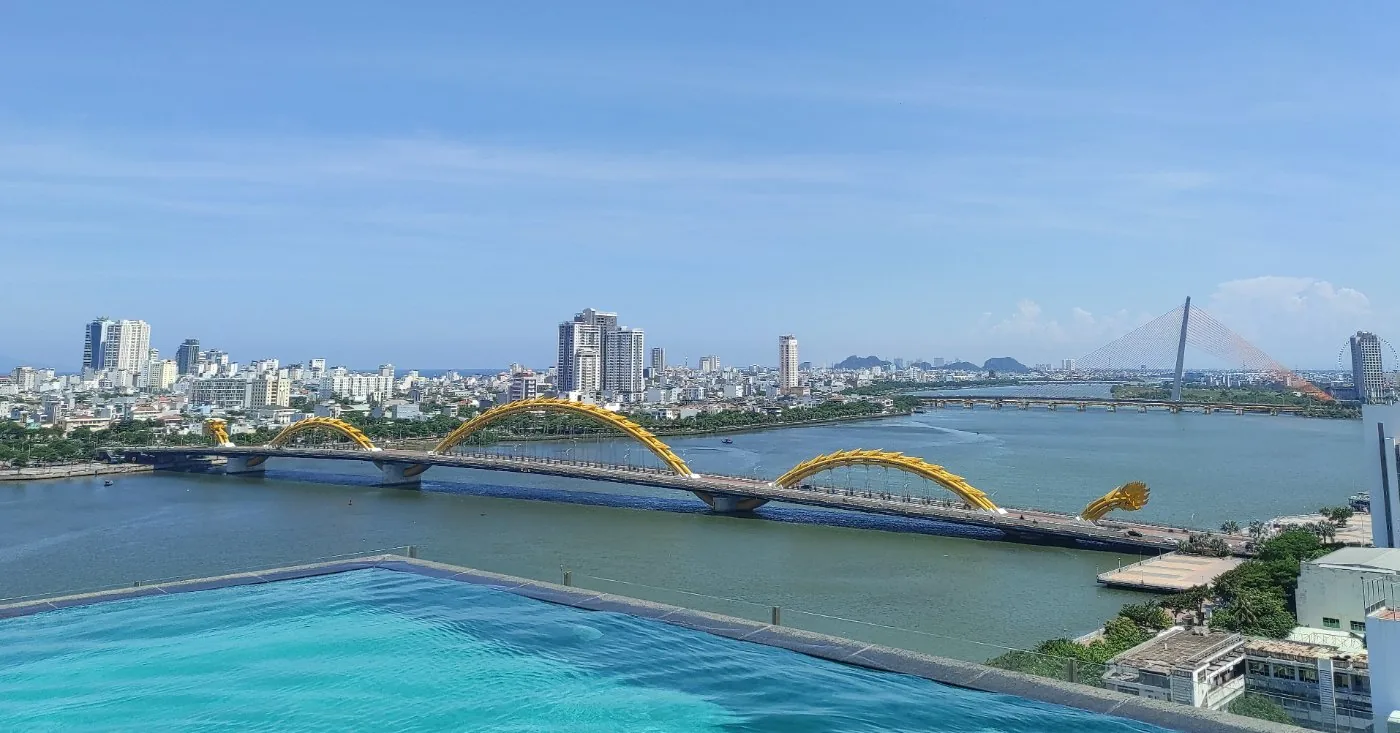
Da Nang is the unofficial nomad capital of Vietnam — beach access, a growing coworking scene, reliable internet, and a lower cost of living than Ho Chi Minh City or Hanoi. It's compact and easy to get around, with An Thuong becoming a hub for cafes and coworking spaces.
Ho Chi Minh City offers the most professional infrastructure — the largest coworking scene, the best startup and business networking, and the widest range of international food and amenities. It's also the most expensive of the three.
Hanoi combines culture, history, and a strong cafe culture, with a slightly slower pace than Saigon. Internet and coworking infrastructure are solid, especially around Tay Ho (West Lake), which has become a popular expat and nomad neighborhood.
Hoi An appeals to nomads who want a quieter, more scenic base — an easy walkable town, good cafes, and proximity to the beach, though the coworking scene is smaller than in the bigger cities.
Coworking Spaces and Cafés
All four cities have dedicated coworking spaces with day passes, weekly, and monthly rates — generally far cheaper than coworking in Western cities. Beyond formal coworking spaces, Vietnam's café culture makes working from cafes easy and normal: most have reliable WiFi, plenty of outlets, and no pressure to leave after one drink, especially outside of peak morning hours.
Cost of Living
Vietnam remains one of the more affordable nomad destinations in the region. A comfortable single-person budget covering a one-bedroom apartment, food, transport, and coworking access typically runs well below what the same lifestyle would cost in Bangkok or Bali, with the biggest cost variable being housing quality and location.
Practical Setup
- SIM/eSIM: Get a local SIM or eSIM on arrival for reliable mobile data as backup to café/apartment WiFi.
- Banking: A Wise or Revolut-style account makes managing money and paying local costs far easier than relying solely on a home-country card.
- Housing: Serviced apartments and short-term rentals are widely available and easy to book month-to-month, especially in Da Nang and Ho Chi Minh City.
- Time zone: Vietnam (ICT, UTC+7) overlaps reasonably well with both European mornings and US West Coast evenings, which helps for teams split across time zones.
Community
All four main cities have active digital nomad and expat communities, with regular meetups, Facebook groups, and coworking-organized events — a fast way to meet people and get practical, current advice on visas, housing, and logistics from people already living there.
Internet Reliability in Practice
Vietnam's internet infrastructure is generally solid in cities but has real, recurring weak points worth planning around. Fibre broadband in apartments and coworking spaces in Hanoi, Ho Chi Minh City, and Da Nang is typically fast and stable, often 100+ Mbps for a reasonable monthly cost. The known vulnerability is Vietnam's international connections, which run through a small number of undersea cables that get damaged or undergo maintenance more often than ideal — when this happens, connections to international sites (including video calls with clients or colleagues abroad) can slow noticeably for days at a time, even though domestic Vietnamese sites remain fast. Having a backup — a second SIM with a generous data plan, or knowing the location of a second reliable coworking space or café nearby — is genuinely useful rather than paranoid, especially if you have hard client deadlines or scheduled calls.
Long-Term Visa Realities
Vietnam doesn't currently offer a dedicated digital nomad visa in the way some Southeast Asian neighbours do, which shapes how most remote workers actually structure longer stays. Many combine tourist visas (available as e-visas for most nationalities, typically valid up to 90 days) with periodic visa runs or renewals, while others explore business visa sponsorship through a local company or visa agent for stays beyond what tourist visas comfortably allow. Rules and available visa categories do shift periodically, so checking current requirements directly through the Vietnamese immigration authority or a reputable visa agency shortly before applying is more reliable than assuming older blog information still holds.
Frequently Asked Questions
Which city is best for a first-time digital nomad in Vietnam — Hanoi, Ho Chi Minh City, or Da Nang?
Da Nang is the most popular starting point for many remote workers thanks to its lower cost of living, beach access, and a smaller but tight-knit nomad community, making it easier to meet people quickly. Ho Chi Minh City suits those who want a bigger, more international city with more networking and business opportunities, while Hanoi appeals to those drawn to a more historic, culturally dense capital city atmosphere.
Can I open a local bank account as a foreigner working remotely?
It's possible but varies by bank and often requires a valid visa with sufficient remaining duration, proof of address (sometimes a rental contract), and in some cases a work or residency-related document. Many long-term remote workers instead rely on international banking apps (like Wise) that work well for receiving payments and spending locally via card, avoiding the hassle of a local account.
Is healthcare adequate for someone based in Vietnam long-term?
Major cities have private international-standard clinics and hospitals that cater specifically to expats and are generally well-regarded, though costs are paid out of pocket unless you have international health insurance. It's strongly advisable to carry a policy that covers Vietnam specifically rather than relying on travel insurance meant for short trips.
How do taxes work if I'm working remotely for a foreign company while living in Vietnam?
Tax residency rules are genuinely complex and depend on how many days you spend in Vietnam per year, your home country's tax treaty status with Vietnam, and your specific income structure. This is an area where generic blog advice isn't a substitute for consulting a tax professional familiar with both Vietnamese tax residency rules and your home country's obligations.
Information notice: Prices, opening hours, and travel conditions can change. Content on EnViet is reviewed periodically but may not reflect the most current situation. Please verify important details with official or local sources before travelling or booking.
EnViet Editorial Team
The EnViet Editorial Team creates practical Vietnam travel and food guides using local knowledge, public sources, and manual editorial review. Content is reviewed before publication and updated periodically.


