Vietnamese Lacquerware, Silk, and Handicrafts: A Shopper's Guide
Hoi An's tailor shops get most of the attention when it comes to Vietnamese shopping, and fairly so - custom clothing made in 24 to 48 hours is a genuine draw. But Vietnam's handicraft tradition goes a lot deeper than tailoring, built around craft villages that have specialized in a single trade, sometimes for centuries, and passed the skill down within families. If you want something that actually represents Vietnamese craftsmanship rather than a mass-produced souvenir, it's worth knowing which villages make what, and what separates the real thing from the version aimed purely at tourists.
Lacquerware
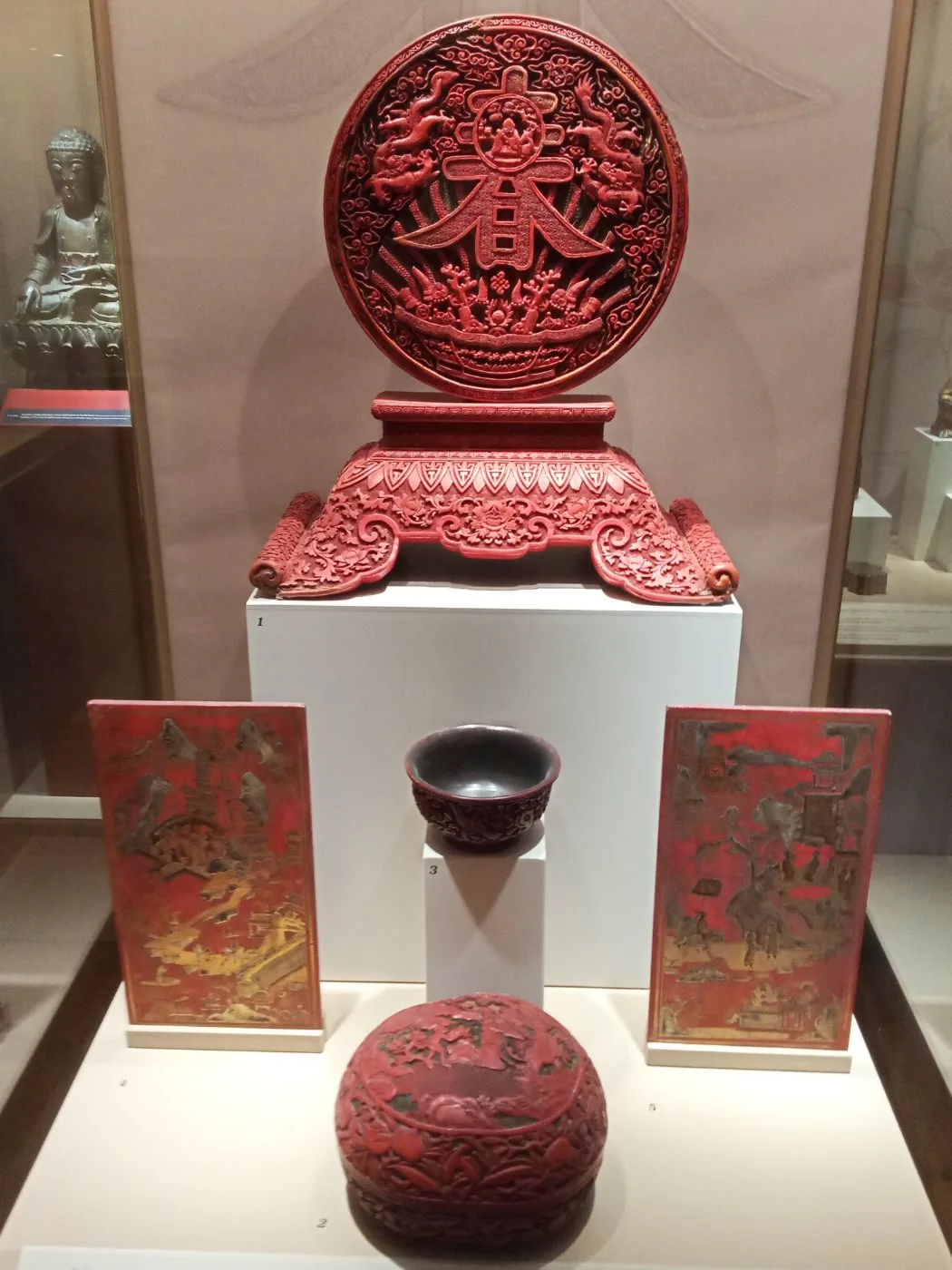
Vietnamese lacquerware (son mai) is made by applying dozens of thin coats of resin - traditionally sourced from the sap of the son tree - onto a wooden or bamboo base, with each layer polished by hand before the next goes on. The process can take weeks for a single piece, which is part of why authentic lacquerware costs meaningfully more than the quick-turnaround versions sold in tourist markets.
The technique produces a deep, glass-like shine and allows for detailed inlay work using eggshell, mother-of-pearl, or gold leaf, often depicting traditional scenes - rural landscapes, lotus flowers, or figures from Vietnamese folklore. Bat Trang village near Hanoi and several workshops around Hue and Hoi An produce well-regarded lacquerware, and visiting a workshop directly, rather than buying from a generic souvenir stall, is the best way to see the layering process and understand what you're actually paying for.
Silk
Vietnam has several historic silk-weaving villages, most famously Van Phuc, just outside Hanoi, which has been producing silk for over a thousand years and still operates dozens of family workshops along its narrow lanes. The silk here ranges from simple scarves to elaborately patterned fabric used for ao dai, and prices vary enormously depending on weave complexity and whether you're buying raw fabric or a finished garment.
Hoi An is the other major silk center, closely tied to its tailoring industry - much of the silk used by Hoi An's tailors for custom ao dai and shirts is sourced from nearby weaving operations, so a custom silk garment there draws on the same regional supply chain rather than importing fabric from elsewhere.
A practical tip: genuine silk has a distinctive slightly rough texture and a subtle, ungimmicky shine, quite different from the shinier, more slippery feel of synthetic substitutes sold as "silk" in some markets. A simple burn test (a small thread from a hidden seam should smell like burning hair and turn to ash rather than melting into a plastic bead) is a classic way to verify authenticity if you're making a significant purchase and want reassurance.
Ceramics
Bat Trang, the same village known for lacquerware traditions, is actually more famous nationally for ceramics - it's Vietnam's oldest and best-known pottery village, dating back roughly 700 years, and it's a genuinely fun half-day trip from Hanoi. Workshops here sell everything from everyday bowls and vases to elaborate decorative pieces, and several offer hands-on pottery-wheel sessions where visitors can try shaping their own piece, which makes for a better souvenir story than anything bought off a shelf.
Embroidery
Hand embroidery is another craft tradition worth seeking out, particularly around villages in the Red River Delta near Hanoi, where intricate embroidered pieces - tablecloths, wall hangings, clothing details - are still produced by hand rather than machine. The best embroidery work is remarkably fine, with stitches small enough that a piece can take a skilled embroiderer days or weeks to complete, and it's priced accordingly compared to the machine-embroidered versions sold in bulk to tourist shops.
How to Tell Handmade From Mass-Produced
Souvenir markets in every major city sell versions of all of these crafts, and a lot of it is machine-made or imported rather than genuinely handcrafted locally, priced to match. A few general tells: handmade lacquerware has subtle, natural variation in its inlay work rather than perfectly uniform machine patterns; real silk has that rougher hand-feel and natural sheen rather than a synthetic shine; and hand embroidery shows small, slightly irregular stitch variations under close inspection, while machine embroidery is uniform to the point of looking almost printed.
Buying directly from a workshop or craft village, rather than a market stall in a tourist center, is the most reliable way to get the authentic version - you're paying the maker directly rather than a middleman, and you generally get to see at least part of the process in person.
Shipping It Home
For anything larger than fits in a suitcase - a large lacquer screen, a full silk bolt, sizeable ceramics - most established workshops in craft villages and tourist-oriented cities offer international shipping, and it's worth asking upfront rather than assuming you'll need to carry it yourself. Fragile items like ceramics and lacquerware should be shipped through a workshop's established shipping process rather than a generic courier if that option exists, since they'll have appropriate packing materials and experience with breakage claims that a random shipping counter won't.
Bargaining Norms for Handicrafts
Souvenir markets expect negotiation, but established craft workshops and village cooperatives generally price more fairly to begin with, since they're not marking up specifically for tourist haggling. A gentle counteroffer is still normal practice almost everywhere in Vietnam, but treating a small family workshop the same way you'd haggle at a tourist night market can come across as disrespectful of the actual labor involved, especially for pieces that took real time and skill to produce. A good rule of thumb: haggle harder in markets aimed squarely at tourists, and soften considerably when buying directly from an artisan or a small workshop where the price already reflects the work that went into it.
Making a Day of It
Several of Hanoi's craft villages - Bat Trang for ceramics, Van Phuc for silk - are close enough to the city to combine into a single day trip, and doing so gives a much fuller picture of Vietnamese craftsmanship than a single souvenir shop ever could. Around Hue and Hoi An, smaller lacquerware and embroidery workshops are often folded into broader cultural tours, so it's worth asking a local guide which workshops are currently active and open to visitors rather than assuming every listed village stop still operates as advertised.
Information notice: Prices, opening hours, and travel conditions can change. Content on EnViet is reviewed periodically but may not reflect the most current situation. Please verify important details with official or local sources before travelling or booking.
EnViet Editorial Team
The EnViet Editorial Team creates practical Vietnam travel and food guides using local knowledge, public sources, and manual editorial review. Content is reviewed before publication and updated periodically.