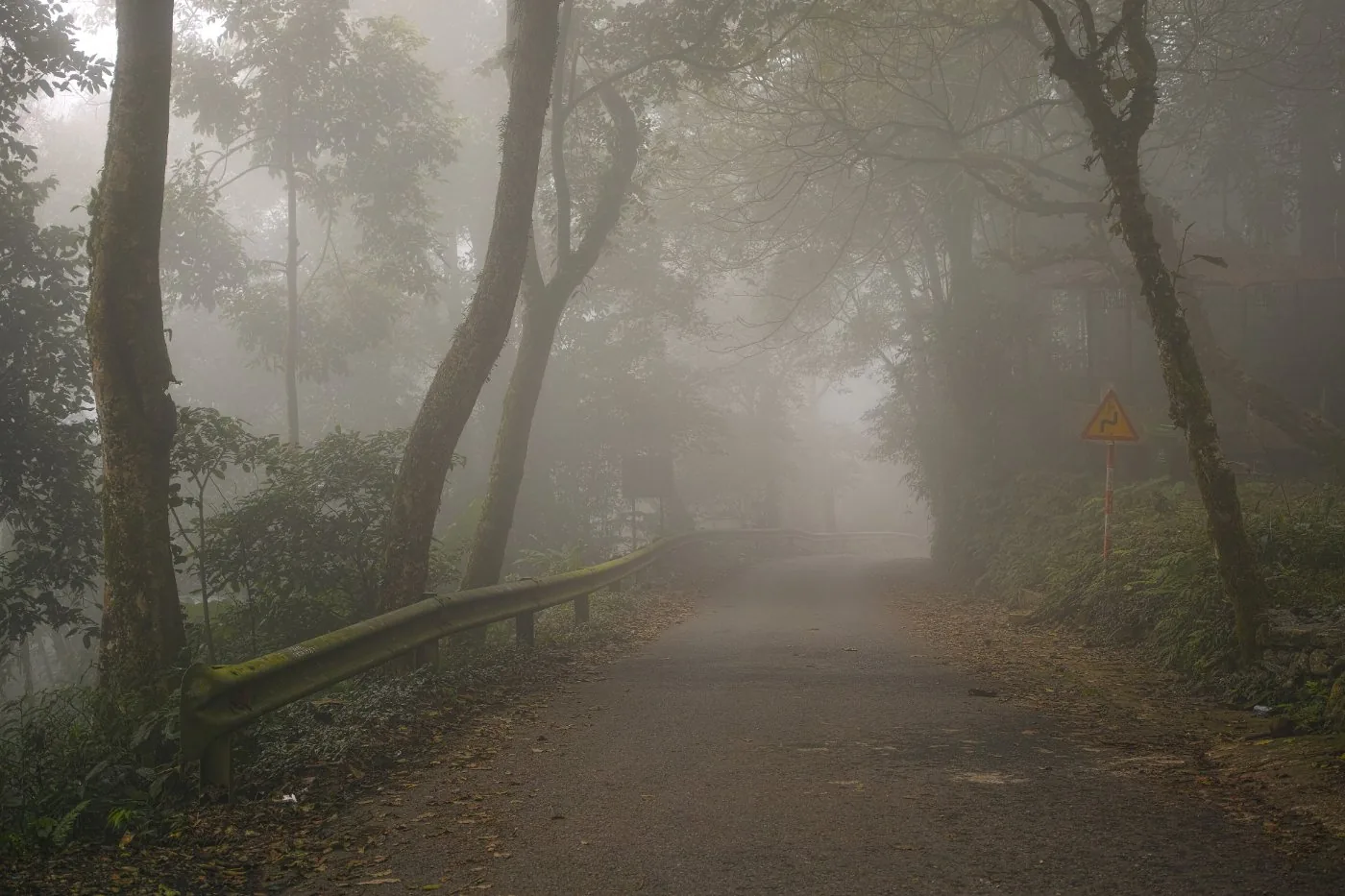
Ba Vi National Park
Ba Vi National Park Travel Guide
Meta description: A misty mountain escape less than an hour from Hanoi, with abandoned French hill-station ruins, waterfalls, and a summit temple wrapped in cloud.
Why Visit Ba Vi
For Hanoi residents craving cool mountain air without a long drive, Ba Vi National Park is the answer, and increasingly it is winning over foreign visitors too. Barely 50 kilometers west of the capital, this cluster of forested peaks rises abruptly out of the Red River Delta's flatlands, and on a clear day the temperature at the summit can be a full ten degrees cooler than down in Hanoi. What makes Ba Vi genuinely distinctive, though, is its layer of history: scattered across the upper slopes are the crumbling stone remains of a French colonial hill station, abandoned church and villa ruins now half-swallowed by moss and tree roots, giving parts of the park an eerie, almost lost-civilization atmosphere.
Add to that a working orchid garden, a summit temple dedicated to the mountain deity Tan Vien, and a network of trails through subtropical forest, and Ba Vi packs a surprising amount of variety into an easy day trip. It is popular with Hanoi locals on weekends, so those wanting a quieter experience should aim for a weekday visit.
Quick Facts
- Location: Ba Vi District, Hanoi, about 50 km west of the city center
- Highest peak: Dinh Vua (King's Peak), around 1,296 meters
- Ideal trip length: Full day trip from Hanoi, easily done without an overnight stay
- Getting around: Private car or motorbike; park has an internal road partway up
- Known for: French colonial ruins, cool climate, summit temples, waterfalls
Top Things to Do
Explore the French hill station ruins. Built in the 1940s as a retreat from Hanoi's summer heat, this small colonial settlement of villas, a church, and a swimming pool was abandoned during the wars that followed and has since been reclaimed by the forest. Walking among the vine-covered walls and roofless chapel is the park's most memorable experience, part historical curiosity and part ghost town.
Hike to the summit temples. Three temples dedicated to Tan Vien, one of Vietnam's four immortal deities, are spaced along the upper trail leading to the peak. The final stretch involves a steep set of stairs through cloud forest, and on misty days the temple at the top seems to emerge suddenly out of the fog.
Visit the orchid garden. Near the park's lower entrance, a dedicated garden cultivates hundreds of native and cultivated orchid species, a pleasant, easy stop for visitors not up for the steeper summit hike.
Cool off at a waterfall. Ao Vua and a handful of smaller cascades sit within or near the park boundary and make a refreshing detour, particularly appealing after a warm walk through the lower forest sections.
Spot wildlife and birds in the forest reserve. The park protects a patch of subtropical forest that is home to numerous bird species and smaller mammals, and quieter trails away from the main summit route offer decent chances for a spot if you go slowly and early.
Local Food
Ba Vi District is well known within Vietnam for one product in particular: fresh milk and dairy, thanks to a long-established dairy farming tradition in the surrounding lowlands. Roadside stalls near the park sell fresh milk, yogurt, and milk candy that make an easy, unusual souvenir. For a proper meal, local restaurants around the park entrance serve grilled chicken and mountain vegetables, often paired with sticky rice cooked in bamboo, a simple style of highland cooking suited to a day of hiking. Some visitors combine a Ba Vi trip with a stop at a nearby ostrich farm restaurant, an unusual but popular addition to the area's dining scene.
Best Time to Visit
Ba Vi is a year-round destination given its proximity to Hanoi, but the most comfortable hiking conditions fall in the autumn and spring months, from September to November and March to April, when temperatures are mild and rain is less frequent. Summer months from June to August bring Hanoi's full heat and humidity to the lowlands, though the elevation gain still offers noticeably cooler air at the summit, making it a popular weekend escape from the city heat. Winter can bring persistent mist and lower visibility on the upper trails, which suits travelers chasing the eerie ruin atmosphere but frustrates those hoping for wide summit views.
Where to Stay
The overwhelming majority of visitors treat Ba Vi as a day trip from Hanoi, given how close it sits to the capital, and there is little reason to stay overnight unless combining the park with other stops in the surrounding countryside. For those who do want to linger, a small number of resorts and homestays have opened in the district, some built around natural hot springs in the area, offering a quiet overnight option away from Hanoi's noise.
How to Get There
From central Hanoi, Ba Vi National Park is roughly a 1.5 to 2 hour drive west by private car or motorbike, depending on traffic through the city's outer districts. There is no direct public bus to the park entrance itself, so most independent travelers arrange a car, motorbike, or join a organized day tour from Hanoi, which typically includes transport, an entrance fee, and sometimes a guide for the ruins and summit trail.
Final Thoughts
Ba Vi proves that Hanoi does not require a long journey to reach genuine mountain scenery and a slice of unusual history. Between the ivy-choked colonial ruins, the fog-wrapped summit temples, and the cool forest air, it is one of the most rewarding easy escapes from the capital, best saved for a weekday when the crowds thin out and the ruins feel properly abandoned again.