Bao Loc Tea Highlands
Published on May 28, 2026
Why Visit Bao Loc
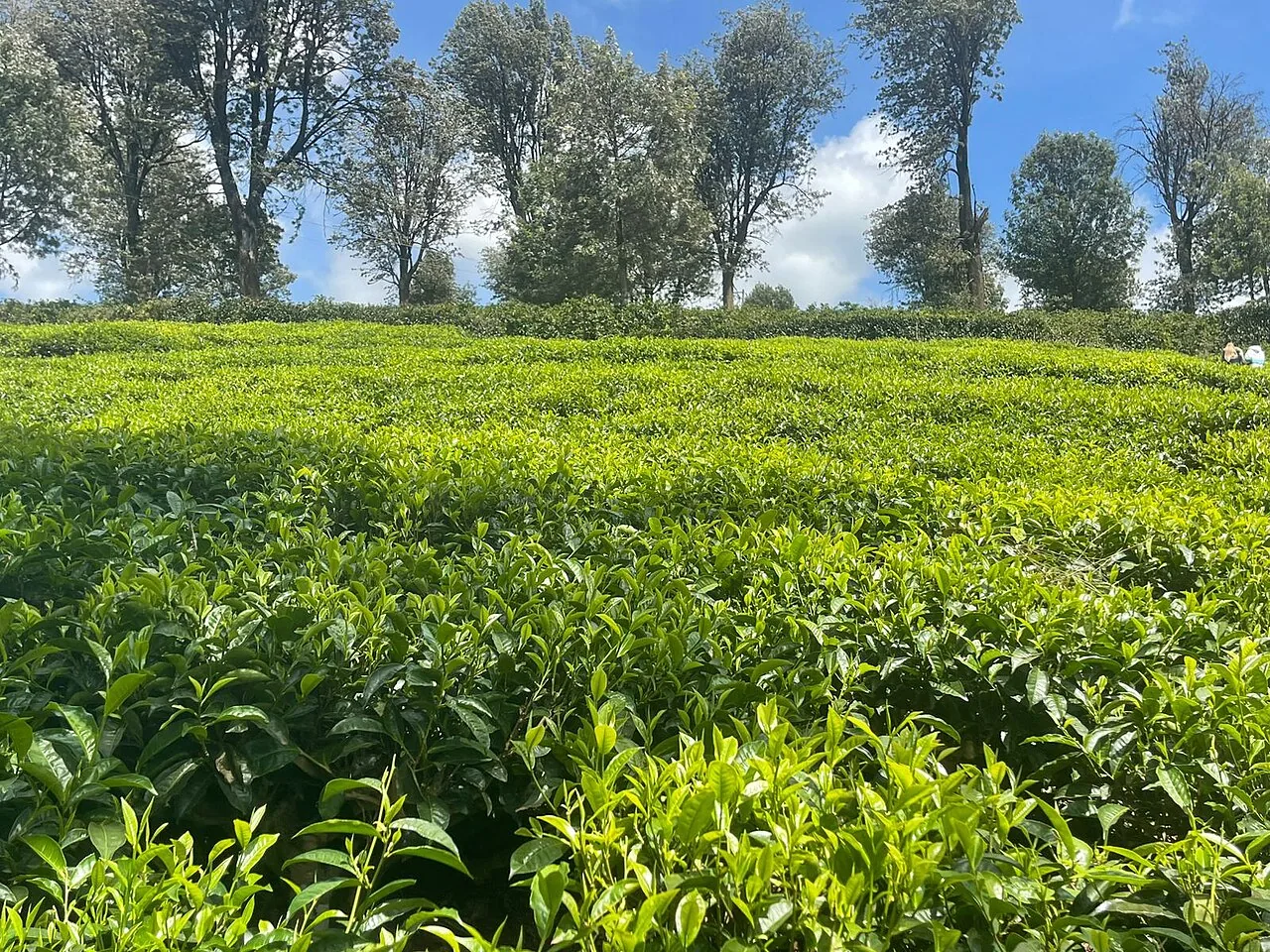
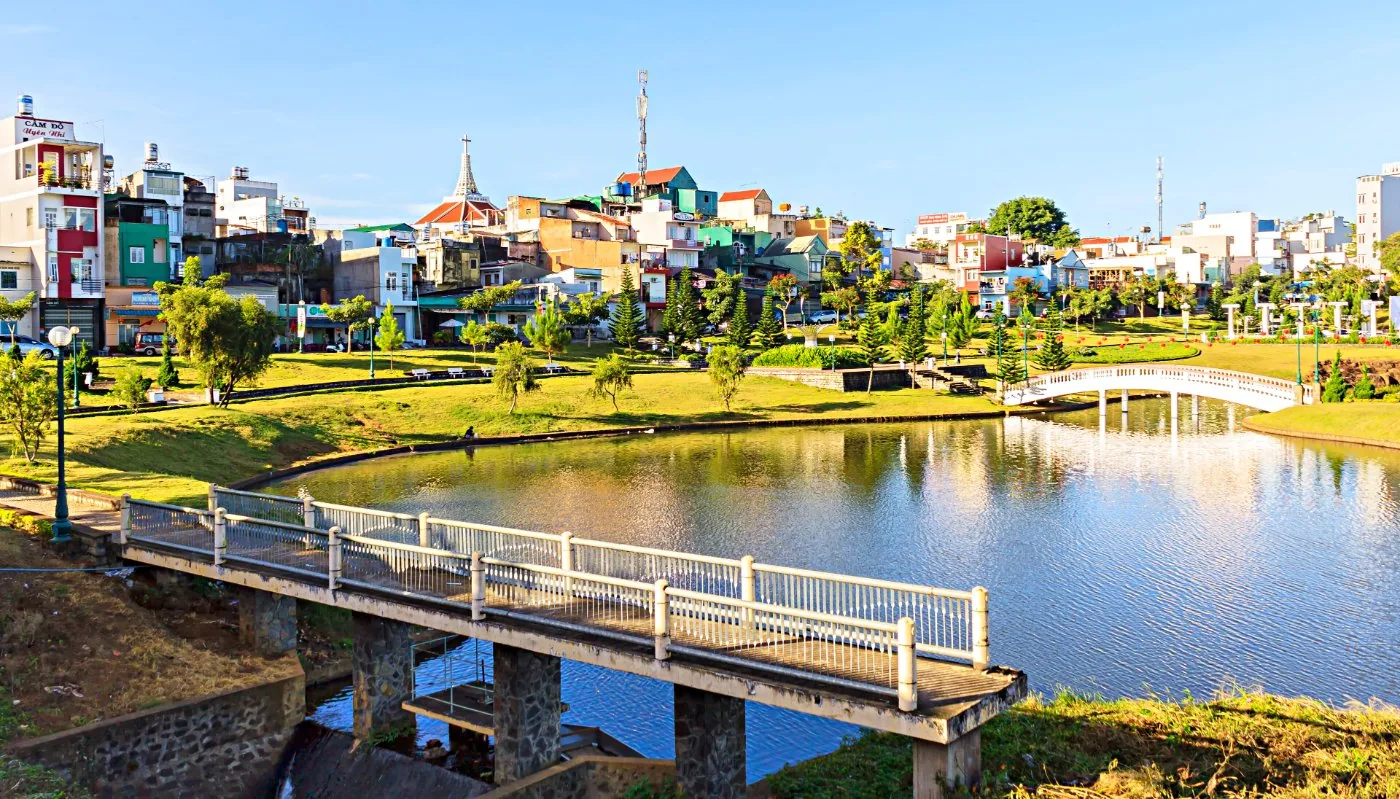
Bao Loc sits at 900 meters on the Lang Biang Plateau — the same volcanic highland that supports Da Lat, 130 km further northeast — in Vietnam's most productive tea-growing region. The city is rarely on tourist itineraries, which is precisely what makes it worth stopping. Drive any direction out of town and within minutes you're in a landscape of rolling tea plantations: low, trimmed bushes covering the hillsides in a continuous green carpet, broken by waterfalls, silk farms, and forest reserves that have been protected since the French colonial period.
Bao Loc was established as a tea cultivation center by the French in the early 20th century, and the industry has dominated the region ever since. Today Lam Dong Province — of which Bao Loc is the economic capital — produces approximately 25% of Vietnam's total tea output, in varieties ranging from highland oolong and green tea to the mulberry-and-silk hybrid products that make this the country's silk capital as well.
Quick Facts
- Location: Lam Dong Province, Central Highlands plateau, 180 km from HCMC, 130 km from Da Lat
- Altitude: 900 m
- Best time to visit: October to April (dry season); March–May for new-flush tea picking
- Recommended stay: 1–2 days (ideal stopover between HCMC and Da Lat)
- Daily budget: Budget $20–35 | Mid-range $45–75
Top Things to Do
1. Tea Plantation Walks and Farm Visits
The tea estates surrounding Bao Loc are accessible by motorbike — several plantation owners welcome visitors to walk the rows, observe hand-picking, and participate in a brief processing demonstration. The best plantations for visits are:
B'Lao Tea Farm (Bảo Lâm District): 15 km from the city; hand-picked highland oolong. The owner speaks some English and offers a farm-to-cup tasting experience with green tea, oolong, and fermented black tea varieties.
Tan Rai Tea Zone: The largest contiguous plantation area, 20 km north — a landscape of unbroken tea rows on gently rolling hills that is spectacular in the morning mist.

Tea plantations stretching across the Bao Loc plateau at 900 metres — 25% of Vietnam's total tea output
Tip: March to May is the spring flush — new tea growth produces the highest-quality leaves, and picking activity is at its peak. Visiting during this period means you'll see the full cycle from field to factory.
2. Dambri Waterfall
The largest and most spectacular waterfall in the southern Central Highlands — a 57-meter cascade plunging through forested highland terrain 18 km northwest of Bao Loc. A cable car descends to the base for close views of the main fall and a secondary cascade. The surrounding forest has walking trails connecting several smaller falls.

Dambri Waterfall — a 57-metre cascade through highland forest, 18 km from Bao Loc city
Duration: 2–3 hours. Entry: 60,000 VND (includes cable car). Tip: Visit on weekdays to avoid the weekend crowds from HCMC. The waterfall is most powerful during and immediately after the wet season (July–October).
3. Silk Villages and Sericulture
Bao Loc is the center of Vietnam's highland silk industry — mulberry trees carpet the hillsides alongside the tea estates, feeding silkworm farms that supply the weaving workshops in town. The silk production cycle (mulberry cultivation → silkworm rearing → cocoon unwinding → thread spinning → weaving) can be observed at several village operations:
Bao Loc Silk Village (Làng Tơ Lụa): The largest concentration of silk-related operations, offering demonstrations of the full process from cocoon to finished fabric. Silk scarves, cloth, and finished products are sold directly from the workshops at significantly lower prices than in Da Lat or HCMC.
Fresh tea leaves ready for harvest on a Camellia sinensis bush
Duration: 1–2 hours. Tip: The unwinding of cocoons in hot water is a particularly fascinating step — a single cocoon yields up to 1,000 meters of continuous silk filament.
4. Linh Quy Phap An Pagoda
A dramatic Buddhist monastery complex built into a forested mountain 7 km from the city center, with distinctive rooftop gardens, meditation halls, and panoramic views across the tea plateau. One of the most architecturally striking pagodas in the southern highlands — the tiered rooftop walkways above the treeline are a photographer's subject at any time of day.
Duration: 1–1.5 hours. Entry: Free. Tip: The rooftop garden is most photogenic in the early morning when mist fills the valley below and the pagoda appears to float above the clouds.
5. Bao Loc Coffee and Tea Culture
The highland climate of Bao Loc produces both tea and coffee — robusta and arabica grown on the same red volcanic soil as nearby Buon Ma Thuot. The city's café scene reflects this: small, unhurried coffee shops serve highland-grown beans alongside tea flights of local varieties.
Where to try: Trà Quán B'Lao (a tea house near the central market serving 8–10 varieties of local tea with tasting guidance); Highland coffee shops around the central roundabout for single-origin highland arabica.
6. Bao Loc Market
The city's central covered market operates daily but is most active in the early morning — highland tea, fresh silk cocoons, mountain vegetables, and local coffee sold alongside everyday produce. The silk cocoon vendors (a sight unique to this region) sell to local weavers by the kilogram each morning.
Duration: 1 hour. Best time: 6–8am.
Local Food
Cơm Bình Dân (Working Person's Rice Plate): Bao Loc's everyday meal — a steam table of braised meats, stir-fried vegetables, and pickled sides, served over rice. Simple, cheap, and a direct reflection of the local agricultural community's diet. Found at lunch stalls throughout the city center for 35,000–55,000 VND.
Gà Ta Nướng (Highland Free-Range Chicken): Slow-growing free-range chickens raised in the highland villages, grilled over charcoal with lemongrass and ginger. The texture and flavor are noticeably different from lowland poultry.
Rau Rừng Xào Tỏi (Stir-Fried Forest Vegetables with Garlic): Wild-gathered highland greens — bitter, slightly astringent, and deeply nutritious — sautéed with garlic and fish sauce. A standard side dish at local restaurants.
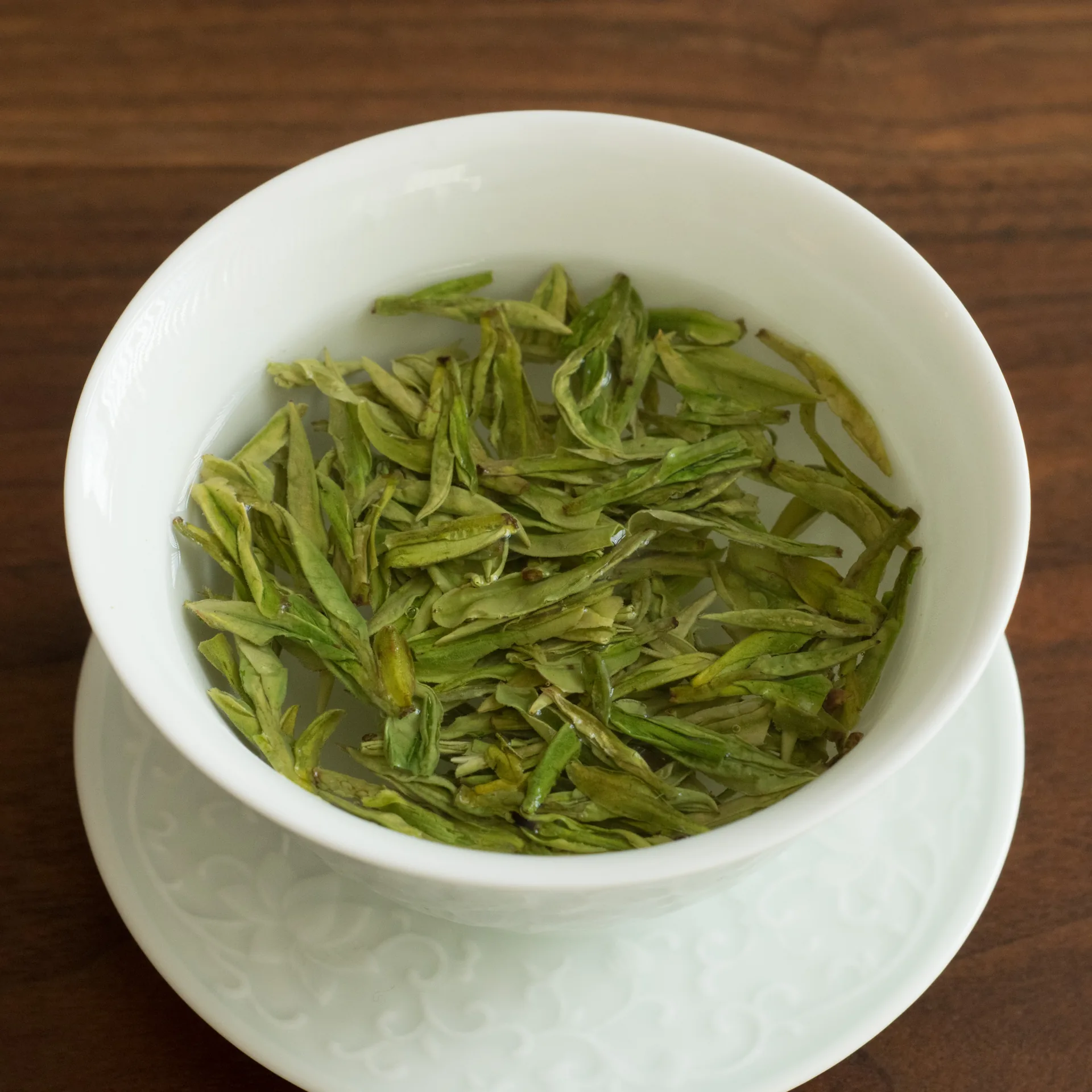
Trà B'Lao (Bao Loc Green Tea): Fresh-processed green tea from local gardens — grassy, vegetal, and entirely different from the tea bags exported from this region. Served complimentary at local restaurants and sold by the bag at the market.
Tea Buying Guide
Bao Loc is the best place in Vietnam to buy quality highland tea directly from producers:
Green Tea (Trà Xanh): Light, grassy, best drunk plain. Varieties include the highland "snow tip" (trà tuyết) picked at the highest elevations.
Oolong: A partially oxidized tea processed in the Taiwanese style, introduced to Bao Loc in the 1990s. Floral and complex; the best highland oolong rivals Taiwanese production.
Lotus Tea (Trà Sen): Green tea hand-scented with lotus blossoms — a traditional Vietnamese specialty produced in small quantities in Bao Loc for the domestic premium market.
Where to buy: Directly from farm shops at B'Lao Tea Farm and along Highway 20 south of the city; also at reputable shops in the central market. Expect to pay 80,000–300,000 VND per 100g for quality highland tea.
Best Time to Visit
October to April (dry season): The optimal general visiting period. Roads are dry, the tea plantations are easily accessible, and Dambri waterfall is powerful without being dangerously flooded.
March to May (spring tea flush): The best time to visit if tea is your primary interest — new growth is being picked, factories are running at full capacity, and the tasting quality of fresh-flush tea is at its peak.
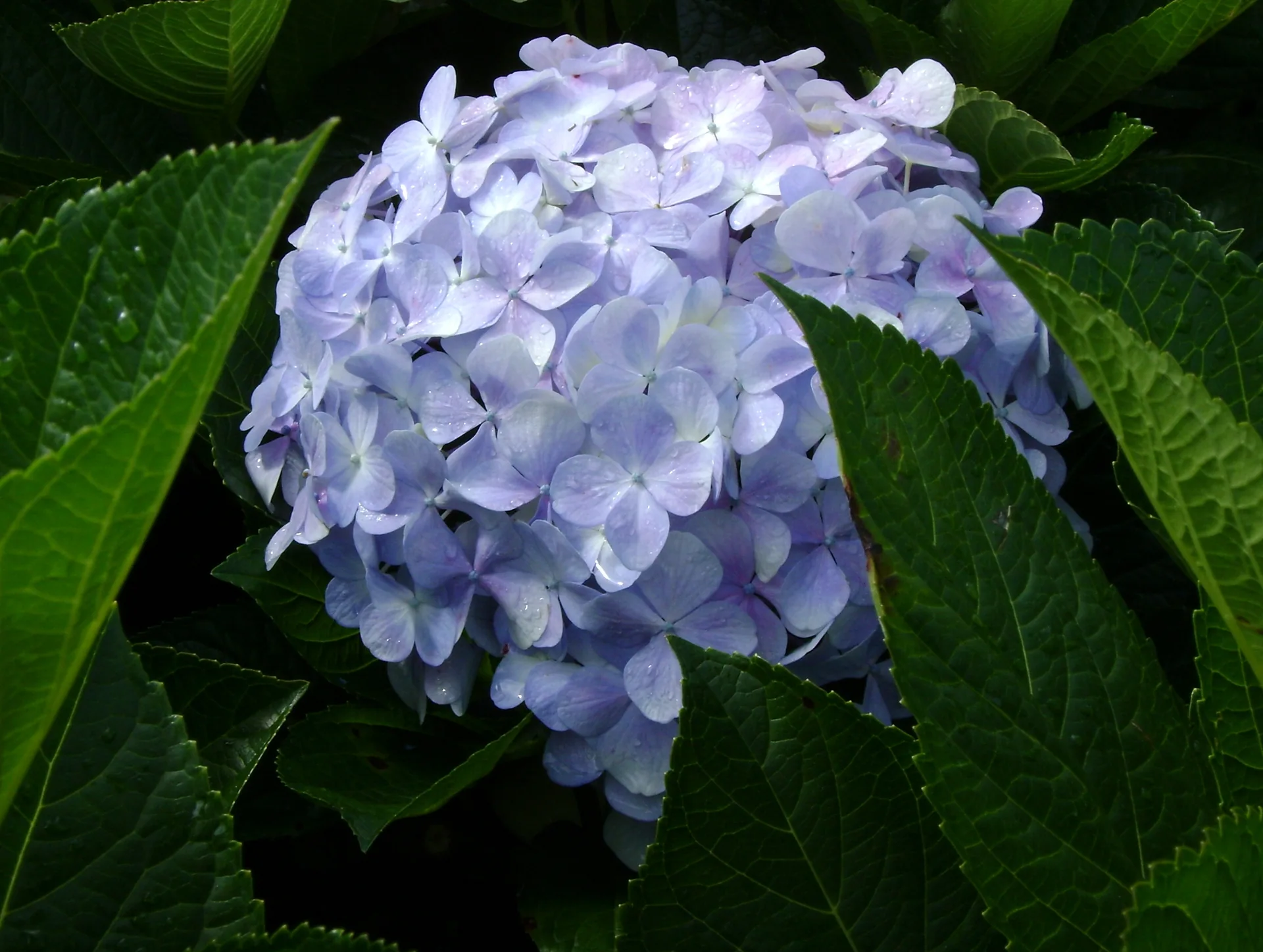
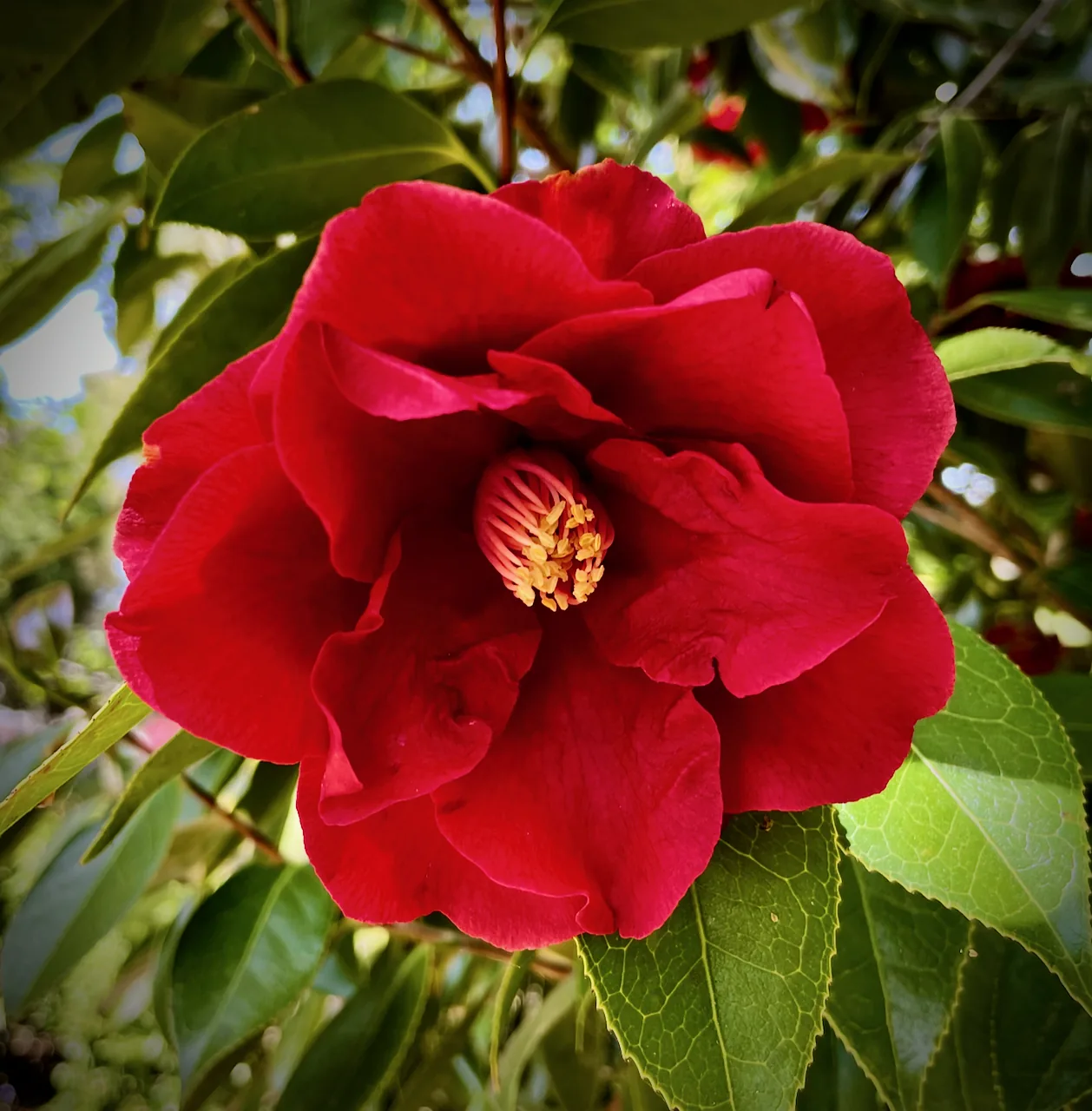
Colorful flowers blooming in the cool highland air of Da Lat near Bao Loc
June to September (wet season): Frequent rain and mist. Dambri is at maximum power. Tea estates are green but picking slows during heavy rain. A moody, atmospheric time to visit if you don't mind the weather.
Where to Stay
Budget ($15–30): Thanh Lich Hotel and several guesthouses near the central market offer clean rooms with mountain views. Most can arrange motorbike rental.
Mid-range ($40–75): Muong Thanh Bao Loc Hotel is the most comfortable option in the city, with a rooftop restaurant overlooking the plateau. The Silk Valley Resort (10 km from town, amid tea estates) offers a more immersive highland setting.
Eco/farm stay: A handful of tea farm guesthouses have opened in the Bao Lam District — staying on a working tea farm, waking to mist-covered plantation rows, and drinking the morning's first flush is the definitive Bao Loc experience.
How to Get There
By bus from HCMC: 5–6 hours; Phuong Trang (FUTA) and Thanh Buoi coaches from Ben Xe Mien Dong stop in Bao Loc on the Da Lat route. Cost: 150,000–200,000 VND.
By bus from Da Lat: 130 km; 2.5–3 hours on the mountain road. Local buses and minivans run throughout the day.
Self-drive: Highway 20 from HCMC is a pleasant highland road that climbs steadily from the lowlands to the plateau — the final 50 km before Bao Loc pass through coffee and durian plantations before the tea estates begin. The road continues to Da Lat, making Bao Loc a natural overnight stop on this route.
Suggested Itinerary
Half Day (Passing Through)
Dambri Waterfall → Linh Quy Phap An Pagoda → tea tasting at a roadside farm → continue to Da Lat or return to HCMC.
1 Day
Morning: Tea plantation walk at B'Lao Farm (sunrise for the mist); Bao Loc Market. Afternoon: Silk village visit; Dambri Waterfall. Evening: Tea tasting flight at a local tea house.
2 Days
Day 1 as above. Day 2: Motorbike to Tan Rai tea zone (panoramic plateau views); Linh Quy Phap An Pagoda; afternoon departure for Da Lat.
Final Thoughts
Bao Loc is the kind of place that rewards travelers who add it to an itinerary rather than those who target it specifically — but once there, most visitors wish they'd allowed more time. The tea culture is genuine and accessible, the landscape is beautiful, and the absence of a developed tourism infrastructure makes it feel like a discovery rather than a destination. Between HCMC and Da Lat, it is the most interesting stop on the road.