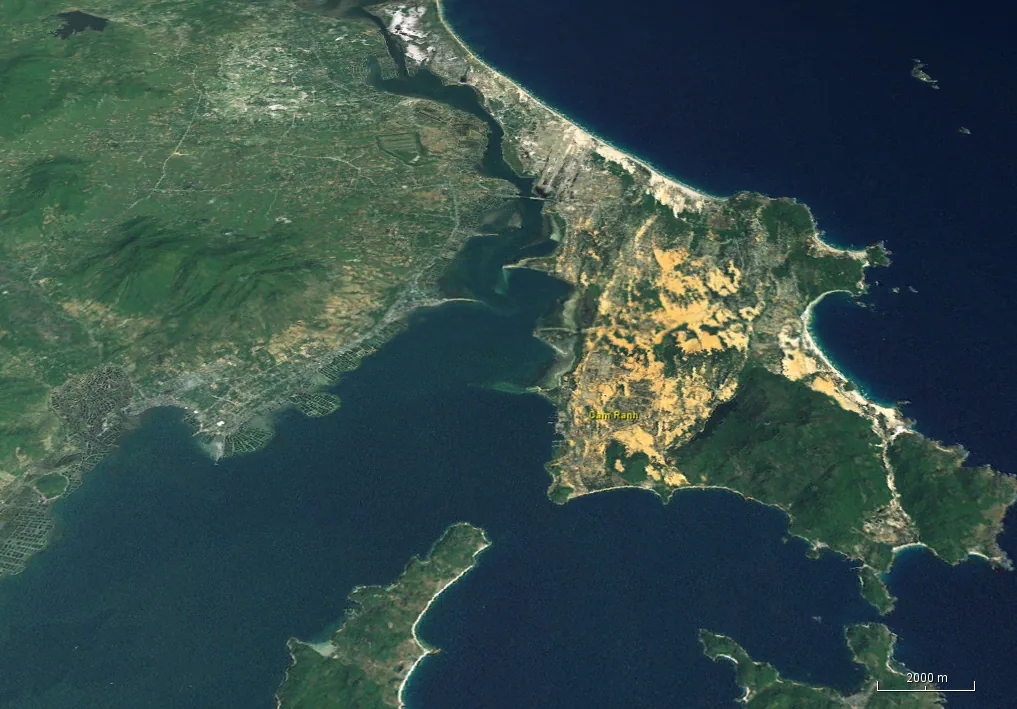
Cam Ranh Bay
Cam Ranh Bay Travel Guide
Meta description: A sweeping natural harbor south of Nha Trang, lined with quiet white-sand beaches and Vietnam's fastest-growing stretch of luxury beach resorts.
Why Visit Cam Ranh Bay
Long known primarily for its strategic value as one of the finest deep-water harbors in Southeast Asia, used by French, American, and Soviet naval forces at various points in the twentieth century, Cam Ranh Bay has in the past decade quietly transformed into one of Vietnam's most desirable beach resort destinations. The bay's long, calm stretches of white sand, sheltered by the surrounding peninsula from rougher open-sea conditions, have attracted a wave of international resort brands, turning what was once a quiet military and fishing area into a genuine rival to Da Nang and Phu Quoc for beach-focused travelers.
What sets Cam Ranh apart from Nha Trang, just a short drive north, is its sense of space and quiet: rather than a dense, built-up city beachfront, Cam Ranh's coastline unfolds as a series of large, self-contained resorts spaced generously apart, each with direct beach access and a calmer, more relaxed atmosphere than Nha Trang's busier central strip. For travelers who want a proper beach resort holiday with easy access to a major international airport, Cam Ranh has quickly become one of the country's top choices.
Quick Facts
- Location: Cam Ranh Peninsula, Khanh Hoa Province, about 25-30 km south of Nha Trang
- Airport: Cam Ranh International Airport, directly serving the resort area
- Ideal trip length: 3-5 days for a beach-focused stay
- Known for: Long white-sand beaches, luxury resorts, calm sheltered waters
Top Things to Do
Relax on the resort beaches. The main draw of Cam Ranh is simply its beaches: long, uncrowded stretches of soft white sand and calm, clear water, ideal for swimming and sunbathing without the crowds found at busier Vietnamese coastal cities.
Try water sports in sheltered bay waters. The bay's naturally calm conditions, protected from open-sea swells, make it well suited to kayaking, stand-up paddleboarding, and other gentler water activities, offered by most of the resorts along the coast.
Visit nearby Binh Ba Island. A short boat trip from the Cam Ranh area, this small island is known for clear water, good snorkeling, and a much quieter, more local atmosphere than the resort strip itself, popular with visitors seeking a day trip away from their hotel.
Explore Cam Ranh's fishing villages. Away from the resort zone, traditional fishing communities around the bay offer a glimpse of local life largely untouched by the tourism development nearby, with fresh seafood markets worth a visit.
Golf at a resort course. Several of the area's luxury resorts include championship golf courses set along the coastline, taking advantage of the peninsula's scenic terrain and drawing golf-focused travelers as a growing niche within Cam Ranh's tourism offering.
Local Food
Cam Ranh's food culture centers on the bay's abundant seafood, with fishing villages around the peninsula supplying resorts and local restaurants alike with fresh catch, from prawns and crab to a wide variety of reef and open-water fish. Bun sua, a distinctive jellyfish noodle soup found specifically in this part of Khanh Hoa province, is a local specialty worth seeking out for adventurous eaters, offering a lighter, more delicate alternative to heartier noodle soups found elsewhere in Vietnam. Most resorts also offer international dining options alongside Vietnamese menus, catering to the area's significant number of foreign visitors, though venturing into nearby local eateries generally rewards travelers with more authentic and considerably cheaper meals.
Best Time to Visit
Cam Ranh enjoys one of Vietnam's more favorable coastal climates, with the dry season from January through August offering the most reliable sunny weather and calm seas ideal for beach time and water sports. The wetter months from September through December bring a higher chance of rain and occasional storms, though temperatures remain warm throughout the year, and the bay's sheltered geography means conditions are often calmer here than at more exposed coastal spots even during the rainier months.
Where to Stay
Cam Ranh's coastline is now home to a dense cluster of international resort brands, ranging from mid-range beach hotels to some of Vietnam's most exclusive luxury properties, most offering direct beach access, multiple pools, and extensive on-site dining. Given the area's resort-driven development, options for budget independent travel are more limited than in Nha Trang proper, making Cam Ranh better suited to travelers specifically seeking a resort-style beach holiday rather than a backpacker-style visit.
How to Get There
Cam Ranh International Airport sits directly within the resort area, served by numerous domestic flights from Hanoi and Ho Chi Minh City as well as a growing number of international routes, making the bay one of the most conveniently accessible beach destinations in the country. For travelers already in Nha Trang, the drive to Cam Ranh's resort strip takes about 30 to 45 minutes by taxi or private car, making a day trip or a full relocation for the remainder of a trip equally easy to arrange.
Final Thoughts
Cam Ranh Bay has emerged as one of Vietnam's premier beach resort destinations almost entirely within the last decade, offering long, quiet stretches of white sand and calm water paired with genuinely world-class resort infrastructure and an international airport right on its doorstep. For travelers seeking a relaxed, resort-focused beach holiday rather than a bustling city beachfront, Cam Ranh delivers an experience that increasingly rivals, and in terms of space and tranquility, sometimes surpasses, Vietnam's more famous coastal destinations.