Cao Bang & Ban Gioc Waterfall
Published on May 28, 2026
Cao Bang & Ban Gioc Waterfall Travel Guide
Meta description: Discover Cao Bang Province — home to Ban Gioc Waterfall, Nguom Ngao Cave, and stunning karst scenery on Vietnam's northern frontier with China. Guide 2025.
Why Visit Cao Bang
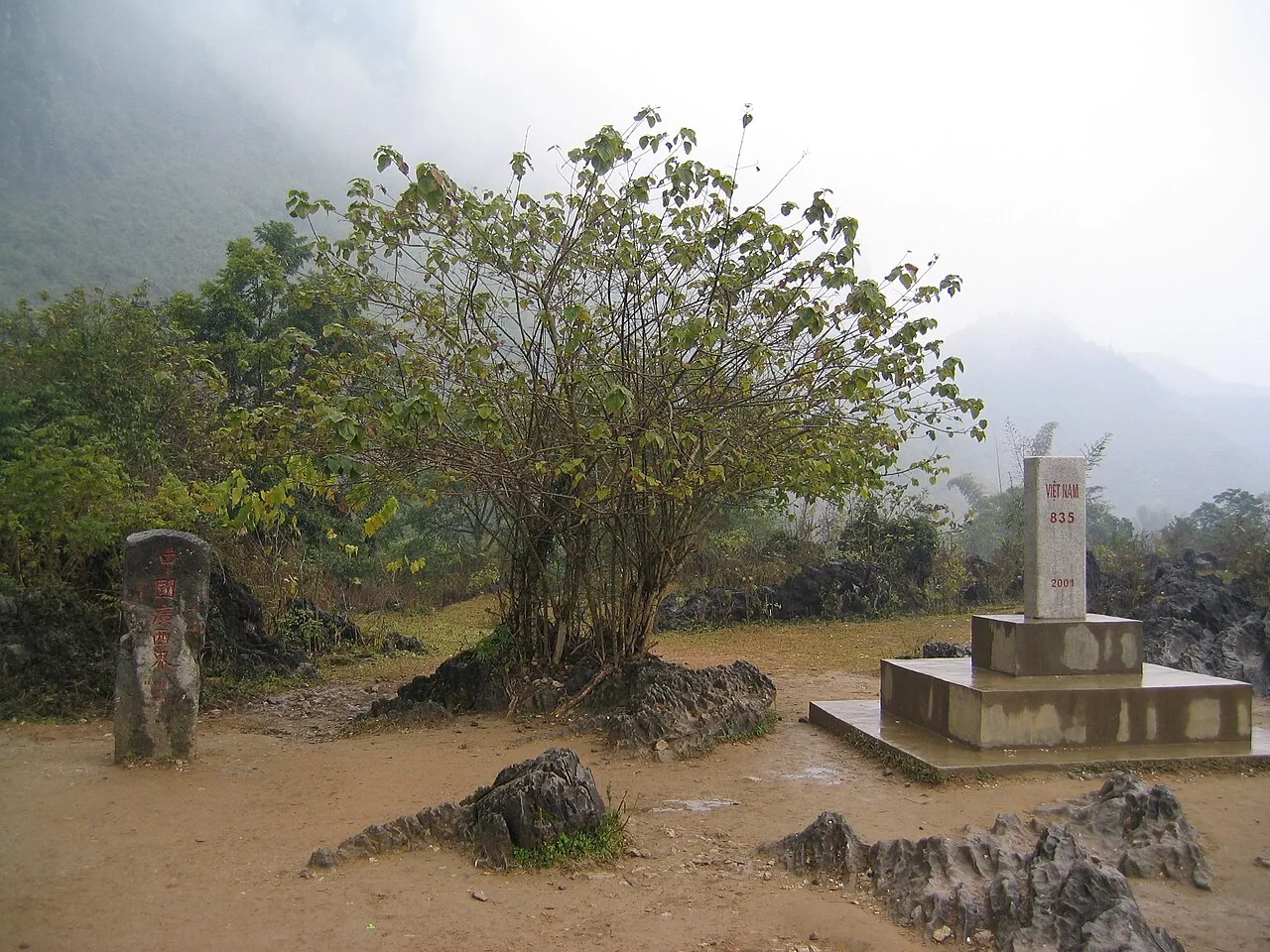
Cao Bang Province in Vietnam's far northeast is one of the country's least-visited and most spectacular destinations — a highland region of limestone karst, river gorges, ethnic minority villages, and the magnificent Ban Gioc Waterfall, the largest waterfall in Southeast Asia by volume. The province borders China along the Quay Son River, and the waterfall actually straddles the international boundary — half Vietnamese, half Chinese — in a landscape of bamboo-fringed river and stacked karst hills that looks painted rather than real.
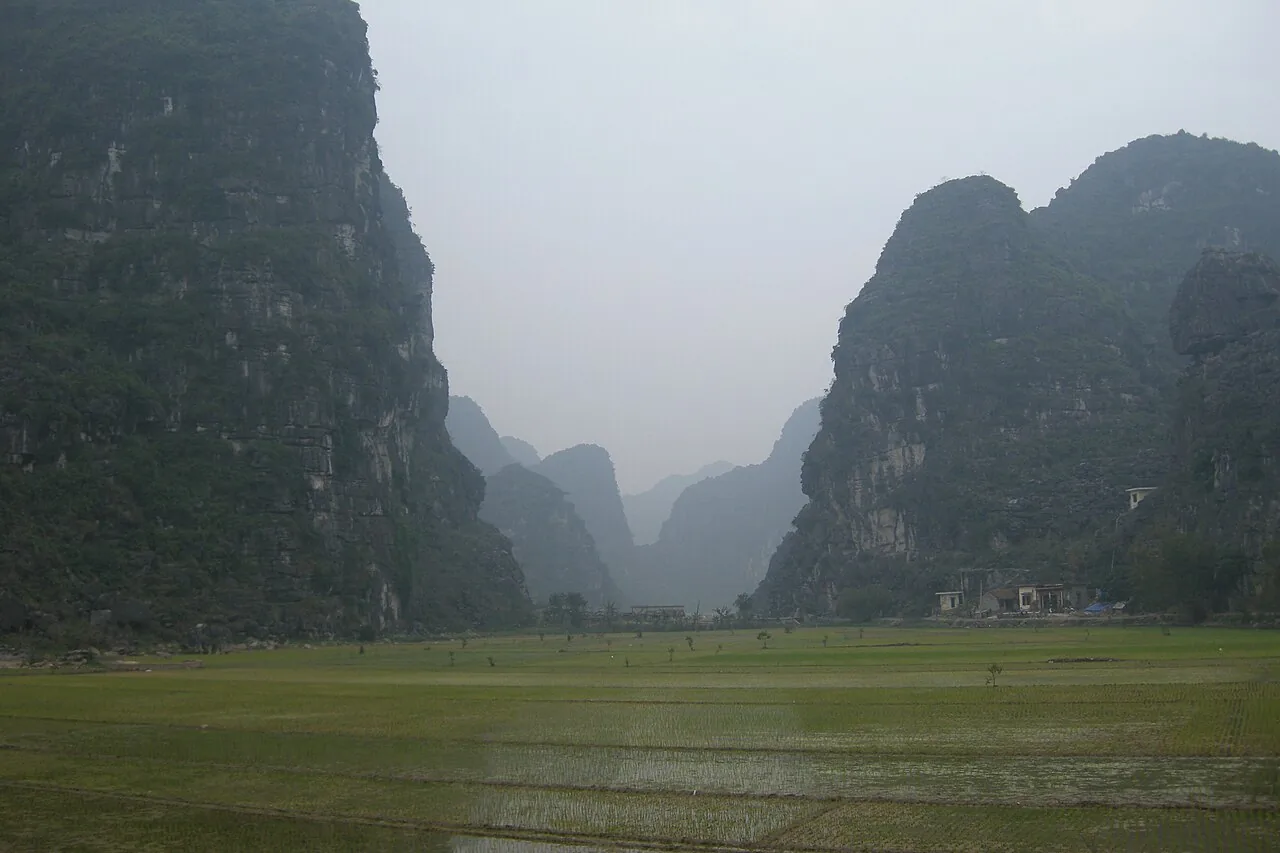
The UNESCO-designated Non Nuoc Cao Bang Geopark protects the wider karst landscape, which includes cave systems, ancient wetlands, and one of the most extraordinary road routes in northern Vietnam — the loop through Trung Khanh, Ha Quang, and Ha Lang districts passes through landscape rarely seen by international travelers.
Quick Facts
- Location: Cao Bang Province, northeastern Vietnam, 272 km from Hanoi
- Best time to visit: September–November (waterfall fullest; autumn colors)
- Recommended stay: 2–3 days
- Daily budget: Budget $20–35 | Mid-range $40–70
- Getting there: Bus from Hanoi (6–7 hours) or private car
Top Things to Do
1. Ban Gioc Waterfall
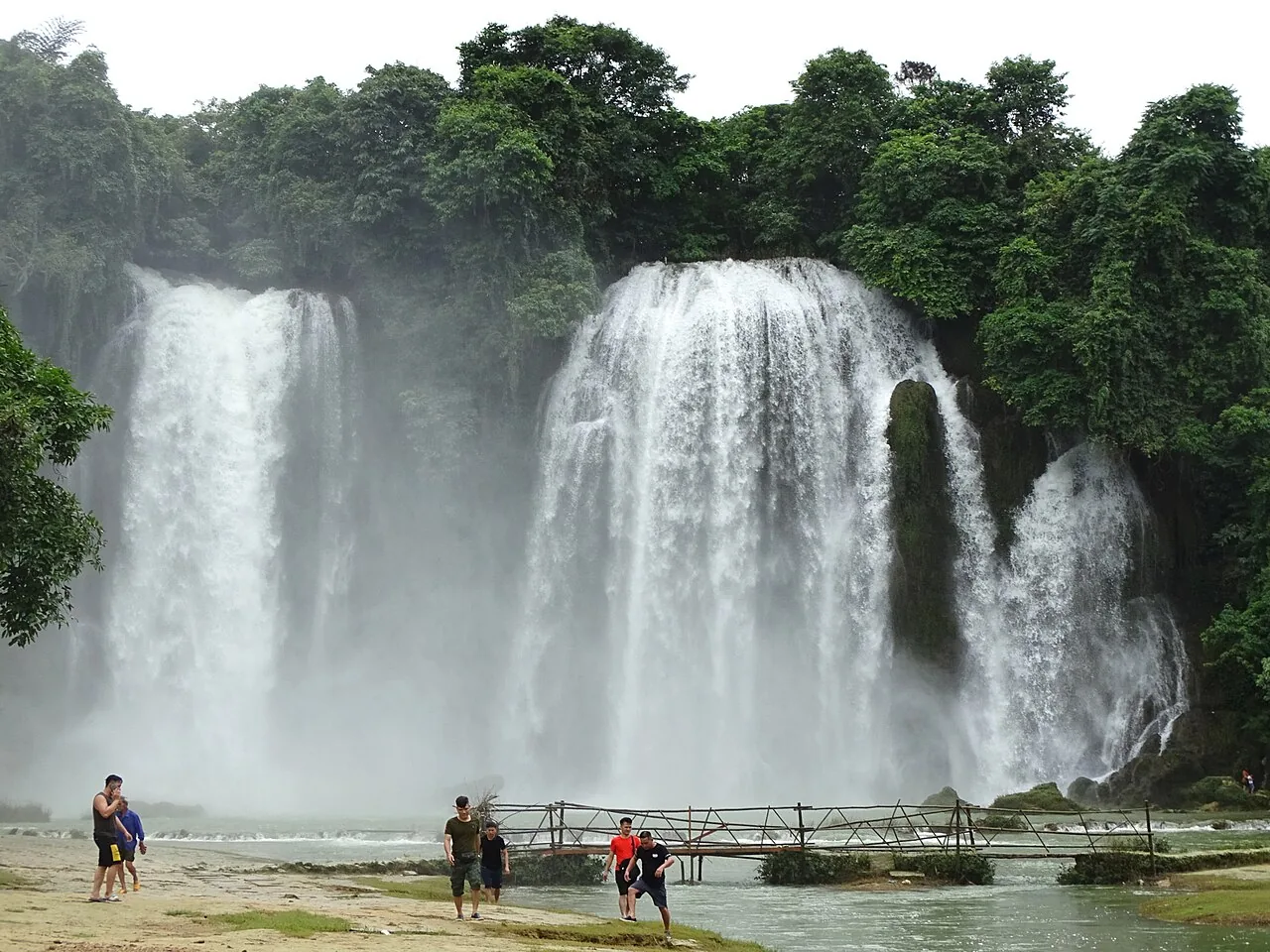
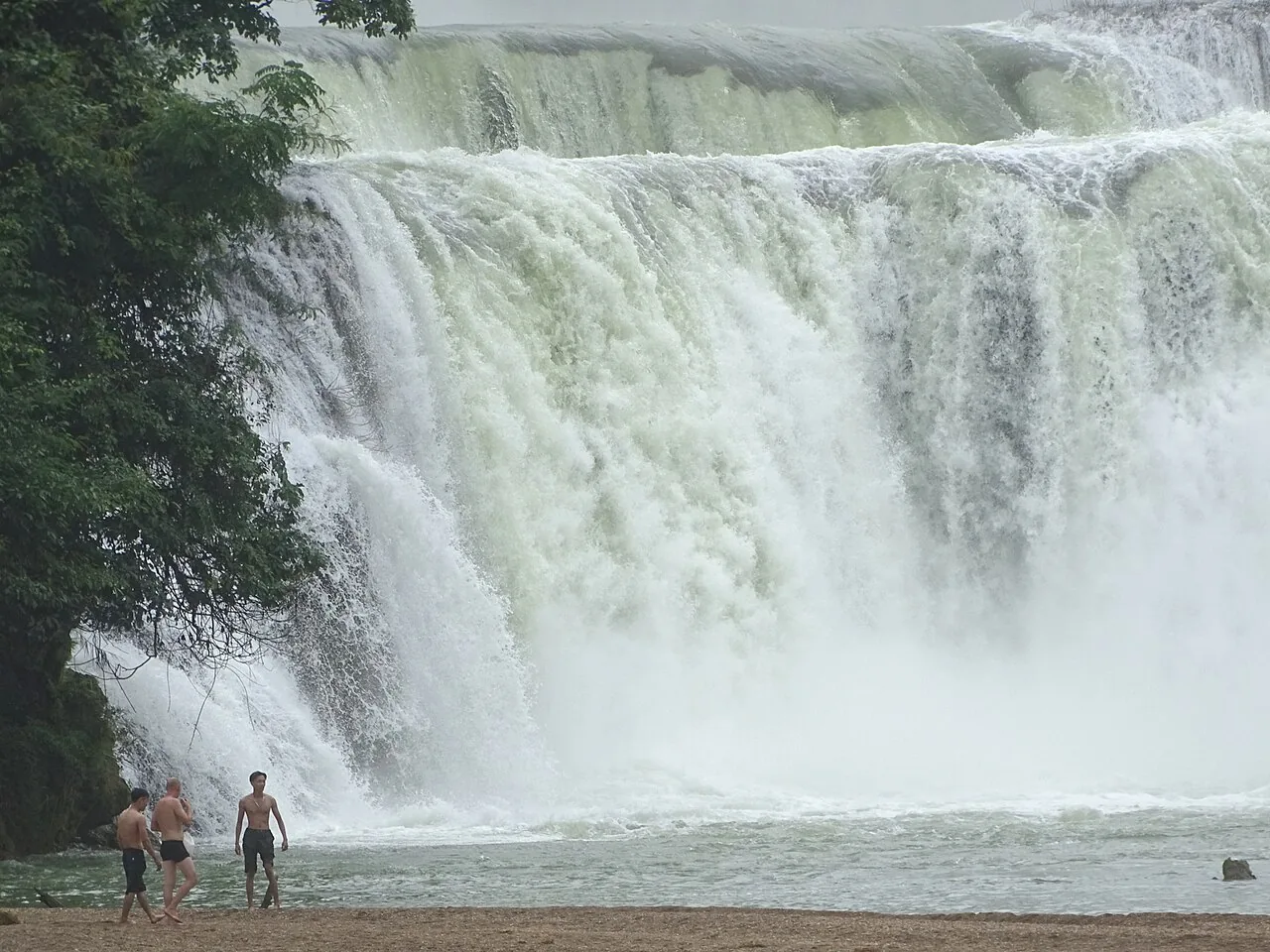
Three tiers of white water cascading 30 meters across a 300-meter wide limestone escarpment — the largest natural waterfall in Southeast Asia. The setting, with bamboo-covered karst hills rising behind and a flat-bottomed river valley below, is extraordinary in all seasons but most dramatic from September to November when monsoon rains maximize the flow. Duration: 2–3 hours. Tip: Hire a bamboo raft from the riverbank for a closer view of the falls (50,000 VND); the approach path is free.
2. Nguom Ngao Cave
A 2.5 km limestone cave 3 km from Ban Gioc Waterfall, with formations rivaling Phong Nha in scale and variety. Multiple chambers of stalactite columns, flowstone draperies, and cave pearls, lit and accessible via a well-maintained walkway. Duration: 1.5 hours. Tip: 70,000 VND entry; combine with the waterfall in the same day.
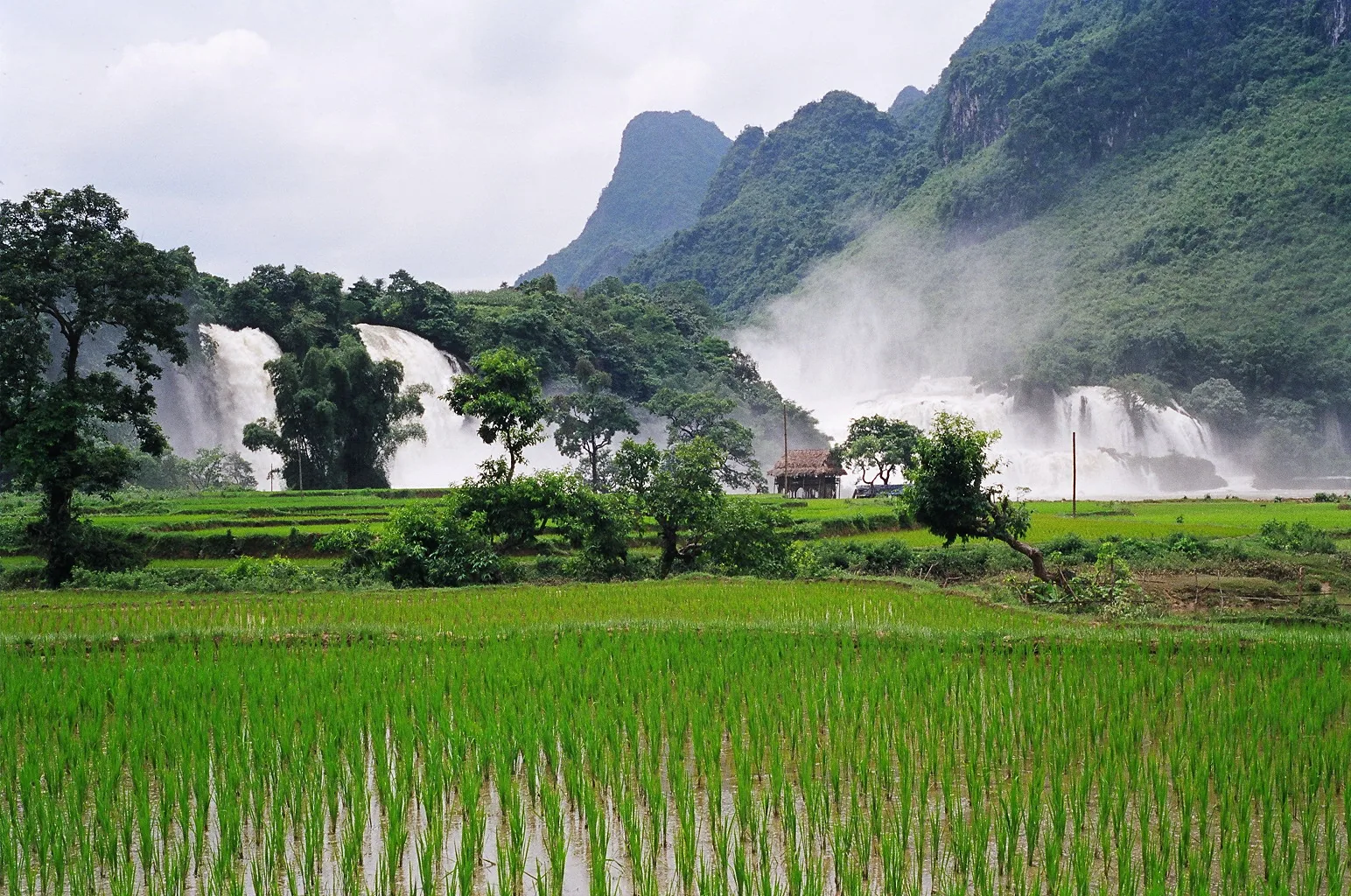
Ban Gioc (Detian) Waterfall — split between Vietnam and China, this 300m-wide multi-tiered cascade is the largest waterfall in Southeast Asia; boat rides to the base cost ~50,000 VND
3. Non Nuoc Cao Bang Geopark Drive
The driving route through the geopark — 130 km of mountain road between Cao Bang City and Ban Gioc — passes through some of the most dramatic karst scenery in northern Vietnam. Particularly the section from Trung Khanh town along the Quay Son River. Duration: Full day.
4. Bo Trach Villages (Tay and Nung Communities)
The ethnic Tay and Nung communities of Cao Bang Province maintain distinct cultural traditions — wooden stilt houses, embroidered clothing, and agricultural practices centered on terraced rice cultivation and beekeeping. Several villages along the geopark route welcome visitors. Duration: 2–3 hours.
5. Pac Bo Cave and Revolutionary History
The cave near the Chinese border where Ho Chi Minh lived and worked from 1941 to 1944, directing the resistance against French and Japanese occupation. The cave, the spring he named Lenin Spring, and the summit he renamed Karl Marx Peak are preserved as a revolutionary pilgrimage site. Duration: 2 hours. Tip: 60 km from Cao Bang City; combine with a geopark drive.
Local Food
Vit Quay Cao Bang: Smoked and roasted duck, marinated in a spice blend specific to the province — darker, more complex than standard roast duck. Available at restaurants throughout Cao Bang City.
Banh Ap Chao: Fried rice cakes eaten with honey — a Tay ethnic specialty found throughout the region.
Lau (Hotpot): The highlands' coldest nights call for hotpot; Cao Bang's version uses local mushrooms, river fish, and mountain herbs.
Best Time to Visit
September–November: The waterfall peaks, the karst landscape is vividly green, and weather is clear and cool.
March–May: Pre-monsoon dry season; terraces being planted. Good photography.
December–February: Cold and occasionally misty; the falls are lower but the winter atmosphere is evocative.
Where to Stay
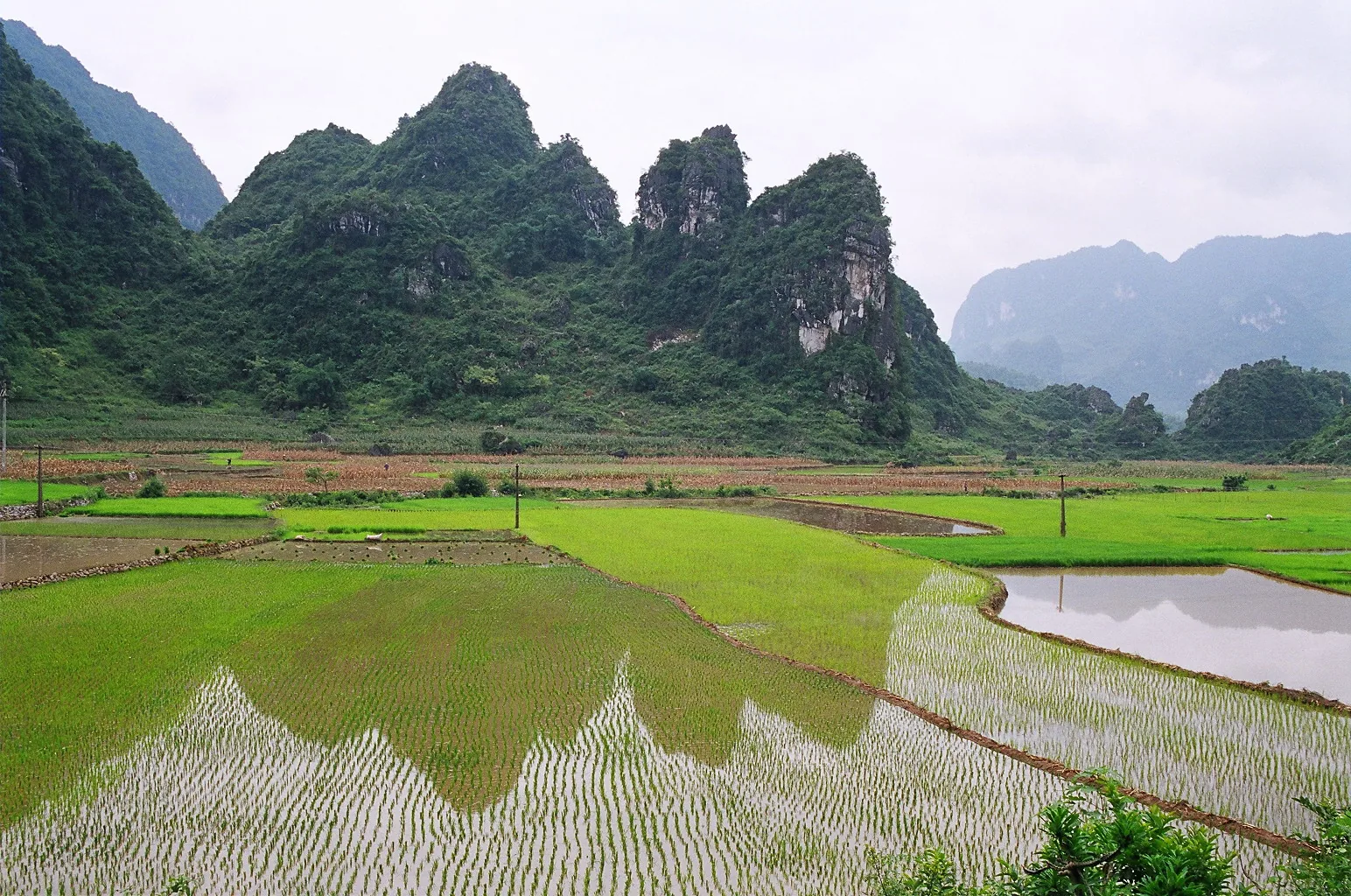
Cao Bang Province — the UNESCO Non Nuoc Cao Bang Global Geopark covers 3,000 sq km of karst landscape, home to Tay, Nung, H'Mong and Dao ethnic communities
Accommodation in Cao Bang is limited to guesthouses and basic hotels in the city (Bang Giang Hotel, Thuy Tien Hotel from $20–40/night). Trung Khanh town near the waterfall has simple guesthouses for those staying overnight near Ban Gioc.
How to Get There
By bus from Hanoi: Departures from My Dinh and Gia Lam stations; 6–7 hours to Cao Bang City (180,000–250,000 VND).
By motorbike: The northeast loop from Hanoi through Lang Son, Cao Bang, and Ha Giang is one of Vietnam's most rewarding multiday rides for experienced riders.
Final Thoughts
Ban Gioc Waterfall alone justifies the journey from Hanoi. The surrounding geopark, the ethnic minority villages, and the revolutionary history make Cao Bang one of northern Vietnam's most rewarding — and least crowded — destinations.
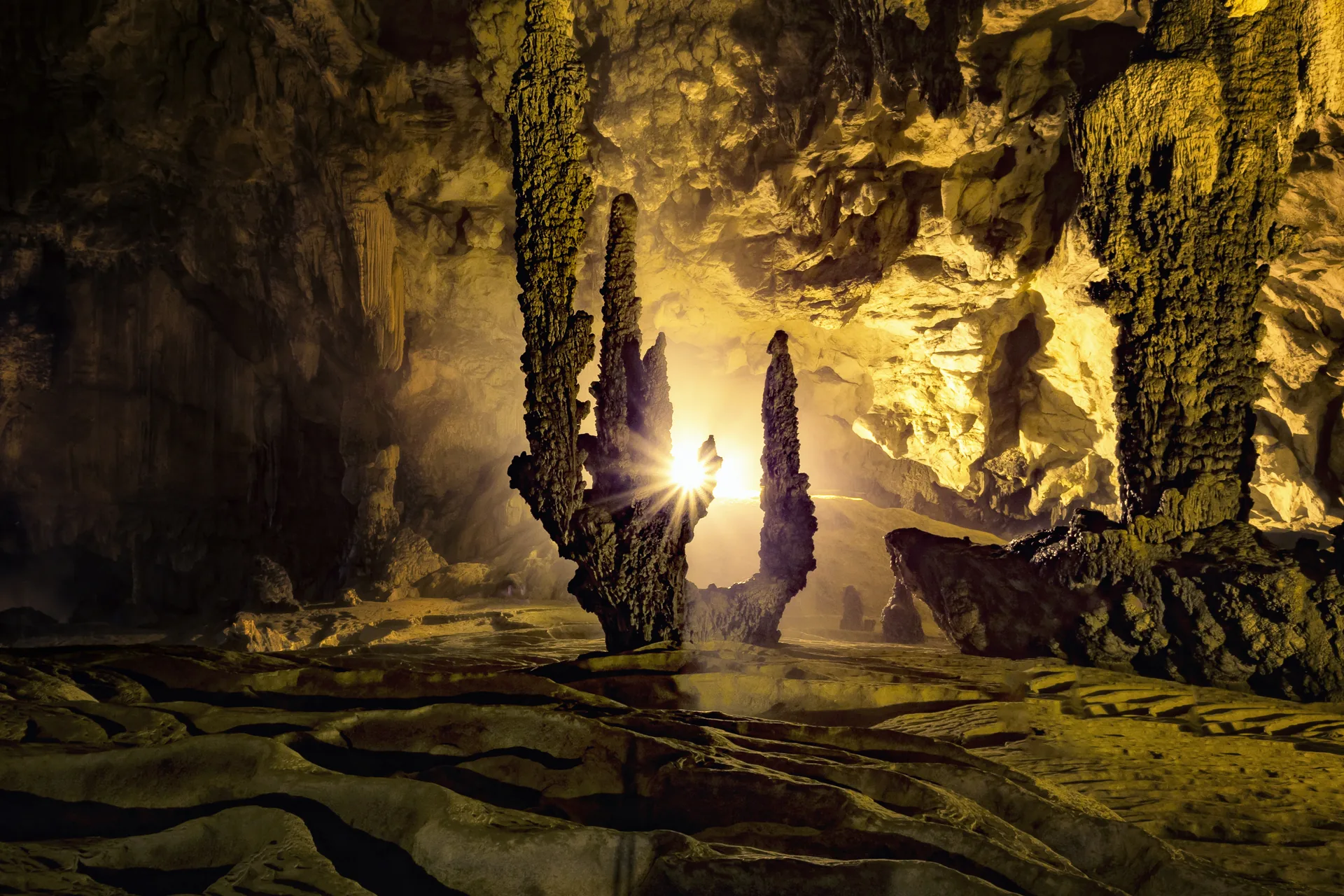
Nguom Ngao Cave — 2.1km of illuminated cave passages near Ban Gioc; the formations include stalactites, stalagmites, and cave pearls; accessible as a day trip from Cao Bang town
Keywords: Cao Bang travel guide, Ban Gioc Waterfall Vietnam, Nguom Ngao Cave, Non Nuoc Cao Bang Geopark, things to do in Cao Bang