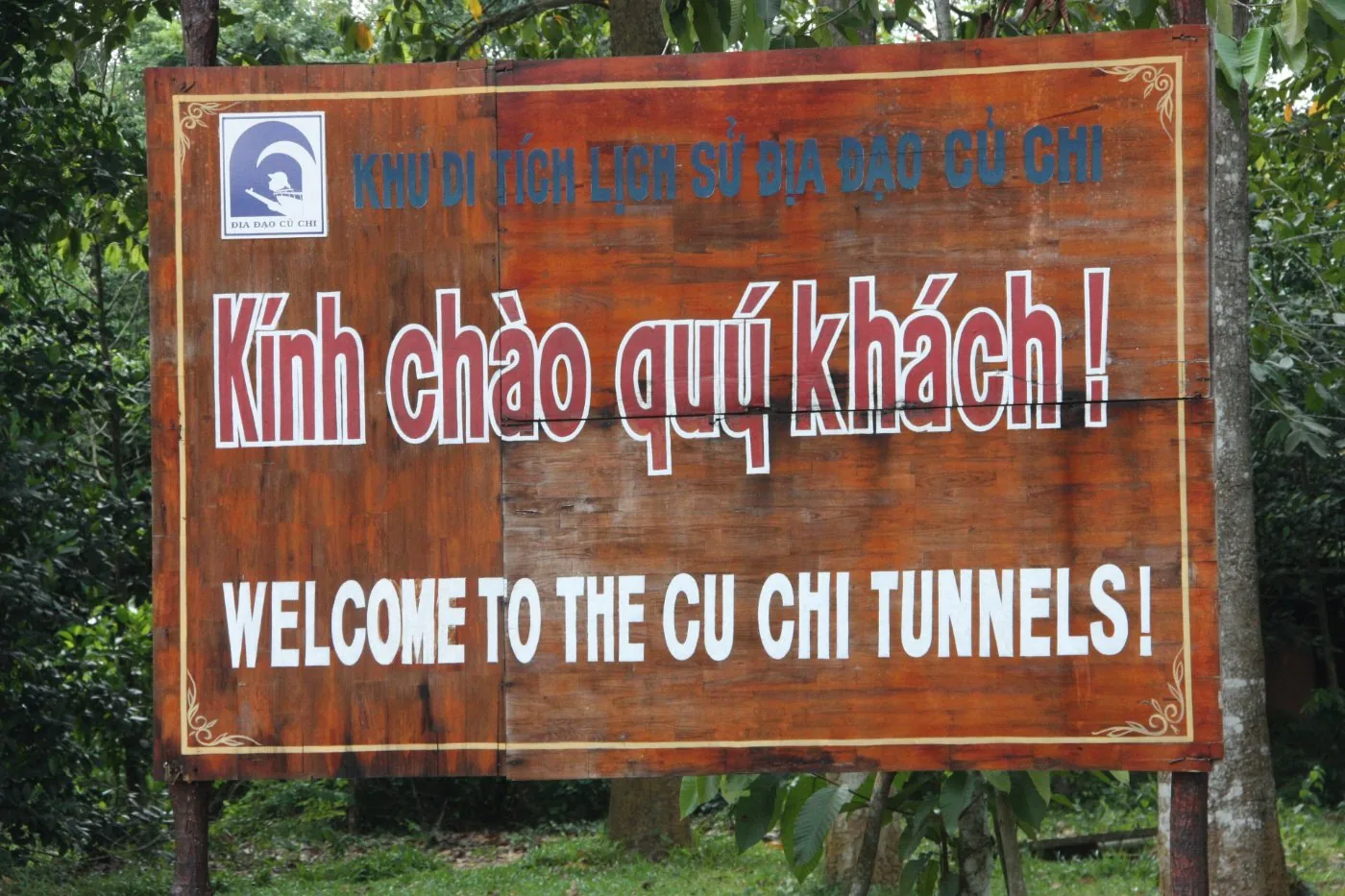
Cu Chi Tunnels
Cu Chi Tunnels Travel Guide
Meta description: A sprawling underground tunnel network on the outskirts of Ho Chi Minh City, offering a sobering, hands-on look at Vietnam's wartime history.
Why Visit Cu Chi Tunnels
Few sites in Vietnam offer as visceral and direct a connection to the country's wartime past as the Cu Chi Tunnels, an extraordinary network of underground passages that once stretched for over 250 kilometers beneath the countryside northwest of Saigon. Dug largely by hand over decades, first during the resistance against French colonial rule and then massively expanded during the war with the United States, the tunnels served as hiding places, supply routes, hospitals, and living quarters for guerrilla fighters and civilians, allowing them to operate directly under the noses of a vastly better-equipped opposing force.
Today, sections of the tunnel network have been preserved and, in some cases, widened for tourists to explore, alongside recreated bunkers, weapons displays, and stark reminders of the improvised booby traps once used throughout the area. It's a popular half-day or full-day trip from Ho Chi Minh City, and while parts of the experience lean into the theatrical, the underlying history and the sheer ingenuity of the tunnel system make it one of the most genuinely affecting historical sites in the country.
Quick Facts
- Location: Cu Chi District, about 40-70 km northwest of Ho Chi Minh City (two main sites: Ben Dinh and Ben Duoc)
- Ideal trip length: Half-day or full-day trip from Ho Chi Minh City
- Getting around: Organized tour, private car, or motorbike
- Known for: Underground tunnel network, Vietnam War history, guerrilla warfare tactics
Top Things to Do
Crawl through a section of the actual tunnels. Several stretches have been preserved and slightly enlarged to accommodate tourists, though they remain tight, hot, and genuinely claustrophobic, giving visitors a small but powerful sense of what fighters and civilians endured living and moving underground for extended periods.
Explore the reconstructed guerrilla base. Above ground, the site includes recreated living quarters, kitchens designed to disperse smoke and avoid detection, and workshops where fighters repurposed unexploded ordnance into weapons, all with English-speaking guides on hand to explain the ingenuity behind each element.
See the camouflaged trap door entrances. Some of the most memorable stops on a tunnel tour are the nearly invisible entrance points, disguised so effectively in the forest floor that guides often invite visitors to try spotting one themselves before revealing its location.
Visit the weapons and booby trap displays. A sobering but important part of the site's exhibits, showing the improvised traps used throughout the war, presented with historical context about the tactics both sides employed.
Try the shooting range (optional). For an additional fee, visitors can fire a variety of wartime-era rifles at a range on site, a popular but optional add-on that some travelers skip given the site's otherwise somber tone.
Local Food
Cu Chi District itself is largely agricultural, and while dedicated food tourism isn't the main draw, most tour visits include or pass by a stop serving simple local fare, often featuring boiled cassava with a sesame-salt dip, a food closely associated with the tunnels since it was a staple for fighters and civilians living underground during the war. Some tour operators build a tasting of this into the visit specifically for its historical resonance. For a fuller meal, most visitors eat back in Ho Chi Minh City before or after the trip, where the full range of Saigon's food scene, from street stalls to upscale restaurants, is readily available.
Best Time to Visit
Cu Chi can be visited year-round as a day trip from Ho Chi Minh City, though the dry season from December to April offers more comfortable conditions for a site that involves significant time outdoors and underground in warm, humid tunnels. The wet season from May to November brings afternoon rain showers that can make the forested grounds muddy, though tours generally continue regardless of weather. Visiting earlier in the day, before the heat and humidity peak and before the largest tour groups arrive, generally makes for a more comfortable and less crowded experience.
Where to Stay
Nearly all visitors treat Cu Chi as a day trip from Ho Chi Minh City rather than an overnight destination, given its proximity to the city and the relatively short time needed to see the main sites. Ho Chi Minh City itself offers accommodation for every budget, from backpacker hostels in the Pham Ngu Lao area to luxury hotels downtown, making it the natural base for a Cu Chi excursion combined with the city's other attractions.
How to Get There
The two main tunnel sites, Ben Dinh and Ben Duoc, sit roughly 40 to 70 kilometers northwest of central Ho Chi Minh City, reachable by organized tour bus, private car, or motorbike in about 1.5 to 2 hours depending on traffic and which site you're visiting. Countless tour operators in Ho Chi Minh City offer half-day and full-day packages that include transport, an English-speaking guide, and entrance fees, making this the most convenient option for most visitors, though independent travelers can also arrange their own transport and pay entrance fees directly at the site.
Final Thoughts
The Cu Chi Tunnels offer a uniquely tangible way to understand a pivotal chapter of Vietnam's history, moving beyond museum displays into the actual, physical conditions that shaped the war's outcome in this part of the country. Whether you crawl through a tunnel section yourself or simply walk the grounds taking in the reconstructed base and its exhibits, it's a powerful and highly worthwhile half-day addition to any visit to Ho Chi Minh City.