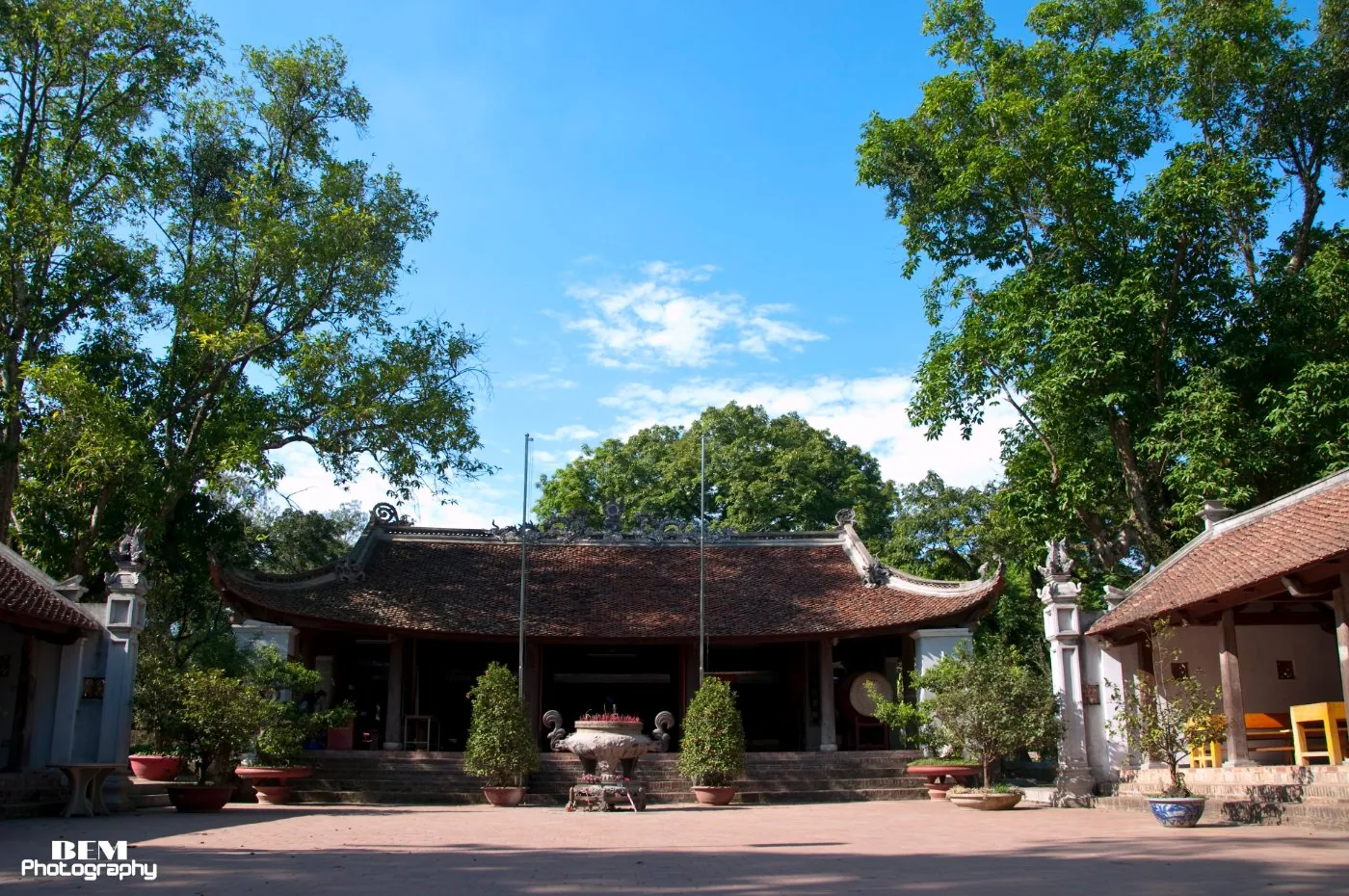
Duong Lam Ancient Village
Duong Lam Ancient Village Travel Guide
Meta description: Discover Duong Lam — a 1,200-year-old village of laterite stone houses and banyan-shaded lanes on Hanoi's outskirts, one of the best-preserved traditional villages in northern Vietnam.
Why Visit Duong Lam
Hanoi's Old Quarter gives a sense of the city's urban history, but for a look at traditional rural northern Vietnam, Duong Lam is the better stop, and it's close enough to the capital to visit in a single day. This village, roughly 1,200 years old by local reckoning, has preserved its distinctive laterite stone houses, communal wells, and narrow lanes to a degree that's increasingly rare near a major Vietnamese city, making it a genuinely worthwhile detour for travelers who want village life rather than another pagoda-and-market circuit.
Quick Facts
Duong Lam sits within Son Tay town, about 44 kilometers west of central Hanoi, making it an easy half-day or full-day trip from the capital. The village is built almost entirely from ong-da laterite stone, a reddish-brown volcanic rock quarried locally, which gives its houses, walls, and gates a distinctive weathered texture that ages differently from the brick and wood construction found elsewhere in the region.
Top Things to Do
Walking the village's narrow lanes, many still paved with the original stone, is the main activity, and it's genuinely worth doing slowly rather than rushing through on a tour bus schedule. Several centuries-old family homes remain occupied by descendants of the original builders and welcome visitors inside for a small fee or donation, offering a rare look at how these traditional houses actually function as lived-in homes rather than museum pieces.
Mia Pagoda, one of the village's oldest religious sites, houses an notable collection of ancient statues and is worth the short walk from the village center. The communal house (dinh) and several ancestral temples dedicated to Phung Hung and Ngo Quyen — two historical Vietnamese leaders born in Duong Lam — round out the village's cluster of historical sites, reflecting the area's disproportionate role in early Vietnamese history relative to its size.
Cycling is the ideal way to get around, and several homestays and cafes in the village rent bicycles by the hour or day, making it easy to cover the full extent of the village and its surrounding rice fields without needing a car.
Local Food
Duong Lam is known regionally for a few specific local products: che lam (a chewy ginger-and-rice sweet), tuong (a fermented soybean sauce made using traditional methods still practiced by some village households), and a range of simple rural northern Vietnamese dishes served at small family-run eateries within the village. Trying tuong made locally, rather than the mass-produced version sold in supermarkets, is a genuine point of local pride worth seeking out.
Best Time to Visit
The dry season, roughly October through April, offers the most comfortable weather for walking and cycling around the village. Visiting on a weekday rather than a weekend also makes a real difference here, since Duong Lam has become a popular day-trip destination for Hanoi residents and can get noticeably busier on weekends.
Where to Stay
Most visitors treat Duong Lam as a day trip from Hanoi given the short distance, but a small number of homestays within the village itself offer an overnight option for travelers who want to experience the village after the day-trip crowds have left. Son Tay town has more conventional hotel options for those who'd rather not stay directly in the historic village.
How to Get There
Duong Lam is reachable by bus from Hanoi's My Dinh station in about 1.5 to 2 hours, or more comfortably by private car or motorbike for those who'd rather set their own schedule. Many Hanoi-based tour operators also run day trips that combine Duong Lam with other nearby attractions west of the city.
Final Thoughts
Duong Lam offers something increasingly hard to find near a major Vietnamese city: a village that still functions as an actual community rather than a preserved-for-tourism facade, despite its growing popularity as a day trip. For travelers with a spare day in Hanoi who want a genuine change of pace from the city, it's one of the more rewarding and easily accessible options nearby.
Combining It With Other Sights Near Son Tay
Duong Lam sits close enough to a handful of other worthwhile stops west of Hanoi that it's easy to build into a fuller day trip rather than an isolated visit. Son Tay's old citadel, a Nguyen-dynasty fortification a short drive from the village, adds a different layer of history for travelers with extra time. Ba Vi National Park, further west, is another popular pairing for those willing to extend the day into a longer excursion combining village culture with a mountain hike.