Ha Long Bay
Published on January 02, 2026
Why Visit Ha Long Bay
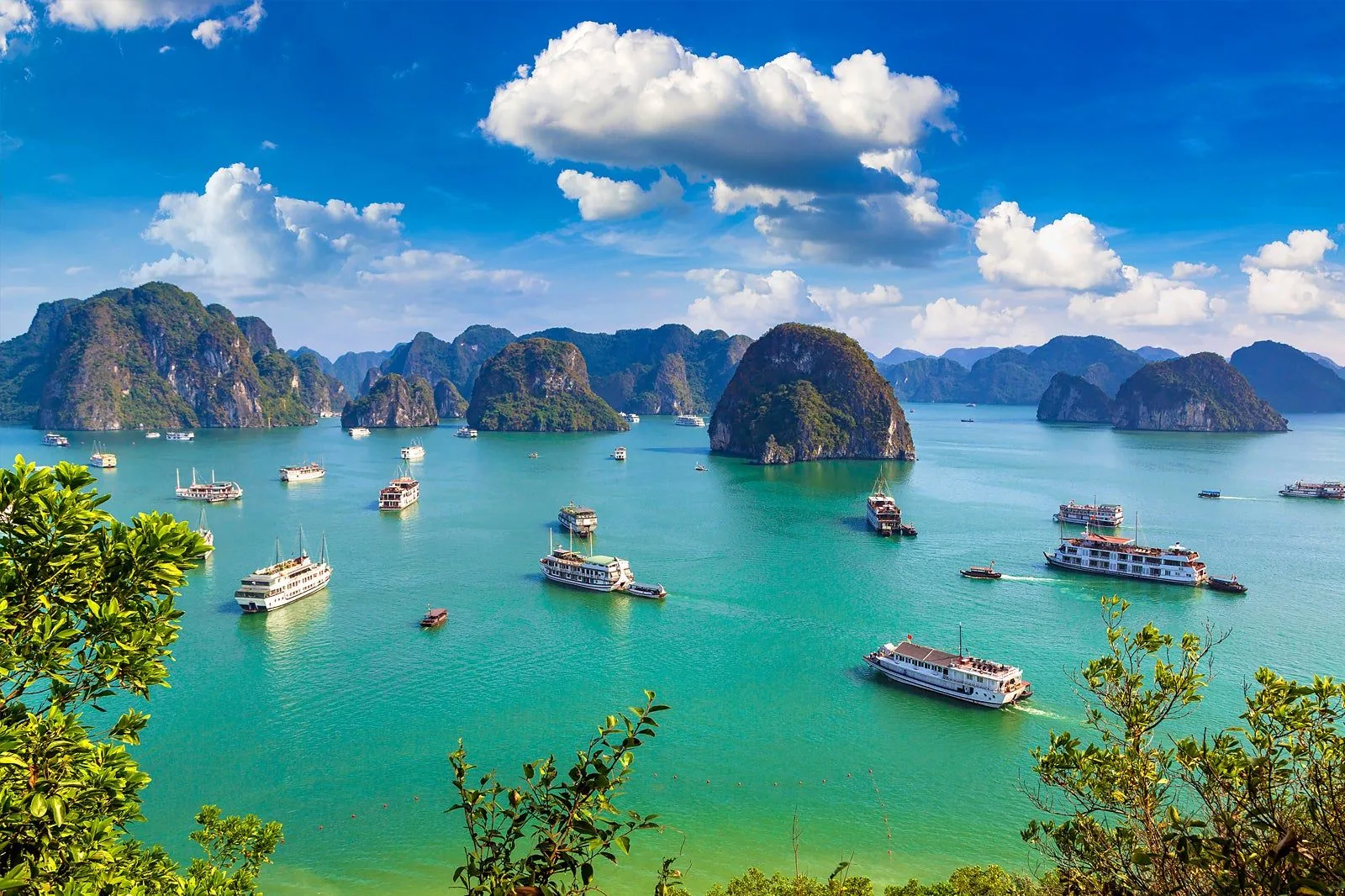
Ha Long Bay is Vietnam's single most recognizable image — a bay of 1,600 limestone karst islands rising from jade-green water in the Gulf of Tonkin. The formations, sculpted by 500 million years of geological activity and 20,000 years of rising sea levels, create an archipelago of improbable beauty. UNESCO recognized it twice: first in 1994 for its natural scenery, again in 2000 for its biodiversity and geological significance.
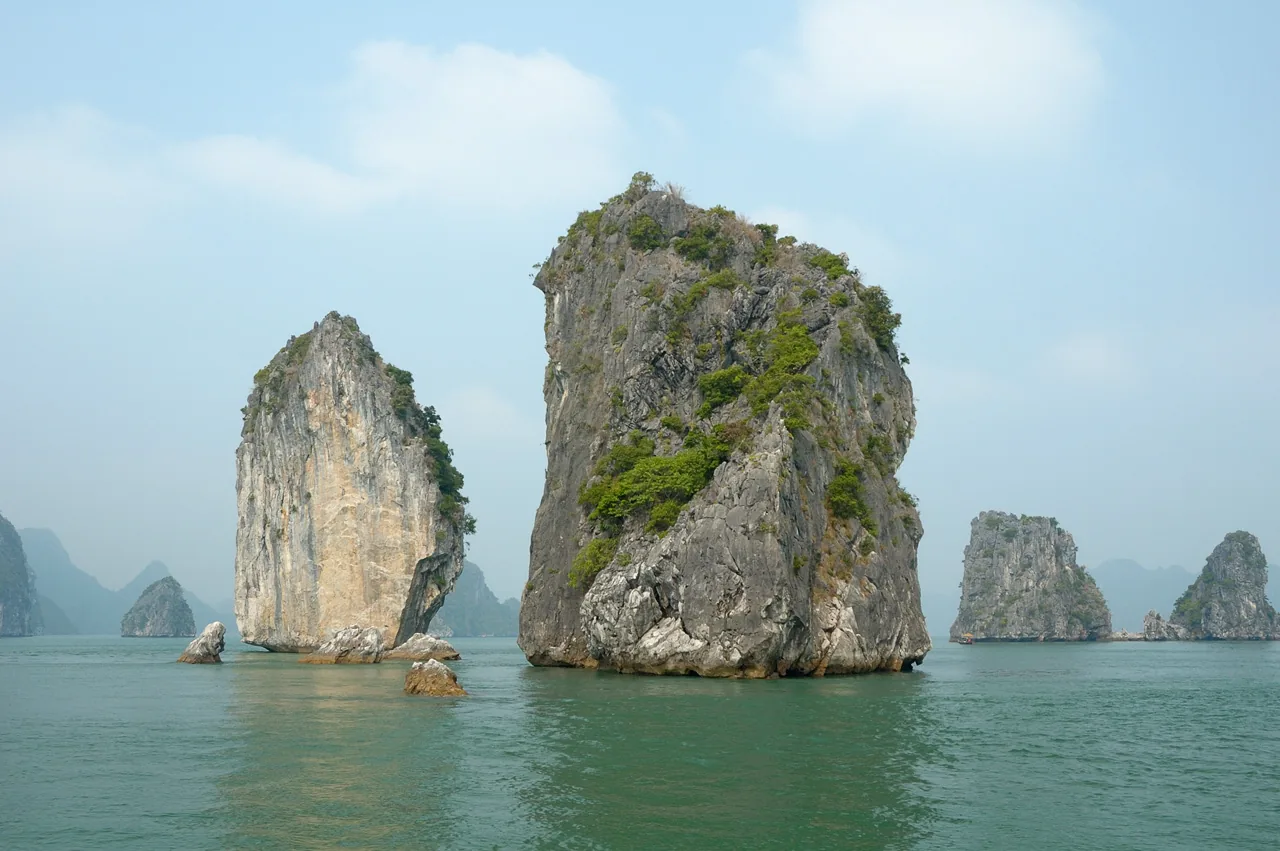
The bay stretches across 1,553 km2 of water and contains a genuine ecosystem — with caves large enough to hold villages, floating fishing communities that have lived on the water for generations, rare species of langur found only on the bay's islands, and a coral reef system that survived decades of overfishing and now shows signs of recovery. A Ha Long Bay cruise is one of the defining Southeast Asia travel experiences, and for good reason.
Quick Facts
- Location: Quang Ninh Province, northeastern Vietnam, 170 km from Hanoi
- Best time to visit: October to April (clearer skies, calmer seas)
- Recommended stay: 2-night cruise minimum; 3 nights ideal
- Daily budget: Budget cruise $80–120/night | Mid $150–250/night | Luxury $300+/night
- UNESCO status: World Heritage Site since 1994
Top Things to Do
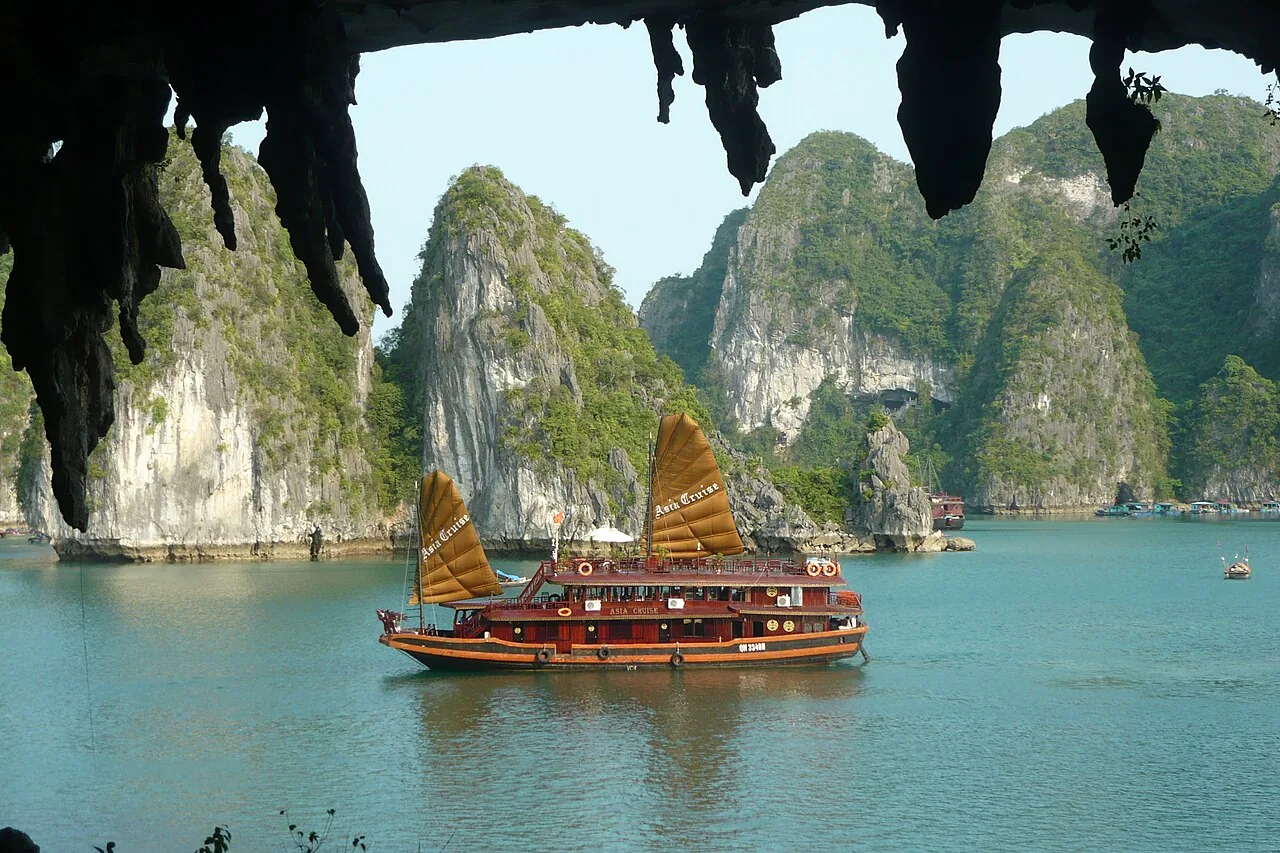
1. Overnight Cruise
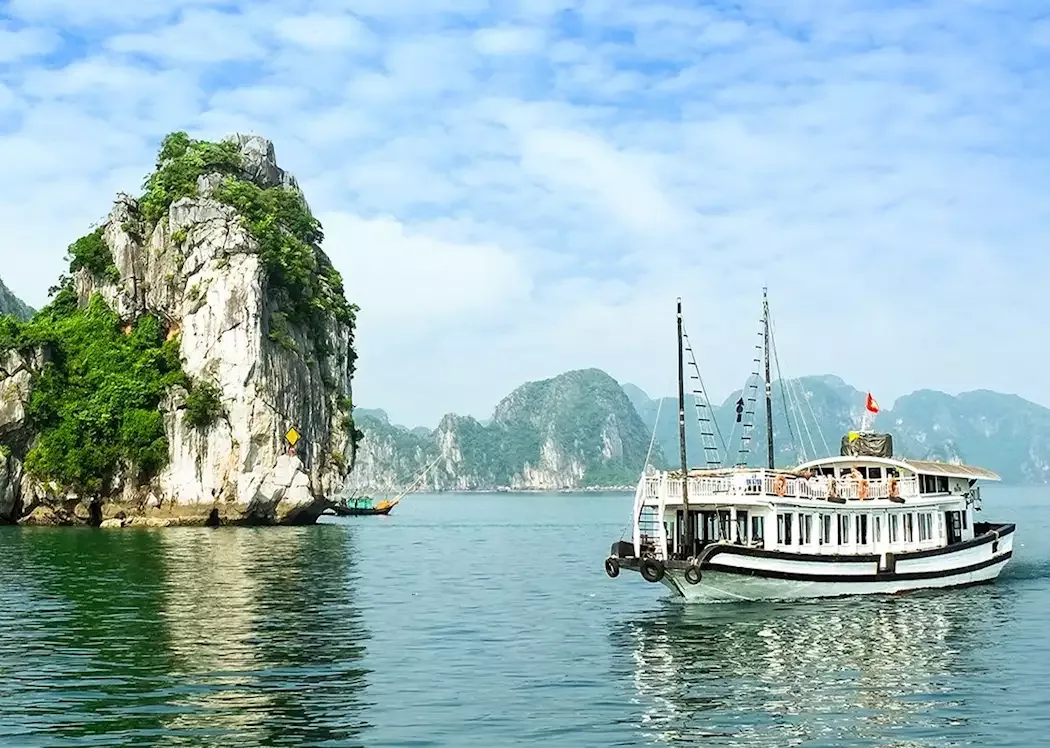
The only way to properly experience the bay is from the water, ideally over two or more nights. Junk boats and modern cruise vessels navigate between limestone towers at dawn, stopping for kayaking, cave visits, and floating village encounters. The best cruises include Halong Violet Cruises, Paradise Elegance, and Indochina Junk. Tip: Always book directly with the cruise operator or a reputable agent — the cheapest tours often cut corners on safety and environmental standards.
2. Sung Sot Cave (Surprise Cave)
The most impressive of the bay's accessible caves — a 10,000 m2 cavern of stalactites, flowstone pillars, and cathedral-height chambers, home to a small pagoda and illuminated formations. Tip: Crowds peak at 10am–1pm; ask your cruise to time the visit for early morning.
3. Kayaking Through Arches and Lagoons
Many limestone formations contain hidden lagoons accessible only by kayak through low sea arches. Ti Top Island and Luon Cave lagoon are the most popular — paddle through darkness into a circular bay entirely enclosed by karst walls. Duration: 1–2 hours.
4. Ti Top Island and Summit Hike
A small island with a sandy beach and a 400-step staircase to a viewpoint over the surrounding karst landscape. The view from the summit — limestone towers receding into mist in every direction — is one of Ha Long's most photographed scenes. Duration: 1.5 hours.
5. Fishing Village Visit (Vung Vieng or Cua Van)
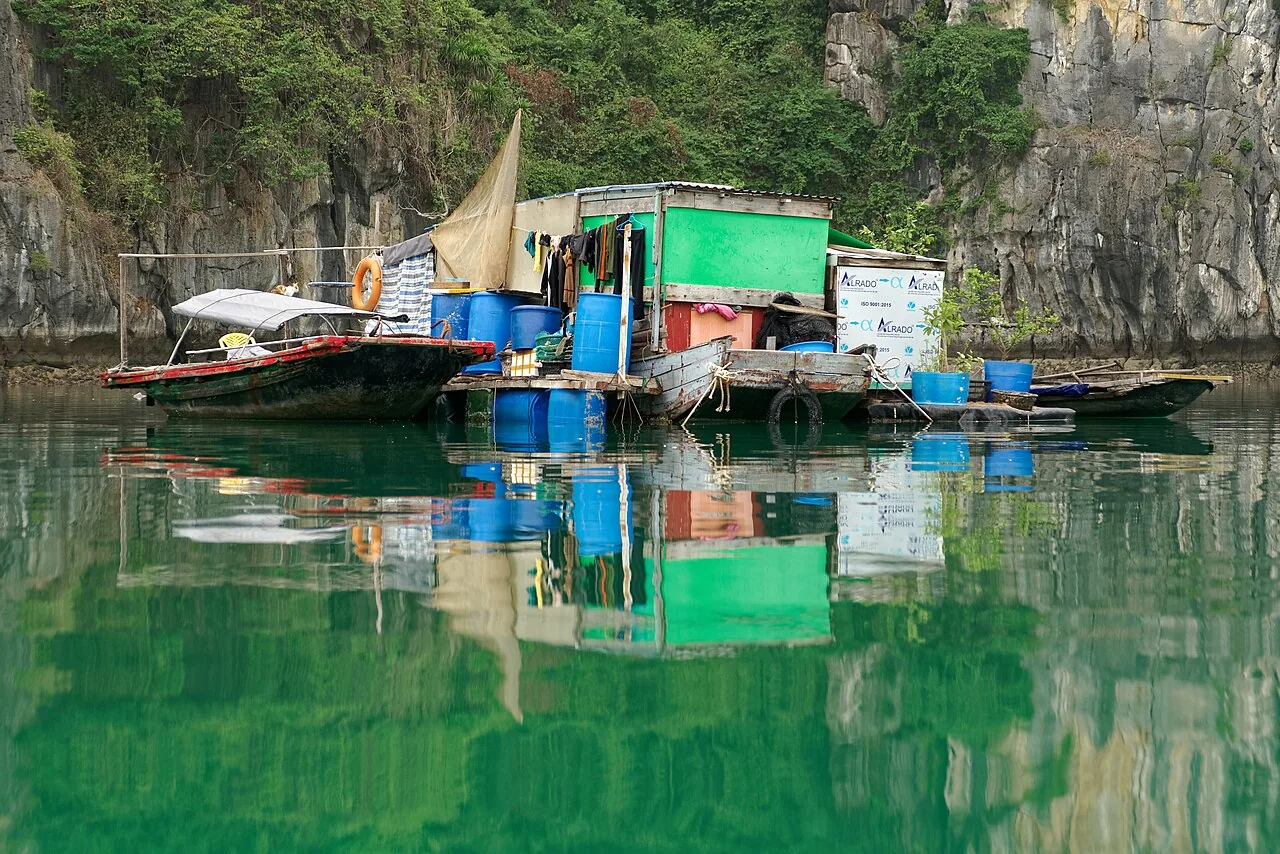
Ha Long's floating fishing villages — inhabited for centuries by families who live, cook, and raise children entirely on the water — are accessible by rowboat from most cruises. The communities are genuinely inhabited, not staged. Tip: Purchase fish directly from fishing families; the money goes directly to the community.
6. Cap La Island Kayaking
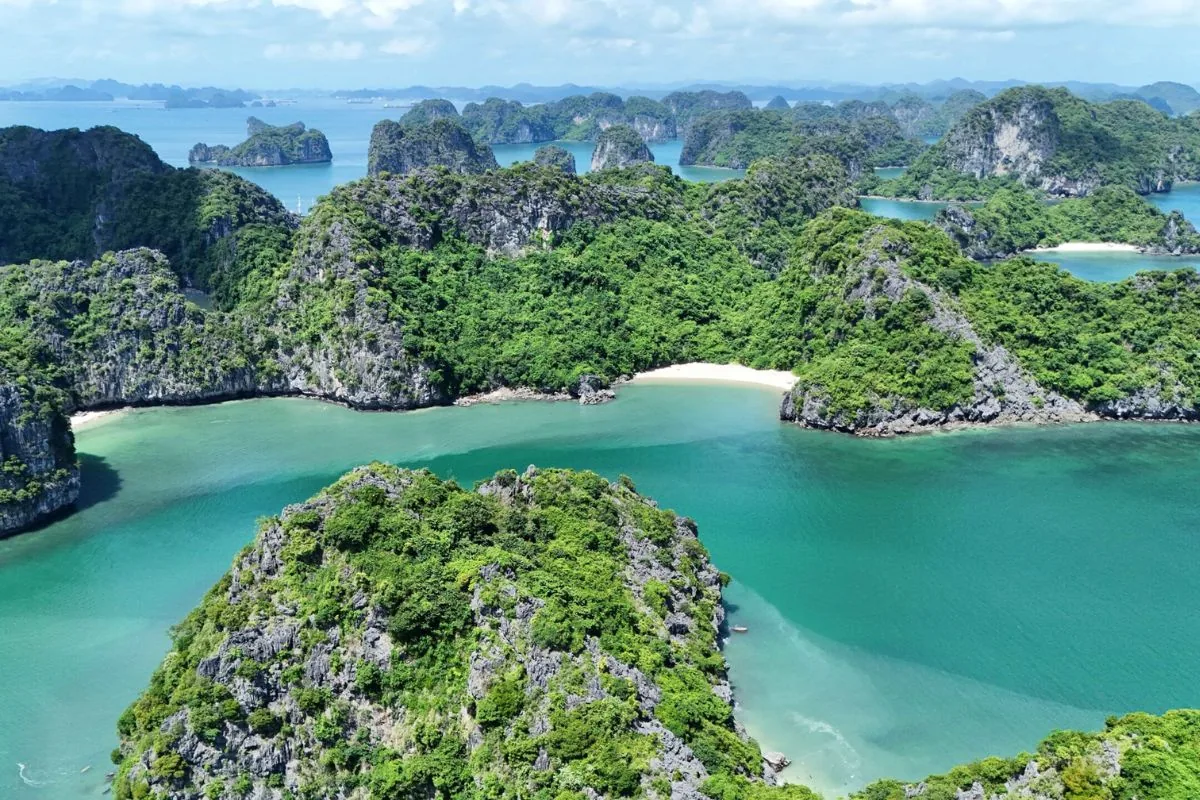
In the quieter Bai Tu Long Bay section (adjacent to Ha Long), Cap La offers mangrove paddling, deserted beaches, and far fewer vessels than the main bay. Available on longer or premium itineraries.
7. Watching Sunrise from the Deck
Ha Long Bay at dawn — mist rising from the water between limestone towers, the first light touching the karst peaks — is among the most atmospheric moments in Vietnamese travel. Most cruise operators wake guests for sunrise.
8. Squid Fishing at Night
Many cruises offer squid fishing over the side of the boat after dinner, using bright lanterns to attract squid to the surface. The catch is often cooked immediately by the ship's chef. Duration: 1–2 hours.
Local Food
Ha Long Bay's culinary identity is defined by the sea. Cruises serve outstanding fresh seafood — steamed crab, sauteed clams, grilled prawns, grouper in ginger — caught by fishing villages in the bay. On land in Ha Long City, the Tuan Chau market is the best source of fresh seafood restaurants. Cha Muc (squid cake) is the bay's most distinctive local specialty — minced squid mixed with spices and deep-fried. Available on virtually every cruise and at Ha Long City seafood restaurants.
Best Time to Visit
October–April: The dry season. October–December offers clear skies and moderate temperatures (18–25°C). January–March can bring drizzle and cooler temperatures but the mist creates extraordinary photographic conditions. April brings warming temperatures and good visibility.
May–September: Hot and humid with afternoon thunderstorms. Typhoon season (June–September) can close the bay entirely — always check weather forecasts and have cancellation insurance.
Where to Stay
Most visitors stay aboard cruise ships. In Ha Long City, Vinpearl Ha Long Bay Resort and FLC Ha Long Bay Golf Club & Luxury Resort are the established luxury options. For budget travelers, Bai Chay area near the main pier has numerous mid-range hotels from $30–60/night.
How to Get There
From Hanoi by bus: Most cruises include Hanoi pickup; shared tourist bus takes 3–3.5 hours from the Old Quarter. Independent buses run from My Dinh and Gia Lam stations to Ha Long City.
From Hanoi by seaplane: Hai Au Aviation operates scenic seaplane transfers to the bay (90 minutes, landing on the water — expensive but extraordinary).
From Hanoi by private car: 3 hours via the expressway; many cruise operators arrange transfers.
Suggested Itineraries
2 Days / 1 Night
Basic cruise covering Sung Sot Cave, Ti Top Island, kayaking, floating village, and sunrise.
3 Days / 2 Nights
Extended itinerary adding Cap La lagoon, deeper cave systems, cooking classes aboard, and more secluded anchorages.
4 Days / 3 Nights
Combines Ha Long and Bai Tu Long Bay for the complete archipelago experience.
Culture and History
Ha Long ("Descending Dragon") takes its name from a legend that a family of dragons sent by the gods descended into the bay to protect Vietnam from invaders, their bodies and tail thrashes creating the limestone formations. The bay has been continuously inhabited — by fishing communities living on floating villages — for at least 200 years, and possibly far longer. Archaeological sites on the islands show evidence of human presence dating back 18,000 years. The bay's ecological health has improved significantly since strict regulations on fishing and boat numbers were introduced in the 2010s.
Travel Tips
- Cruise selection: Research carefully. Boat quality, food, and itinerary vary enormously. Read TripAdvisor and Lonely Planet forums; the $80 one-night tours are rarely worth it.
- Seasickness: The bay is generally calm, but small boats in open water can pitch. Pack medication if susceptible.
- Bargaining: Not applicable on cruises; firm prices. Bargain at floating village souvenir stalls.
- Environment: Choose operators that use marine-friendly sunscreen, avoid anchoring on reefs, and participate in bay clean-up programs.
Frequently Asked Questions
Is Ha Long Bay worth the hype? Yes, for most travelers — the landscape is genuinely extraordinary and the overnight cruise format is unlike other travel experiences. Expectations of total seclusion are unrealistic; the bay is busy with boats.
How do I avoid the crowds? Choose Bai Tu Long Bay itineraries, travel October–November or February–April, and book cruises that anchor away from the main cave clusters.
Can I do Ha Long Bay as a day trip? Technically yes, but strongly not recommended — a day trip misses the dawn and dusk light, the floating villages, and the kayaking opportunities that define the experience.
Choosing the Right Cruise
Cruise quality varies enormously at every price point, and this is the single decision that makes or breaks a Ha Long Bay trip.
- Budget ($80–120/night): Shared cabins or basic private rooms on older wooden junks. Itineraries are fixed and crowded — expect to share cave and kayak stops with several other boats at once. Fine for a quick taste of the bay, but skip if you're prone to seasickness or want a quiet trip.
- Mid-range ($150–250/night): Better-maintained boats, private balconies, more varied itineraries, and smaller groups (20–30 guests). This tier is where most first-time visitors land, and it's usually enough to get uncrowded kayaking and a genuinely restful night on the water.
- Luxury ($300+/night): Boutique vessels with 10–20 cabins, private itineraries that avoid the main tourist routes, on-board spas, and menus built around fresh local seafood. Worth it for anniversaries or if crowds are a dealbreaker.
Whatever the tier, check three things before booking: how many passengers the boat carries, whether the itinerary visits Bai Tu Long Bay (quieter) or sticks to the main Ha Long routes (busier), and the cancellation policy — bad weather cancellations are common outside the dry season.
Sustainability Note
Ha Long Bay's popularity has real costs: plastic waste washing up on beaches, diesel exhaust from hundreds of daily boats, and coral damage from anchoring and careless snorkeling. Choosing operators that have signed on to local clean-bay initiatives, avoiding single-use plastic on board, and never touching or standing on coral all make a difference. The bay's ecosystem is resilient but not infinite — the same overfishing that nearly wiped out its reefs in the 1990s and 2000s is a reminder of how quickly damage can happen.
Final Thoughts
Ha Long Bay earns its reputation. The combination of limestone karst grandeur, open water, cave exploration, and floating community culture creates a travel experience that cannot be replicated elsewhere in the world. Go for at least two nights, choose your cruise carefully, and let the morning mist do the rest.
Planning your trip: See our Bai Tu Long Bay cruise for a quieter alternative, and Vietnam by Train for getting between destinations.