Hanoi Old Quarter
Published on May 28, 2026
Why Visit Hanoi Old Quarter
Hanoi is not a city that reveals itself quickly. Its Old Quarter — a dense grid of narrow streets in the heart of the capital — has been a center of commerce and craft for over a thousand years, and it still operates with a rhythm shaped by centuries of trade rather than modern urban planning. This is where guilds of silk weavers, paper makers, tin smiths, and herbalists once clustered by street, and where traces of that specialization still survive.
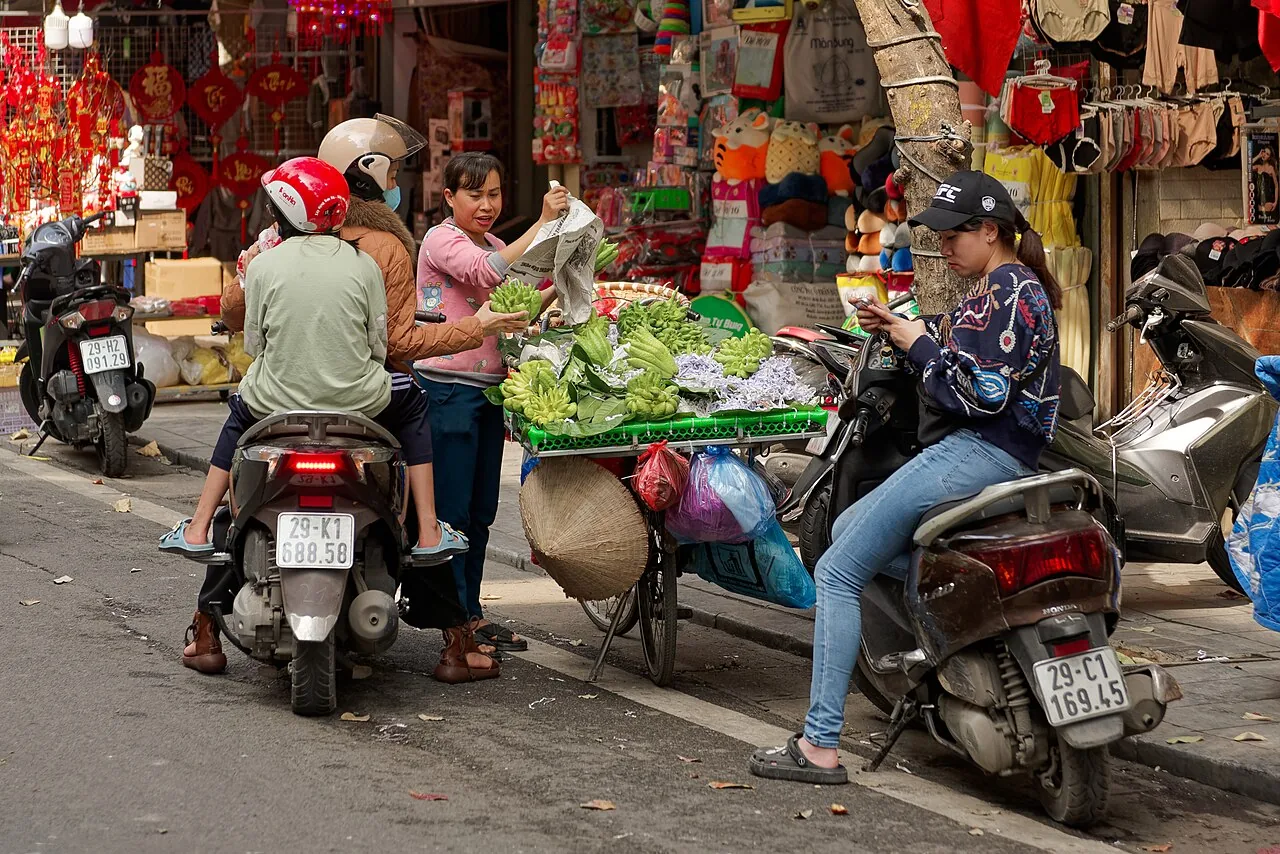
What makes Hanoi's Old Quarter different from other historic Asian neighborhoods is its uninterrupted occupation. Unlike preserved ghost towns or restored heritage zones, this quarter is fully alive — a residential and commercial district where families live above their workshops, motorbikes outnumber cars, and the street food changes with the hour. The architecture layers French colonial facades over Chinese merchant houses over Vietnamese tube structures, creating a streetscape unlike anywhere else in Southeast Asia.
For international travelers, Hanoi Old Quarter serves as both destination and gateway. Hoan Kiem Lake sits at its edge, the Temple of Literature is a short ride away, and the city's best coffee culture, craft beer scene, and street food are all within walking distance.
Quick Facts
- Location: Hoan Kiem District, central Hanoi, northern Vietnam
- Best time to visit: October to April (cooler, drier weather)
- Recommended stay: 3–4 days in Hanoi; the Old Quarter deserves at least 2 full days
- Daily budget: Budget $25–45 | Mid-range $55–100 | Luxury $120+
- Currency: Vietnamese Dong (VND)
Top Things to Do in Hanoi Old Quarter
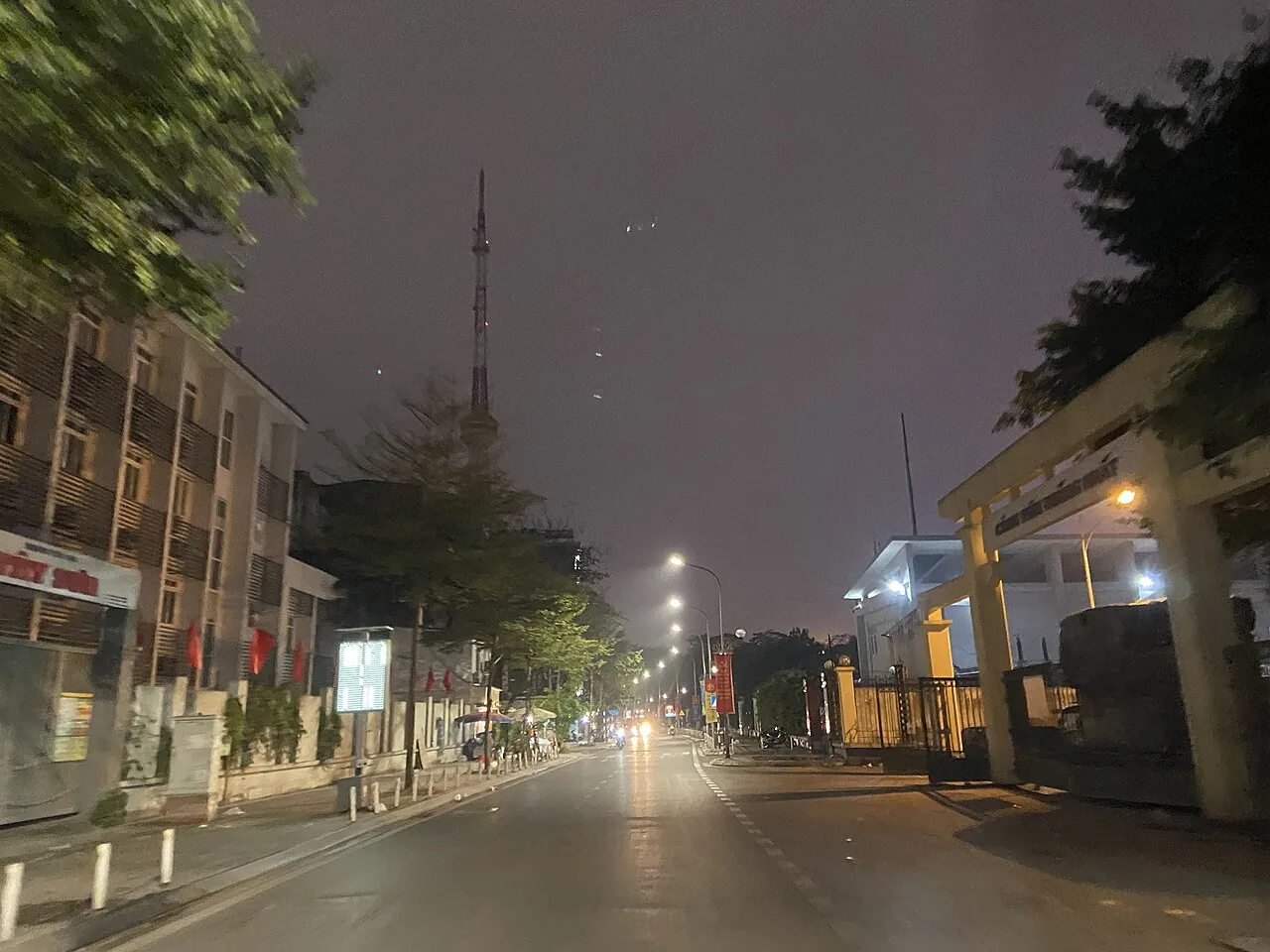
1. Walk the 36 Streets
The Old Quarter's nickname — "36 Streets" — refers to the historic guild streets, each once dedicated to a specific trade. Hang Gai (Silk Street), Hang Bac (Silver Street), and Hang Ma (Paper Votive Street) retain traces of their original specializations. A morning walk through the grid, without a map or agenda, is the single best introduction to the quarter. Duration: 2–3 hours. Tip: Start at Dong Xuan Market and work south toward Hoan Kiem Lake.
2. Hoan Kiem Lake and Ngoc Son Temple
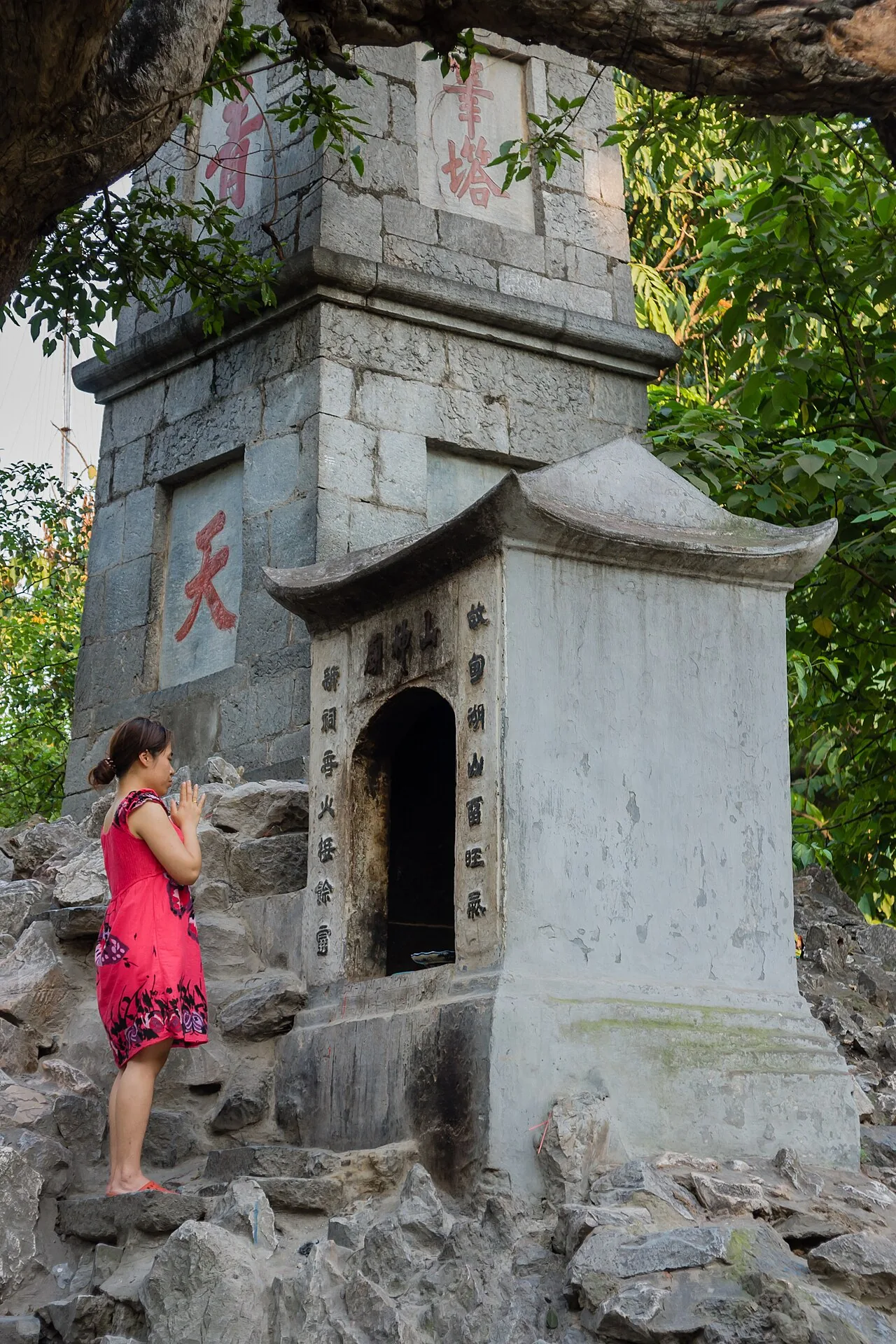
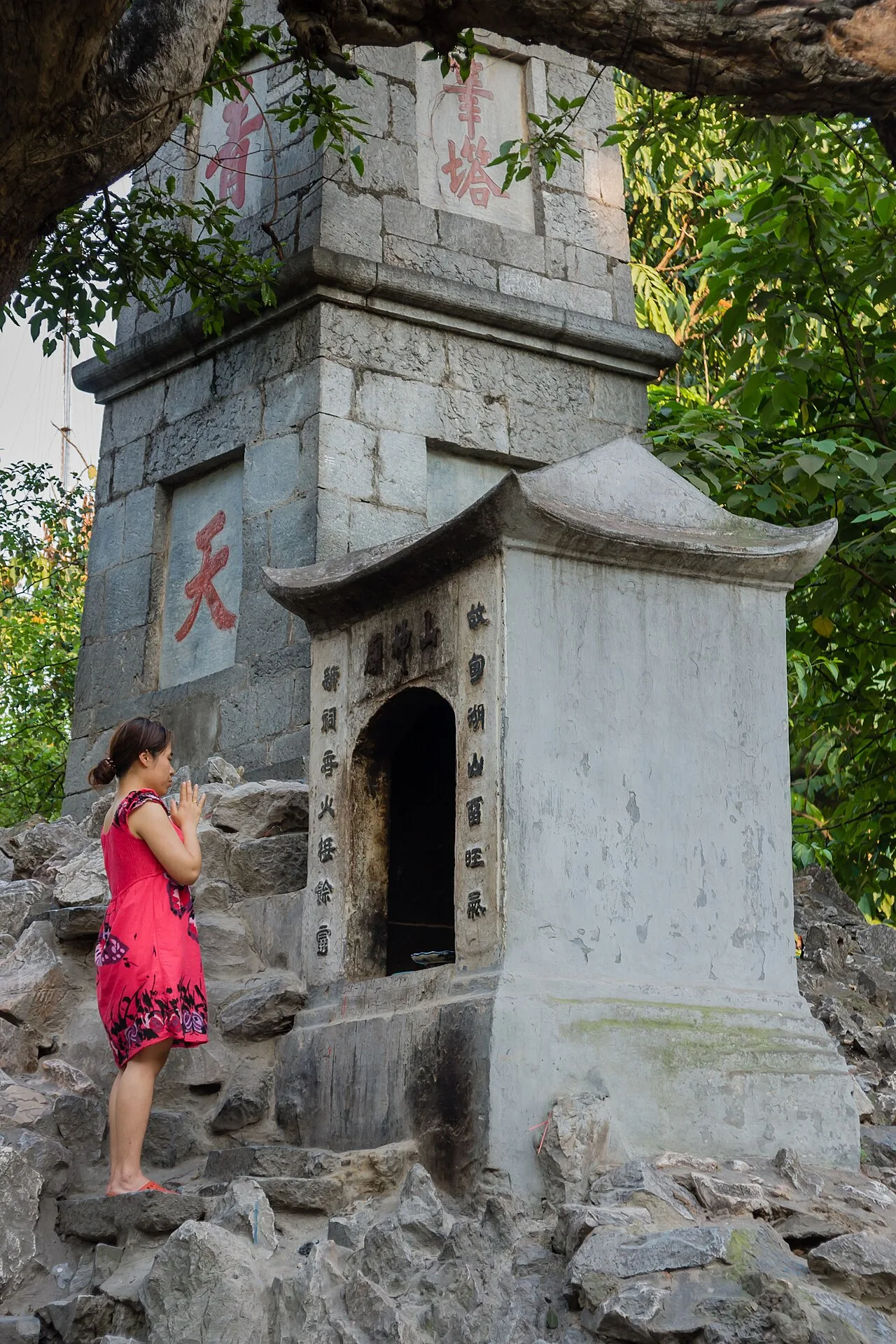
The Lake of the Restored Sword sits at the quarter's southern boundary, its green waters reflecting the red Huc Bridge and the small island temple of Ngoc Son. The legend attached to the lake — that Emperor Le Loi returned a magical sword to a golden turtle here in the 15th century — is part of Vietnam's foundational mythology. Morning walks around the lake offer a window into Hanoi's daily life: tai chi groups, shuttlecock games, retirees playing chess. Duration: 1–2 hours. Tip: Cross the Huc Bridge to Ngoc Son Temple (30,000 VND entry); the lake walk is free.
3. St. Joseph's Cathedral
Built in 1886 in neo-Gothic style, the cathedral sits at the edge of the Old Quarter near Hoan Kiem Lake. Its twin towers loom over a small square popular with young Hanoians in the evenings. The interior is relatively spare but the exterior — particularly lit at night — is dramatic. Duration: 30–45 minutes. Tip: Open for visitors outside of mass times; the surrounding streets have excellent egg coffee cafes.
4. Dong Xuan Market
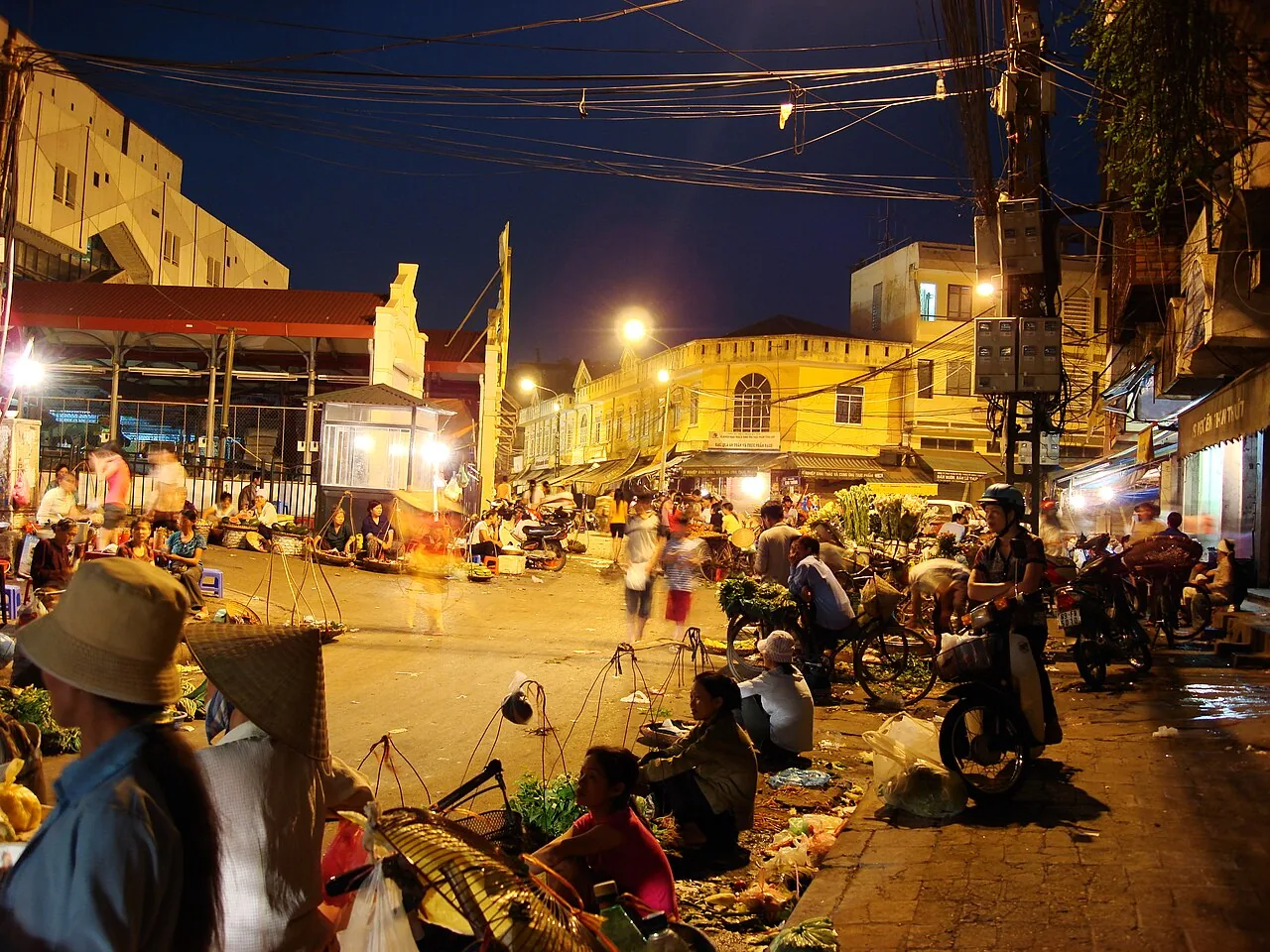
Hanoi's oldest and largest covered market, built in 1889, spreads across three floors of wholesale goods — fabric, clothing, dried foods, kitchenware, and hardware. The ground floor is accessible and photogenic; the upper floors supply local traders. The surrounding streets on weekend nights become a pedestrian night market. Duration: 1–2 hours. Tip: Bargain firmly; opening prices for tourists are typically doubled.
5. Egg Coffee (Ca Phe Trung)
Hanoi invented egg coffee — a thick, custard-like beverage made from whisked egg yolk, condensed milk, and strong Vietnamese coffee. It was created in 1946 by Nguyen Giang as a substitute for scarce milk. The original cafe, Giang Cafe, still operates on a narrow alley off Hang Gai. Order it hot, sit on a small wooden stool, and give yourself time. Duration: 30–45 minutes. Tip: Also try ca phe muoi (salt coffee) and ca phe trung da (iced version) at Giang or Dinh Cafe.
6. Bia Hoi Culture
Hanoi's sidewalk draft beer culture — bia hoi — is unique in the world. Fresh-brewed light lager is delivered daily, sold for 5,000–10,000 VND a glass, and consumed on tiny plastic stools at street corners. The most concentrated cluster is Bia Hoi Junction (corner of Ta Hien and Luong Ngoc Quyen), which fills with a mixture of locals and travelers from about 5pm. Duration: 1–3 hours. Tip: Order the accompanying snacks — fried tofu, peanuts, spring rolls — which pair well and are cheap.
7. Hoa Lo Prison (Hanoi Hilton)
Built by the French in 1896 as a detention center for Vietnamese political prisoners, later used to hold American POWs during the Vietnam War. The museum's two halves tell very different stories — the French colonial brutality documented in the first half is rarely questioned; the wartime section presents events through a particular Vietnamese lens that invites reflection. Duration: 1–1.5 hours. Tip: Audio guides available for rent; the original guillotine is on display.
8. Temple of Literature (Van Mieu)
Hanoi's first university, founded in 1070 and dedicated to Confucius, sits a short ride from the Old Quarter. Five courtyards lead through ceremonial gates to the main sanctuary, where stone steles mounted on tortoise backs record the names of doctoral graduates from 1484 onward. The architecture and garden design represent the finest surviving example of Vietnamese imperial architecture outside Hue. Duration: 1.5–2 hours. Tip: 30,000 VND entry; visit in the morning before tour buses arrive.
9. Vietnamese Street Food Tour
Hanoi's street food is distinct from the rest of Vietnam — heavier, savory, deeply influenced by northern ingredients and Chinese techniques. A good food tour covers pho bo (beef pho, lighter and cleaner than southern versions), bun cha (grilled pork patties in herb broth), banh cuon (steamed rice rolls), and chao suon (pork rib porridge). Several operators run 3-hour evening tours. Duration: 3 hours. Tip: Hanoi Street Food Tours and Hanoi Kids (a free service run by local students) both offer excellent experiences.
10. Ho Chi Minh Mausoleum Complex
A short distance from the Old Quarter, the mausoleum complex includes the preserved remains of Ho Chi Minh, his stilt house, the Presidential Palace, and the One Pillar Pagoda — all within a large, tree-lined grounds. Dress modestly and expect queues at the mausoleum itself; photography is restricted inside. Duration: 2–3 hours for the full complex. Tip: The mausoleum is closed on Mondays, Fridays, and during a two-month annual maintenance period (usually September–October); check opening dates before going.
Local Food and Specialties
Pho Bo: Hanoi's pho is the benchmark. The broth is clear, deeply spiced with star anise and cinnamon, and served with thinly sliced raw beef that cooks in the hot liquid. Find it at Pho Gia Truyen on Bat Dan Street — open from 6am until sold out, typically by 9:30am.
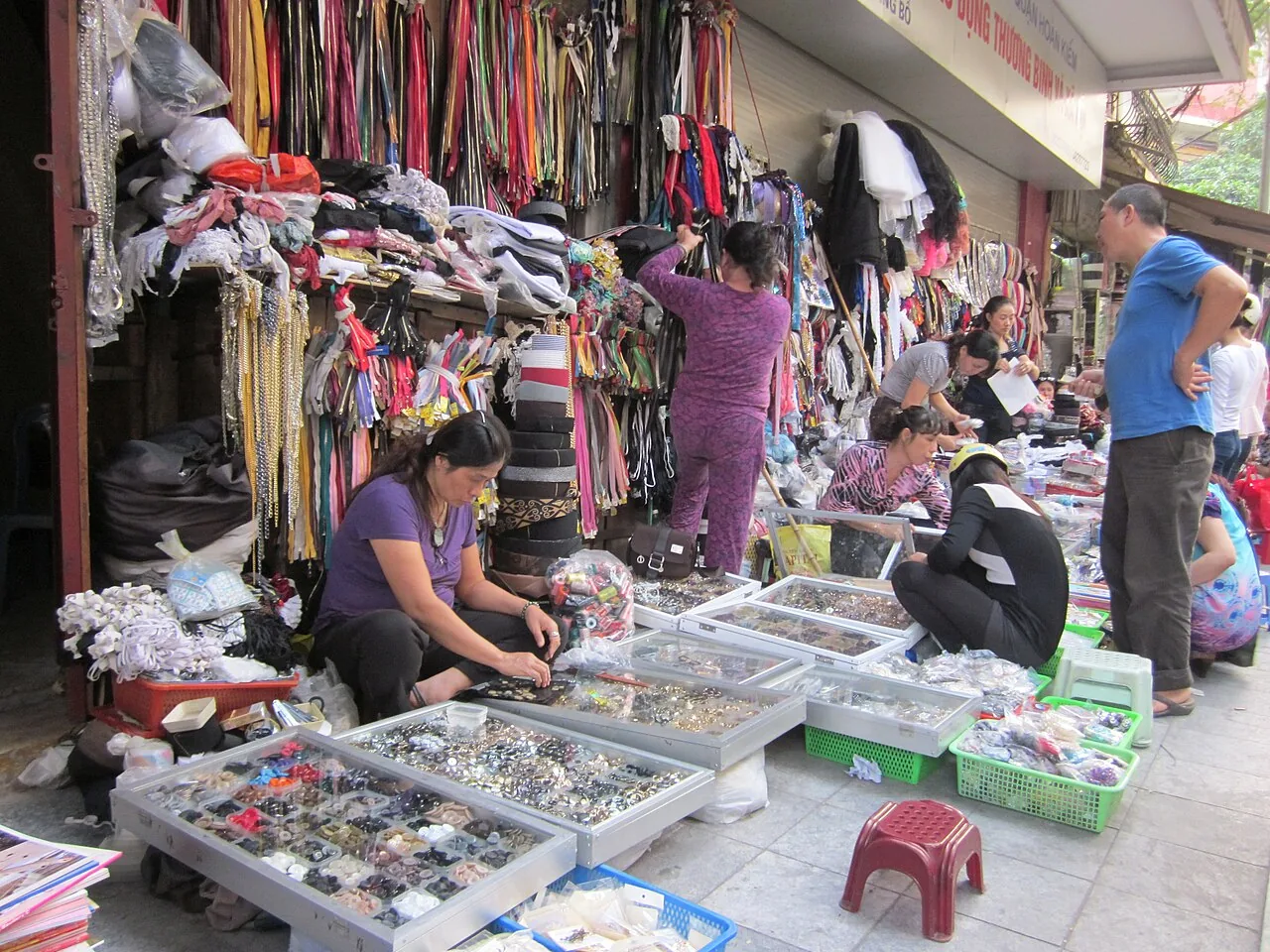
Bun Cha: Char-grilled pork patties and sliced belly served in a light dipping broth with vermicelli noodles and fresh herbs. Anthony Bourdain and Barack Obama ate it together at Bun Cha Huong Lien. The dish is Hanoi-specific — you will not find its equal in the south.
Banh Mi Hoi An vs. Hanoi: Hanoi's banh mi is less stuffed but often better bread — a crustier baguette served with pate, cucumber, and spring onion. Try it on Ly Quoc Su Street near the cathedral.
Bun Thang: A delicate noodle soup built from chicken broth, vermicelli, shredded chicken, pork floss, egg ribbons, and dried shrimp. Considered a celebration dish, rarely found outside Hanoi.
Cha Ca La Vong: Turmeric-marinated catfish fried tableside in oil with dill and spring onion, served over vermicelli. The dish has its own street (Cha Ca Street) and its own museum. One of Vietnam's most distinctive dining experiences.
Best Time to Visit Hanoi
October–December: The most comfortable months. Temperatures 18–26°C, low humidity, and clear skies. October and November are particularly pleasant; December becomes cool in the evenings.
January–March: Cool and occasionally drizzly, with temperatures sometimes dropping to 12–15°C at night — bring a layer. Tet (Lunar New Year, usually late January or February) sees much of the city shut down for several days, though the atmosphere is extraordinary.
April–May: Warming up but not yet oppressive. Good compromise between weather and crowds.
June–September: Hot (35–38°C), humid, and subject to typhoon-related rain. Not recommended unless tolerable heat is acceptable.
Where to Stay in Hanoi
Budget (under $30/night): Hanoi Hostel and Hanoi Backpackers Hostel Downtown are well-managed, centrally located options with social atmospheres.
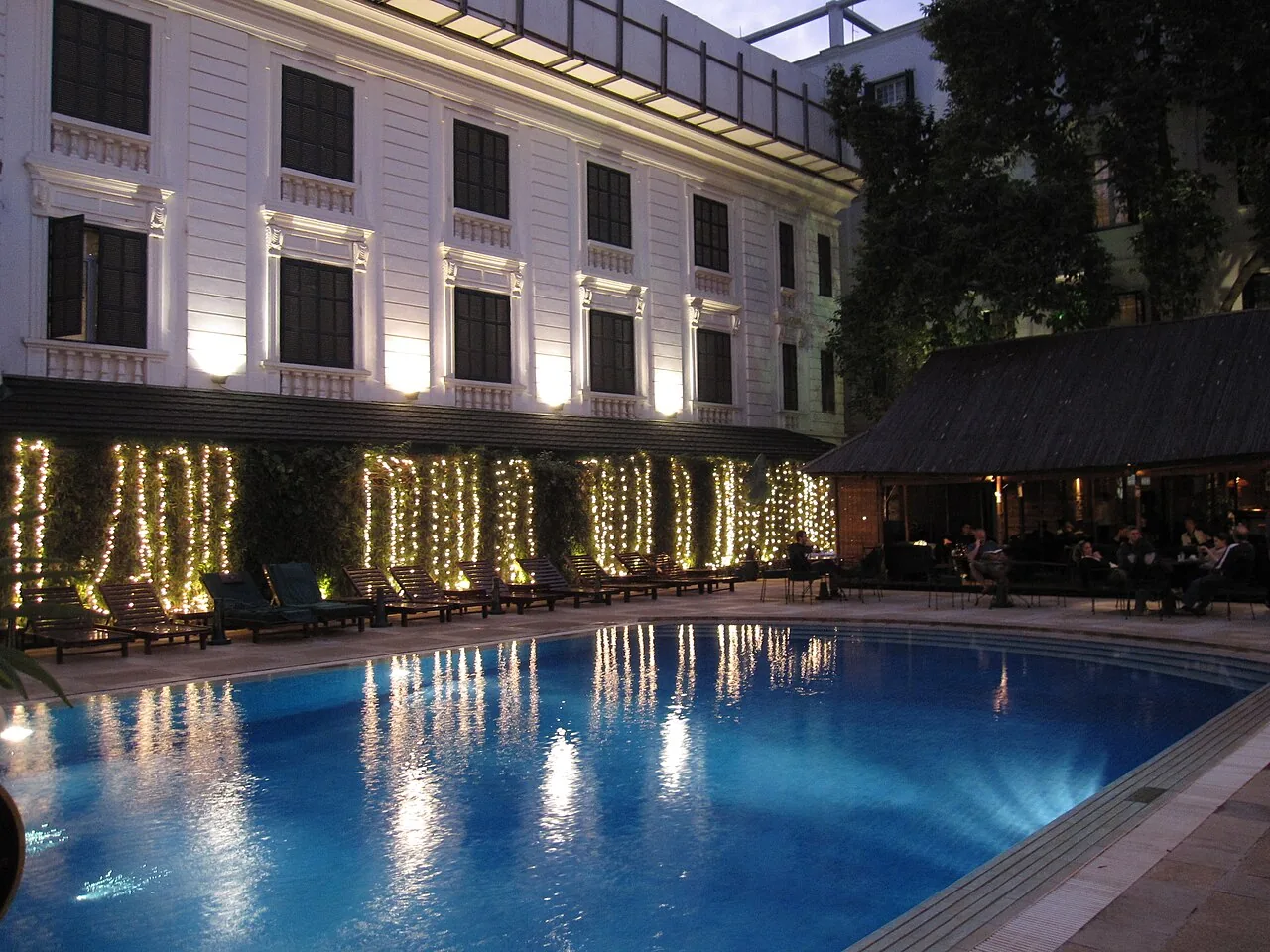
Mid-range ($50–110/night): La Siesta Premium Hang Be and Essence Hanoi Hotel both deliver boutique character in the Old Quarter. Silk Path Hotel is comfortable and well-located near Hoan Kiem.
Luxury ($120+/night): Sofitel Legend Metropole Hanoi, a French colonial landmark in operation since 1901, is one of Asia's great hotels. The Capella Hanoi, opened in 2021, offers a more contemporary luxury experience.
Recommended area: Stay within the Old Quarter itself for atmosphere and convenience. The streets between Hoan Kiem Lake and Dong Xuan Market are quietest at night while still being central.
How to Get to Hanoi
By air: Noi Bai International Airport is 35 km north of the city. Direct international flights from most major Asian hubs plus some European connections. Airport bus (86): 45 minutes, 35,000 VND. Grab taxi: approximately 250,000–300,000 VND (45 minutes).
By train: Hanoi Railway Station (Ga Ha Noi) connects to Ho Chi Minh City (31–36 hours on the Reunification Express), Da Nang (14–16 hours), Hue (13–14 hours), and Sapa (overnight sleeper to Lao Cai).
By bus: Hanoi has three main long-distance bus stations serving different directions. My Dinh station handles routes northwest to Sapa and Dien Bien Phu; Luong Yen and Giap Bat handle central and southern routes.
From Ho Chi Minh City: 2 hours by plane, 31+ hours by train, not practical by bus for most travelers.
Suggested Itineraries
1 Day
Morning: Hoan Kiem Lake sunrise, Ngoc Son Temple, coffee at Giang Cafe. Lunch: Pho Bo at Pho Gia Truyen. Afternoon: Old Quarter walking tour, St. Joseph's Cathedral. Evening: Bia Hoi Junction, bun cha dinner.
2 Days
Day 1 as above. Day 2: Temple of Literature, Ho Chi Minh Mausoleum complex, Hoa Lo Prison, street food evening tour.
3 Days
Days 1–2 as above. Day 3: Half-day cooking class or craft workshop in the Old Quarter, afternoon at the Vietnam Museum of Ethnology, cha ca dinner at a traditional restaurant.
Local Culture and History
Hanoi has served as the political capital of northern Vietnam for over a thousand years, with a founding attributed to Emperor Ly Thai To in 1010 when he saw a golden dragon rise from the Red River and renamed the city Thang Long ("Ascending Dragon"). The Old Quarter grew around the royal citadel, with guilds settling on streets named for their trade — a system still visible in the street names today.
The French colonial period (1883–1954) left a parallel city alongside the Vietnamese quarter — the boulevards, villas, and public buildings of the Ba Dinh and Hoan Kiem districts. Independence came in 1954 following the Battle of Dien Bien Phu; American bombing during the Vietnam War (1964–1973) damaged parts of the city but left the Old Quarter largely intact.
Hanoi became capital of reunified Vietnam in 1975 and has undergone rapid modernization since the Doi Moi economic reforms of 1986. The Old Quarter exists today as one of the few districts to have retained much of its pre-modern character.
Travel Tips
- Traffic: Crossing the street in Hanoi requires a specific technique — walk slowly and steadily, maintaining a predictable path. Motorbikes will flow around you.
- Scams: Cyclo (three-wheeled bicycle taxi) drivers near tourist areas sometimes charge vastly inflated prices. Agree on a fare in writing before riding.
- Grab app: Use Grab for motorbike and car taxis; the app-set prices are fair and displayed before confirming.
- Pollution: Air quality in Hanoi can be poor; check AQI levels on heavy traffic days.
- Money: ATMs are widely available in the Old Quarter. Large notes (500,000 VND) are useful for markets; carry small change for street food.
Frequently Asked Questions
Is Hanoi or Ho Chi Minh City better for first-time visitors? They offer very different experiences — Hanoi is older, cooler, more historically layered; Ho Chi Minh City is faster, warmer, and more immediately dynamic. Hanoi rewards patience; HCMC rewards energy.
How do I get from Hanoi to Ha Long Bay? Most travelers book a cruise departing from Hanoi, which includes bus transfer (3.5–4 hours to Ha Long City port). Day trips exist but overnight cruises are far more rewarding.
Is the Old Quarter walkable? Yes — it is one of the most walkable neighborhoods in Southeast Asia. Most major sights are within 20 minutes on foot.
What language do people speak? Vietnamese. English is understood in hotels and tourist restaurants; less so in local markets and residential streets.
Final Thoughts
Hanoi rewards travelers who slow down. Its pleasures are cumulative — a particular alley discovered by accident, a coffee drunk on a plastic stool while watching morning traffic, a bowl of pho eaten standing at a street cart. Come with fewer fixed plans than you think you need, and the Old Quarter will fill the space.
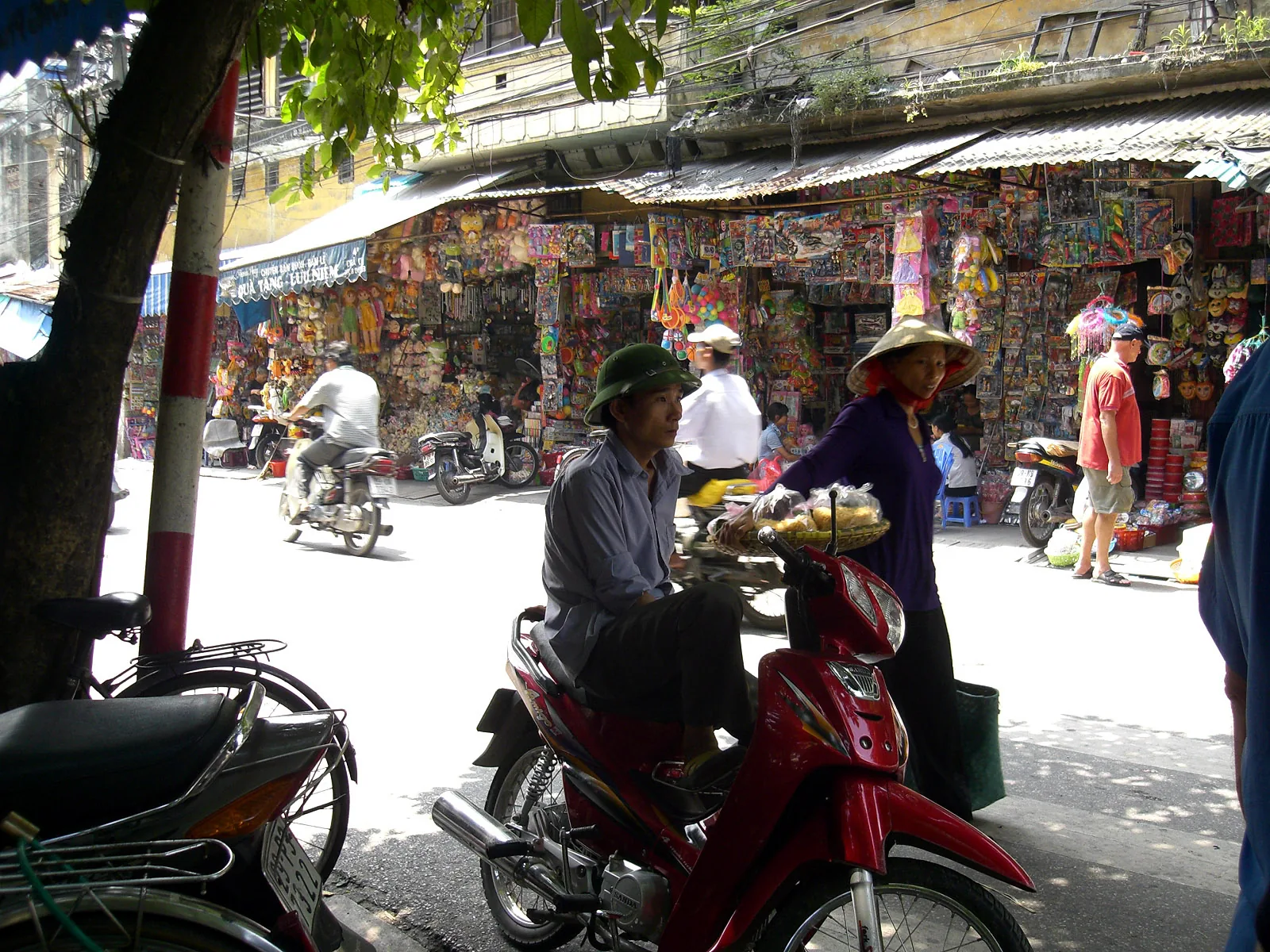
The Old Quarter shophouses — narrow tube houses, some only 2-3 metres wide, were taxed by frontage width under French rule; this explains the distinctive tall, thin facades still seen today
From Hanoi: Ha Long Bay overnight cruise, Hanoi street food walking tour, or Sapa 3-day trekking for the highlands.