Hanoi Street Food Tour
Published on May 28, 2026
Why Hanoi's Street Food Is Different
Hanoi's street food culture is among the most refined in Southeast Asia — not in terms of luxury, but in terms of depth, specificity, and historical continuity. Northern Vietnamese cuisine is leaner and more restrained than the south's, built on clear broths, fresh herbs, and subtle seasoning rather than sweetness and spice. Many of the dishes eaten on Hanoi's streets today trace their current form back centuries, evolved in a city that has always been a center of scholarship, craft, and culinary fastidiousness.
The city's street food geography is also exceptional: individual streets or blocks have historically specialized in single dishes, and while that hyper-specialization has loosened over decades, traces of it remain. The result is a city where knowing which street to go to for which dish is part of local knowledge — and where the best version of a given dish is often in an unmarked stall that's been doing it the same way for three generations.
The Essential Dishes
Phở Bò (Beef Noodle Soup)
Hanoi is the origin city of phở — the northern version is cleaner and less garnished than the southern bowl. A proper Hanoi phở uses beef bones simmered for 8–12 hours with charred ginger and star anise, served with flat rice noodles, thin slices of beef (rare or well-done), a scattering of spring onion, and nothing else on the table except fish sauce and chili. No bean sprouts, no hoisin sauce, no lime on the side — those are southern additions.

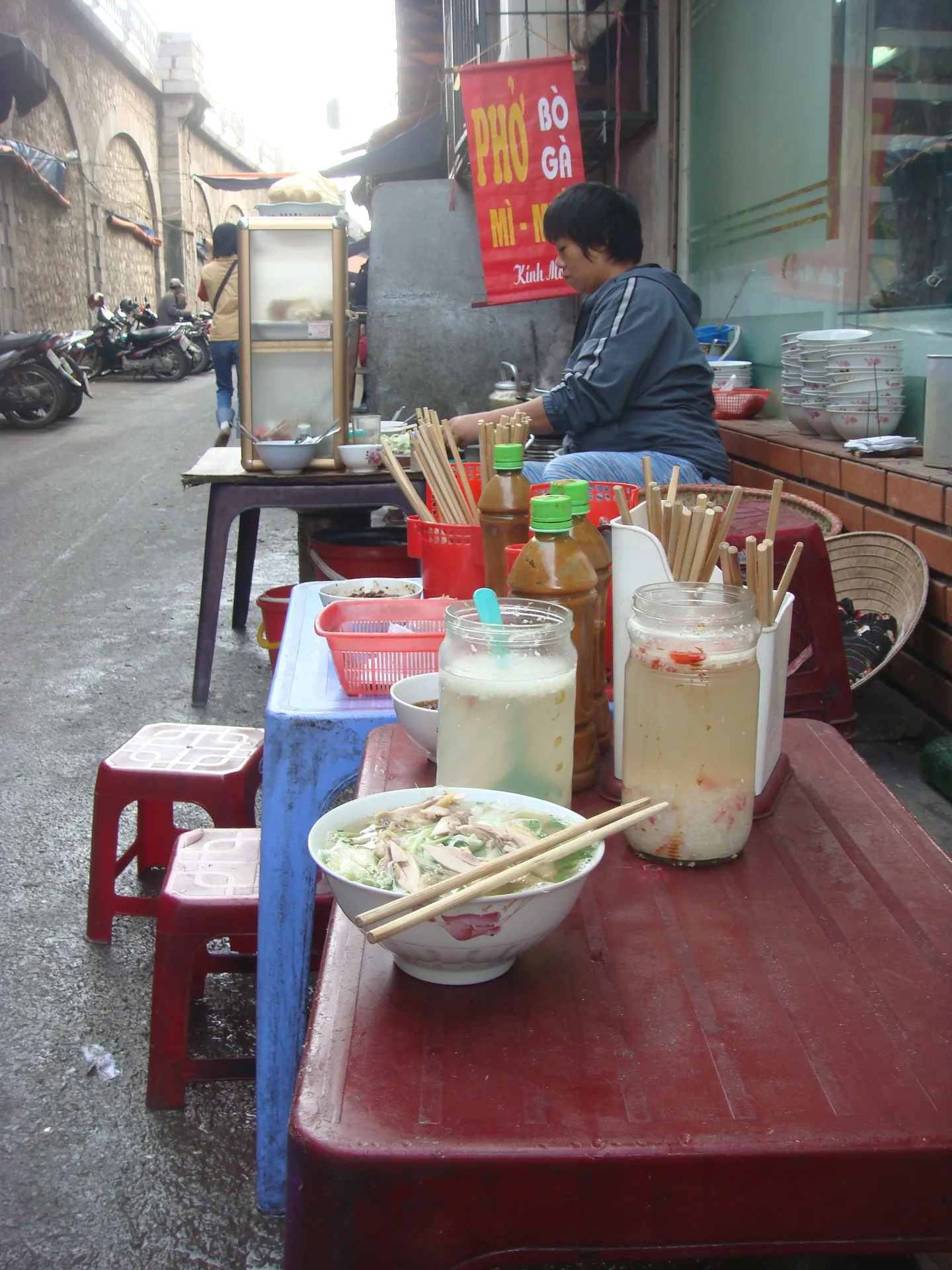
Hanoi's Old Quarter pavement stalls — the heart of the city's street food culture
Where to eat: Phở Bát Đàn (49 Bat Dan Street) — perpetual queue, no-frills, exceptional broth. Open mornings only. Also Phở Thìn (61 Dinh Tien Hoang) for a stir-fried beef variation.
Bún Chả
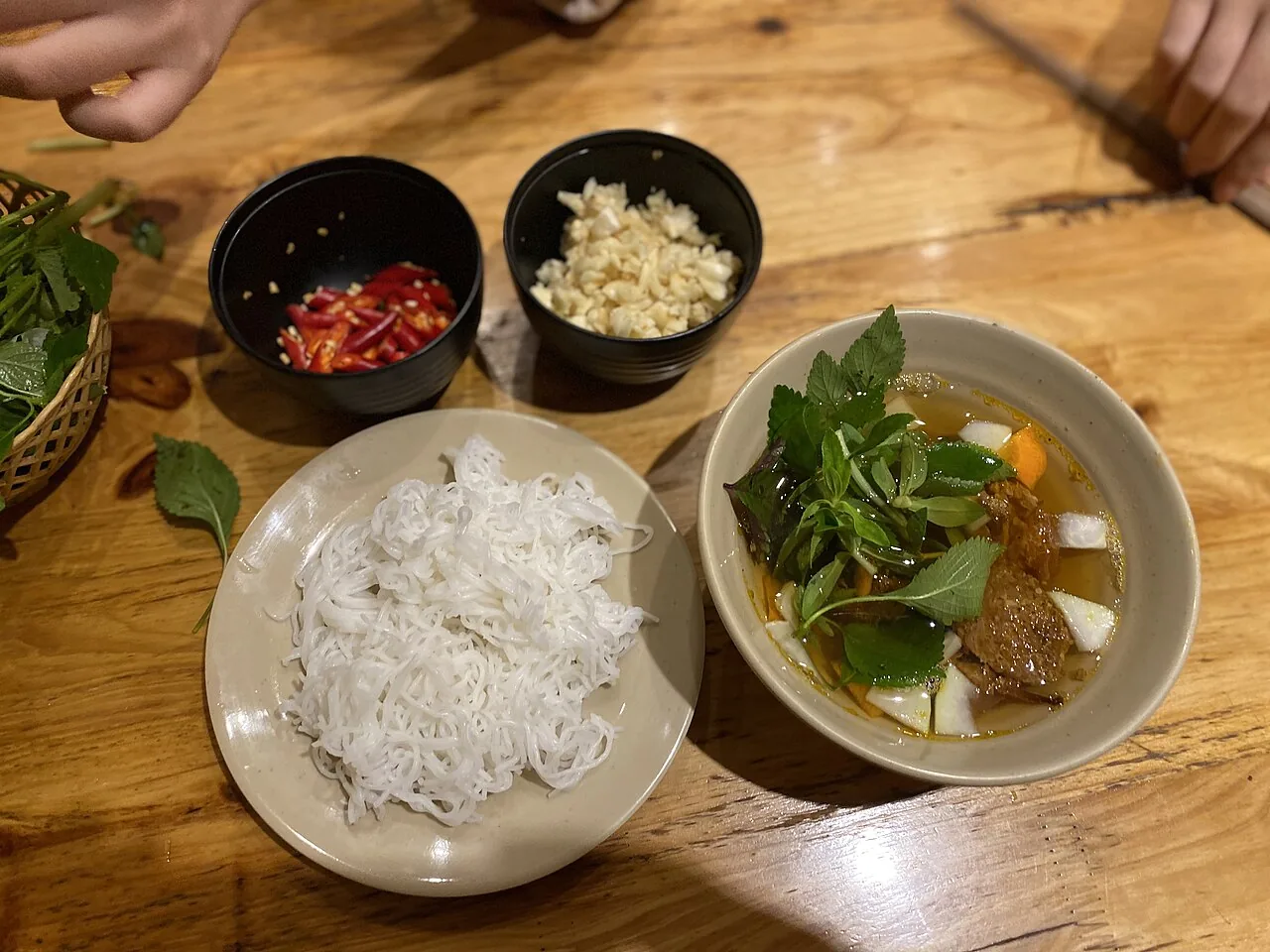
A Hanoi specialty that became globally famous when Anthony Bourdain and Barack Obama ate it together in 2016. Grilled fatty pork patties and sliced pork belly served in a bowl of sweet-sour dipping broth alongside a plate of rice vermicelli, fresh herbs (perilla, mint, lettuce), and nem rán (fried spring rolls). The broth is the key: vinegar-brightened, slightly sweet, packed with umami from the grilled fat drippings.
Where to eat: Bún Chả Hương Liên (24 Le Van Huu) — the "Obama restaurant." Also Bún Chả Đắc Kim (1 Hang Manh) in the Old Quarter for a more traditional version. Lunch only — most stalls close by 2pm.
Bún Riêu Cua (Crab and Tomato Noodle Soup)
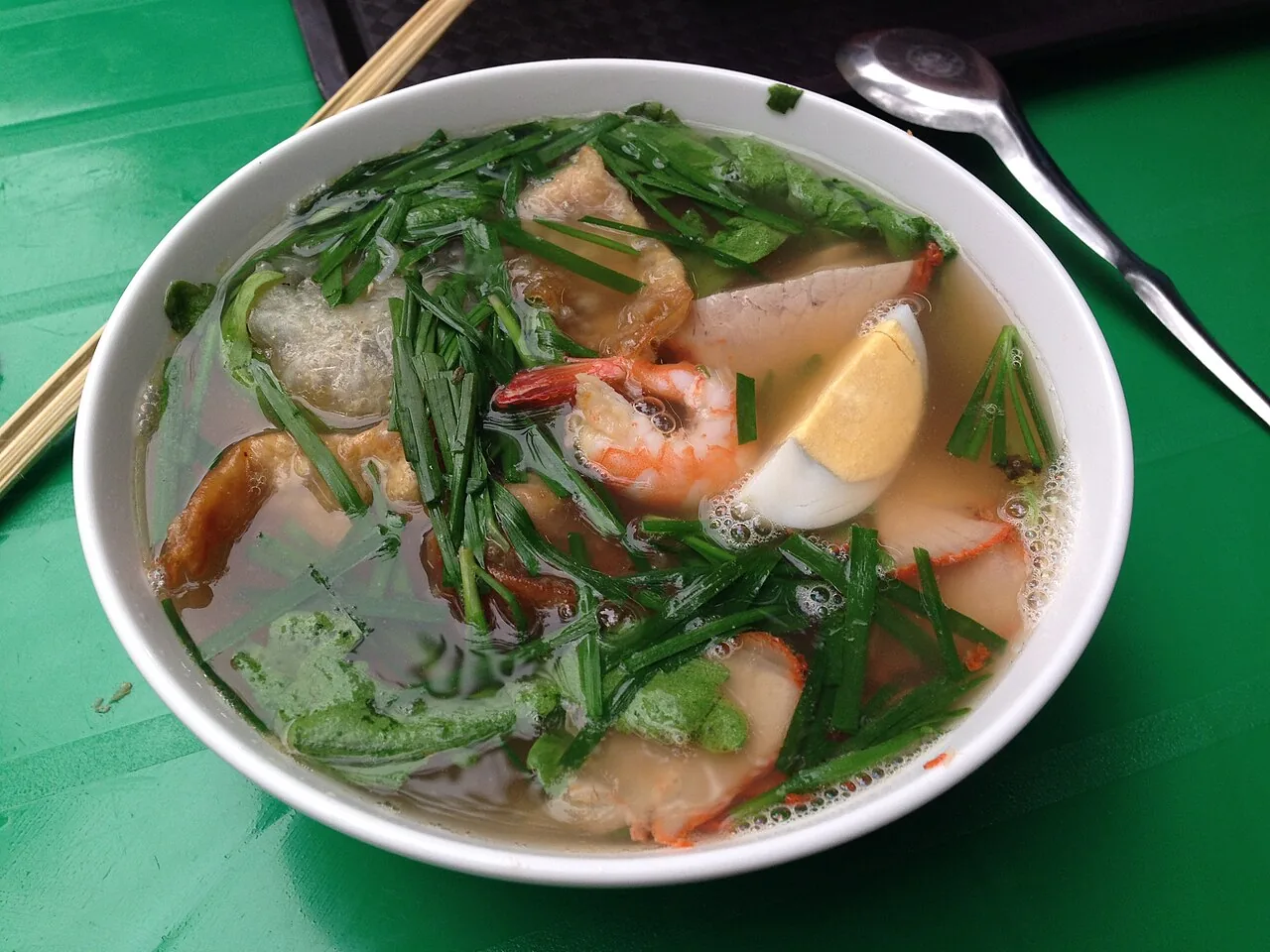
A tangy, rust-colored soup built on a base of freshwater crab paste (riêu cua), tomatoes, and shrimp paste, with soft tofu, fried tofu puffs, and rice vermicelli. One of Hanoi's most satisfying breakfast options. The sourness comes from the crab paste and tomato rather than citrus; the flavor is earthy, oceanic, and deeply savory.
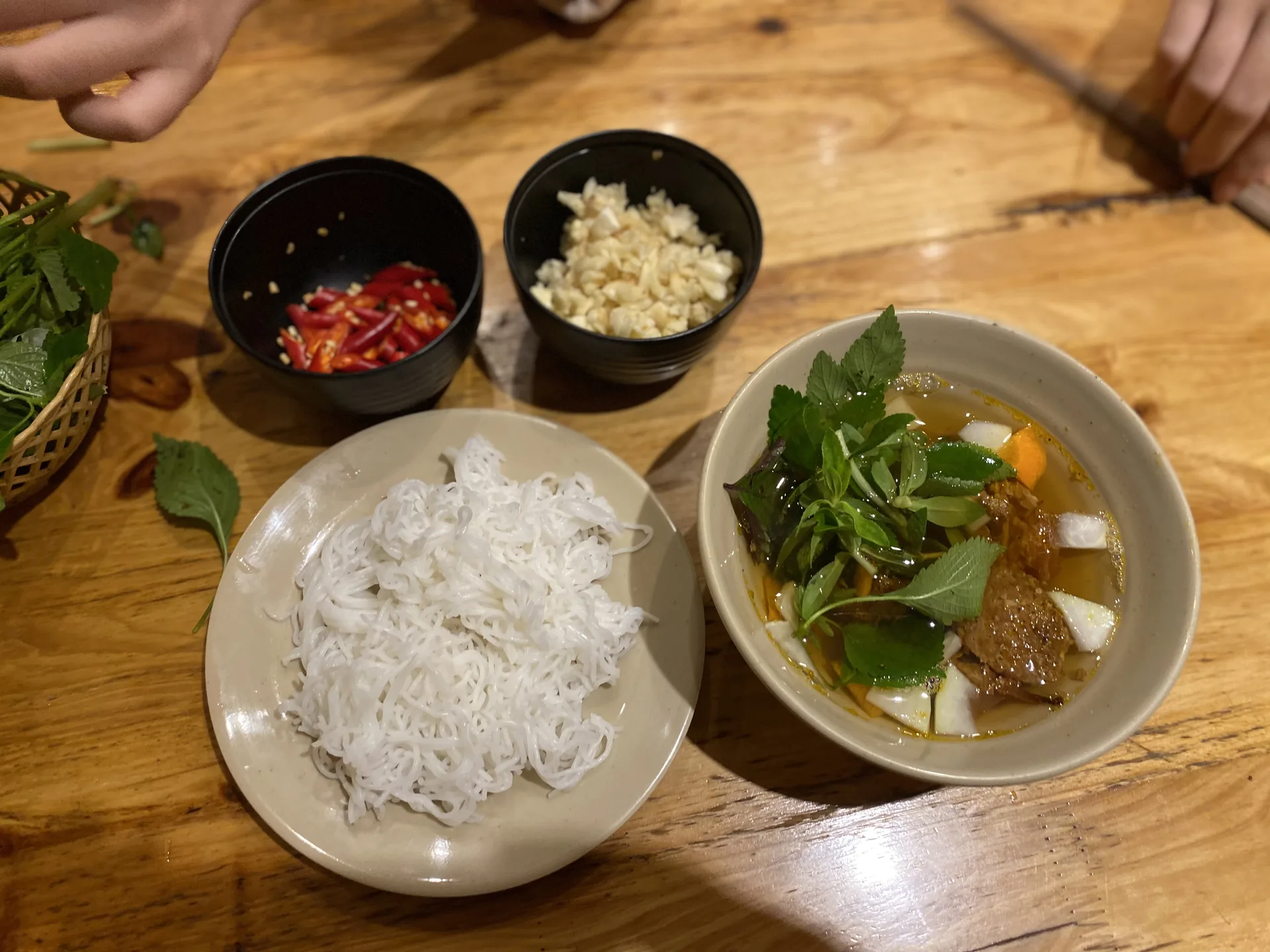
Bun cha - Hanoi iconic grilled pork noodle dish
Where to eat: Morning stalls around the Dong Xuan Market area and along Hang Bun Street.
Bánh Mì (Vietnamese Baguette Sandwich)
A legacy of French colonialism that Vietnam transformed completely: a crispy baguette (lighter and airier than the French original) filled with pâté, cold cuts, pickled vegetables, fresh coriander, cucumber, and chili. Hanoi's version is typically less loaded than Hoi An's but cleaner in flavor. Available from bicycle carts across the Old Quarter for 15,000–25,000 VND.
Where to eat: Any street cart; Bánh Mì 25 (25 Hang Ca) is a popular Old Quarter option.
Xôi (Sticky Rice)
Northern Vietnam's most versatile street breakfast — glutinous rice steamed and topped with a range of savory or sweet additions: fried shallots and mung bean paste (xôi xéo), Chinese sausage and fried egg (xôi lạp xưởng), or simply gac fruit (xôi gấc), which turns it a vivid red-orange.
Where to eat: Xôi Yến (35 Nguyen Huu Huan) — the most famous xôi stall in the Old Quarter, open from 6am. Also street vendors around Hoan Kiem Lake from early morning.
Bánh Cuốn (Steamed Rice Rolls)
Silky, tissue-thin sheets of steamed rice batter filled with minced pork and wood-ear mushroom, topped with fried shallots and served with chả (pork loaf) and a clear dipping sauce. The delicacy of bánh cuốn is entirely in the rice sheet — it must be translucent, barely there, and yielding. Hanoi's version uses no egg in the batter (unlike some southern variations).
Where to eat: Bánh Cuốn Thanh Vân (14 Hang Ga) — a Hanoi institution open since the 1950s.
Cà Phê Trứng (Egg Coffee)
A Hanoi invention from the 1940s, when milk was scarce: robusta coffee whipped with egg yolk, sugar, and condensed milk into a thick, warm custard-like foam that sits on top of the espresso. The result is simultaneously coffee and dessert — intensely rich, slightly bitter, and deeply local.

Egg coffee (cà phê trứng) — a Hanoi original since the 1940s, still served at Café Giang
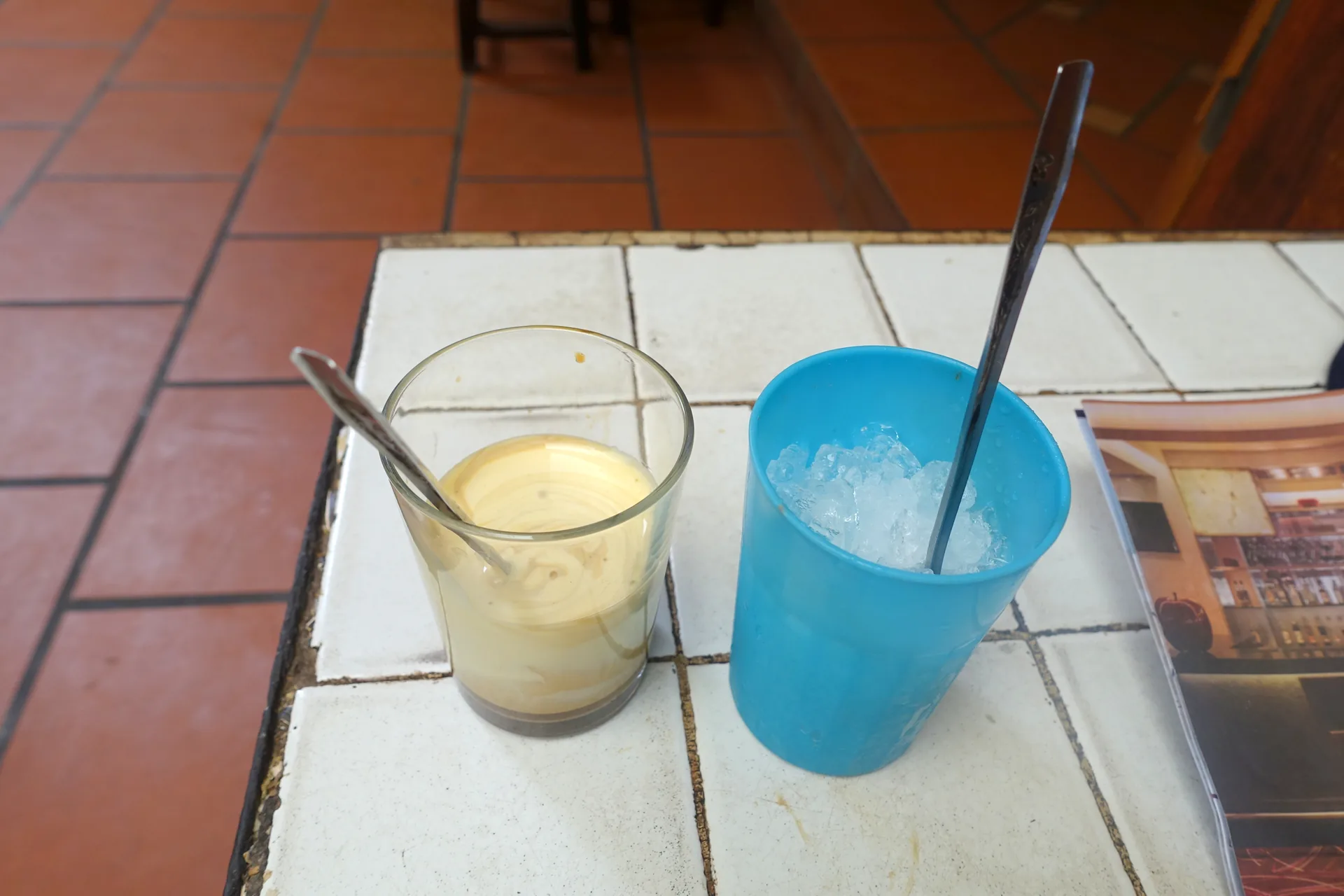
The unique egg coffee, a Hanoi specialty drink
Where to eat: Café Giang (39 Nguyen Huu Huan) — the original inventor's family still runs it. Also Café Dinh (13 Dinh Tien Hoang) for an atmospheric hidden-staircase version.
Bún Bò Nam Bộ (Southern-Style Beef Noodle Salad)
Despite the name, this dry noodle dish has been adopted by Hanoi as an everyday lunch option. Cold rice vermicelli topped with wok-tossed beef, fried shallots, roasted peanuts, fresh herbs, and a sweet-sour fish sauce dressing. Refreshing, quick, and available year-round.
Where to eat: 67 Hang Dieu — the most well-known address for this dish in the Old Quarter.
Best Street Food Neighborhoods
Hoan Kiem Old Quarter (36 Streets): The densest concentration of street food in Hanoi. Hang Manh, Hang Bun, Bat Dan, and Ta Hien streets are particularly active in the mornings and evenings.
Dong Xuan Market Area: The wholesale market's surrounding streets are active from 4am, with the city's most authentic breakfast stalls serving crab noodle soup, xôi, and bánh cuốn to market workers.
Tay Ho (West Lake): The lakeside district offers a calmer, more neighborhood-oriented food scene — excellent bún ốc (snail noodle soup), bánh tôm (shrimp cake), and lakeside cafes serving egg coffee with views.
Ba Dinh District: Quieter than the Old Quarter, with local pho stalls and bún chả spots less visited by tourists.
Street Food Tips
- Eat where locals eat: Look for plastic stools on the pavement, condensation rings on the table from beer bottles, and a queue. These are the reliable indicators.
- Timing matters: Most iconic dishes are morning-only (phở, bánh cuốn, xôi) or lunch-only (bún chả). Arrive early.
- Language: A photo menu or Google Translate camera solves most ordering challenges; Hanoi street stalls rarely speak English.
- Budget: A full street food breakfast costs 30,000–60,000 VND ($1.25–2.50). Lunch or dinner dishes range from 40,000–80,000 VND. A cup of egg coffee is 30,000–50,000 VND.
- Hygiene: Street food hygiene in Hanoi is generally reliable at well-established stalls. Avoid pre-cooked meats sitting at room temperature; opt for made-to-order.
Recommended Walking Routes
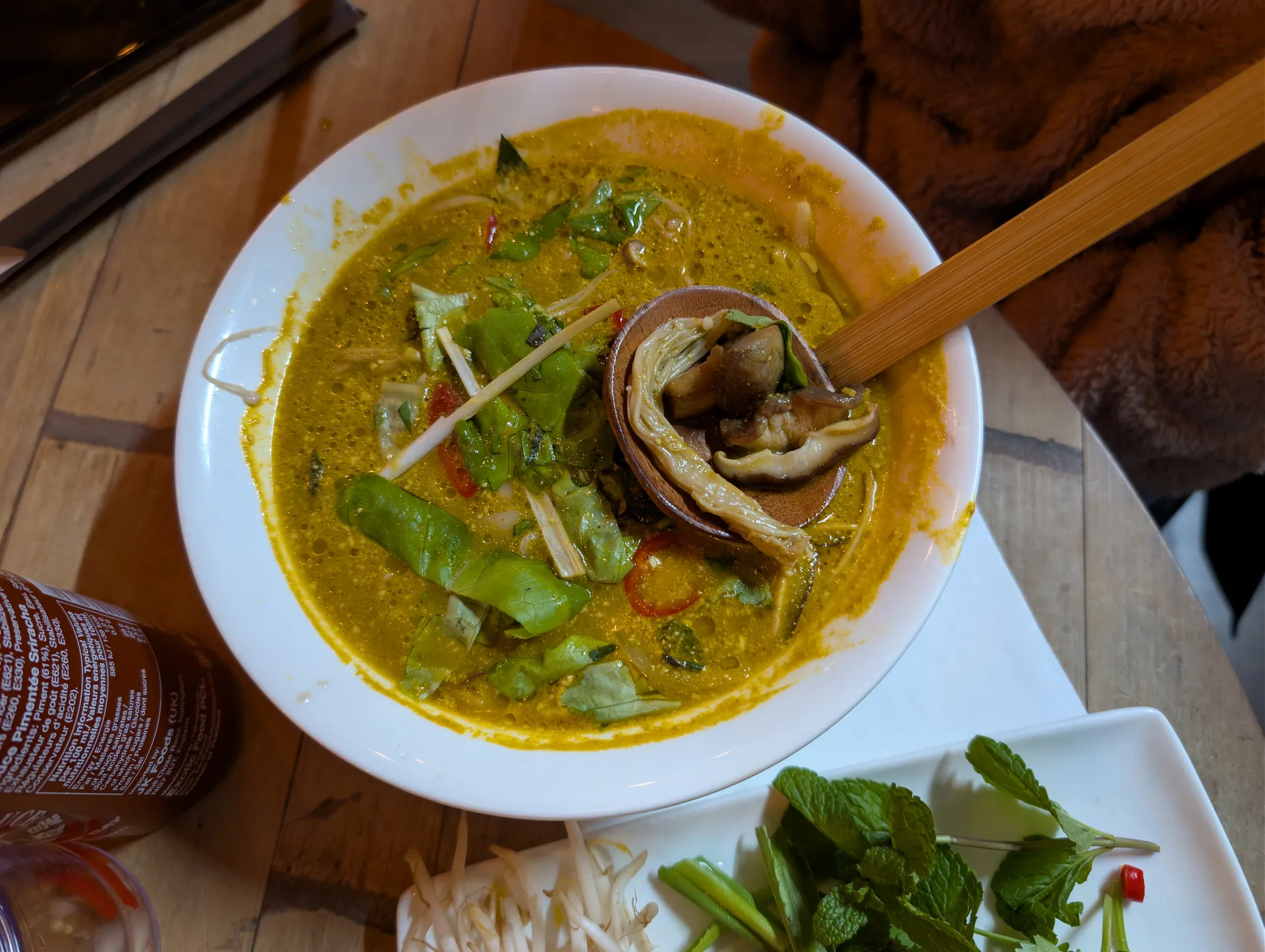
A steaming bowl of pho, Vietnam most beloved dish
Morning Food Walk (2–3 hours)
Start at Xôi Yến (35 Nguyen Huu Huan) for sticky rice at 7am → walk to Bánh Cuốn Thanh Vân (14 Hang Ga) → cross to Phở Bát Đàn (49 Bat Dan) → finish with egg coffee at Café Giang (39 Nguyen Huu Huan).
Lunch Circuit
Bún Chả Đắc Kim (1 Hang Manh) for bún chả → browse Dong Xuan Market → afternoon at a street cafe on Ta Hien Street.
Evening Snack Route
Hoan Kiem lakeside for bánh mì → Tong Duy Tan Street (known as "Pho Tay" — Western Street) for grilled corn, sweet soups, and Vietnamese street snacks → bia hơi (draft beer) at the corner of Ta Hien and Luong Ngoc Quyen.
Food Tours and Classes
Hanoi Street Food Tours (numerous operators): Guided evening walks covering 5–7 dishes with transportation and translation, typically $25–45 per person. Reputable operators include Hanoi Street Food Tour and Urban Adventures.
Cooking Classes: Half-day classes (market visit + 3–4 dish preparation) run from $30–60 per person. Hoa Sua Training Restaurant (in the Old Quarter) and Hidden Hanoi are well-regarded.
Final Thoughts
Hanoi's street food rewards curiosity and early rising. The city's culinary culture is built on specificity — the right dish at the right stall at the right time of day — and the best experiences come from following local rhythms rather than tourist schedules. A morning of phở, bánh cuốn, and egg coffee costs less than $5 and constitutes one of the best meals in Southeast Asia.