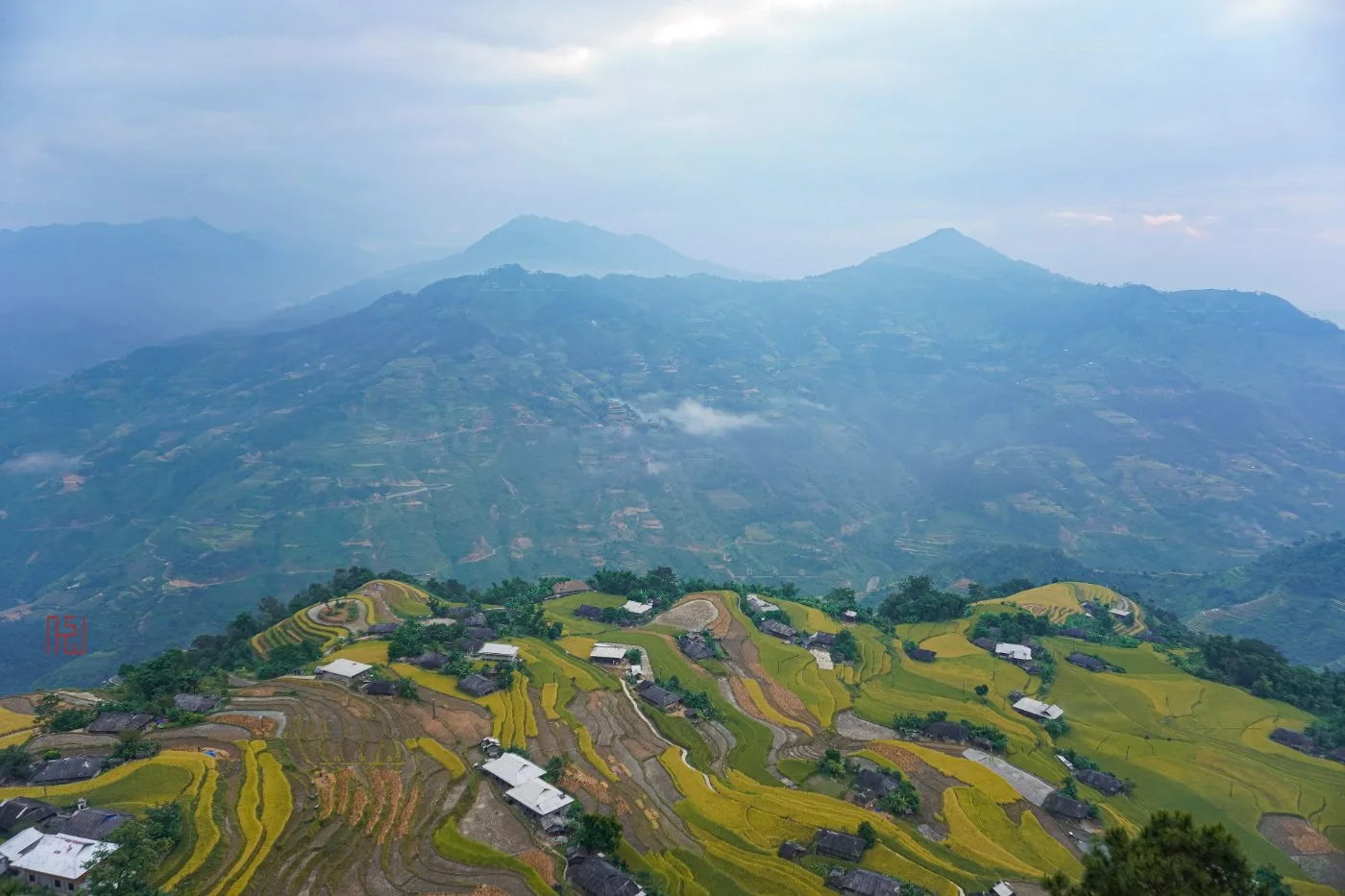
Hoang Su Phi
Hoang Su Phi Travel Guide
Meta description: A remote district of sweeping terraced rice fields and ethnic minority villages in Ha Giang province, far less visited than Sapa or Mu Cang Chai.
Why Visit Hoang Su Phi
Ha Giang province gets most of its international attention for the Ha Giang Loop's dramatic mountain roads, but tucked in the province's southwest corner is Hoang Su Phi, a district of terraced rice fields that rivals anything found in Sapa or Mu Cang Chai, with a fraction of the visitors. Recognized as a national heritage site, the terraces here spread across a vast, folded landscape shaped by the Nung, Dao, Tay, and La Chi ethnic minority communities who have farmed these slopes for generations, each with their own distinct building styles, dress, and customs visible in the villages scattered throughout the district.
What sets Hoang Su Phi apart is its sheer remoteness and scale: the terraces stretch across a wider, more rugged area than the more concentrated and famous fields elsewhere in the north, and reaching many of the best viewpoints requires genuine trekking rather than a short walk from a parking area. For travelers who have already done Sapa or want a more off-the-beaten-path terrace experience, Hoang Su Phi delivers a quieter, more exploratory version of the same iconic northern Vietnam scenery.
Quick Facts
- Location: Hoang Su Phi District, Ha Giang Province, northeast Vietnam
- Distance from Hanoi: Roughly 300 km, about 7-8 hours by road
- Best base: Hoang Su Phi town or a homestay in a surrounding village
- Ideal trip length: 2-3 days
- Known for: Extensive terraced rice fields, multi-ethnic villages, trekking
Top Things to Do
Trek between villages and viewpoints. Unlike more compact terrace areas, Hoang Su Phi rewards multi-day trekking between communes like Ban Luoc, Ban Phung, and Thong Nguyen, each offering different terrace formations and village architecture along the way.
Visit Nung, Dao, and La Chi minority villages. The district is home to several distinct ethnic groups, and trekking routes typically pass through multiple villages, offering a rare chance to see the cultural diversity of Vietnam's northern highlands within a single trip.
Photograph the terraces during harvest. Like Mu Cang Chai, Hoang Su Phi's fields turn a deep gold during the September-October harvest, but with far fewer photographers competing for the same viewpoints.
Soak in a Dao herbal bath. Red Dao communities in the area are known for their traditional herbal bathing practice, a relaxing way to recover after a day of trekking through the hills, and something increasingly offered to visitors at village homestays.
Drive or trek to Tay Con Linh. One of northern Vietnam's higher peaks sits near the district, and experienced trekkers sometimes combine a terrace trip with an attempt on the summit for those seeking a more serious mountain challenge.
Local Food
Hoang Su Phi's food reflects its ethnic diversity, with each community contributing its own specialties to the local table. Thang co, the traditional Hmong offal stew found throughout the northern highlands, appears here too, alongside grilled meats and locally raised free-range chicken prepared simply over an open fire. Dao and Tay households often serve sticky rice colored naturally with forest plants and flowers, a dish tied to festivals and special occasions but sometimes offered to visiting guests. Locally grown Shan Tuyet tea, harvested from ancient tea trees in the surrounding hills, makes for both a memorable cup and a worthwhile souvenir to bring home.
Best Time to Visit
The golden harvest season from mid-September through early October is the most popular and dramatic time to visit, when the terraces turn amber and the light is at its most photogenic. The flooded water season in late May and June offers a quieter, mirror-like alternative before rice is transplanted. Outside these windows, the terraces are green and less visually striking, though the district's trekking and village visits remain rewarding year-round for travelers less focused on capturing the classic terrace photograph.
Where to Stay
Homestays in villages throughout the district offer the most authentic experience, run by local Dao, Tay, and Nung families who often prepare traditional meals and can arrange guided treks to nearby terraces and viewpoints. Hoang Su Phi town itself has a small number of basic guesthouses for travelers who prefer a more conventional stay closer to services. Given the district's remoteness, arranging accommodation and a local guide in advance through a Ha Giang-based tour operator is strongly recommended, since options are limited and spread out.
How to Get There
From Hanoi, Hoang Su Phi is roughly a 7-8 hour drive, typically reached by private car or motorbike via Tuyen Quang and into Ha Giang province, or via a longer but more scenic route through Ha Giang city itself. There is no direct public bus specifically to Hoang Su Phi, so most independent travelers arrange private transport, and many combine the trip with a broader Ha Giang Loop itinerary given the shared regional geography and long travel time involved either way.
Final Thoughts
Hoang Su Phi offers a version of northern Vietnam's terraced-field scenery that still feels genuinely undiscovered, with dramatic landscapes and a rich cultural mix of ethnic minority communities that reward travelers willing to trek further and stay longer than the typical day-trip crowd. For anyone who found Sapa too developed or Mu Cang Chai too well-known, Hoang Su Phi is the next frontier, remote, quiet, and every bit as visually spectacular.