Hoi An Ancient Town
Published on May 28, 2026
Why Visit Hoi An
Few destinations in Southeast Asia match Hoi An for sheer atmosphere. This UNESCO World Heritage town on Vietnam's central coast has resisted the modernizing forces that transformed so many historic cities — its 15th-century merchant quarter still stands, its canals still reflect silk lanterns, and its streets still carry the scent of incense and grilled meat.
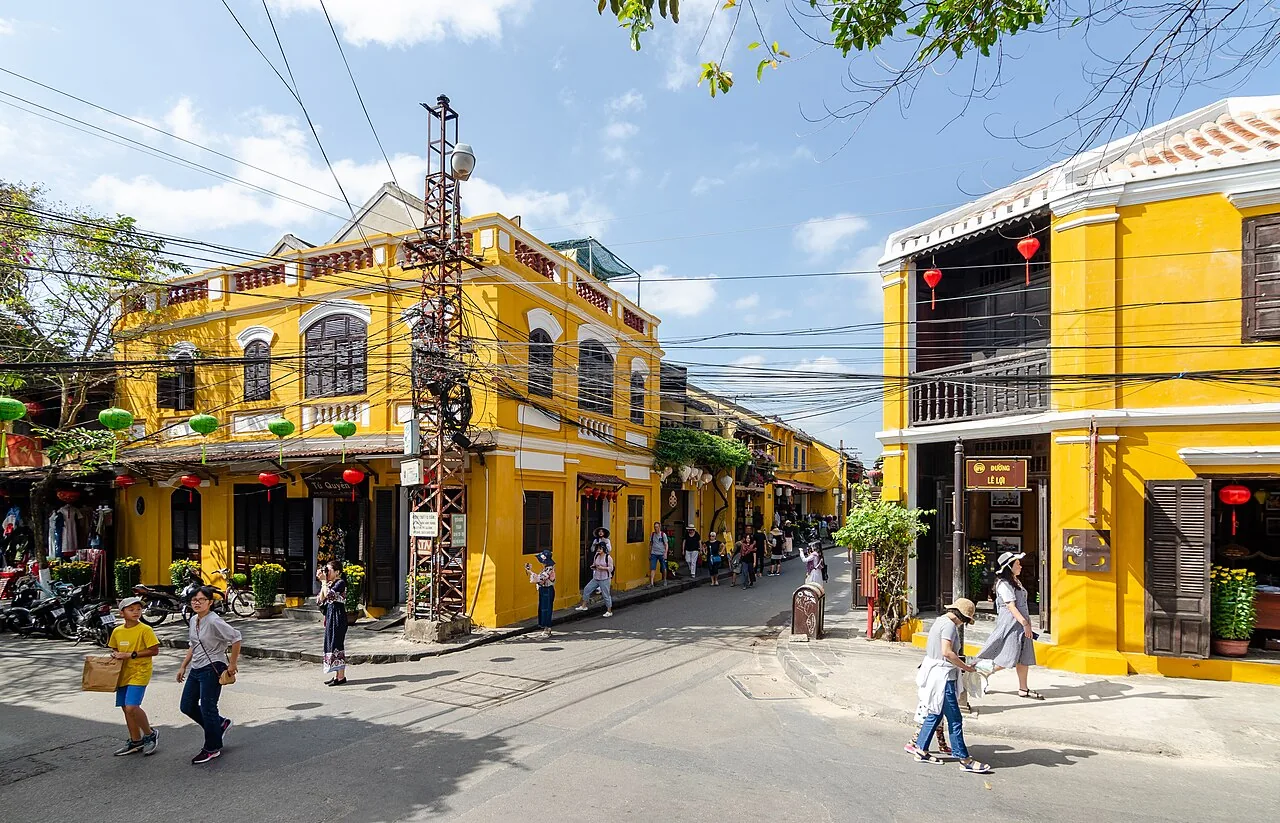
What sets Hoi An apart is the layering of cultures. Japanese merchants built the covered bridge in 1593. Chinese clans constructed elaborate assembly halls. French colonists added yellow-washed facades and baguettes to the local diet. The result is a town belonging to no single heritage but carrying all of them simultaneously.
Hoi An is also one of Vietnam's most practical destinations — compact enough to explore on foot or bicycle, blessed with exceptional food, and equipped with accommodation from riverside guesthouses to boutique resorts. An Bang beach is 4 km away. Ancient villages sit within cycling distance. Most travelers find they need more time than they planned.
Quick Facts
- Location: Quang Nam Province, central Vietnam, 30 km south of Da Nang
- Best time to visit: February to April (dry, mild temperatures 24–28°C)
- Recommended stay: 3–5 days
- Daily budget: Budget $30–50 | Mid-range $60–120 | Luxury $150+
- Currency: Vietnamese Dong (VND)
Top Things to Do in Hoi An
1. Walk the Ancient Town at Night
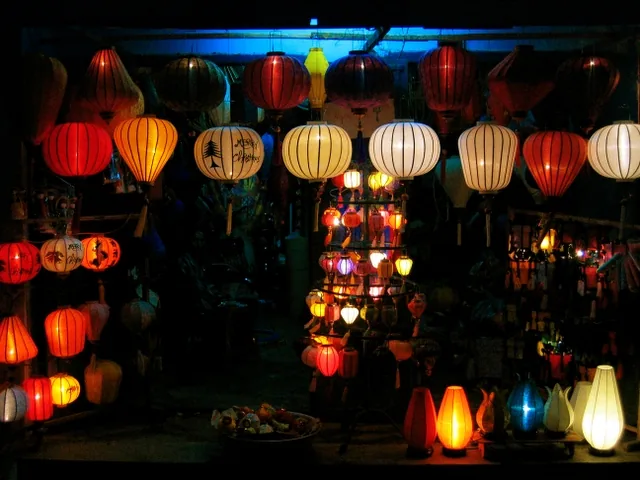
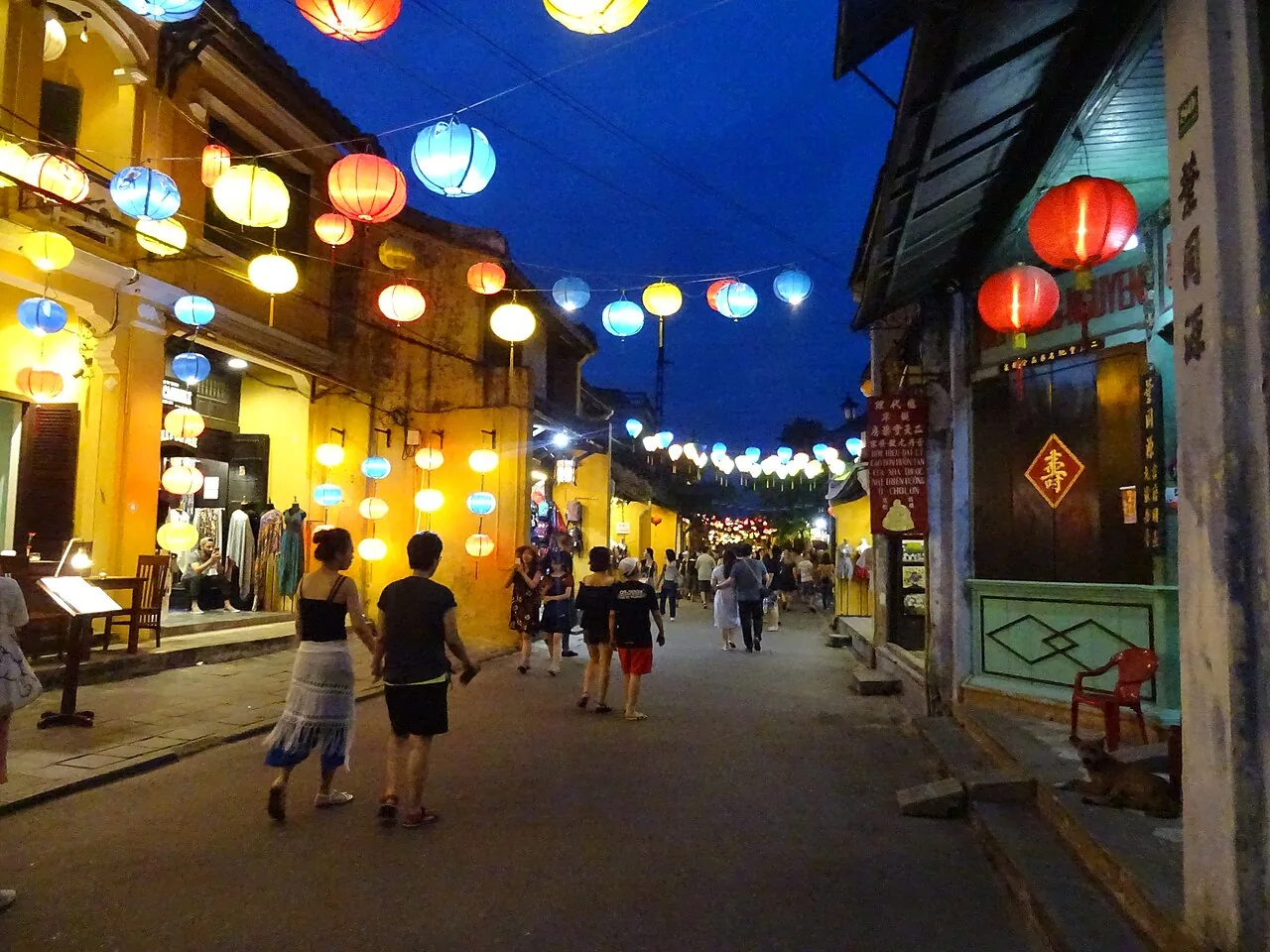
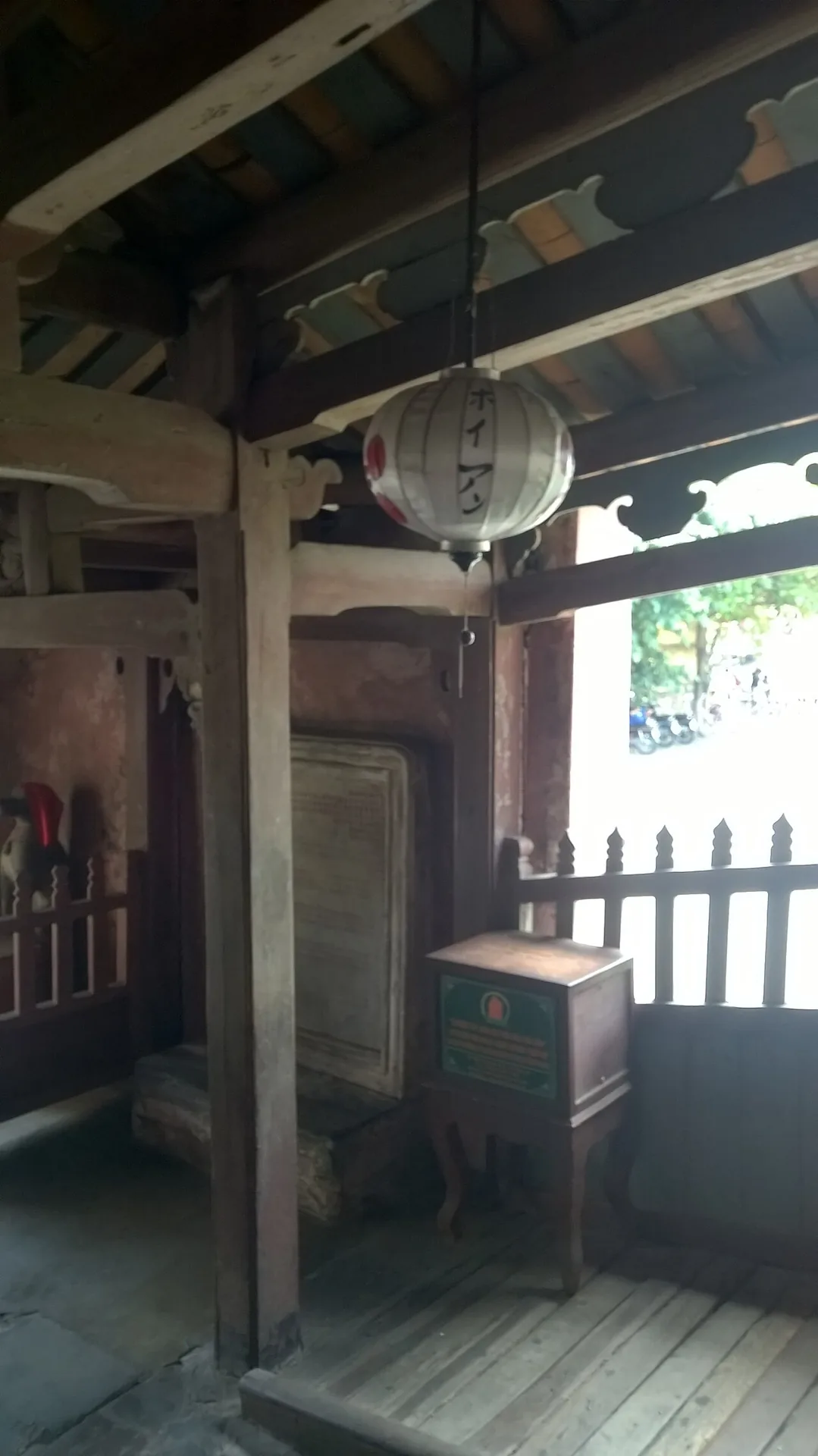
After dark, hundreds of silk and paper lanterns transform the narrow streets into something out of a dream. The most atmospheric evenings fall on the 14th of each lunar month — the Full Moon Lantern Festival — when electric lights are switched off across the Ancient Town. Arrive before sunset to watch the transition. Duration: 2–3 hours. Tip: The 120,000 VND tourist ticket covers five attraction entries; street walking is free.
2. Japanese Covered Bridge (Chua Cau)
Built by Japanese merchants in the late 16th century, this roofed bridge-temple is Hoi An's most recognized landmark. A wooden bridge supports a small Taoist temple, guarded by carved dogs on one end and monkeys on the other. Come before 8am for photographs without the crowds. Duration: 30 minutes. Tip: Covered by the Ancient Town ticket.
3. Get Custom Clothes Made
Hoi An's 400-plus tailoring shops and reputation for custom clothing at competitive prices draw visitors from around the world. A well-fitted suit costs $100–180; a dress $30–70. Allow at least three days for proper fittings and adjustments. Yaly Couture and A Dong Silk are consistently recommended. Duration: Ongoing across 2–3 fittings. Tip: Bring reference photos, specify fabric choices, and request an initial fitting before cutting begins.
4. Cooking Class with Market Tour
The best cooking classes begin at the central market, where you learn to identify local ingredients — lap xuong sausage, fresh turmeric, river herbs — before moving to a kitchen to prepare four or five dishes. Morning Glory Cooking School and Red Bridge are highly regarded. Duration: 4–5 hours. Tip: Choose a class that includes the market walk; it changes how you experience local food for the rest of your stay.
5. Tra Que Organic Village
Three kilometers north of town, Tra Que has supplied Hoi An's restaurants with herbs and vegetables for centuries. A guided walk through the farming plots, followed by a cooking demonstration using what you've picked, is one of the most grounded experiences in the region. Duration: Half day. Tip: Combine with a bicycle ride along the Thu Bon River for a leisurely morning.
6. An Bang Beach
An Bang sits 4 km from the Ancient Town — a long stretch of fine sand backed by modest beach bars rather than resort towers. The water is warm from May through September. Sun loungers run 30,000–50,000 VND. Duration: Half to full day. Tip: Avoid An Bang from October to December; strong currents and rough surf make swimming dangerous.
7. Phuc Kien (Fujian) Assembly Hall
The most elaborate of Hoi An's five Chinese assembly halls, built by Fujian immigrants in 1697 and dedicated to Thien Hau, goddess of the sea. The courtyard architecture, painted tiles, and hanging incense coils create an atmosphere that is genuinely contemplative. Duration: 45 minutes. Tip: Covered by the Ancient Town ticket; visit in the morning before tour groups arrive.
8. Basket Boat Tour in Cam Thanh
The coconut palm forest of Cam Thanh is navigated in round woven basket boats (thuyen thung) — a traditional fishing vessel unique to central Vietnam. Tours include a spinning demonstration that once propelled fishing boats across open water. Duration: 2 hours. Tip: Early morning or late afternoon; midday heat on open water is uncomfortable.
9. My Son Sanctuary Day Trip
The Cham temple complex 40 km from Hoi An is one of Southeast Asia's most significant archaeological sites — Hindu towers constructed between the 4th and 14th centuries, damaged in war but still deeply atmospheric. Duration: Half day with transport. Tip: Hire a guide at the site ($5–10); historical context transforms the experience.
10. Cycle the Countryside
The flatlands around Hoi An are ideal cycling terrain. Rental bikes cost 50,000–80,000 VND per day. A popular route heads south along the Thu Bon River to Kim Bong Carpentry Village, crosses by ferry, and loops back through rice paddies. Total: around 15 km. Duration: 3–4 hours. Tip: Start before 9am; heat and traffic build quickly.
Local Food and Specialties
Hoi An has a culinary identity so distinct that three of its dishes — cao lau, white rose dumplings, and fried wonton — are considered impossible to authentically replicate outside the town.
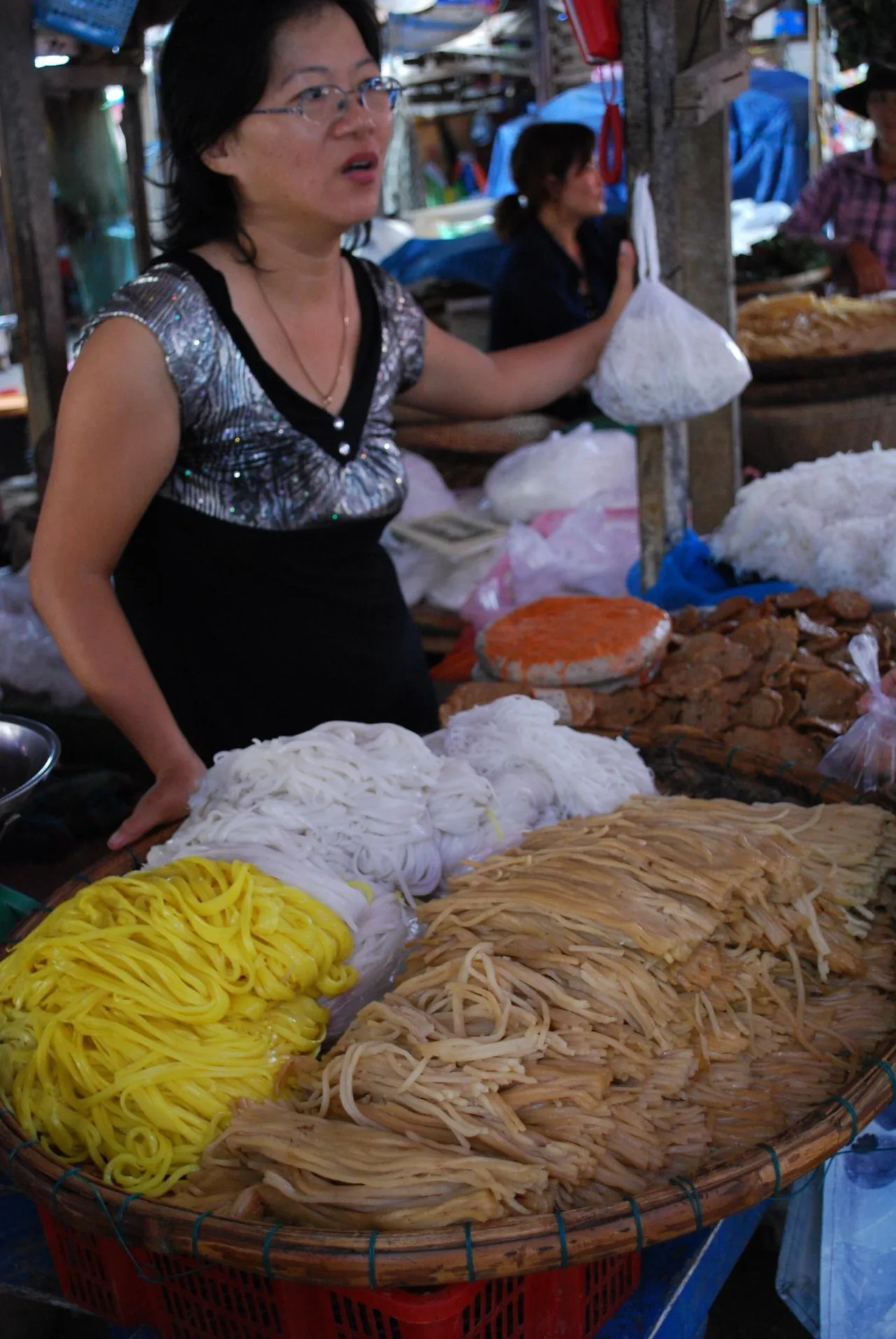
Cao Lau: Thick rice noodles with char-roasted pork, crispy croutons, bean sprouts, and herbs. The noodles carry a chewy, slightly smoky character unlike anything else in Vietnam. Available at Hoi An Market stalls for around 40,000 VND.
White Rose Dumplings (Banh Bao Vac): Delicate steamed rice parcels filled with shrimp, named for their resemblance to an open rose. Nearly all of Hoi An's supply comes from a single family operation.
Banh Mi Phuong: Hoi An's banh mi — made famous by Anthony Bourdain — runs from a narrow shop on Phan Chau Trinh Street. Arrive before 8am to avoid the line.
Mi Quang: A central Vietnamese noodle dish with a small amount of rich, turmeric-tinted broth, pork, shrimp, quail eggs, and puffed rice crackers. Excellent at Mi Quang Ba Mua.
Dining note: Many small restaurants have low tables with floor seating. Remove shoes when entering traditional homes and use both hands when receiving food or drink.
Best Time to Visit Hoi An
February–April: The best window. Temperatures 24–28°C, low humidity, minimal rain. The Full Moon Festival in February coincides with Tet celebrations.
May–August: Hot and dry, reaching 35°C. Peak beach season at An Bang. Book accommodation in advance.
September: Shoulder season with occasional rain; prices drop and crowds thin.
October–November: Flood season. The Thu Bon River regularly inundates the Ancient Town's ground floors — a memorable spectacle but logistically challenging.
December–January: Cool, occasionally rainy. Prices spike around Christmas and New Year with an influx of Western travelers.
Where to Stay in Hoi An
Budget (under $30/night): Hoi An Backpackers Hostel and Sunflower Hotel offer clean, central rooms.
Mid-range ($50–120/night): The Hoi An Historic Hotel and Little Riverside Hoi An both offer riverside rooms with pools. Anantara Hoi An Resort sits at the upper end of this bracket.
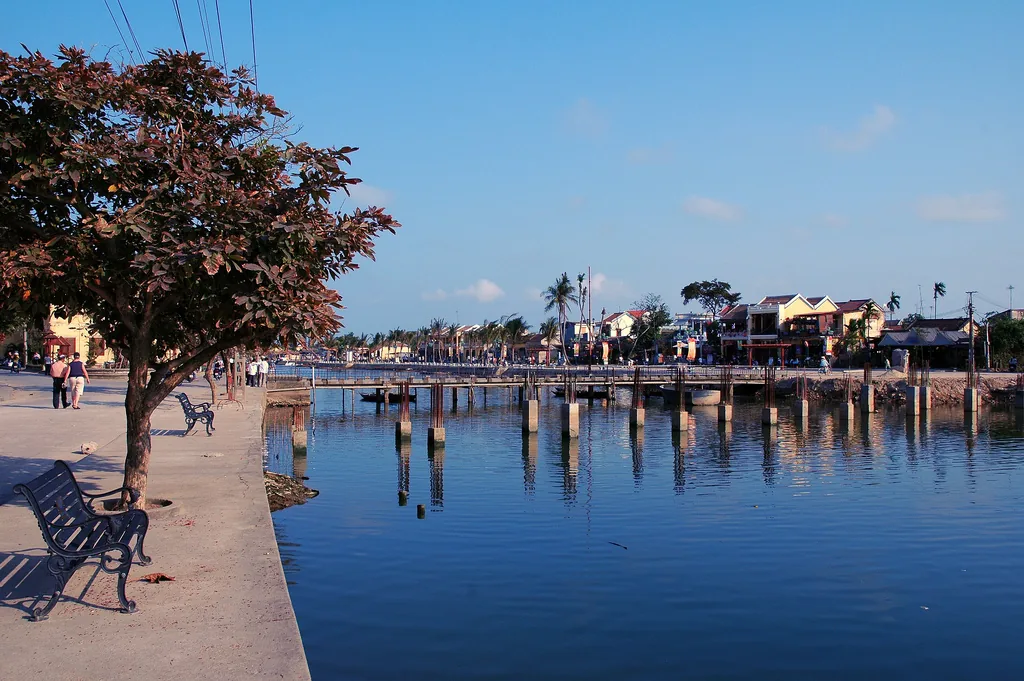
Chùa Cầu (Japanese Covered Bridge) — built by Japanese merchants in the 16th century; the bridge-temple at the western edge of the Old Town is a UNESCO icon
Luxury ($150+/night): Four Seasons Resort The Nam Hai, 10 minutes from the Ancient Town on Ha My Beach, ranks among Southeast Asia's finest resorts. Victoria Hoi An Beach Resort & Spa is a quieter alternative.
Recommended areas: Stay within or just outside the Ancient Town for evening ambience. Cua Dai Road has mid-range options with more space.
How to Get to Hoi An
By air: Da Nang International Airport is 30 km north, with direct international flights from Singapore, Bangkok, Seoul, and Tokyo, plus domestic connections from Hanoi and Ho Chi Minh City. Taxi: 300,000–400,000 VND (30–40 min).
By train: Da Nang station is served by the Reunification Express from Hanoi (14–16 hours) and Ho Chi Minh City (16–18 hours). Take a taxi or Grab from Da Nang.
By bus: Open-tour buses connect Hoi An to Hue (3.5 hours, ~$5), Da Lat (12 hours), and Ho Chi Minh City (18 hours).
By motorbike: Hue to Hoi An via the Hai Van Pass is one of the great drives in Southeast Asia — 3–4 hours with stops, available for around $8–12/day rental.
Suggested Itineraries
1 Day
Morning: Ancient Town walk, Phuc Kien Assembly Hall, Japanese Covered Bridge. Lunch: Cao lau at Hoi An Market. Afternoon: Tailor consultation, silk and pottery shopping. Evening: Lantern walk, dinner at Morning Glory.
2 Days
Day 1 as above. Day 2: Morning cooking class with market tour, afternoon at An Bang Beach, sunset drinks at Soul Kitchen beach bar.
3 Days
Days 1–2 as above. Day 3: Bicycle ride to Tra Que Village, afternoon day trip to My Son Sanctuary, farewell dinner at The Cargo Club.
Local Culture and History
Hoi An's prosperity came from its position as a deep-water port on the Thu Bon River, where Japanese, Chinese, Dutch, Portuguese, and Indian traders exchanged silk, ceramics, and spices from the 15th century onward. When the river silted up in the 19th century and trade shifted to Da Nang, Hoi An was bypassed — and thereby preserved.
Added to UNESCO's World Heritage List in 1999, the town's building regulations have kept the Ancient Town substantially intact. Residents live and work in the same structures that once housed merchants from across Asia. The dominant visible influences are Cantonese and Fujian Chinese, expressed in the assembly halls, family chapels, and narrow tube-house architecture.
Travel Tips
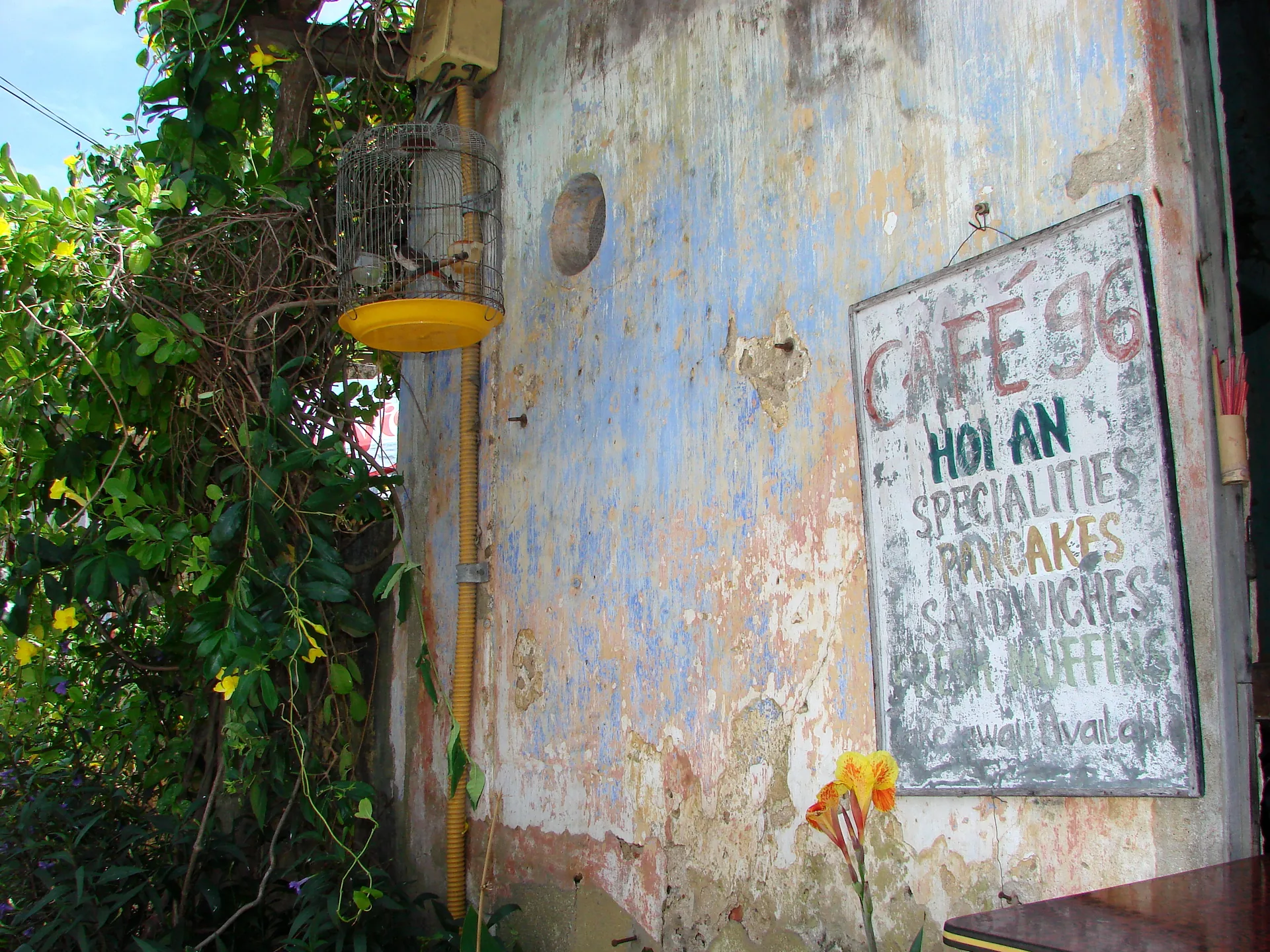
Hội An Old Town — the blend of Vietnamese, Chinese, Japanese, and French architectural styles reflects the town's centuries as a cosmopolitan trading port
- Crowds: The Ancient Town is busiest 10am–4pm. Explore before 8am or after 5pm for a different experience.
- Flooding: Traveling October–November? Keep valuables elevated and wear sandals you can wade in.
- Tailoring: Avoid shops quoting unusually low prices; agree on fabric, price, and number of fittings in writing.
- Bargaining: Standard at markets, not in restaurants. Keep it friendly — the sums involved rarely justify tension.
- Ticket system: The 120,000 VND Ancient Town ticket covers five specific attractions; many streets are free to walk.
Frequently Asked Questions
How many days do I need in Hoi An? Three days covers the essentials; five allows for day trips and beach time. A week suits travelers who want tailoring, cooking classes, and slower exploration.
Is Hoi An safe for solo travelers? Yes. Petty theft is rare in the Ancient Town. Exercise caution at traffic intersections on the roads outside town.
Can I swim at the beaches? Yes, approximately May through September. Avoid swimming October to January due to rough surf.
What is the Ancient Town ticket? A 120,000 VND pass giving entry to five chosen attractions from a list of 22. Valid for one day.
Is Hoi An good for vegetarians? Yes. The cooking-class culture means most restaurants understand dietary requirements, and morning market produce is exceptional.
Final Thoughts
Hoi An delivers on atmosphere, food, history, beaches, and practical convenience simultaneously — a rare combination anywhere. The crowds are manageable with timing. Go for the lanterns, stay for the cao lau, leave with clothes that fit better than anything you brought.
From Hoi An: My Son Sanctuary half-day tour, Hoi An cooking class, or the cycling tour through the countryside.