Hue Imperial City
Published on May 28, 2026
Hue Travel Guide
Meta description: Explore Hue — Vietnam's former imperial capital with the Citadel, royal tombs, and the finest cuisine in the country. Complete Hue travel guide for 2025.
Why Visit Hue
Hue is the kind of city that rewards travelers who bring some patience and historical curiosity. As Vietnam's imperial capital from 1802 to 1945 — the seat of thirteen Nguyen Dynasty emperors — it accumulated a concentration of monuments, temples, royal tombs, and ceremonial architecture that remains unequaled in the country.
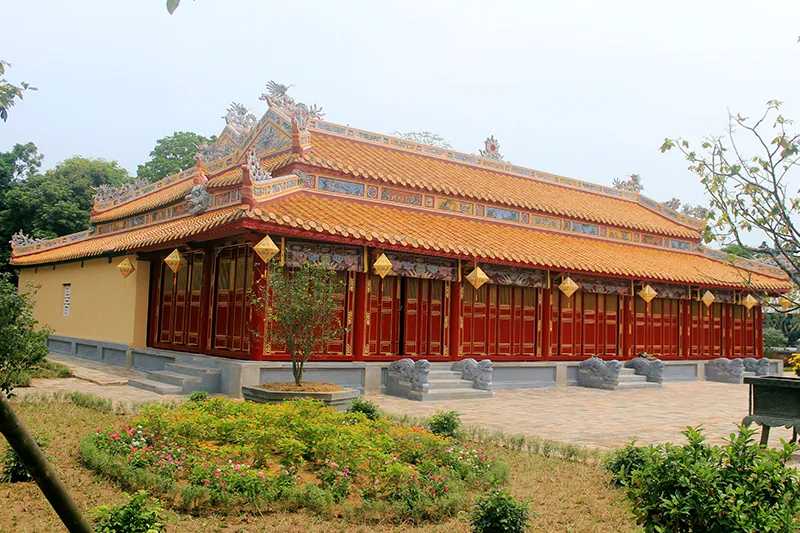
The UNESCO-listed Imperial Citadel, the riverine Royal Tombs strung along the Perfume River, and the temples of Thien Mu Pagoda constitute one of Southeast Asia's great heritage landscapes. But the lesser-known Hue — its neighborhood pagodas, its extraordinary cuisine, its slow river life — may be more rewarding still. Hue food is so distinctive that food scholars treat it as a separate regional cuisine; the imperial court demanded refinement and variety, and the culinary tradition that developed over 150 years of Nguyen rule has never been equaled.
The Tet Offensive of 1968 caused significant damage to parts of the Citadel, and the city carries historical weight accordingly. It is a thoughtful destination, most suitable for travelers who appreciate depth over spectacle.
Quick Facts
- Location: Thua Thien-Hue Province, central Vietnam, 108 km north of Da Nang
- Best time to visit: February to April and July to August
- Recommended stay: 2–4 days
- Daily budget: Budget $25–45 | Mid-range $55–100 | Luxury $120+
- Currency: Vietnamese Dong (VND)
Top Things to Do in Hue
1. Imperial Citadel (Dai Noi)
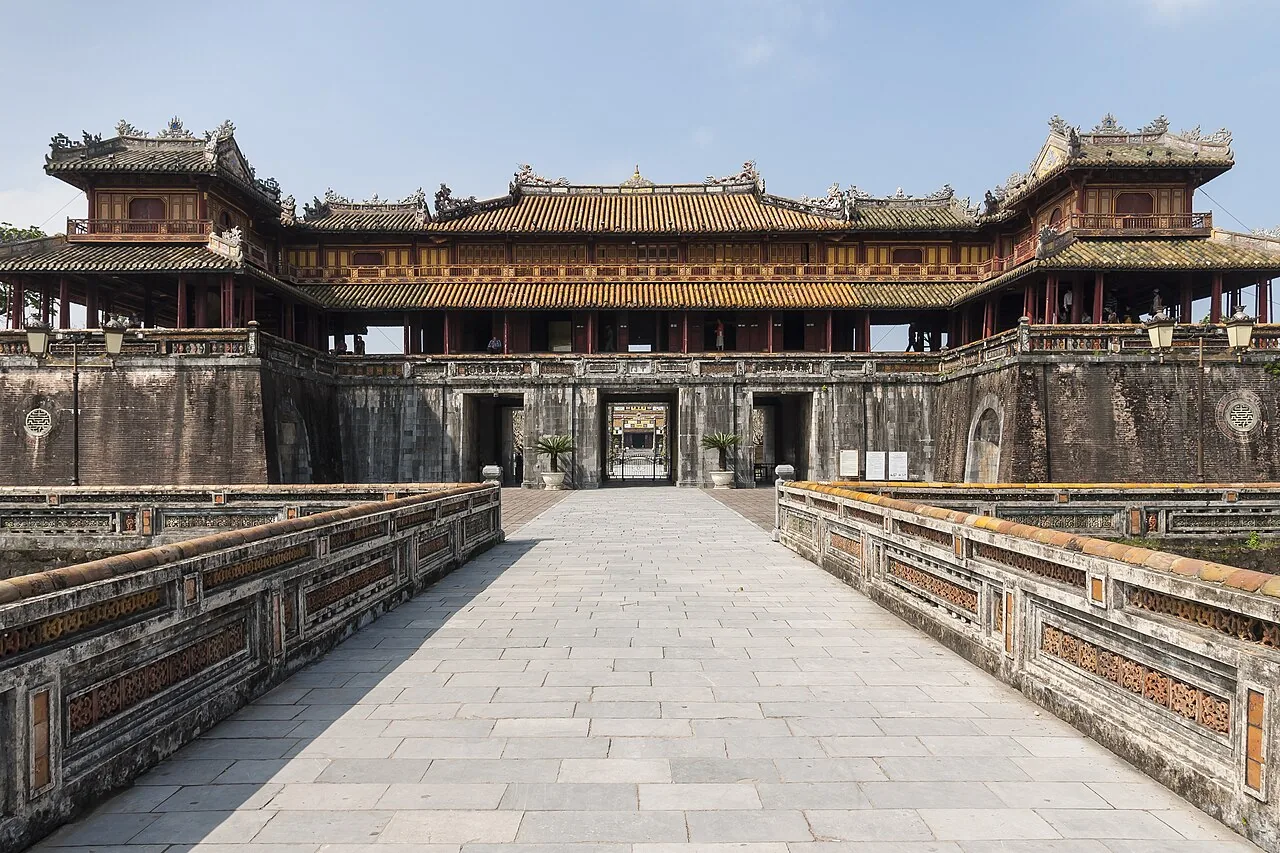
The heart of the Nguyen Dynasty's capital, the Citadel is a walled city-within-a-city covering 6 km2, ringed by a 10-meter-high wall and a moat. Inside the outer walls, the Imperial Enclosure contains the Purple Forbidden City — the private domain of the emperor — along with the Thai Hoa Palace (throne room), the Nine Dynastic Urns, and the Flag Tower. Much of the complex was destroyed during the Tet Offensive and subsequent decades of neglect; ongoing restoration is returning buildings to their earlier state. Duration: 3–4 hours minimum. Tip: Enter via the Ngo Mon Gate (Noon Gate) in the south; hire a guide inside for meaningful historical context (100,000–150,000 VND).
2. Tomb of Tu Duc
The most elaborate of Hue's seven royal tombs, Tu Duc's mausoleum complex was designed by the emperor himself — a poet-philosopher who reigned for 35 years — and completed in 1867. The grounds include a lotus pond, pavilions, a private theater, and a stele house containing Tu Duc's 4,935-word epitaph, written in his own hand. The melancholy of the place — an emperor who had no children and presided over the beginning of French colonization — permeates its design. Duration: 1.5–2 hours. Tip: 150,000 VND entry; best visited in morning light.
3. Thien Mu Pagoda
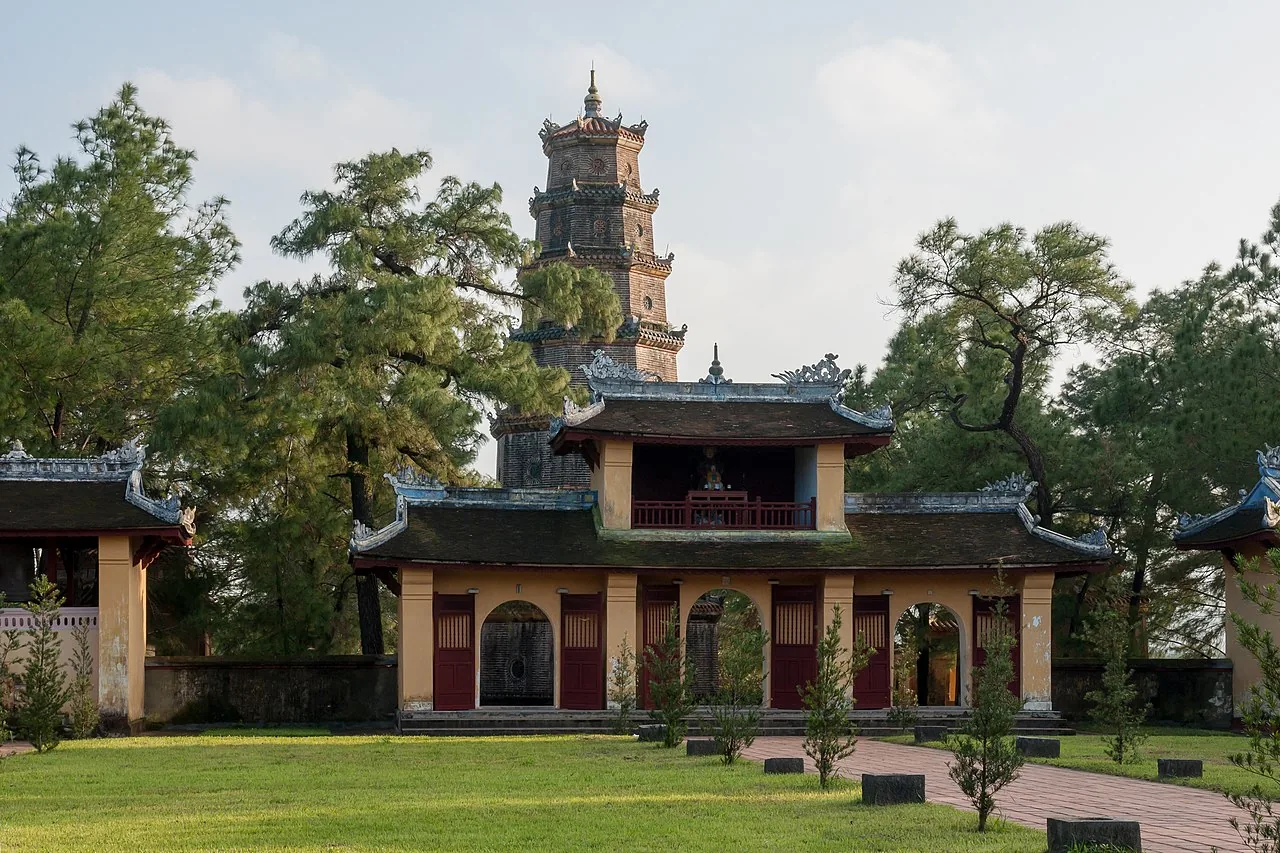
The seven-story Phuoc Duyen Tower, built in 1844, is Hue's most recognizable symbol — a celestial pagoda on a bluff above the Perfume River that has functioned as the city's spiritual center for over 400 years. The grounds contain ancient bronze bells, stone steles, and the preserved Austin car that carried the monk Thich Quang Duc to his 1963 self-immolation protest in Saigon. The riverbank setting, especially at sunrise or sunset, is among the most atmospheric in Vietnam. Duration: 1 hour. Tip: Free entry; most beautiful approached by boat on the Perfume River.
4. Perfume River (Song Huong) Boat Trip
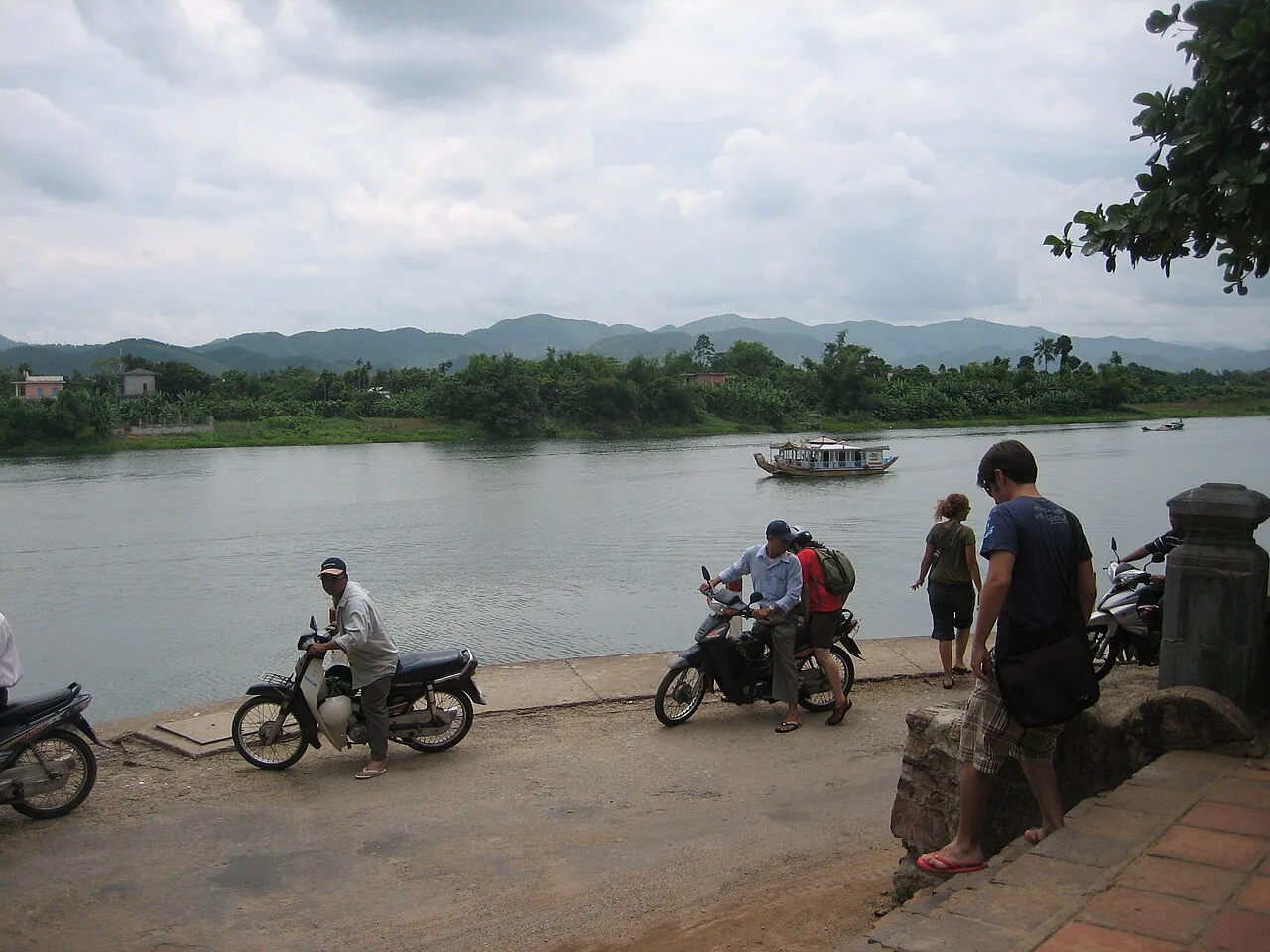
The Perfume River — named for the autumn flowers that once fell into its waters from upstream orchards — flows through the center of Hue. A dragon boat ride along the river, stopping at Thien Mu Pagoda, Hon Chen Temple, and selected royal tombs, is the traditional way to experience the imperial landscape. Duration: Half day to full day. Tip: Negotiate directly with boat operators at the Toa Kham jetty for better rates (500,000–800,000 VND for a private half-day boat).
5. Tomb of Minh Mang
Built between 1841 and 1843, Minh Mang's tomb is considered the architectural masterpiece among Hue's royal mausoleums — a formal, symmetrical landscape of lakes, pavilions, and gates that reflects Confucian principles of balance and order. The emperor who commissioned it died before its completion. Duration: 1.5 hours. Tip: 150,000 VND entry; best combined with Tu Duc as a half-day royal tombs excursion.
6. Hue Royal Cuisine Experience
Hue developed the most refined culinary tradition in Vietnam under imperial patronage. The imperial kitchen was required to serve the emperor 50 different dishes at every meal, presented with ceremonial precision. The tradition has evolved into a distinctive local cuisine that includes dozens of unique dishes unavailable elsewhere. Several restaurants — Tinh Gia Vien, Le Parfum at La Residence Hotel, and Nina's Cafe — serve imperial banquet-style meals. Duration: 2 hours for a full imperial meal. Tip: A proper imperial meal at a reputable restaurant costs $20–40 per person; it is worth the investment.
7. Dong Ba Market
Hue's largest and oldest market, Dong Ba has traded since 1899. The covered halls contain fresh produce, dried goods, Hue specialties (sesame candies, rice cakes, conical hat materials), and a lively food court on the upper floor. The market's ground floor riverside section is where local life happens most visibly. Duration: 1–1.5 hours. Tip: The food court on the second floor serves cheap authentic local food from 5am.
8. An Dinh Palace
The most Europeanized of Hue's imperial structures — a French-style villa built in 1917 for Prince Buu Dao, later used by the last emperor Bao Dai. Its eclectic facade blends neoclassical elements with Nguyen ornamentation. Less visited than the main Citadel sites, which gives it a quieter character. Duration: 45 minutes. Tip: Entry is 30,000 VND; the interior decor is fascinatingly hybrid.
9. Village Cycling Tour
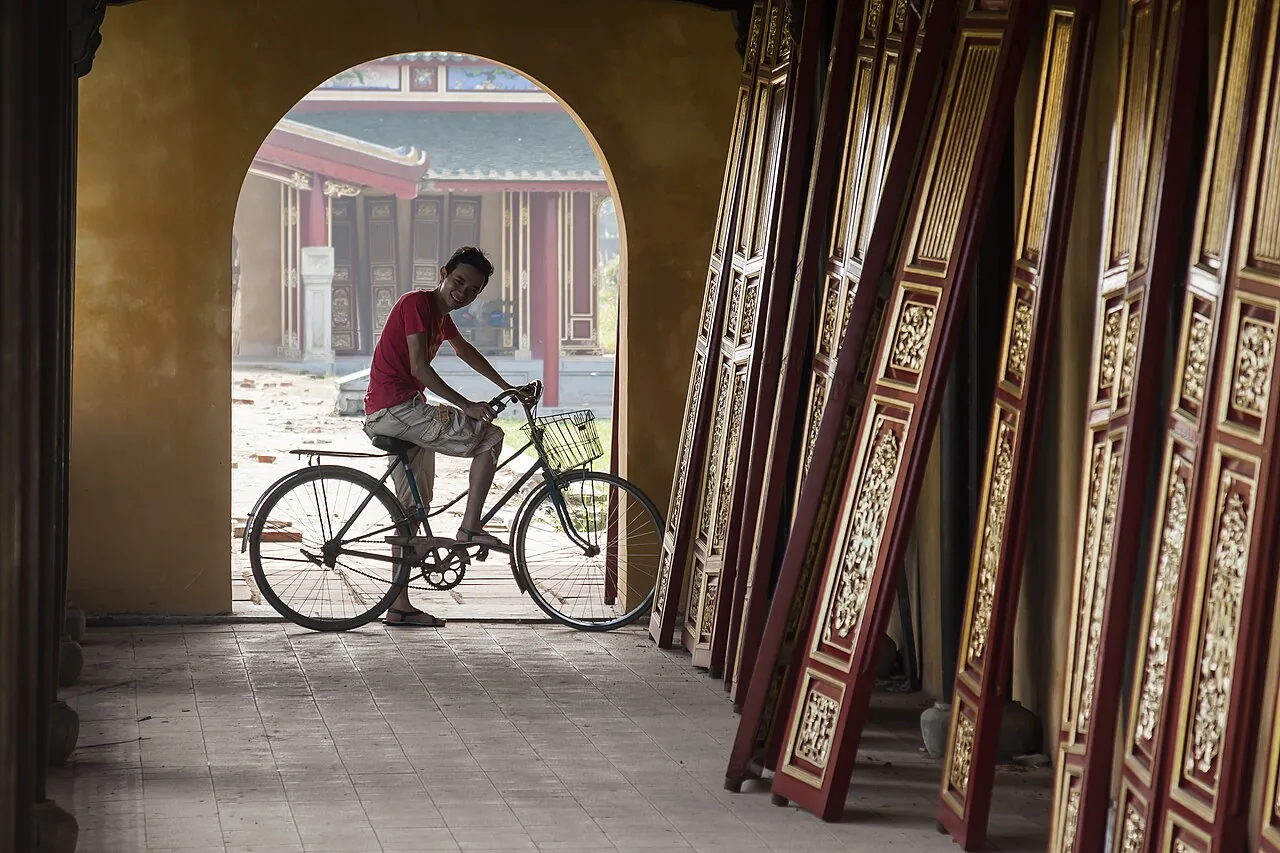
The villages around Hue — including Thanh Toan Bridge Village, the conical hat-making village of Phu Cam, and the incense-making workshops of Thuy Xuan — are accessible by bicycle on flat terrain. Thuy Xuan in the afternoon, when workers assemble incense sticks in the open air surrounded by colored powder, is one of the most photographically compelling scenes in Vietnam. Duration: Half day. Tip: Bikes rent for 50,000–80,000 VND/day; the Thuy Xuan incense village is 7 km from the Citadel.
10. Hue at Night — Nguyen Dinh Chieu Walking Street
The pedestrian zone along the Perfume River, near Trang Tien Bridge, comes alive in the evenings with food stalls, art vendors, and local families. The river views at night — with the Citadel illuminated across the water — are among Hue's most atmospheric. Duration: 1–2 hours. Tip: Try banh beo (steamed rice cakes) and banh nam (flat steamed dumplings) from street stalls here.
Local Food and Specialties
Hue cuisine is the most complex in Vietnam — characterized by intense flavors, careful presentation, and a preference for small portions of many dishes over large servings of a few. The imperial tradition demanded variety, and the city's cooks elevated this into an art.
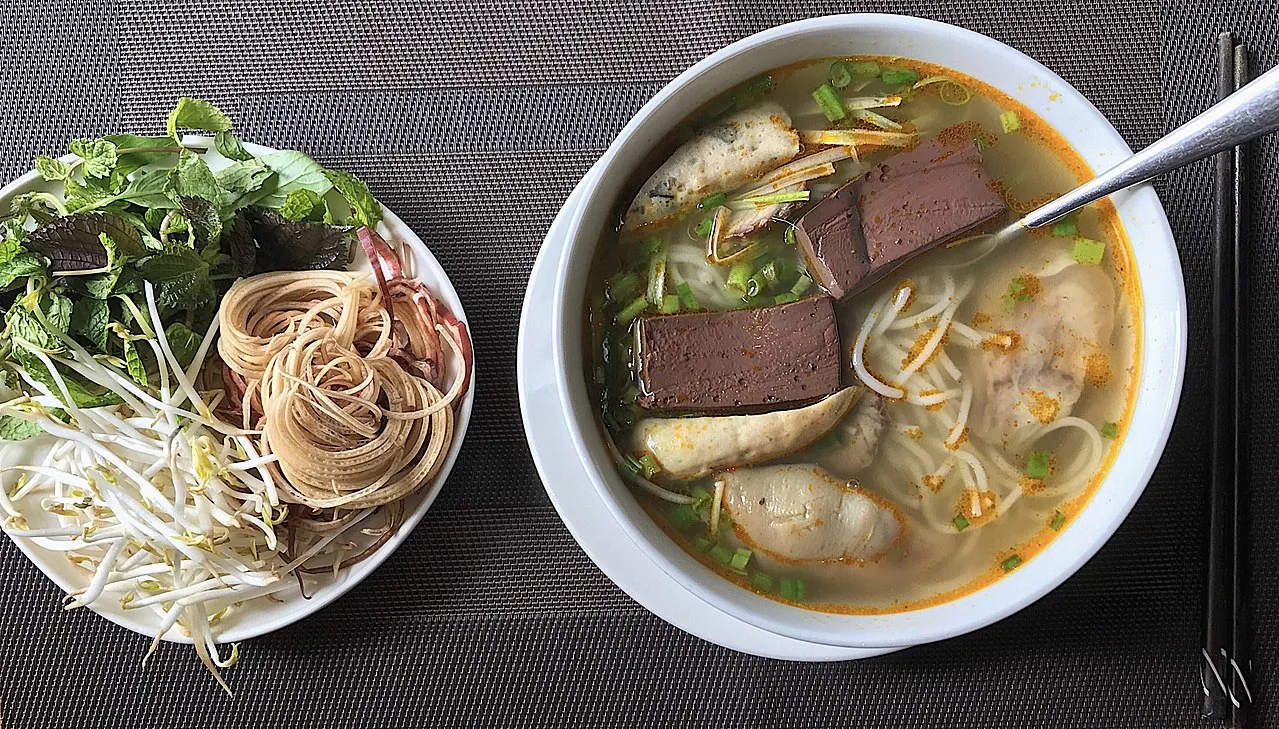
Bun Bo Hue: The city's most famous dish — a spicy, deeply flavored beef noodle soup with lemongrass, shrimp paste, and thick round noodles. More complex and assertive than Hanoi's pho. Try it at Bun Bo O Thuy on Nguyen Cong Tru Street from 6am.
Banh Beo: Small steamed rice cakes topped with dried shrimp, pork crackling, and scallion oil. Eaten by the dozen, at 5,000–8,000 VND each, on the street or in dedicated banh beo restaurants.
Banh Khoai (Happy Pancake): A smaller, crispier version of banh xeo — a rice-flour crepe filled with pork, shrimp, and bean sprouts, served with a fermented peanut-liver dipping sauce specific to Hue. Best at the cluster of stalls on Pham Thi Lien Street.
Com Hen (Tiny Clam Rice): Cold rice topped with tiny river clams, pork crackling, peanuts, sesame, chili, and herbs — a breakfast dish with an intensity of flavor that belies its small clams. Peculiar and wonderful. Available from street stalls near Dong Ba Market from 5am.
Chè (Sweet Dessert Soup): Hue produces dozens of varieties of chè — layered sweet soups with taro, lotus seeds, mung beans, jelly, and coconut milk. Several dessert shops on Hung Vuong Street specialize exclusively in chè.
Best Time to Visit Hue
February–April: The best season. Tet (late January/February) brings the city alive for celebrations; March and April offer the most reliable warm, dry weather. The Hue Festival of arts and culture runs in even-numbered years (2024, 2026) for a full week in April.
July–August: Hot (35–38°C) but dry and sunny. Popular with domestic tourists; advance booking recommended.
May–June: Increasingly hot; transition toward the wetter season in the south.
September–December: Hue's rainy season is among the wettest in Vietnam — the city receives most of its annual rainfall between September and November, with regular flooding along the Perfume River. Some years bring severe floods. Travel is possible but be prepared for disruption.
January: Cool, occasionally cold (15–18°C at night), with some drizzle. Quiet season with lower prices.
Where to Stay in Hue
Budget (under $30/night): Hue Backpackers Hostel and Lantana Boutique Hue offer well-located affordable rooms near the Citadel.

Mid-range ($50–110/night): Moonlight Hotel Hue and Eldora Hotel deliver comfortable riverside accommodation. Villa Louise Hue is a charming small property in a restored colonial house.
Luxury ($120+/night): La Residence Hotel & Spa, a former French governor's residence, is Hue's finest hotel — riverside, colonial, and impeccably maintained. Pilgrimage Village Boutique Resort & Spa offers a more retreat-like experience in a garden setting.
Recommended areas: The strip along Le Loi Street bordering the Perfume River combines central location with atmospheric walks. The Pham Ngu Lao backpacker area offers budget concentration.
How to Get to Hue
By air: Phu Bai Airport, 15 km south of the city, handles domestic flights from Hanoi (1 hour 10 min) and Ho Chi Minh City (1 hour 20 min). Taxi to city center: 150,000–200,000 VND.
By train: The Reunification Express stops at Hue on the Hanoi–Ho Chi Minh City line. Hanoi to Hue: 13–14 hours. Da Nang to Hue: 2.5–3 hours — one of Southeast Asia's great coastal rail journeys.
By bus: Hue to Da Nang: 2.5 hours (open-tour bus, ~$4). Hue to Hoi An: 3.5 hours. Hue to Hanoi: 13–15 hours (overnight).
By motorbike from Da Nang: Via the Hai Van Pass — 2.5 hours of spectacular coastal mountain road. One of the most recommended drives in Vietnam.
Suggested Itineraries
1 Day
Morning: Imperial Citadel (Thai Hoa Palace, Purple Forbidden City). Lunch: Bun bo Hue at a local stall. Afternoon: Thien Mu Pagoda by boat, Perfume River sunset. Evening: Nguyen Dinh Chieu Walking Street, street snacks.
2 Days
Day 1 as above. Day 2: Royal tombs of Tu Duc and Minh Mang by hired motorbike or bicycle, imperial cuisine dinner at Tinh Gia Vien.
3 Days
Days 1–2 as above. Day 3: Village cycling tour (Thuy Xuan incense village, Thanh Toan Bridge), Dong Ba Market morning, afternoon free for Citadel revisit or additional temples.
Local Culture and History
Hue's imperial period began in 1802 when Emperor Gia Long unified a divided Vietnam and established the Nguyen Dynasty — the last of Vietnam's royal houses — with Hue as its capital. The city was planned according to feng shui principles, with the Perfume River as its southern boundary and Ngu Binh Mountain as its protective northern screen.
Thirteen Nguyen emperors ruled from Hue over 143 years, constructing the complex of citadels, palaces, temples, and tombs that define the city's heritage. The dynasty's relationship with France evolved from cautious accommodation to colonial subjugation; by 1884 Hue functioned as an imperial capital under French protectorate, the emperor remaining as a ceremonial figurehead.
The last emperor, Bao Dai, abdicated in 1945 in the face of Ho Chi Minh's August Revolution — handing over the imperial seal to a delegation of the Viet Minh at the Ngo Mon Gate. The Nguyen Dynasty ended peacefully, on the steps of the same gate through which its founders had entered 143 years earlier.
The 1968 Tet Offensive brought intense urban combat to Hue for 26 days, resulting in significant civilian casualties and the destruction of much of the Citadel. Reconstruction has been ongoing since the 1990s.
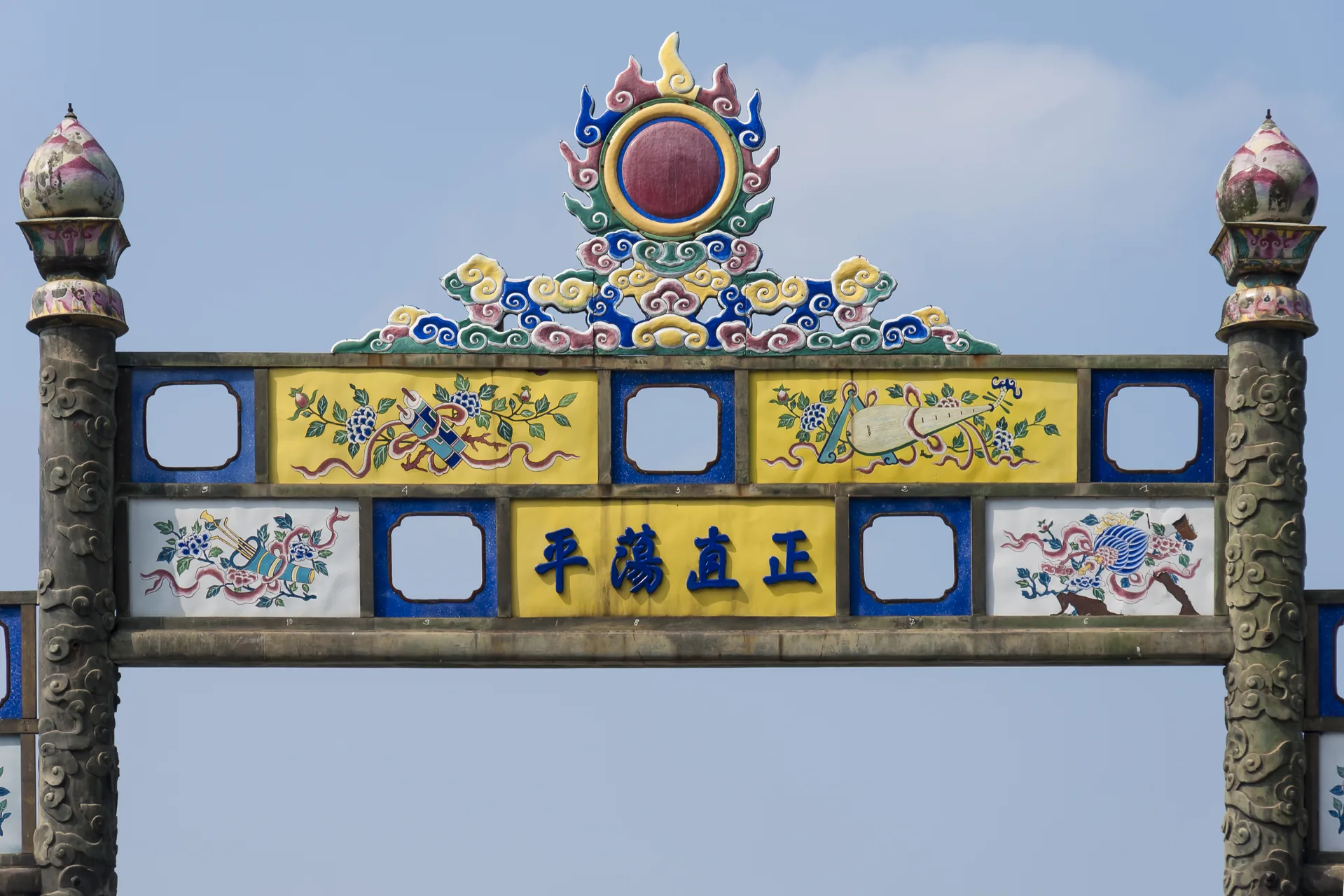
Huế Citadel — the imperial enclosure contains the Forbidden Purple City, royal temples, and audience halls; allow a full morning to explore the main compound
Travel Tips
- Guided visits: The Citadel and royal tombs are substantially more meaningful with a guide. Hire one at the entrance rather than booking through a hotel — rates are more transparent.
- Transport: The royal tombs are spread 5–15 km from the Citadel along the Perfume River. Hire a motorbike, bicycle, or dragon boat for efficient coverage.
- Flooding: If visiting September–November, check weather forecasts and keep flexibility in your schedule for rain disruptions.
- Dress code: The Citadel, royal tombs, and pagodas all require covered shoulders and knees. Carry a light scarf.
- Bargaining: Not standard in restaurants; appropriate in the Dong Ba Market for non-food items.
Frequently Asked Questions
How many days do I need in Hue? Two full days cover the major sites comfortably; three allows for the village excursions and a more relaxed pace.
Is Hue worth visiting if I'm short on time? Yes. Even one full day in the Citadel and along the Perfume River offers an experience unavailable elsewhere in Vietnam.
What is the difference between Hue pho and Hanoi pho? Hue's bun bo Hue is a different dish entirely — thicker round noodles, spicy lemongrass broth, and a more assertive flavor profile. Hue does not have a strong pho culture.
Is the Hue Festival worth planning around? The biennial Hue Festival (April, even-numbered years) brings extraordinary traditional performances, royal court reenactments, and cultural events to the Citadel grounds — worth incorporating if your dates allow.
Final Thoughts
Hue demands more than a single day, and rewards considerably more than most travelers invest. It is Vietnam's most historically substantial destination — a city where the architecture, food, and cultural memory form a coherent whole that illuminates the country's entire imperial period. Go slowly, eat everything, and approach the Citadel as a living document rather than a museum piece.
Keywords: Hue travel guide, things to do in Hue, best time to visit Hue, how to get to Hue, where to stay in Hue, Hue Imperial Citadel, royal tombs Hue, Hue food