Mekong Delta
Published on May 28, 2026
Mekong Delta Travel Guide
Meta description: Explore the Mekong Delta — floating markets, river canals, coconut groves, and the heartland of Vietnamese agriculture. Your complete travel guide.
Why Visit the Mekong Delta
The Mekong River, having traveled 4,350 km from the Tibetan Plateau through China, Myanmar, Laos, Thailand, and Cambodia, enters Vietnam and fans into nine distributaries across a flat, fertile delta before reaching the South China Sea. The Mekong Delta — known to Vietnamese as Cuu Long ("Nine Dragons") — is the country's rice bowl, producing more than half of its agricultural output on a landscape of canals, floating markets, fruit orchards, and stilted river villages.
It is a world apart from Vietnam's cities and highlands — slower, warmer, and governed by the rhythm of water. Getting around by boat is not a tourist activity but the fundamental transport logic of the region. Floating markets where vendors sell from loaded boats have operated for centuries. Villages are connected by suspension bridges, river ferries, and narrow canal paths. The delta's character — generous, agricultural, deeply rooted — makes it one of the most rewarding areas in Vietnam for travelers who want to step outside the standard tourist trail.
Quick Facts
- Location: Southern Vietnam; 9 provinces between Ho Chi Minh City and the Gulf of Thailand
- Best base: Can Tho (4 hours from HCMC), My Tho (75 km from HCMC for day trips)
- Best time to visit: December to April (dry season)
- Recommended stay: 2–4 days
- Daily budget: Budget $20–35 | Mid-range $45–80 | Luxury limited
Top Things to Do
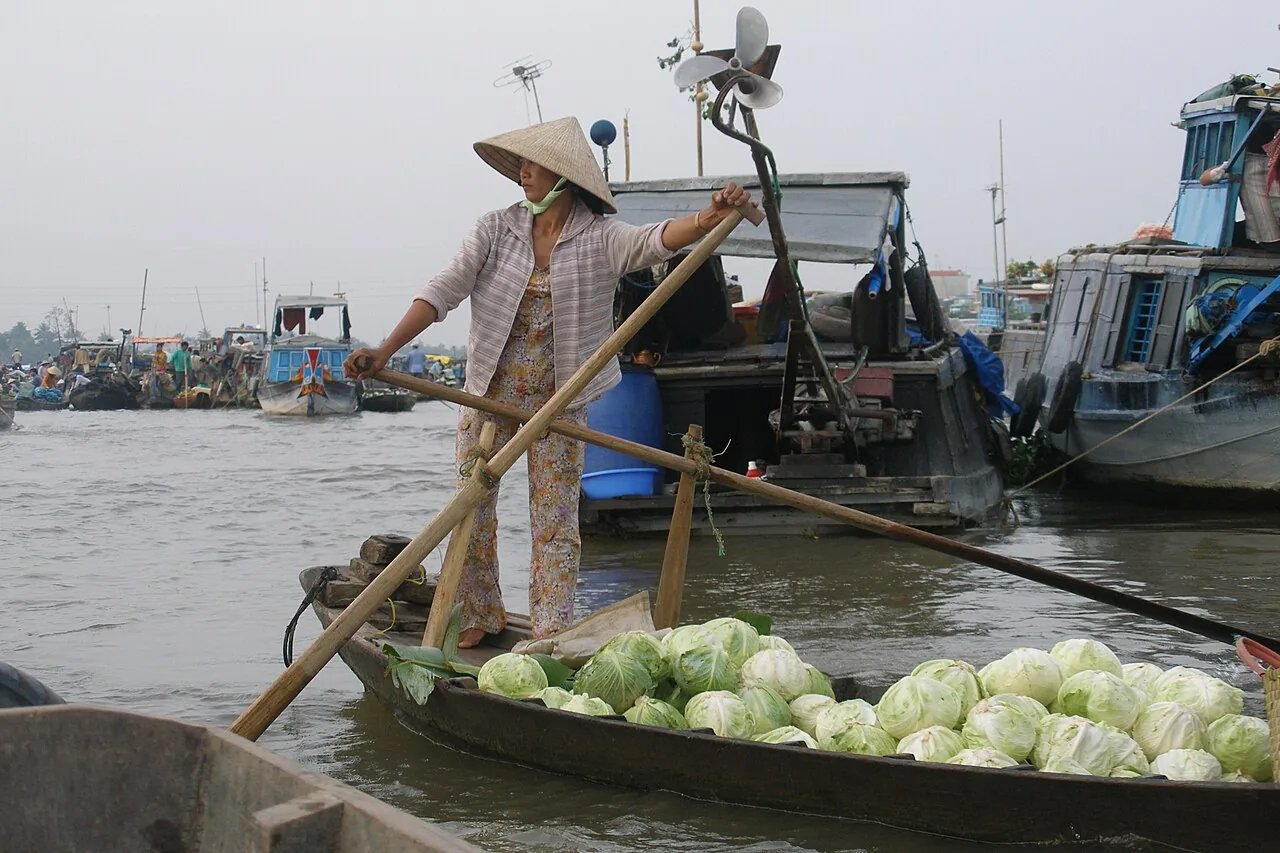
1. Cai Rang Floating Market (Can Tho)
The largest floating market in the Mekong Delta, Cai Rang operates from predawn until about 9am, 6 km from Can Tho by boat. Wholesale vendors in large boats display their wares on bamboo poles — a visual market language unique to the delta. Smaller sampans circle selling coffee, noodles, and breakfast to other traders. Duration: 2–3 hours on the water. Tip: Depart by 5:30am for the peak trading activity; the market fades by 9am.
2. Canal Sampan Tours (Ben Tre)
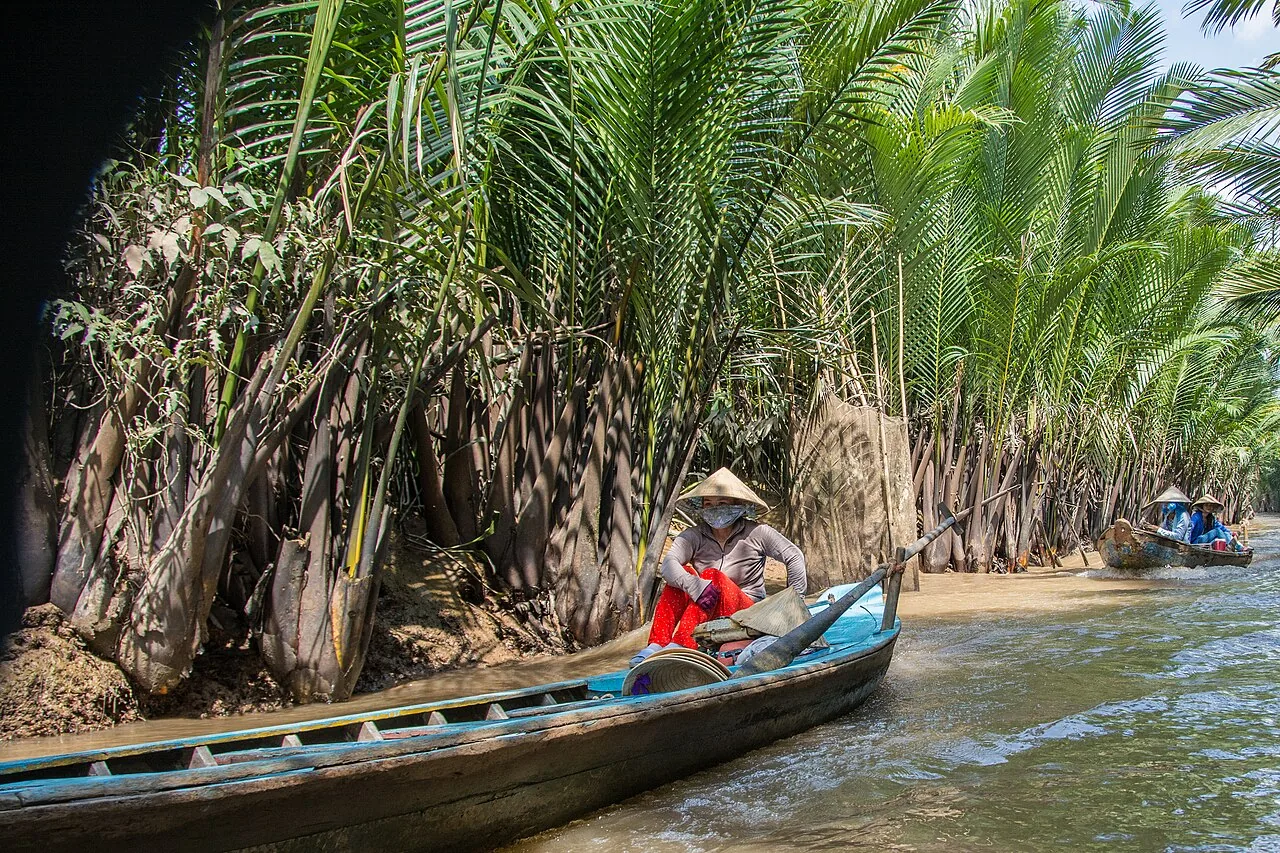
Ben Tre Province, accessible by ferry from My Tho, is the delta's most photogenic area — a dense network of coconut palm-lined canals navigated by narrow wooden sampans. Stops include coconut candy factories, rice-paper making workshops, and honey bee farms. Duration: Half day. Tip: Ben Tre is significantly less touristy than My Tho; the 30-minute ferry crossing adds minimal time.
3. Phong Dien Floating Market
A smaller, more authentic alternative to Cai Rang, Phong Dien (20 km from Can Tho) operates as a retail rather than wholesale market — vendors sell directly to local shoppers in a more intimate setting with fewer tourist boats. Duration: 2 hours. Tip: Depart at 5am and combine with a Cai Rang visit in the same morning.
4. Cycling Through Orchard Villages
The flat terrain of the delta makes it ideal for cycling through fruit orchards — mangosteen, rambutan, longan, and durian — that line the canal banks. Half-day cycling tours from Can Tho or Vinh Long pass through villages inaccessible by larger vehicles. Duration: 3–4 hours.
5. Con Dao Islands (from the Delta)
Accessible by fast boat from Vung Tau, the Con Dao archipelago sits 185 km offshore — a pristine national park of coral reefs, sea turtle nesting beaches, and French colonial prison ruins. A 2–3 day extension from the Delta. Tip: Boats run from Vung Tau; flights from Can Tho via Con Dao Airport.
6. Vinh Long Bird Sanctuary
An Binh Island near Vinh Long hosts one of the delta's most impressive bird sanctuaries — thousands of herons, storks, and cormorants roosting in flooded forest. Dawn and dusk visits by rowing boat offer extraordinary wildlife encounters. Duration: 1.5 hours.
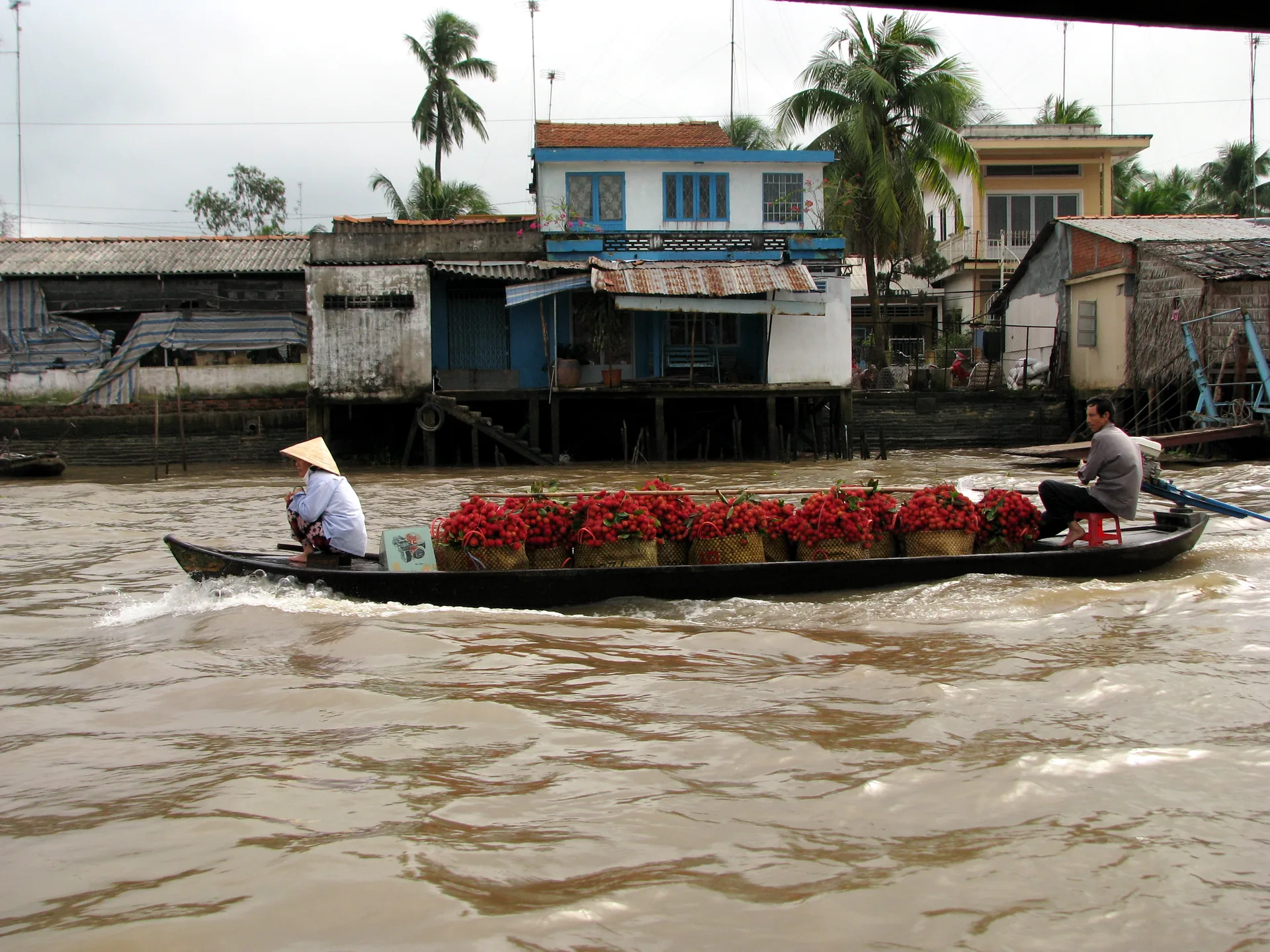
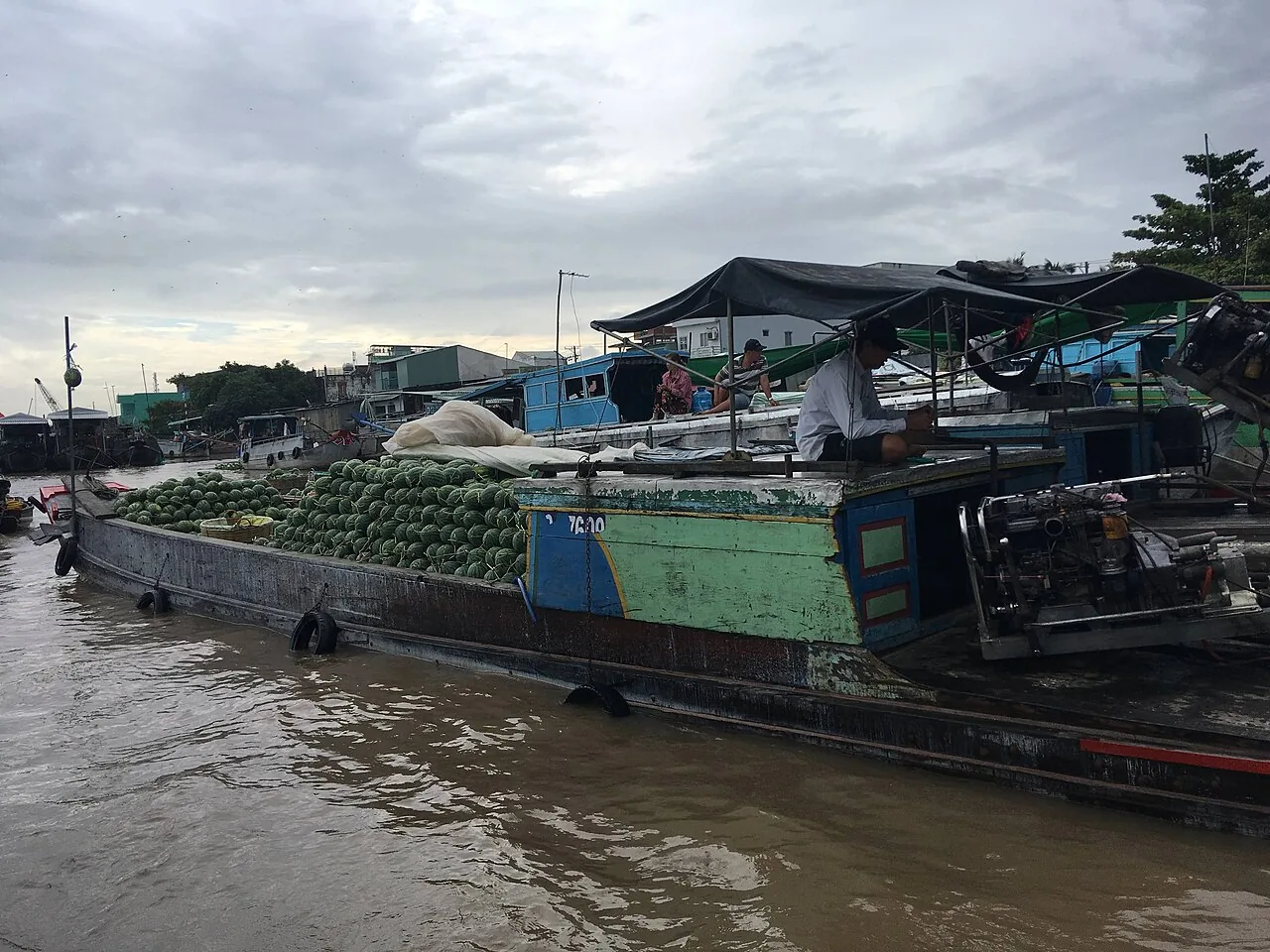
Cai Rang Floating Market, Can Tho — the largest floating market in the delta; arrive by 6am to see it at its busiest before vendors head home by mid-morning
7. Traditional Rice Paper and Coconut Candy Workshops
Delta villages produce Vietnam's rice paper, coconut candy, rice wine, and dried fruit for the national market. Short factory tours — often informal and free — show the entire production process from raw ingredient to packaged product.
8. Tra Su Cajuput Forest
A 850-hectare flooded cajuput forest in An Giang Province, best visited October–November when floodwaters fill the canals between the trees. Rowing boat tours through the forest at dawn, when purple water hyacinth flowers float between silver tree trunks, is one of the delta's most beautiful experiences.
Local Food
Hu Tieu My Tho: The delta's most distinctive noodle soup — thinner and more delicate than Saigon's version, with pork, seafood, and a fragrant bone broth. Best at dawn in My Tho's central market.
Banh Xeo (Sizzling Crepe): A large rice-flour crepe filled with pork, shrimp, and bean sprouts, eaten wrapped in lettuce with herbs and dipped in nuoc cham. Larger and crispier in the delta than central Vietnam versions.
Fresh Tropical Fruit: The delta's orchards produce the finest tropical fruit in Vietnam. Mangosteen, dragon fruit, rambutan, longan, and jackfruit sold directly from riverside stalls at 20,000–40,000 VND/kg.
Ca Kho To (Caramelized Fish in Clay Pot): Catfish braised in caramel and fish sauce until the flesh absorbs a dark, intensely savory glaze. Eaten over rice; available at almost every local restaurant.
Coconut-based Dishes: Ben Tre Province produces Vietnam's finest coconuts. Coconut rice, coconut candy, coconut soup, and coconut wine are local specialties unavailable in this form elsewhere.
Best Time to Visit
December–April: Dry season. Water levels drop, revealing more of the delta's structure. Markets and canal tours operate in optimal conditions.
October–November: Flood season — the Mekong's waters rise 2–3 meters above dry-season levels, turning vast areas into temporary lakes. The delta is extraordinarily beautiful during this period; the Tra Su Forest is at its peak.
May–September: Hot, humid, with heavy afternoon rain. Not ideal but workable.
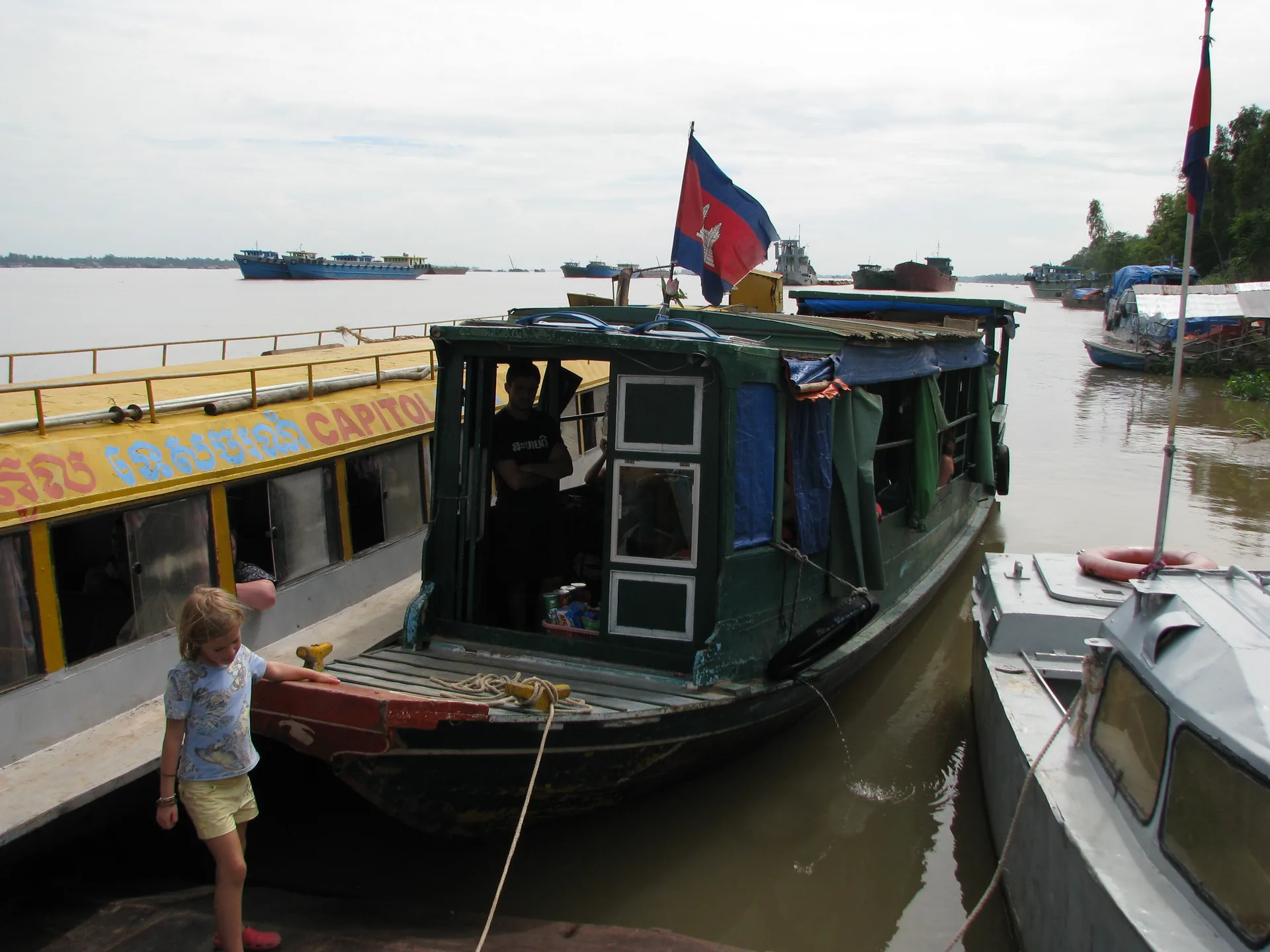
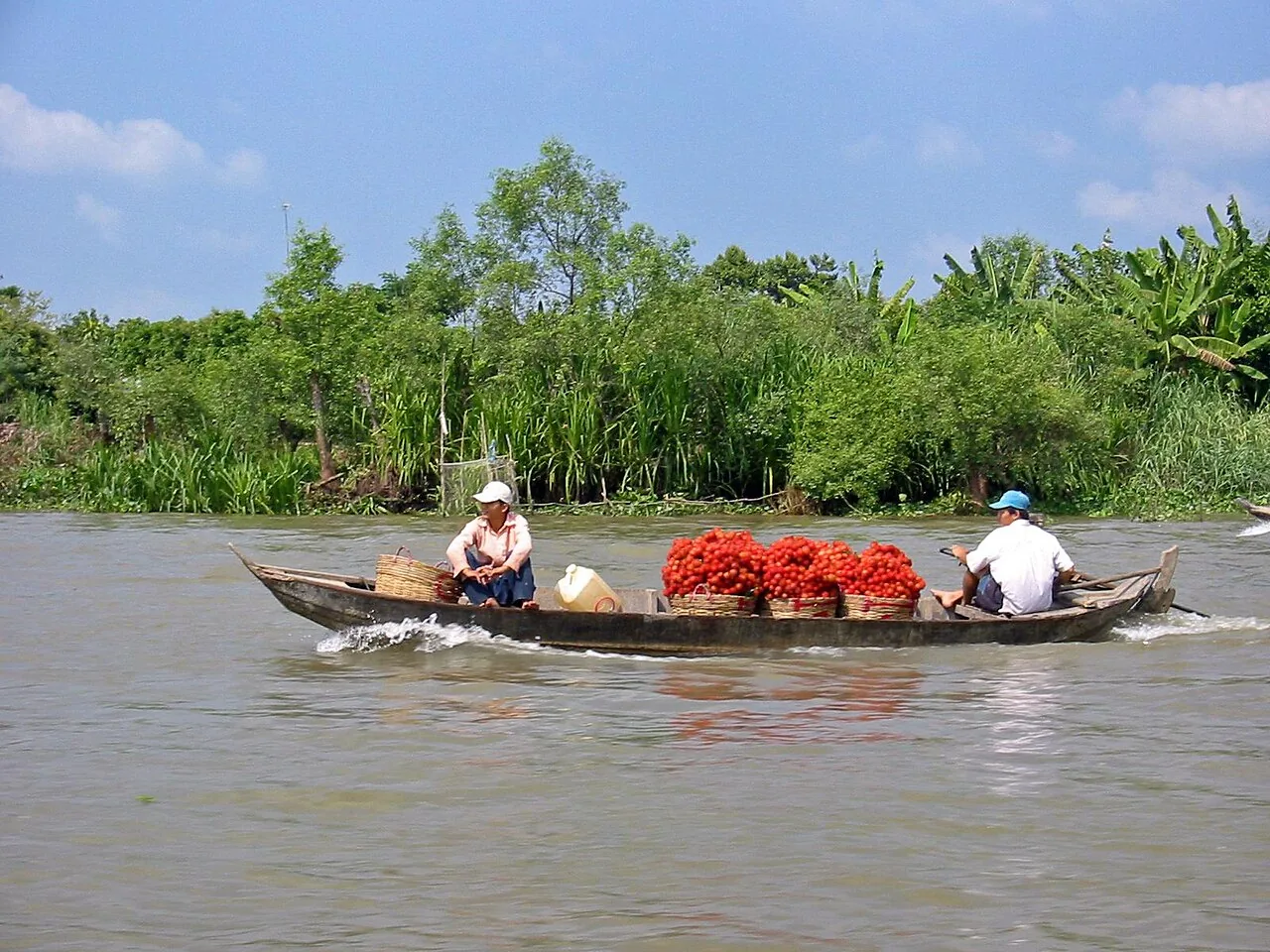
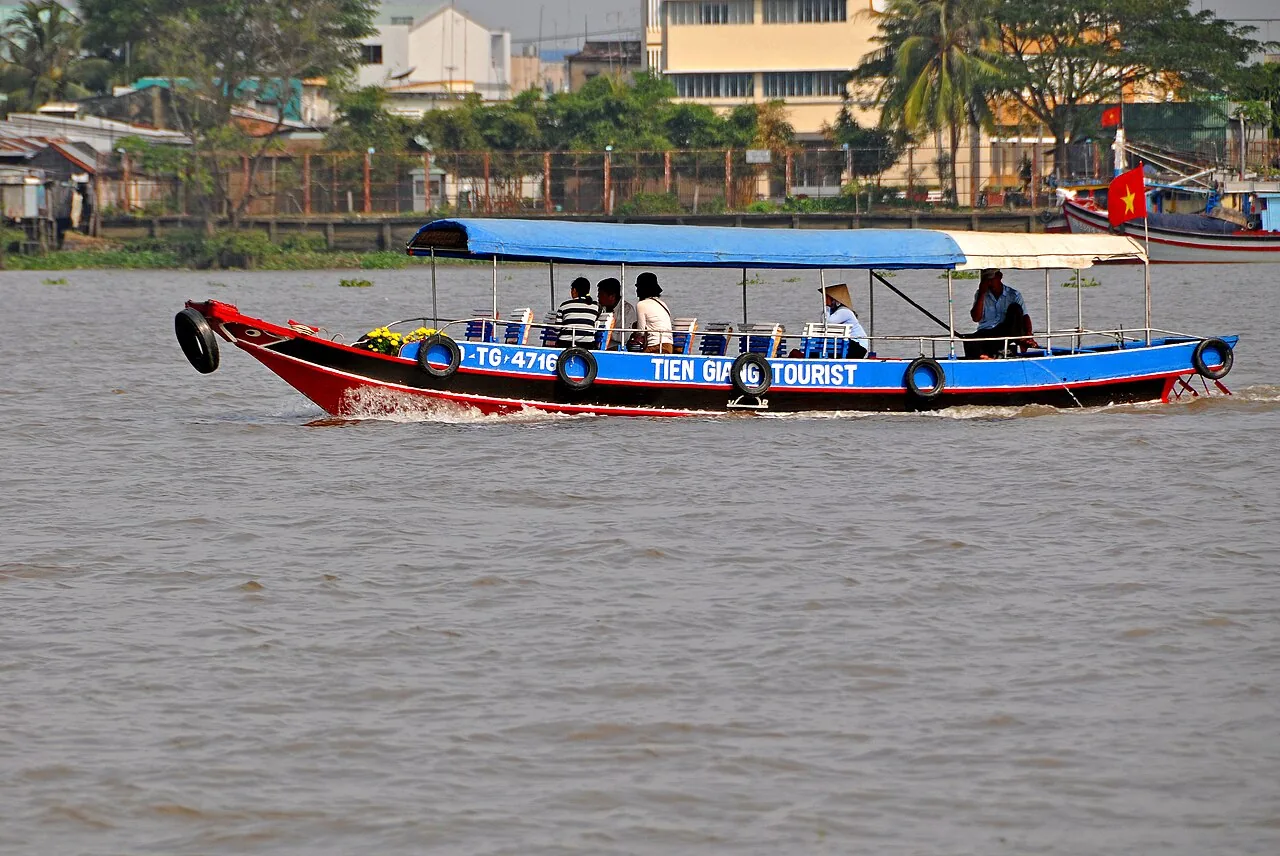
The Mekong at work — boat transport remains essential in the delta; sampans, ferries, and long-tail boats connect villages that road networks still do not fully reach
Where to Stay
Can Tho: Victoria Can Tho Resort (riverside luxury, $150+), Azerai Can Tho ($120+), and Nam Bo Boutique Hotel ($60–100) are the best options. Can Tho is the most practical delta base.
My Tho: For day-trippers from HCMC; limited quality accommodation.
Island homestays: Several islands near Vinh Long and Can Tho offer simple homestay accommodation with local families — the most immersive delta experience, typically $15–25/night including meals.
How to Get There
From Ho Chi Minh City to My Tho: Bus from Mien Tay terminal, 75 km, 2 hours, 60,000 VND. Ideal for day trips.
From HCMC to Can Tho: Express bus 4 hours (120,000 VND) or Grab car (600,000–800,000 VND).
By boat: The Toc Hanh high-speed ferry runs Saigon–Can Tho in 3.5 hours — a scenic alternative.
Suggested Itineraries
1 Day (Day trip from HCMC)
Depart Saigon 7am for My Tho; sampan tour in Ben Tre canal network; coconut candy factory; return by 6pm.
2 Days
Day 1: Travel to Can Tho. Day 2: 5am Cai Rang floating market, Phong Dien market, afternoon canal cycling tour.
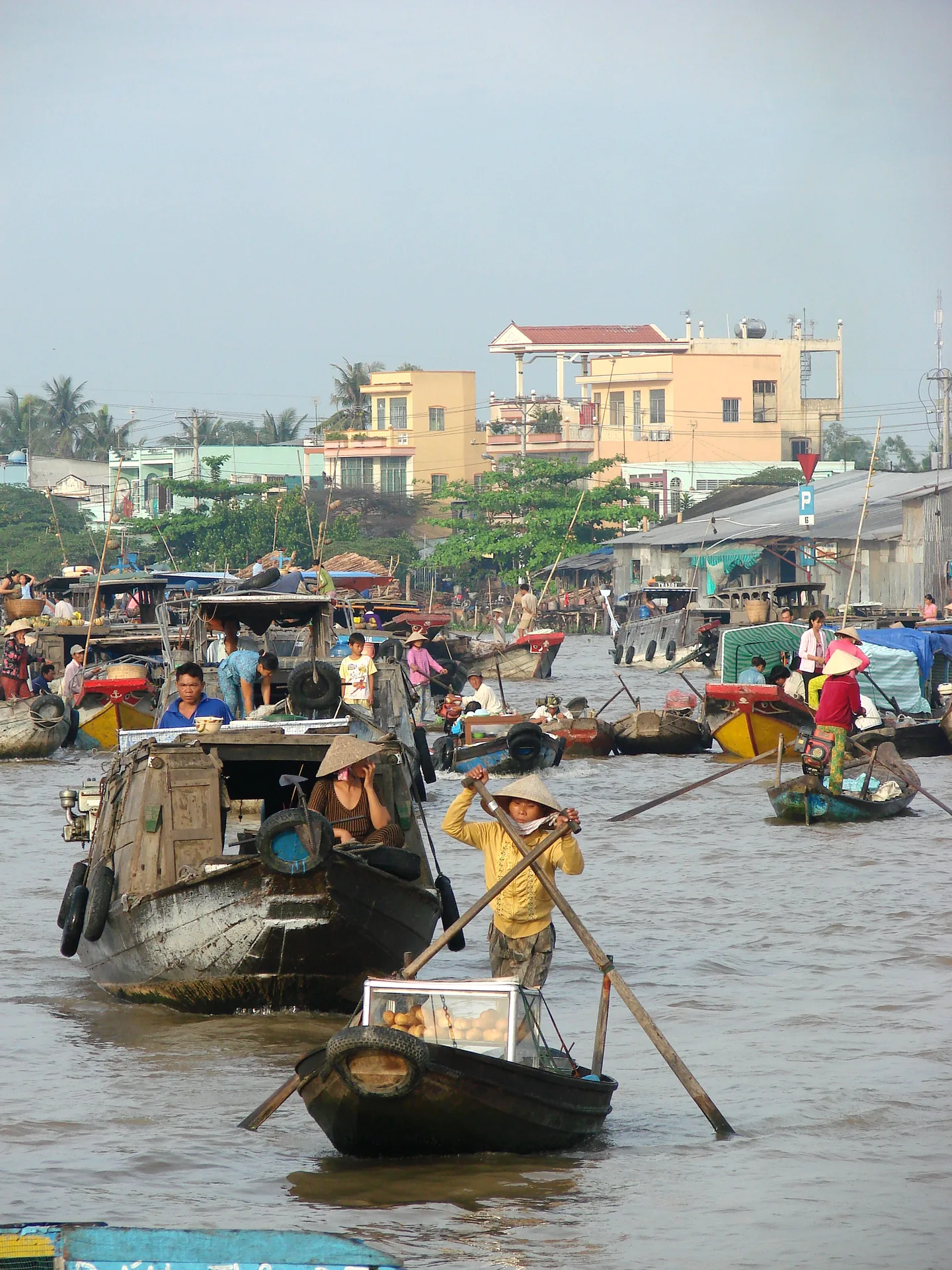
Can Tho — the delta capital and most practical base; Ninh Kieu riverside promenade is pleasant in the evening and the covered market behind it has excellent street food
3 Days
Days 1–2 as above. Day 3: Vinh Long bird sanctuary, orchard island visit, evening departure.
Culture and History
The Mekong Delta was largely Khmer territory until Vietnamese settlers moved south in the 17th and 18th centuries, absorbing a sparsely populated agricultural frontier. The French developed the delta's canal network into one of the most extensive irrigation systems in Asia, enabling mass rice cultivation. The region was a contested zone during the American War — the flat terrain made it difficult to defend and the canal network enabled Viet Cong movement. The delta's ethnic diversity — Vietnamese, Khmer, Cham, and Chinese communities — is visible in its pagodas, food, and village architecture.
Travel Tips
- Early rising: The delta's best experiences (floating markets, bird sanctuaries, canal morning light) all require 5–6am departures.
- Bargaining: At markets and with boat operators; firm up all prices before boarding.
- Insect repellent: Canal-side vegetation harbors mosquitoes in the evening.
- Currency: ATMs in Can Tho and My Tho; carry cash for village markets.
Final Thoughts
The Mekong Delta rewards travelers who accept its pace and its water-centered logic. It is not a destination for highlights — it is a destination for the quality of light on a canal at dawn, the chaos of a floating market, the taste of fresh durian eaten by the river. Allow two nights minimum.
Keywords: Mekong Delta travel guide, Cai Rang floating market, Can Tho Vietnam, Mekong Delta day trip, things to do in Mekong Delta, Ben Tre Vietnam