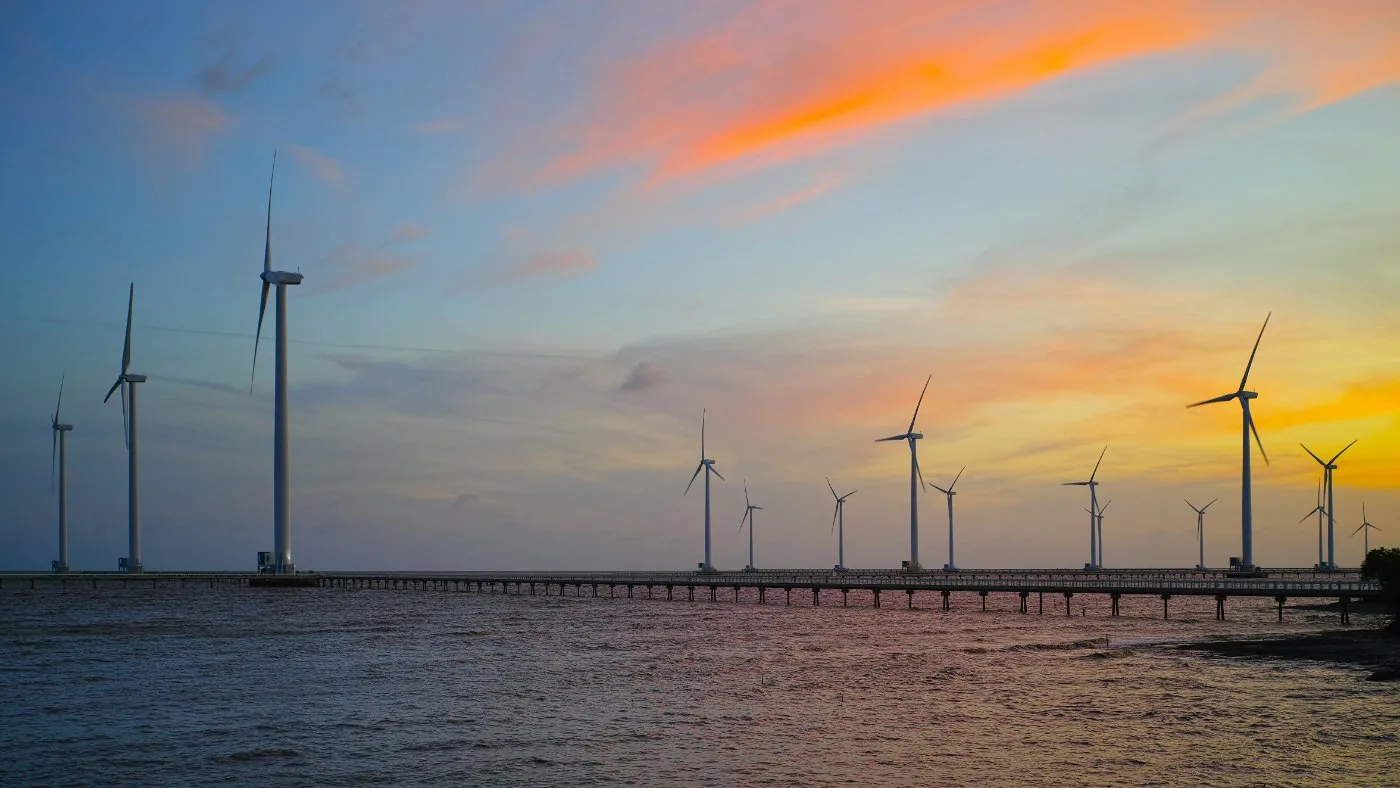
Mui Ca Mau
Mui Ca Mau Travel Guide
Meta description: The southernmost point of mainland Vietnam, a remote mangrove-fringed cape where the land quietly gives way to the sea.
Why Visit Mui Ca Mau
There's a particular appeal in standing at the literal edge of a country, and Mui Ca Mau, the southernmost tip of mainland Vietnam, offers exactly that experience. Set within Mui Ca Mau National Park, this remote cape marks the point where the Mekong Delta's alluvial soil, still actively forming from sediment carried down the river system, meets the sea in a landscape of dense mangrove forest, mudflats, and quiet waterways. It's less a conventional sightseeing destination and more a pilgrimage for travelers drawn to geographic extremes and untouched natural environments.
Getting here takes real effort, since Ca Mau sits at the very bottom of Vietnam's map, far from the well-trodden circuits further north, which is precisely what keeps the area so undeveloped and ecologically significant. The national park protects one of the country's most important remaining mangrove ecosystems, a maze of waterways and root systems that serves as a nursery for countless fish and bird species, and a visit here offers a genuinely different side of the Mekong Delta than the more accessible floating markets and canals further upriver.
Quick Facts
- Location: Ngoc Hien District, Ca Mau Province, the southernmost tip of mainland Vietnam
- Distance from Ca Mau City: About 100 km, roughly 2-3 hours by road and boat
- Ideal trip length: Full day or overnight trip
- Getting around: Boat is essential for exploring the mangrove waterways
- Known for: Southernmost point marker, mangrove forest, Mekong sediment delta
Top Things to Do
Visit the southernmost point marker. A monument marks the official southern tip of mainland Vietnam, a popular photo spot for Vietnamese travelers completing a symbolic journey from the country's northern border to its southern edge, and an easy way for foreign visitors to mark the same geographic milestone.
Take a boat trip through the mangrove forest. Small boats wind through narrow channels beneath dense mangrove canopy, offering close access to an ecosystem that plays a critical role in coastal protection and marine biodiversity, and a completely different visual experience from the delta's more open canal networks further north.
Climb the observation tower. A tall viewing tower within the national park offers a rare elevated perspective over the surrounding mangrove forest and the point where the delta meets the sea, giving a genuine sense of the landscape's scale.
Spot birds and wildlife. The park's wetlands support a wide range of resident and migratory bird species, along with fish and crustaceans that thrive in the nutrient-rich brackish water where river and sea mix.
Learn about ongoing land formation. Unlike most coastlines, this part of Vietnam is actively growing as sediment from the Mekong River continues to build new land, a genuinely unusual geological process that park rangers and guides are often happy to explain in more detail.
Local Food
Ca Mau province is known throughout Vietnam for its seafood, and the area around Mui Ca Mau is no exception, with fresh crab, shrimp, and fish pulled directly from the surrounding mangrove waterways. Ca Mau crab in particular has a strong national reputation, prized for its sweet, firm meat, and sampling it fresh in the province that made it famous is a highlight for many visitors. Locally raised mud crab and clams, harvested from the mangrove mudflats, feature heavily on menus throughout the area, often prepared simply, steamed or grilled, to let the seafood's natural flavor take center stage. The remoteness of the region means dining options are limited to a handful of local restaurants, but the quality and freshness of the seafood consistently make up for the lack of variety.
Best Time to Visit
The dry season from December through April offers the most comfortable travel conditions, with calmer waterways and less rainfall making boat trips through the mangroves more pleasant. The wet season from May through November brings heavier rain and higher humidity, though the mangrove forest is at its lushest and greenest during this period. Given the area's remoteness and reliance on boat transport, checking weather conditions before setting out is particularly important, since heavy rain can affect both comfort and the practicality of some boat routes.
Where to Stay
Ca Mau City, the provincial capital, offers the main selection of hotels and guesthouses for travelers exploring the region, though it sits a couple of hours from the cape itself. A small number of basic accommodations exist closer to the national park for those wanting to catch sunrise or sunset at the southernmost point, though facilities remain simple given the area's remote, undeveloped character. Most visitors treat Mui Ca Mau as a long day trip or a single overnight stop rather than a extended stay, given the limited infrastructure this far south.
How to Get There
Reaching Mui Ca Mau requires real commitment: from Ca Mau City, it's roughly 2 to 3 hours combining road travel and boat transport through the delta's waterways to reach the cape itself, since much of the final approach isn't accessible by conventional road. Ca Mau City itself is reachable by domestic flight from Ho Chi Minh City, or by a long road journey of 300-plus kilometers through the Mekong Delta, making the entire trip a multi-day undertaking for most travelers coming from outside the immediate region.
Final Thoughts
Mui Ca Mau rewards travelers willing to go the extra distance, quite literally, with a genuine sense of arrival at the edge of the country and a landscape unlike anywhere else in Vietnam's more visited regions. For those fascinated by geographic extremes, mangrove ecosystems, or simply completing the full length of Vietnam from north to south, standing at this quiet, ever-growing southern tip is an experience worth the long journey it takes to get there.