My Son Sanctuary
Published on May 28, 2026
My Son Sanctuary Travel Guide
Meta description: Explore My Son Sanctuary — Vietnam's ancient Cham Hindu temple complex and UNESCO World Heritage Site. Complete travel guide 2025.
Why Visit My Son
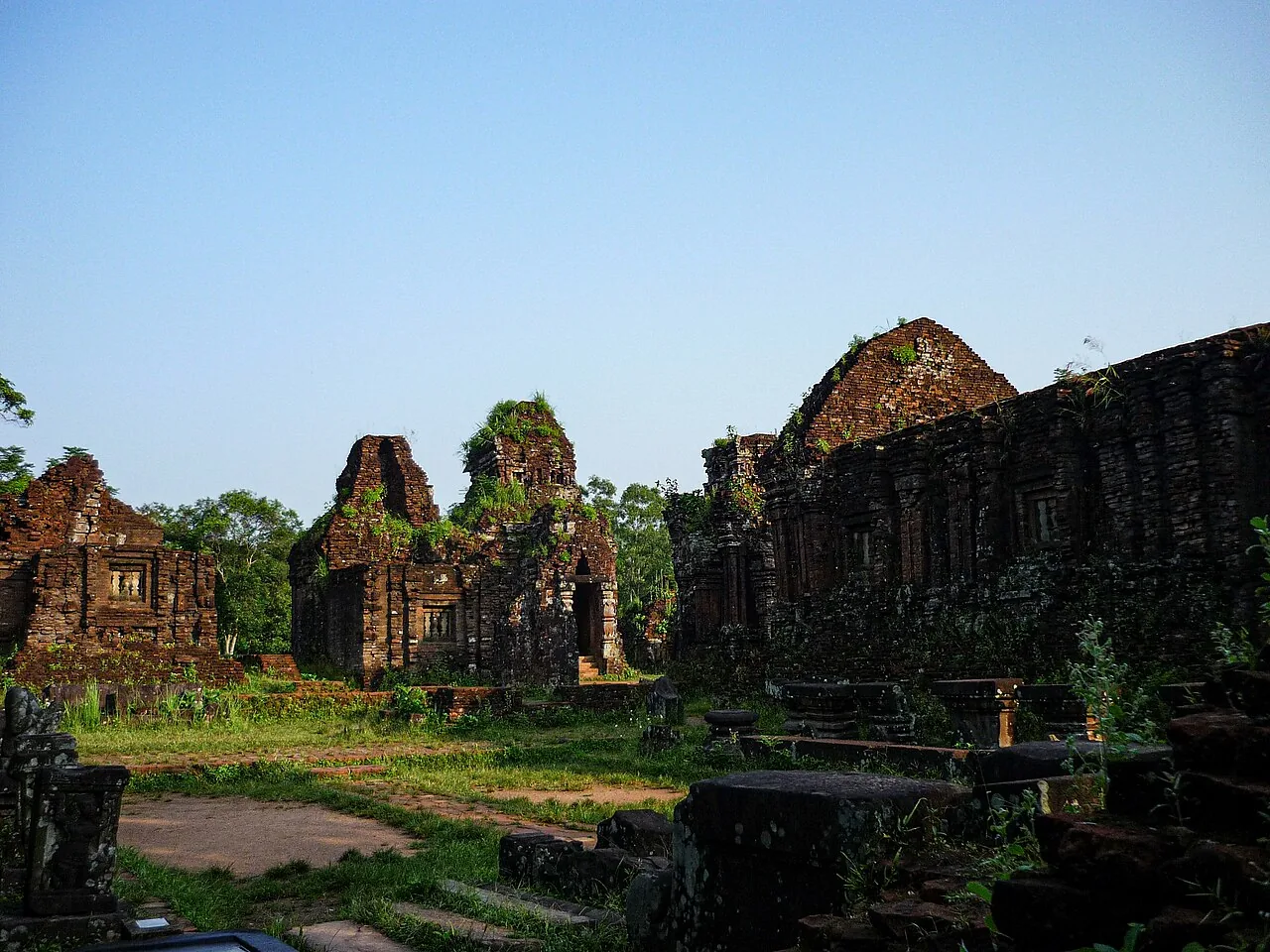
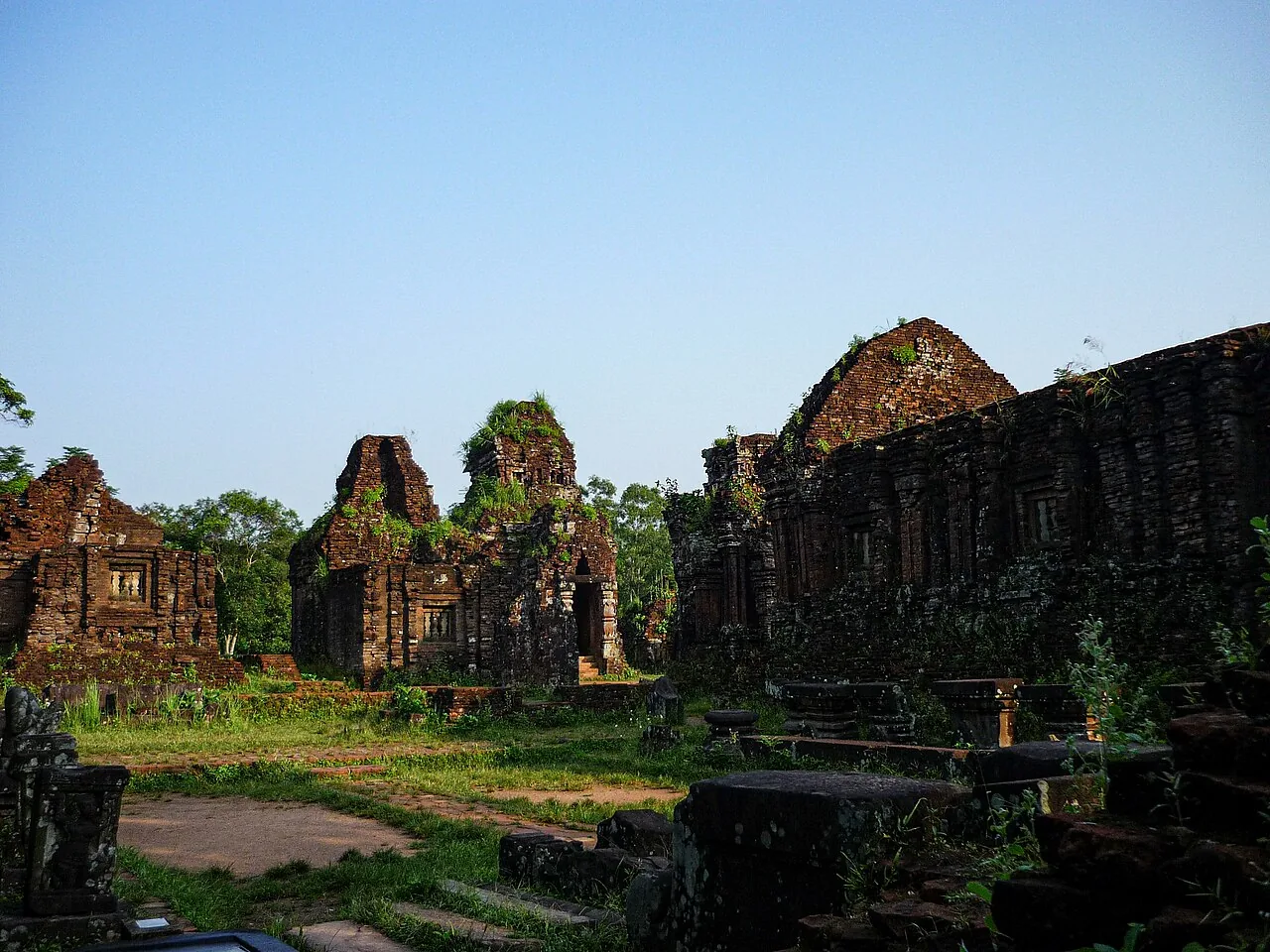
My Son Sanctuary is one of Southeast Asia's most important and evocative archaeological sites — a valley of Hindu temple towers built by the Cham Kingdom between the 4th and 14th centuries, set against a dramatic backdrop of jungle-covered mountains 70 km southwest of Da Nang. At its peak, My Son served as the religious and ceremonial capital of the Cham civilization, which ruled the central Vietnamese coast for a thousand years.
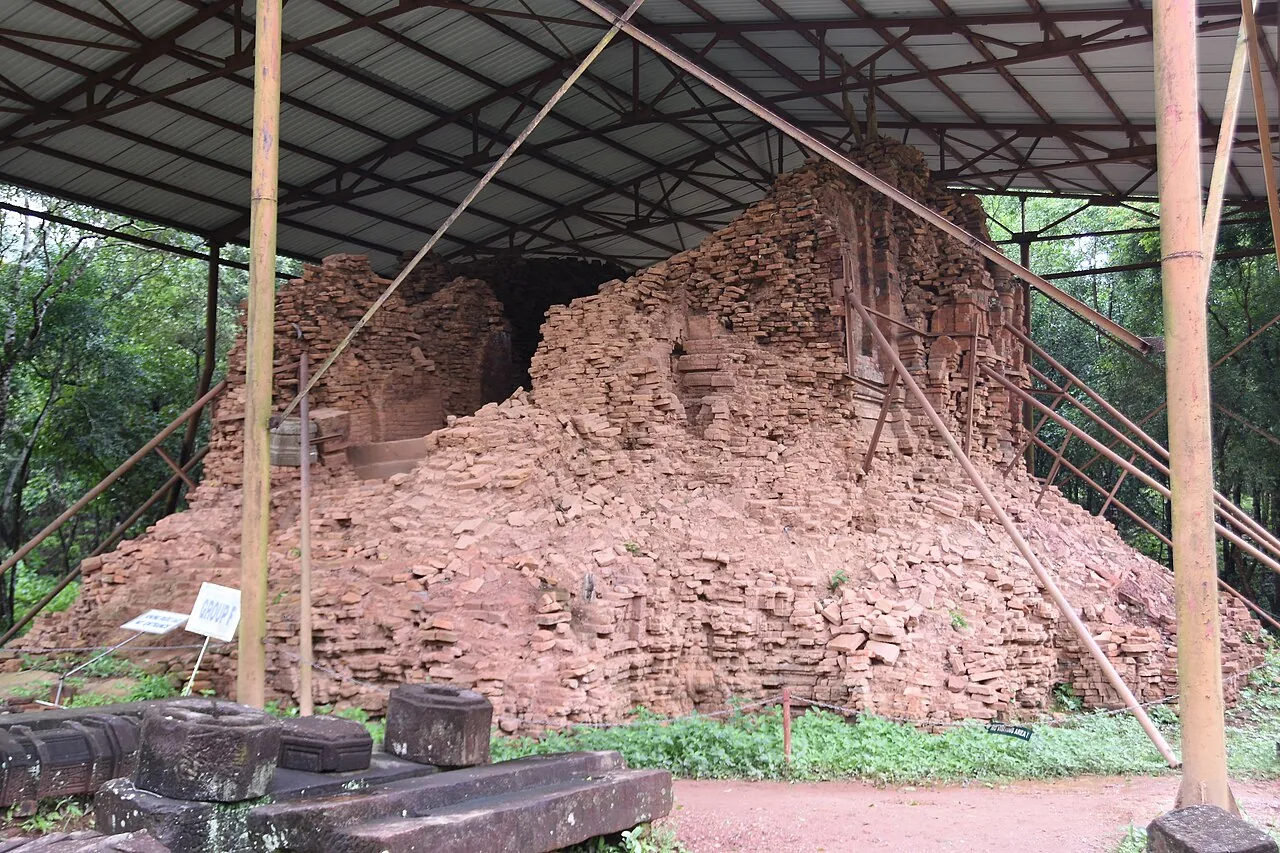
The temples were severely damaged by American bombing in 1969, and portions of the site were quarried for stone during later construction projects. What remains — around 20 of the original 70+ towers in various states of preservation — is still extraordinary in atmospheric terms: moss-covered red brick structures rising from a jungle clearing, with carved sandstone panels depicting Hindu deities, mythological battles, and celestial dancing apsaras.
Quick Facts
- Location: Quang Nam Province, 70 km southwest of Da Nang, 45 km from Hoi An
- Best time to visit: February to August (dry season)
- Recommended stay: Half day to full day
- Entry fee: 150,000 VND
- UNESCO status: World Heritage Site since 1999
Top Things to Do
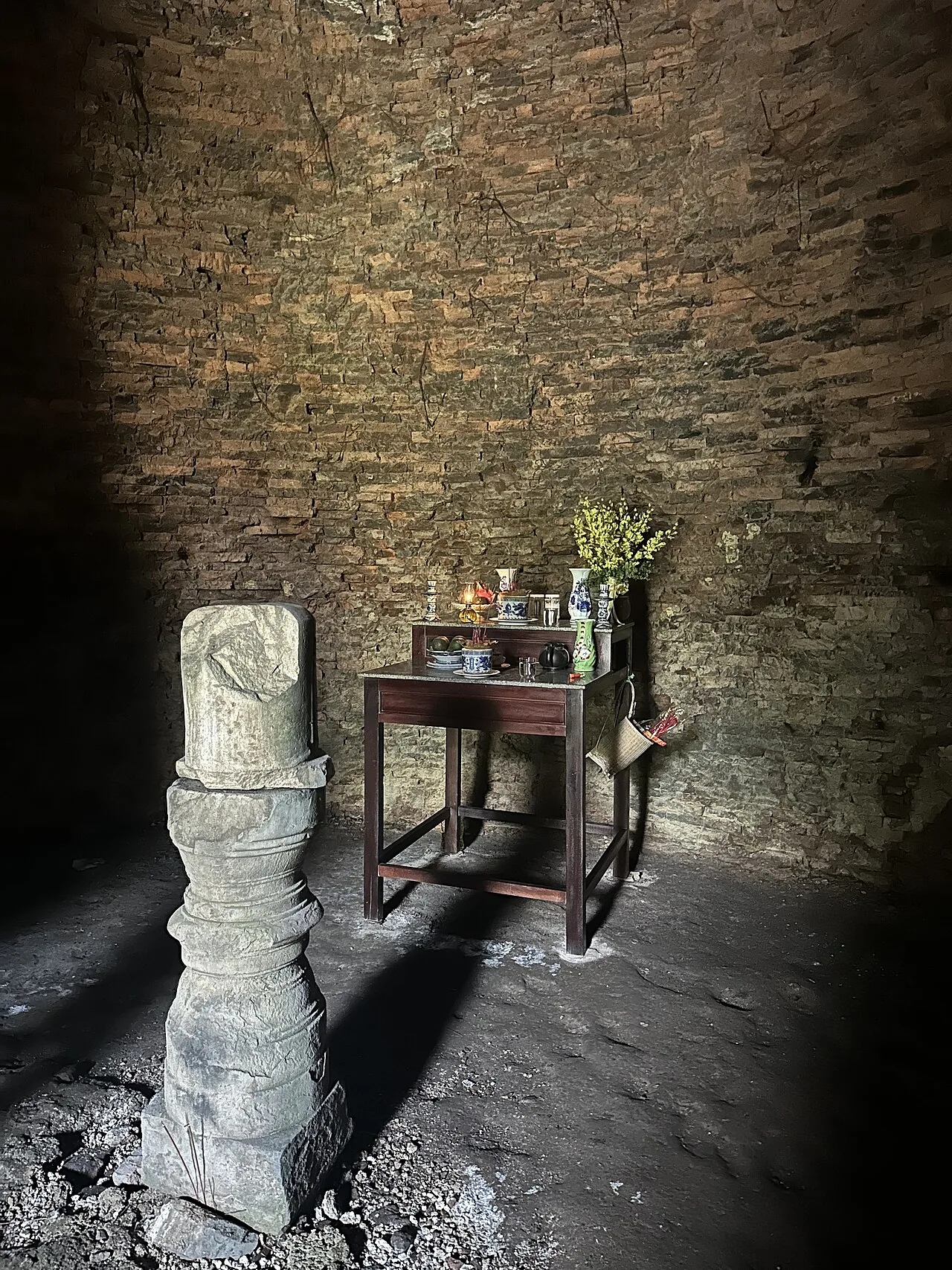
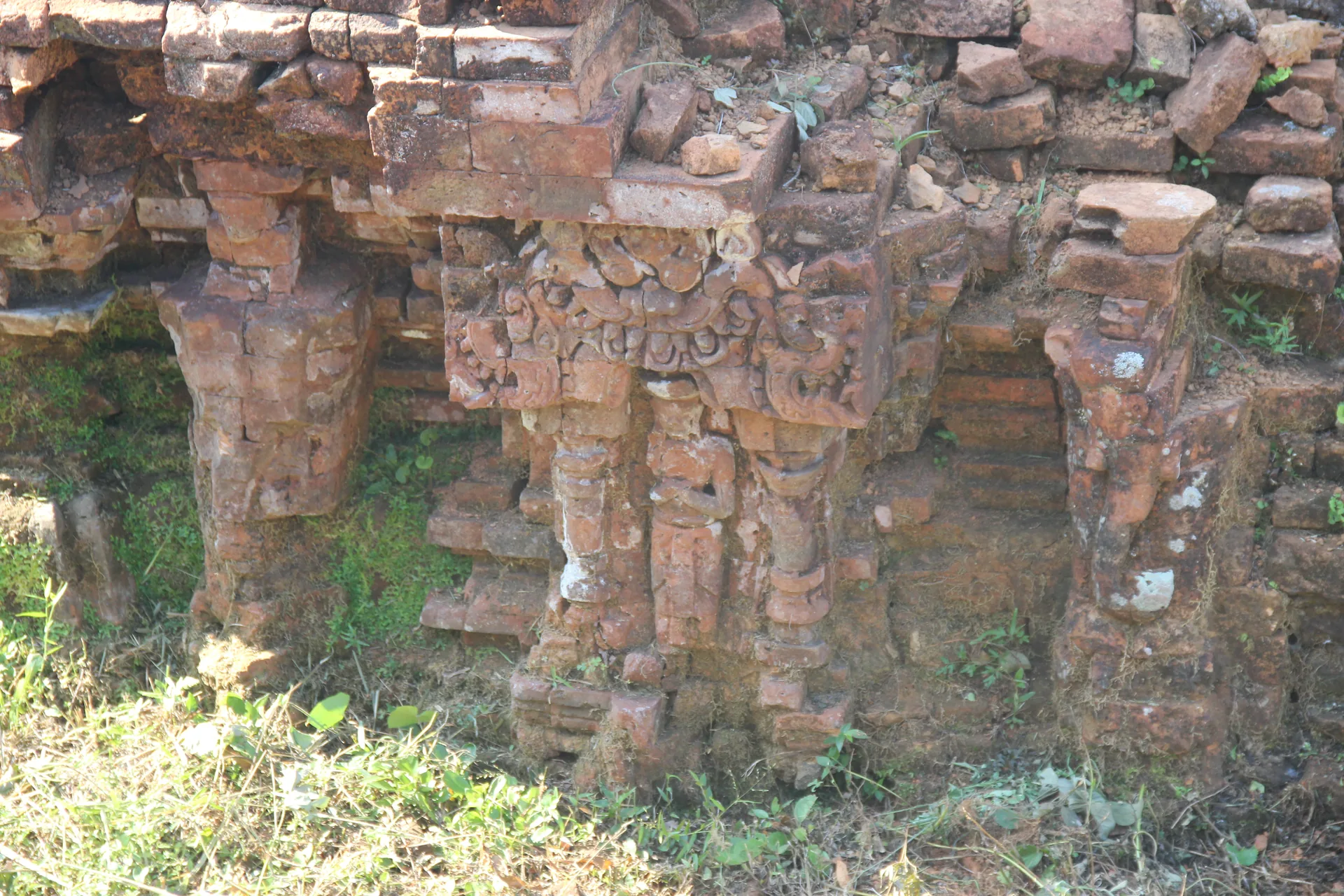
My Son Sanctuary — 70 surviving towers and temple structures from a complex that once numbered over 70 monuments built between the 4th and 14th centuries
1. Temple Groups A, B, C, D
The site is organized into lettered groups. Groups B, C, and D near the entrance contain the most intact towers and the most significant carved reliefs. Group A — the ceremonial heart of the complex — was largely destroyed in 1969 but the surviving foundations and scattered stones convey the scale of what stood. Duration: 2–3 hours. Tip: Hire a local guide at the entrance ($5–10); without context, the eroded towers are difficult to read.
2. Cham Dance Performance
A 30-minute traditional Cham dance performance takes place at the site several times daily — ceremonial dances derived from Hindu traditions performed in period costumes. Worth watching before exploring the temples. Duration: 30 minutes.
3. Boat Trip via Thu Bon River
Some operators run day trips from Hoi An by boat along the Thu Bon River to My Son — a 2.5-hour scenic journey through rice-farming villages. The boat option allows seeing the surrounding landscape in a way bus transfers miss. Duration: Full day with transport. Tip: Organise through Hoi An tour operators; return by bus if the river journey feels long in one direction.
4. Museum at the Entrance
A small but excellent museum at the site entrance displays recovered sculpture, explains the Cham civilization's history, and contextualizes the temple architecture before you walk into the complex. Duration: 30 minutes. Tip: Visit the museum first; it transforms what you see in the temples.
Local Food and Practicalities
My Son has a food court at the entrance with basic Vietnamese dishes. The nearest substantial dining is in Hoi An or along the highway between the two. Bring water — the site is hot and exposed.
Best Time to Visit
February–August: Dry season. March and April are optimal — neither too hot nor threatened by rain.
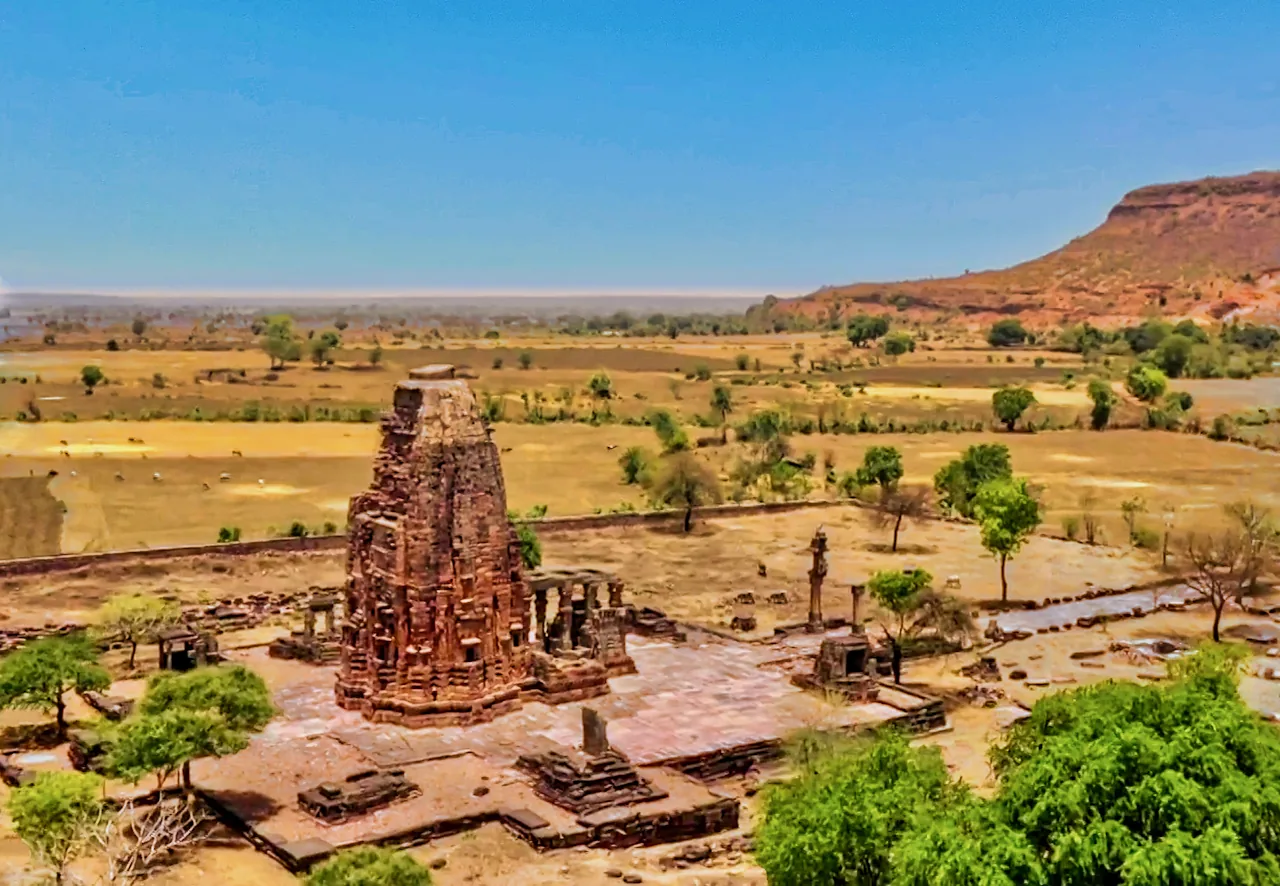
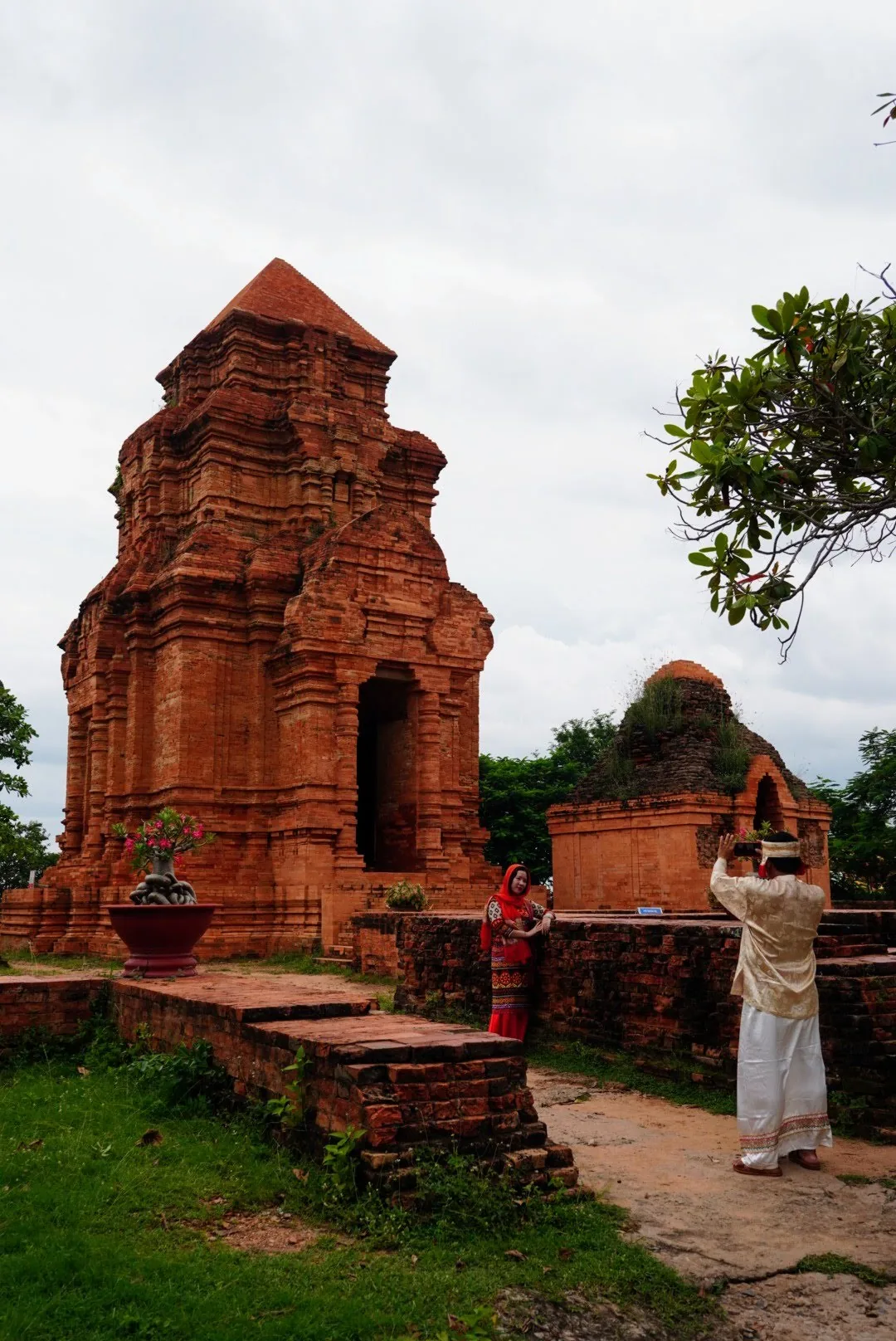
Cham temple architecture — the red-brick towers use a construction technique that remains not fully understood; joints between bricks are nearly invisible and the structures have stood for 1,000 years
September–January: Rainy season in central Vietnam; the site can be muddy and partially flooded.
Getting There
From Hoi An: 45 km by road; guided tours (300,000–500,000 VND) include transport and guide. Independent taxi/Grab: 400,000 VND one way.
From Da Nang: 70 km; day tour operators run half-day trips combined with lunch.
By boat from Hoi An: 3 hours each way; full-day program.
Cultural Context
The Cham Kingdom — a Hindu civilization with Sanskrit inscriptions and architectural traditions derived from Indian temple architecture — flourished on the Vietnamese central coast from the 2nd century AD until the 15th century, when Vietnamese expansion from the north gradually absorbed Cham territory. My Son's temples were built and expanded over ten centuries of Cham rule; the earliest surviving towers date to the 7th century. The site's name comes from the Vietnamese translation of the Sanskrit "Srisana" — a sacred mountain.
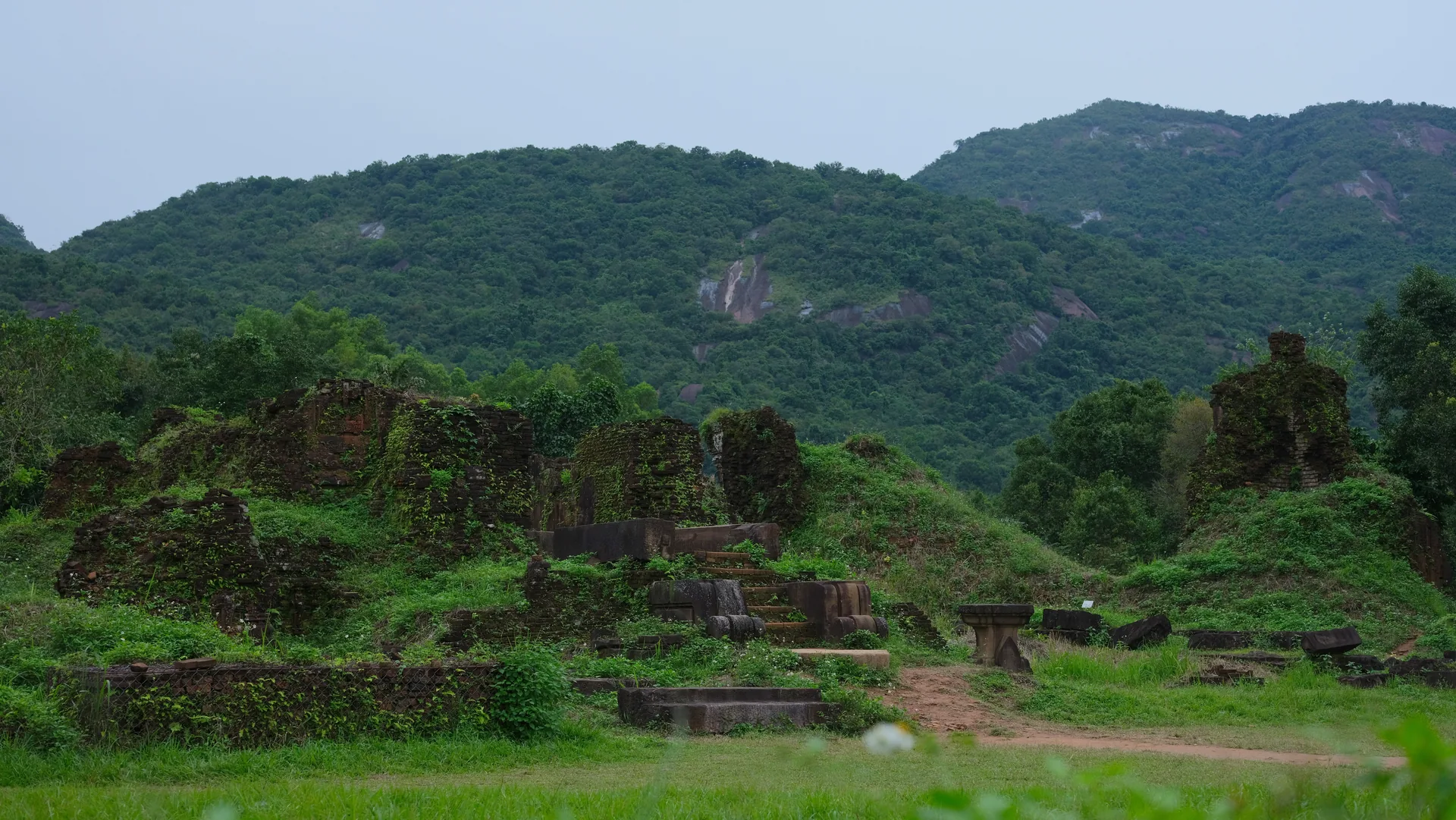
Quang Nam Province — My Son lies 40km southwest of Hoi An; the surrounding valley is primarily agricultural with the Thu Bon River winding through jungle-covered hills
Travel Tips
- Best light: Early morning (7–9am) light catches the brick facades most dramatically.
- Crowds: The site is busiest 9am–11am when tour buses arrive from Da Nang.
- Footwear: The path between temple groups is uneven; wear closed shoes.
Final Thoughts
My Son requires some historical imagination — visitors expecting pristine Angkor-scale preservation will be disappointed. But for those who engage with the site's history and accept its damaged state as part of its story, it is one of the most moving archaeological experiences in Southeast Asia.
Keywords: My Son Sanctuary travel guide, My Son Cham temples, UNESCO My Son Vietnam, Hoi An day trip My Son, things to do near Da Nang, Cham architecture Vietnam