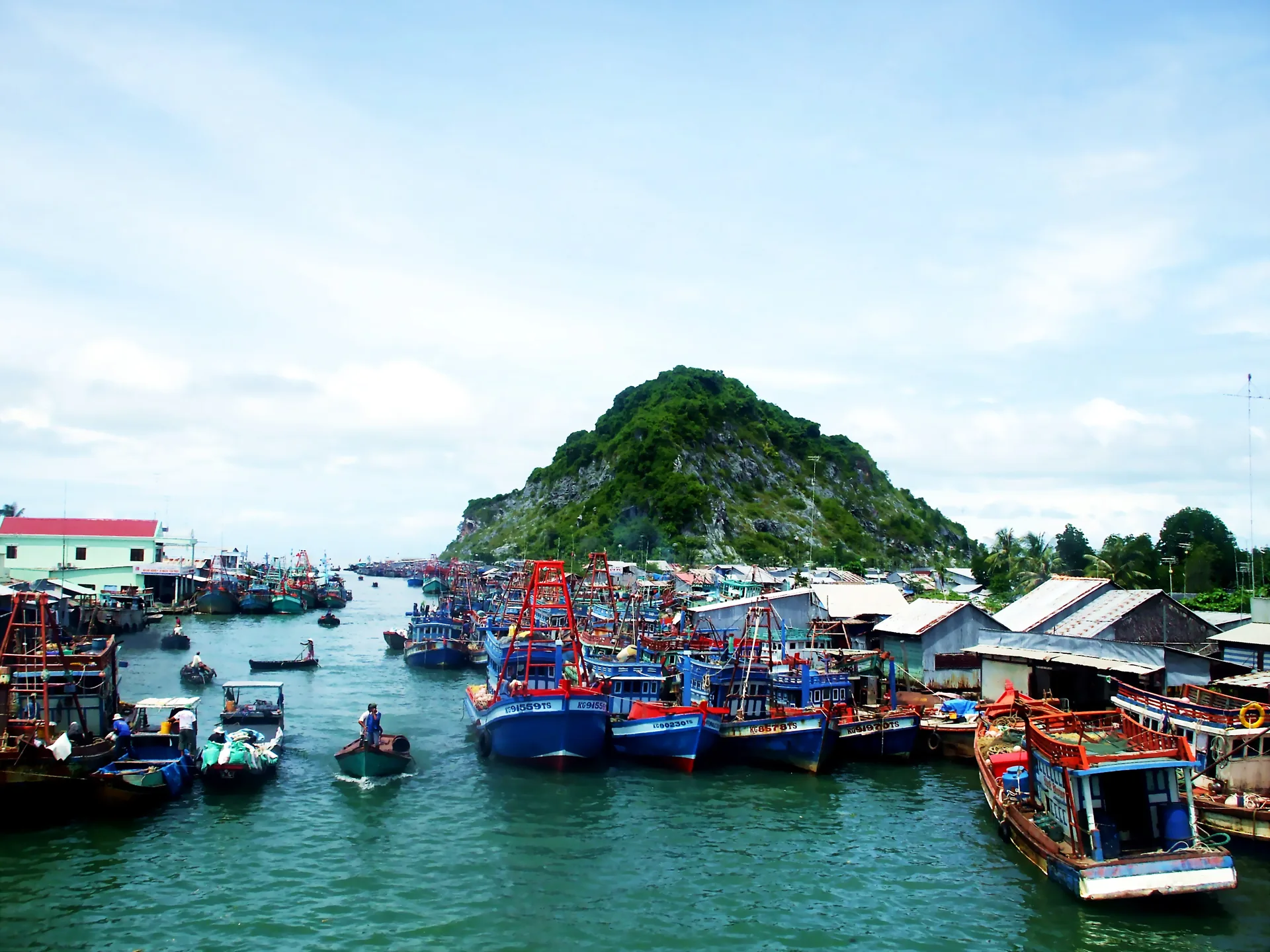
Nam Du Islands
Nam Du Islands Travel Guide
Meta description: Discover the Nam Du Islands — a remote archipelago off Kien Giang province with quiet fishing villages, empty beaches, and none of the resort development found on Phu Quoc.
Why Visit Nam Du Islands
Every few years, a new Vietnamese island destination gets called "the next Phu Quoc before it got developed." Nam Du might be the closest thing to actually true. This cluster of roughly 21 small islands off the coast of Kien Giang province, closer to Phu Quoc than to the mainland in spirit if not always in distance, has stayed genuinely low-key — a working fishing archipelago with a handful of guesthouses rather than a resort-driven tourist economy. It won't stay this way forever, which is exactly why it's worth visiting now.
Quick Facts
Nam Du sits in the Gulf of Thailand, reachable by boat from Rach Gia, the main port city in Kien Giang province. The archipelago's largest island, Hon Lon (also called Nam Du island), is the main hub with the small port town, most of the guesthouses, and the majority of the population, while the smaller surrounding islands are reachable by local boat for day trips.
Top Things to Do
The appeal of Nam Du is less about any single headline attraction and more about the overall pace — renting a motorbike on Hon Lon to explore the island's few roads, stopping at small beaches with no other visitors in sight, and watching the fishing boats come and go from the harbor each morning. Hon Ngang and Hon Mau are among the more popular smaller islands for a day trip, both offering quiet beaches and decent snorkeling in the surrounding waters, though visibility and coral quality here won't rival Vietnam's best dive spots.
Climbing to the lighthouse or viewpoint on Hon Lon's highest point rewards the effort with a sweeping view over the scattered islands and the Gulf of Thailand — a good sunset spot and a clear illustration of just how spread out and undeveloped this archipelago still is compared to Vietnam's more established island destinations.
Boat trips between islands are typically arranged informally through guesthouses or directly with local boat owners at the harbor, and the lack of a formal, packaged tour infrastructure is part of what keeps Nam Du feeling unpolished in the best sense — you're negotiating with an actual fisherman rather than booking through a tour desk.
Local Food
As a fishing community, Nam Du's food is built around whatever came in that morning — fresh squid, fish, and shellfish served simply grilled or steamed at small harbor-front eateries. It's not a sophisticated food scene by any means, but the seafood is about as fresh as it gets anywhere in Vietnam, caught within sight of where it's served.
Best Time to Visit
The dry season, roughly November through April, offers calmer seas for the boat crossing from Rach Gia and more reliable weather for island-hopping. Sea conditions can get rough during the wet season, sometimes disrupting boat schedules entirely, so travelers with limited flexibility should stick to the dry months.
Where to Stay
Accommodation on Hon Lon is simple — a growing but still modest number of guesthouses near the port town, ranging from basic to slightly more comfortable, with nothing resembling the resort-scale development found on Phu Quoc. This is very much a bring-low-expectations-for-luxury destination in exchange for genuine quiet and low prices.
How to Get There
Boats to Nam Du depart from Rach Gia, itself reachable by bus from Ho Chi Minh City (around 6-7 hours) or by domestic flight to Rach Gia's small airport. The boat crossing to Nam Du takes roughly 2-4 hours depending on the vessel and sea conditions, so it's a full day of travel from Ho Chi Minh City rather than a quick hop.
Final Thoughts
Nam Du isn't for travelers who want reliable infrastructure, a wide restaurant selection, or guaranteed comfort — it's for those who want a genuine taste of an undeveloped Vietnamese archipelago before it inevitably follows Phu Quoc's trajectory. Go now, keep expectations simple, and treat the lack of polish as the whole point.
What to Pack and Plan For
Cash is essential — ATMs are unreliable to nonexistent on the islands, so bring enough Vietnamese dong for your entire stay before leaving Rach Gia. Mobile signal is patchy outside the main port town, which for many visitors is part of the appeal rather than an inconvenience. Because ferry schedules can shift with weather and demand, it's worth building a buffer day into your itinerary on either end rather than booking a tight connection immediately after leaving Nam Du, particularly during the shoulder months when sea conditions are less predictable.