Perfume Pagoda: A Spring Pilgrimage Up the Yen Stream
Published on August 15, 2026
Why Visit the Perfume Pagoda
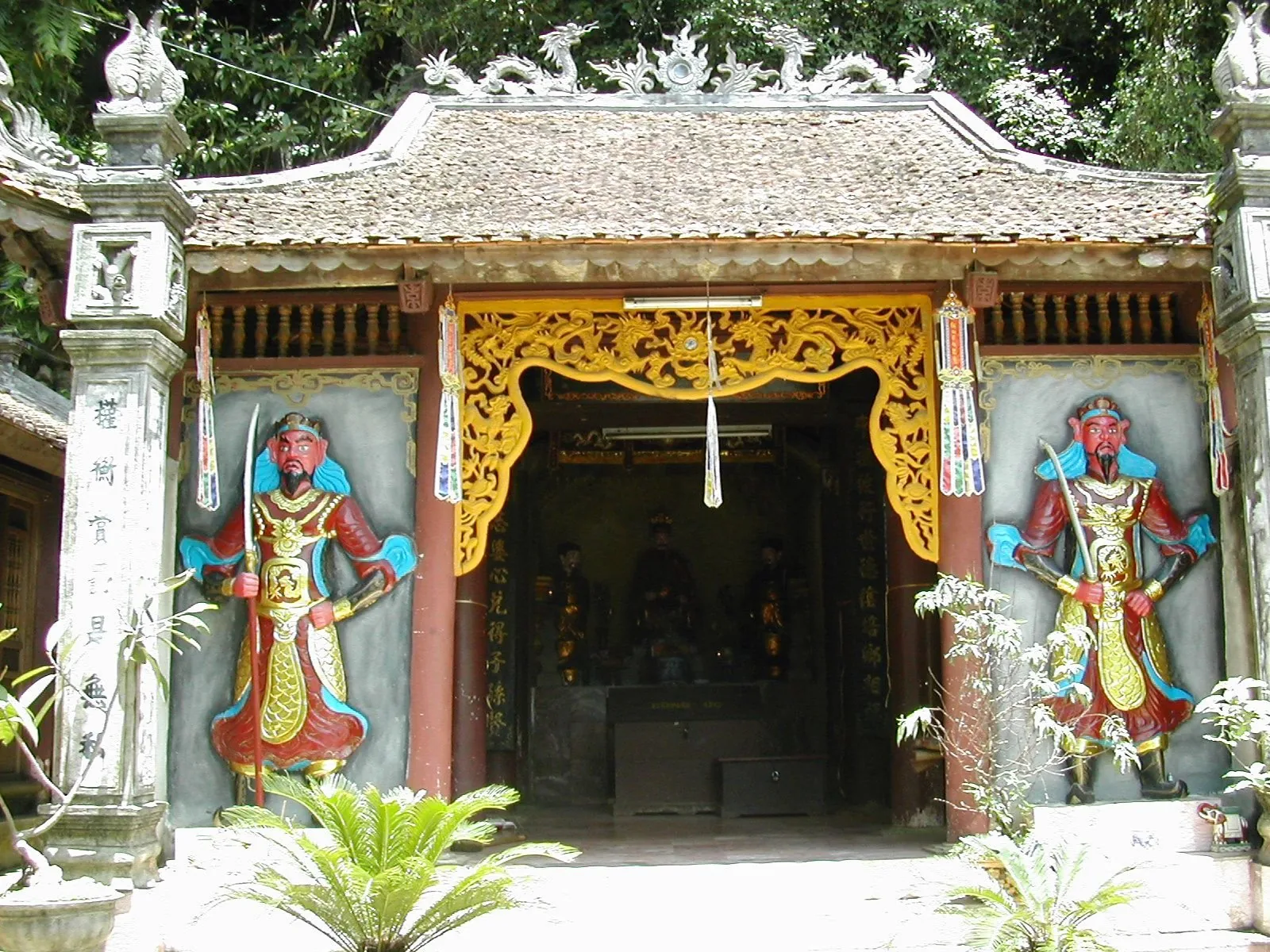
Chua Huong, the Perfume Pagoda, is a sprawling complex of Buddhist temples and shrines built into the limestone cliffs of Huong Son (Fragrant Mountain), about 60 km southwest of Hanoi. It has been a pilgrimage site since the 15th century and remains one of the most important in Vietnamese Buddhism — the site of a months-long spring festival that draws over a million visitors a year.
The Boat Ride Along the Yen Stream
The journey is as much a part of the experience as the destination. From Duc Xuyen pier, small wooden rowboats ferry visitors about an hour up the Yen Stream, gliding between limestone karsts and rice paddies to reach the base of the mountain — a scene that's changed little in centuries, barring the occasional selfie stick.
Thien Tru Pagoda and Huong Tich Cave
From the boat landing, a path leads to Thien Tru (Heaven Kitchen) Pagoda, the largest structure in the complex, before climbing toward the main event: Huong Tich Cave, a vast natural cavern housing the principal shrine. Getting there means either a steep 4 km hike up stone steps through forest, or a cable car that cuts the climb to a few minutes — a good option for those short on time or mobility.
Spring Festival Season
The Huong Pagoda Festival runs roughly from late January to April, peaking around the lunar new year, when the site can draw tens of thousands of visitors on a single weekend. It's a remarkable spectacle of devotion — chanting, incense smoke curling out of the cave mouth, boats queued along the river — but also intensely crowded, with long queues for the boat and cable car alike.
Visiting Outside Festival Season
For a quieter, more contemplative visit, come outside the spring festival window. The boat ride and cave remain open year-round, and on a weekday in the off-season you may have long stretches of the river and cave almost to yourself.
Getting There
Perfume Pagoda is roughly a 90-minute drive southwest of central Hanoi. Most visitors join an organised day tour that bundles the drive, boat ticket, and cave entry; independent travellers can hire a car or motorbike to Huong Son pier and buy tickets on arrival.
Practical Notes
- Wear comfortable walking shoes — even with the cable car, there's a fair amount of walking and stairs.
- Dress modestly; this is an active religious site.
- Avoid weekends during festival season (Feb–Mar) if you want to skip the worst of the crowds.
- Bring cash for the boat, cable car, and cave entry fees, which are typically paid separately.
The Legend Behind the Cave
Huong Tich Cave — the "Fragrant Trace" that gives the whole complex its name — is venerated as the place where Quan Am (the Bodhisattva of Mercy, known in other traditions as Avalokiteshvara or Guanyin) is believed to have attained enlightenment after years of ascetic practice. Inside the cave, stalactites and stalagmites have been given names and religious significance over centuries of pilgrimage — formations are pointed out as a "rice mountain," a "silk cocoon mound," and a "cradle," among others, each tied to folk beliefs about fertility, prosperity, and luck. Pilgrims traditionally touch or make offerings at specific formations depending on what they're praying for, which is worth understanding before you go rather than treating the cave purely as a geological curiosity — for many Vietnamese visitors, this is one of the most spiritually significant sites in the north.
Boat Ride Practicalities
The rowboats along the Yen Stream are paddled by local boatwomen, almost all from villages along the route, and boat fares are typically fixed per boat (holding around 4–6 people) rather than per person, so it's worth grouping up with other travellers to bring the per-person cost down. The one-way trip takes roughly 45 minutes to an hour depending on water levels and the boatwoman's pace; most visitors take a return boat rather than walking back, since the return path is largely the same route in reverse. Small tips for boat operators are customary and appreciated, especially during the busy spring festival when they're paddling dozens of trips a day.
Frequently Asked Questions
How far is the Perfume Pagoda from Hanoi and how long does the trip take?
It's about 60 km southwest of central Hanoi, roughly 1.5–2 hours by car depending on traffic. Including the boat ride and time at the cave and pagoda, most people treat it as a full day trip from Hanoi rather than a half-day excursion.
Is it too crowded to visit during the spring festival?
Crowds are genuinely intense during the festival (roughly the sixth day of the first lunar month through the third lunar month, so typically February–April) — this is one of the busiest pilgrimage events in northern Vietnam, and boat queues and cable car lines can run long. If crowds aren't part of what you're after, visiting outside these months gives a far quieter, more contemplative experience of the same sites.
Is there a cable car, and is it worth using instead of walking?
Yes, a cable car runs from near Thien Tru Pagoda up toward Huong Tich Cave, cutting out a steep uphill walk of roughly 45 minutes to over an hour depending on fitness and pace. It's a reasonable option for anyone short on time, travelling with elderly relatives, or simply not up for the climb; independent travellers with more time often prefer to walk at least one direction for the forest scenery along the way.
What should I wear or bring given it's an active religious site?
As with most Vietnamese pagodas, modest dress is expected — shoulders and knees covered, nothing overly revealing. Comfortable shoes matter more here than at most temple sites given the boat-then-walk-or-cable-car sequence, and it's worth bringing small denomination cash for boat fares, cable car tickets, and offerings.