Phong Nha-Ke Bang National Park
Published on May 28, 2026
Phong Nha-Ke Bang Travel Guide
Meta description: Explore Phong Nha-Ke Bang — home to the world's largest cave, Son Doong, and 300+ cave systems in Vietnam's most spectacular national park. Travel guide 2025.
Why Visit Phong Nha-Ke Bang
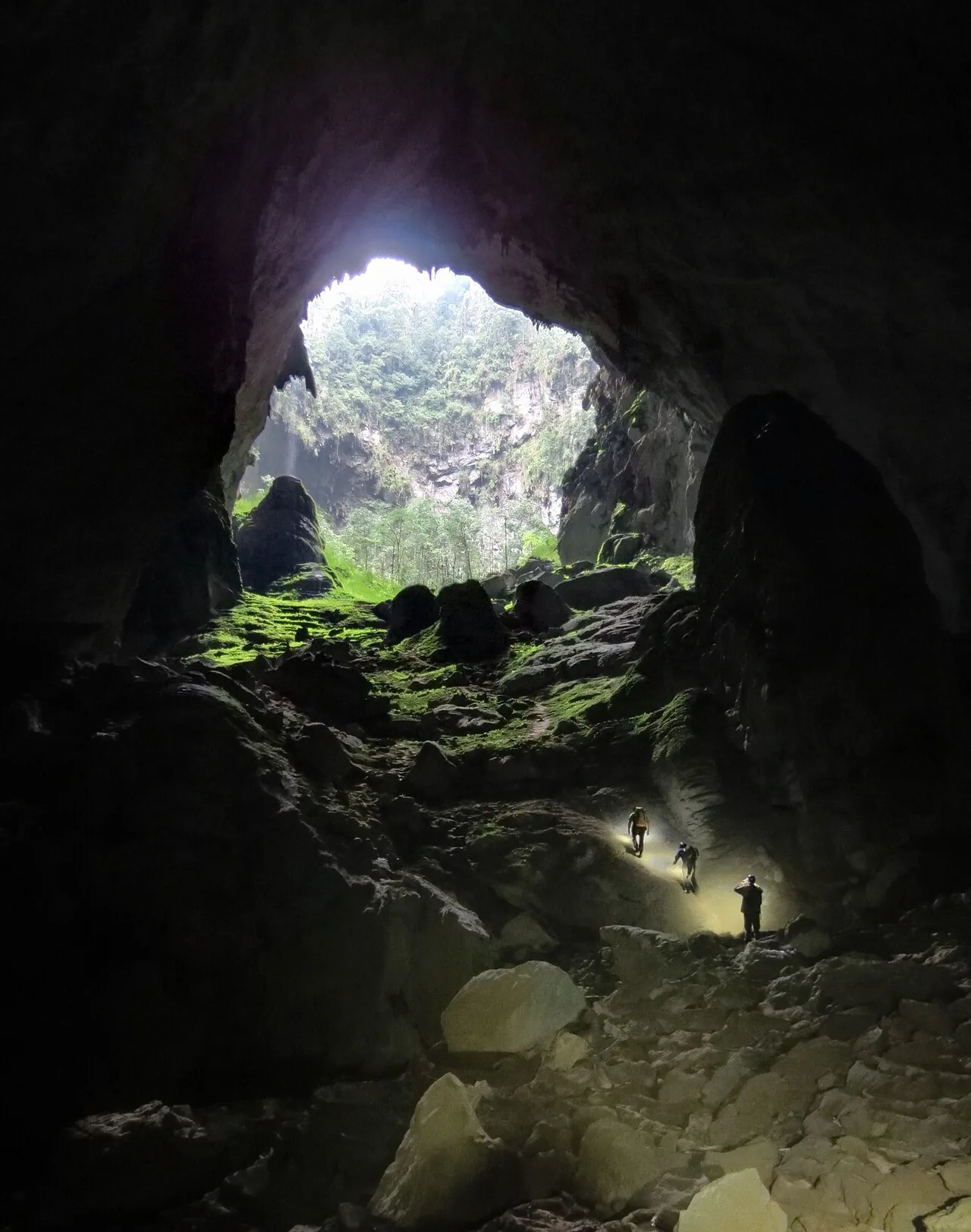
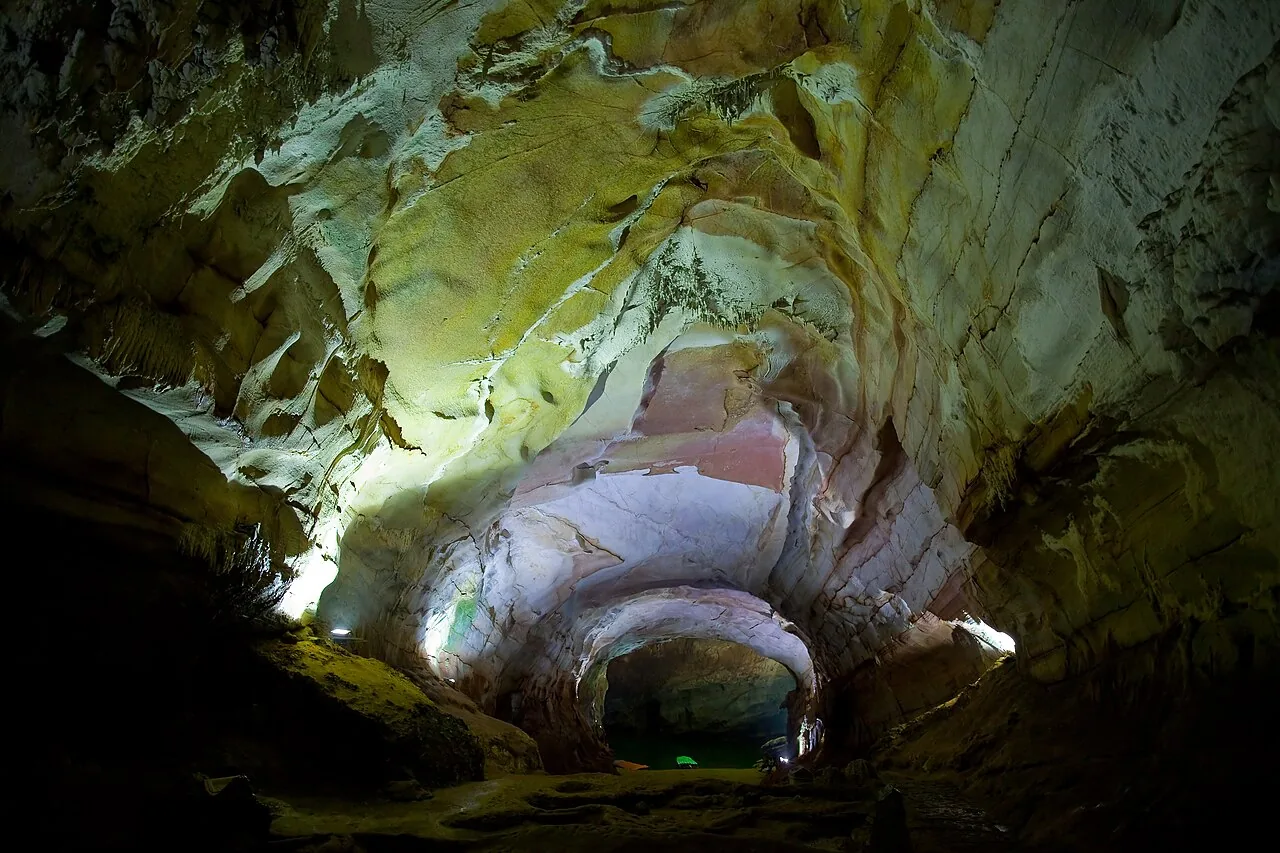
Phong Nha-Ke Bang National Park in central Vietnam contains the world's most extraordinary cave system — and not by a narrow margin. Son Doong Cave, discovered in 1991 and surveyed in 2009, has a main passage large enough to contain a New York City block of 40-story skyscrapers. Hang En, the world's third-largest cave, hosts a sandbar beach under a natural skylight that looks like something from a science fiction film. The Phong Nha Cave complex — the park's most accessible attraction — has been documented for over 300 meters of illuminated river passage through chambers decorated with limestone formations shaped over 400 million years.
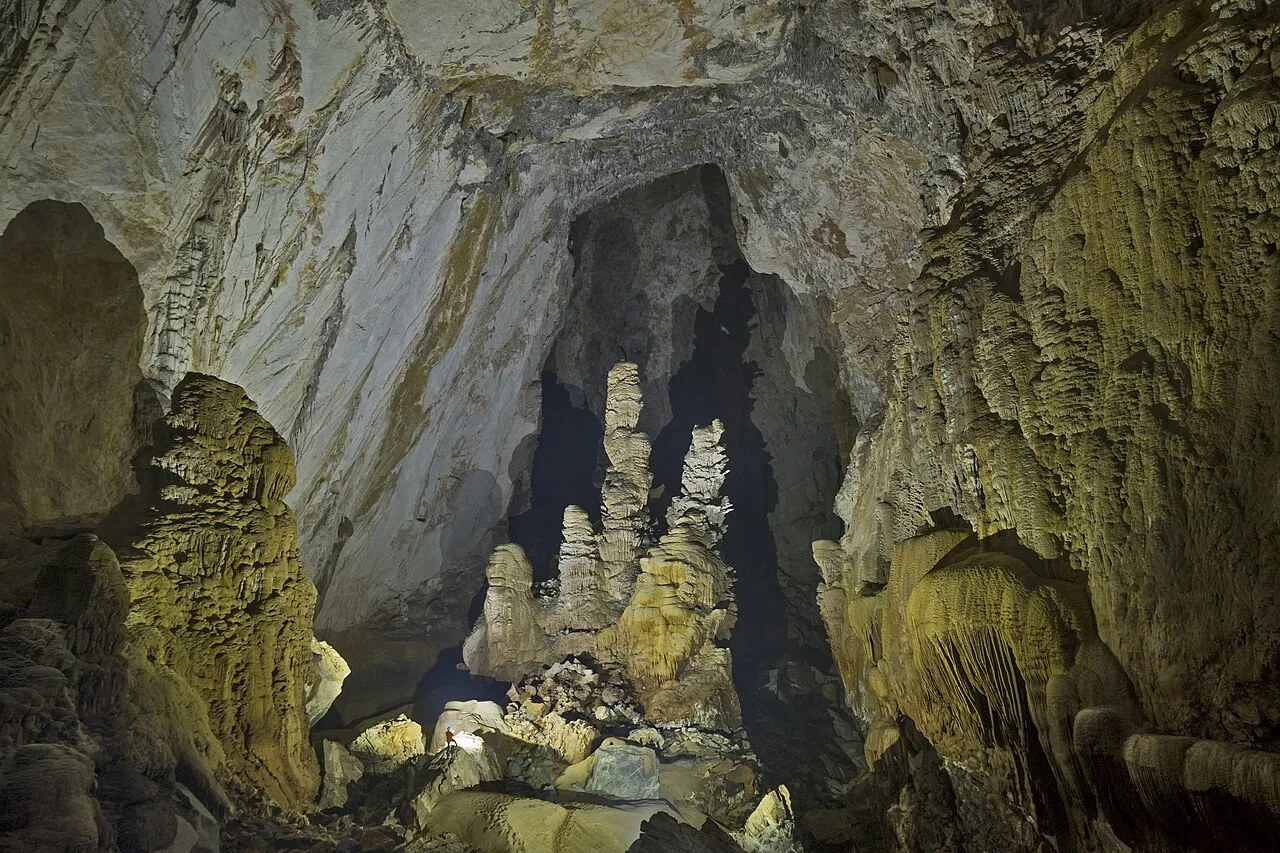
The park protects more than 300 cave systems across 123,000 hectares of karst mountain forest — the oldest karst formation in Asia — and has been a UNESCO World Heritage Site since 2003. The town of Phong Nha (also called Son Trach) serves as the park's gateway: small, unpretentious, and oriented entirely around cave tourism and adventure activities.
This is a destination for travelers who want genuine wilderness, physical challenge, and experiences unavailable anywhere else on earth.
Quick Facts
- Location: Quang Binh Province, central Vietnam, 50 km north of Dong Hoi
- Best time to visit: February to August (dry season; peak March–August)
- Recommended stay: 2–5 days depending on cave tours selected
- Daily budget: Budget $30–50 | Mid-range $60–120 | Son Doong expedition $3,000+
- Nearest city: Dong Hoi (50 km south), with domestic airport and railway connection
Top Things to Do in Phong Nha-Ke Bang
1. Phong Nha Cave and Paradise Cave (Thien Duong Cave)
Two of the park's most accessible caves offer dramatically different experiences. Phong Nha Cave is explored by boat along an underground river — 1.5 km of illuminated passage through chambers of stalactites and flowstone formations, with monks' altars and Buddhist shrines at the cave's inner reach. Paradise Cave (Thien Duong) is a dry cave 31 km long with formations of impossible delicacy — crystal columns, calcite pools, and pale flowstone curtains lit to maximum effect. Duration: Phong Nha 1.5 hours; Paradise Cave 2–3 hours. Tip: Book Paradise Cave tickets in advance during peak season; arrive early to beat tour groups.
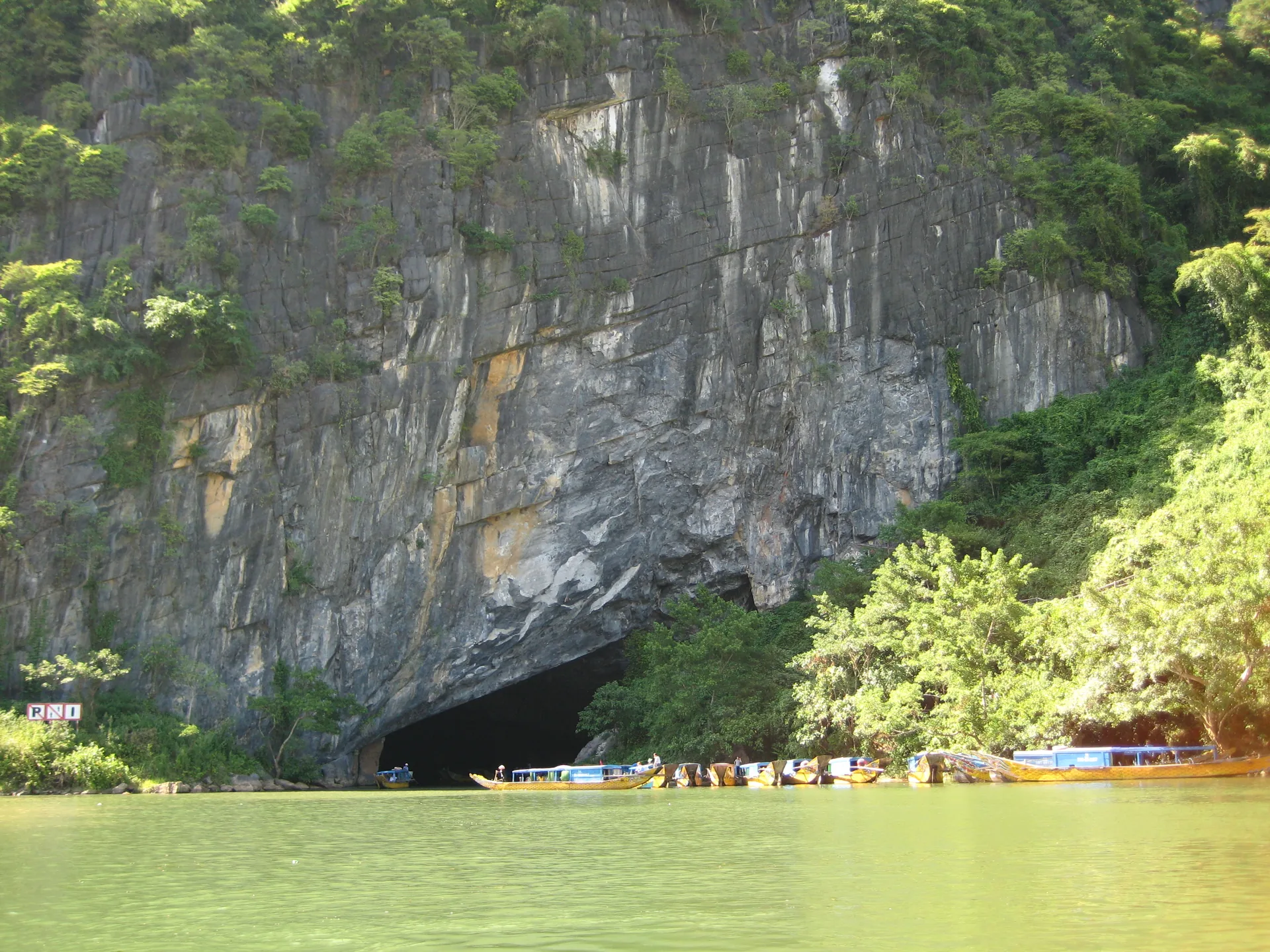
Phong Nha Cave — the most accessible cave in the park; boats enter from the Son River into a cavern of stalactites and stalagmites stretching 1.5km
2. Hang En Cave (World's 3rd Largest Cave)
A 2-day jungle trek brings visitors to Hang En — a cave so large it contains its own weather system, with clouds forming inside the main chamber. The interior includes a sandbar beach beneath a 100-meter domed skylight, where bats roost in the millions at dusk. The trek crosses rivers, climbs through jungle, and camps inside the cave overnight. Duration: 2 days/1 night. Tip: Oxalis Adventure is the only authorized operator for Hang En tours. Cost: approximately $350–400 per person. Book 2–4 weeks in advance.
3. Son Doong Cave Expedition
The world's largest cave requires a 4-day expedition that covers 12 km of passage, including a 200-meter entrance abseil, jungle camping inside the cave, and traversal of the Great Wall of Vietnam — a 90-meter calcite barrier inside the cave itself. The expedition accommodates 10 visitors per departure and runs only during the dry season (February–August). Duration: 4 days/3 nights. Cost: Approximately $3,000 per person (includes all equipment, guides, porters, and meals). Tip: Book 12–18 months in advance; departures sell out within hours of opening.
4. Dark Cave (Hang Toi) Adventure
The most adrenaline-oriented of the park's cave experiences — a zip line into the cave's entrance, kayaking through the underground passage, swimming in a phosphorescent pool, and crawling through a mud pool in darkness. Designed for groups and families who want physical engagement rather than geological contemplation. Duration: 3–4 hours. Tip: Included in the Chay River Experience package (from Jungle Boss); 450,000–600,000 VND. Bring a change of clothes.
5. Nuoc Mooc Spring Eco-Trail
A series of natural turquoise springs fed by the karst aquifer system, surrounded by jungle and accessible via a 1-km boardwalk trail. Swimming is permitted in the pools; the water temperature is a consistent 18–20°C. One of the park's most relaxed and beautiful experiences. Duration: 2–3 hours. Tip: Entry 80,000 VND; bring a towel and swimwear. The springs are at their most pristine early morning.
6. Chay River Kayaking
The Chay River flows through forest at the park's edge, offering a half-day kayaking route past jungle-covered cliffs and through a short cave passage. Kayak rentals and guided trips available from operators in Son Trach. Duration: 3–4 hours. Tip: The river level drops significantly in the dry season; check conditions with operators before booking.
7. Motor-Biking to the Border
The Ho Chi Minh Trail Museum and the Vietnamese-Laotian border crossing at Cha Lo, 100 km west of Phong Nha, make for an extraordinary full-day ride through mountain scenery along the Quang Binh section of the historic supply route. The road passes through Truong Son Cemetery, the largest war cemetery in Vietnam. Duration: Full day. Tip: Rent a motorbike in Son Trach ($8–12/day); the mountain road requires a reasonably capable rider.
8. Botanical Garden and Bear Rescue Centre
The park's botanical garden within Son Trach village and the associated bear and primate rescue centre offer a gentler alternative to adventure caving. Moon bears and sun bears rescued from illegal trade facilities are held in semi-wild conditions. Duration: 1.5–2 hours. Tip: Free entry to the botanical garden; the rescue center accepts small donations.
9. Cycling in the Buffer Zone
The farmland and villages surrounding the national park offer excellent flat cycling. A popular route follows the Ho Chi Minh Highway south from Son Trach, passing cassava and pepper farms, with views of the karst mountains rising above. Rental bikes available for 50,000–80,000 VND/day. Duration: Half day. Tip: Early morning cycling before 9am avoids the heat and catches the best mountain light.
10. Phong Nha Village Life
Son Trach village itself, while small, has developed a genuinely appealing backpacker and independent traveler infrastructure — a riverfront strip of guesthouses, cafes, and restaurants with a social atmosphere. Evening barbecues by the Son River, cheap local beer, and conversation with other travelers make for an unexpectedly enjoyable base camp experience. Duration: Evenings. Tip: The riverfront area between Easy Tiger Hostel and Phong Nha Farmstay is the social hub of the village; most travelers congregate here for pre-cave briefings and post-trek meals.
Local Food and Specialties
Bun Ca (Fish Noodle Soup): Quang Binh's signature noodle dish — a clear broth with fish, pineapple, tomato, and dill. Lighter and more fragrant than pho, with a pleasing acidity. Available at market stalls in Son Trach from 6am.
Chao Canh (Rice Porridge Soup): A thick, hearty rice porridge with pork, shrimp, and mushrooms. Common as breakfast throughout Quang Binh province. Warming and filling before or after a cave trek.
Banh Loc La (Tapioca Dumplings): Chewy tapioca dumplings filled with pork and shrimp, wrapped in banana leaves and steamed. The wrapper imparts a subtle green fragrance to the filling. Available at local restaurants and market stalls.
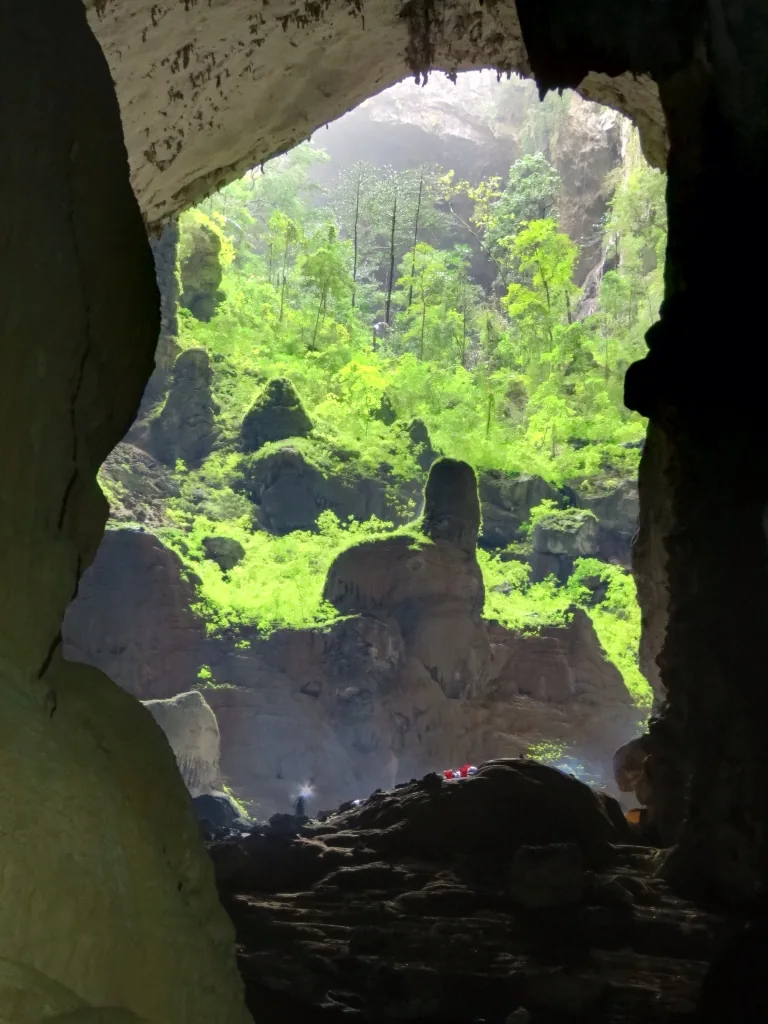
Son Doong — the world largest cave passage; tours run by Oxalis with permits limited to 1,000 visitors per year and costing USD 3,000+ per person
Ca Phe Phong Nha: The cafes along Son Trach's main street take local coffee culture seriously — filtered Vietnamese drip coffee, iced or hot, is the standard fuel between cave tours.
BBQ by the River: Evening riverside barbecues of meat, seafood, and corn are a Son Trach institution. Most guesthouses either host barbecues or can point travelers to the best spots.
Best Time to Visit Phong Nha-Ke Bang
February–August: The dry season. March through August offers the most stable cave conditions and the only window for Son Doong and Hang En expeditions. Temperatures climb to 35–38°C in July–August; mornings are best for outdoor activity.
September–January: Heavy rains and flooding close most caves — including all adventure caves and often Paradise Cave — from approximately September through January. Flash flooding in the karst system is genuinely dangerous; closure decisions are made on safety grounds. Do not plan a cave visit during this period without confirming current conditions.
March–May: The sweet spot. Dry, warm (28–32°C), and before peak domestic season. Best availability for Oxalis tours.
Where to Stay in Phong Nha
Budget (under $20/night): Easy Tiger Hostel is the social center of Son Trach's backpacker world — well-run, central, with an excellent bar and tour booking desk. Jungle Boss Hostel is also strong.
Mid-range ($40–80/night): Phong Nha Farmstay, 3 km outside the village, is a purpose-built eco-lodge with well-designed bungalows in a riverside garden — the best mid-range option in the area. The Lake House and Pepper House are newer boutique options in the village itself.
Luxury ($100+/night): The Oxalis Experience Camp inside Hang En is the park's most extraordinary luxury accommodation — camping inside the world's third-largest cave. The Phong Nha Farmstay upper rooms and private villas approach the top of the conventional luxury range in the area.
Note: Son Trach village is the only accommodation hub; all hotels and guesthouses are within a few km of each other. There is no reason to stay anywhere other than Son Trach.
How to Get to Phong Nha-Ke Bang
By air then road: Dong Hoi Airport, 50 km south, receives flights from Hanoi (1 hour) and Ho Chi Minh City (1.5 hours). Taxis and minibuses connect to Son Trach (1 hour, 150,000–200,000 VND by taxi).
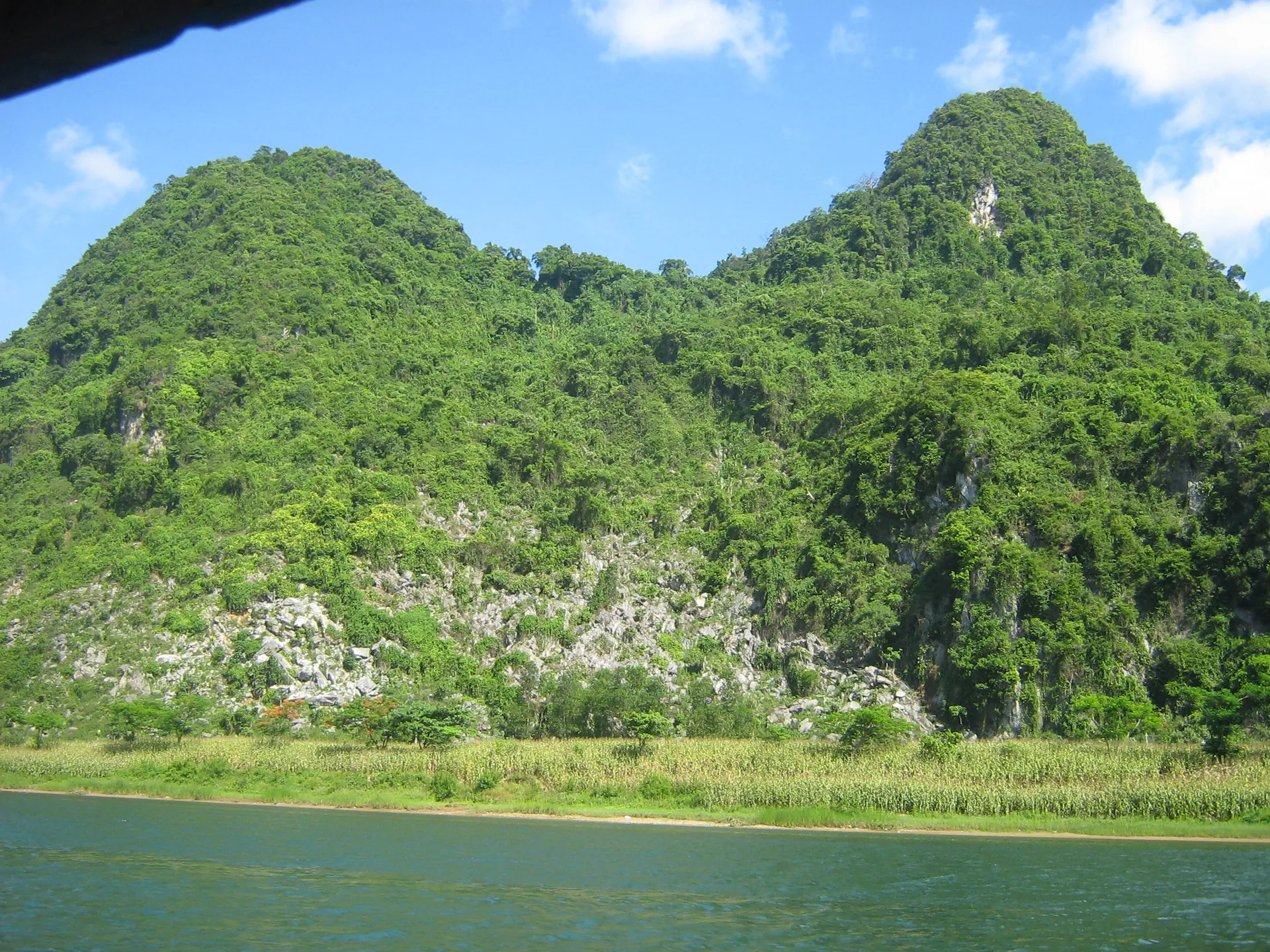
Phong Nha-Ke Bang National Park — 857 sq km of primary forest protecting one of the oldest karst systems in Asia; the park buffer zone has excellent hiking and cycling
By train: The Reunification Express stops at Dong Hoi station. From Hanoi: 5.5–7 hours; from Hue: 3 hours; from Da Nang: 2.5 hours. Taxis from Dong Hoi station to Son Trach: 200,000–250,000 VND.
By bus: Direct sleeper buses run from Hanoi to Phong Nha (8–9 hours) via several operators including Hung Thanh and The Sinh Tourist.
By motorbike from Hue: Via the Hai Van Pass to Da Nang, then north along Highway 1 to Dong Hoi and west — a full-day ride of around 300 km. Recommended for experienced riders.
Suggested Itineraries
1 Day
Morning: Phong Nha Cave boat tour. Afternoon: Nuoc Mooc Springs swim. Evening: Riverfront barbecue in Son Trach.
2 Days
Day 1 as above. Day 2: Paradise Cave full morning, Dark Cave adventure afternoon, easy cycling in the evening.
3 Days
Days 1–2 as above. Day 3: Hang En 2-day expedition (overnight inside the cave) — treat this as days 3 and 4.
Local Culture and History
Phong Nha's caves have been used and revered for centuries. Buddhist monks used Phong Nha Cave as a place of worship from at least the 9th century — the carved altars and Cham inscriptions found in the deepest chambers suggest pre-Viet religious use predating the current Vietnamese presence.
The Ho Chi Minh Trail, a network of supply routes running through the Truong Son Mountains during the American War, passed directly through what is now the national park. The karst terrain — riddled with natural tunnels, caves, and forest cover — made it ideal for concealed movement. American bombing campaigns targeted the routes extensively, and unexploded ordnance (UXO) remains present in the forest; visitors must stay on marked paths.
The park's UNESCO designation came in 2003; the Son Doong discovery and Oxalis's first expedition in 2013 drew international attention that transformed the previously obscure town of Son Trach into a recognized adventure travel destination.
Travel Tips
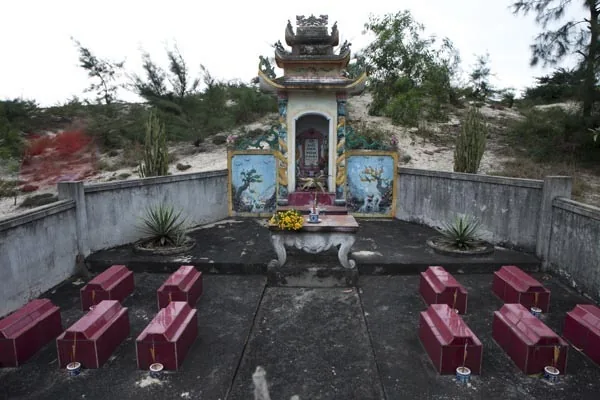
Quang Binh Province — Phong Nha is the main draw but the province also has Nhat Le Beach and the Gianh River estuary; Dong Hoi is the nearest airport (30 min)
- Book cave tours in advance: Oxalis tours (Son Doong, Hang En, Hang Va) sell out months ahead. Book before booking flights.
- Rainy season closures: Do not assume caves are open — check with operators in the week before arrival during September–January.
- Fitness requirements: Hang En requires moderate fitness (12 km trekking, river crossings). Son Doong requires strong fitness and previous jungle/cave experience. Paradise Cave and Phong Nha are accessible to all.
- UXO awareness: Stay on marked paths in the national park. The forest contains uncleared ordnance from the war period.
- Sun protection: Jungle trekking involves intense UV exposure on river crossings and open sections.
Frequently Asked Questions
How do I book Son Doong Cave? Only through Oxalis Adventure (oxalisadventure.com). The expedition runs in limited numbers February–August. Book as far in advance as possible.
Is Phong Nha worth visiting without doing Son Doong? Absolutely. Paradise Cave, Hang En, and the Chay River experience are extraordinary in their own right and accessible to travelers without specialized experience.
Is Phong Nha safe for solo travelers? Yes. The village is small and safe. Cave tours always operate with qualified local guides.
What fitness level is needed for cave tours? Dark Cave and Phong Nha Cave: minimal. Paradise Cave: moderate (some walking, steps). Hang En: good fitness required. Son Doong: strong fitness and previous experience essential.
Final Thoughts
Phong Nha-Ke Bang is, quite simply, one of the natural wonders of the world. Son Doong alone justifies a journey to Vietnam for the right traveler. But even without it — with just a boat ride into Phong Nha's illuminated chambers, a swim at the turquoise springs, and an evening by the river — the park delivers an experience that ranks among the most memorable in Southeast Asian travel.
Keywords: Phong Nha travel guide, Son Doong Cave, Paradise Cave Vietnam, Hang En cave, things to do in Phong Nha, best time to visit Phong Nha-Ke Bang, Oxalis cave tours