Phu Quoc Island
Published on May 28, 2026
Phu Quoc Travel Guide
Meta description: Discover Phu Quoc — Vietnam's largest island with white-sand beaches, jungle treks, fresh seafood, and luxury resorts. Complete Phu Quoc travel guide 2025.
Why Visit Phu Quoc
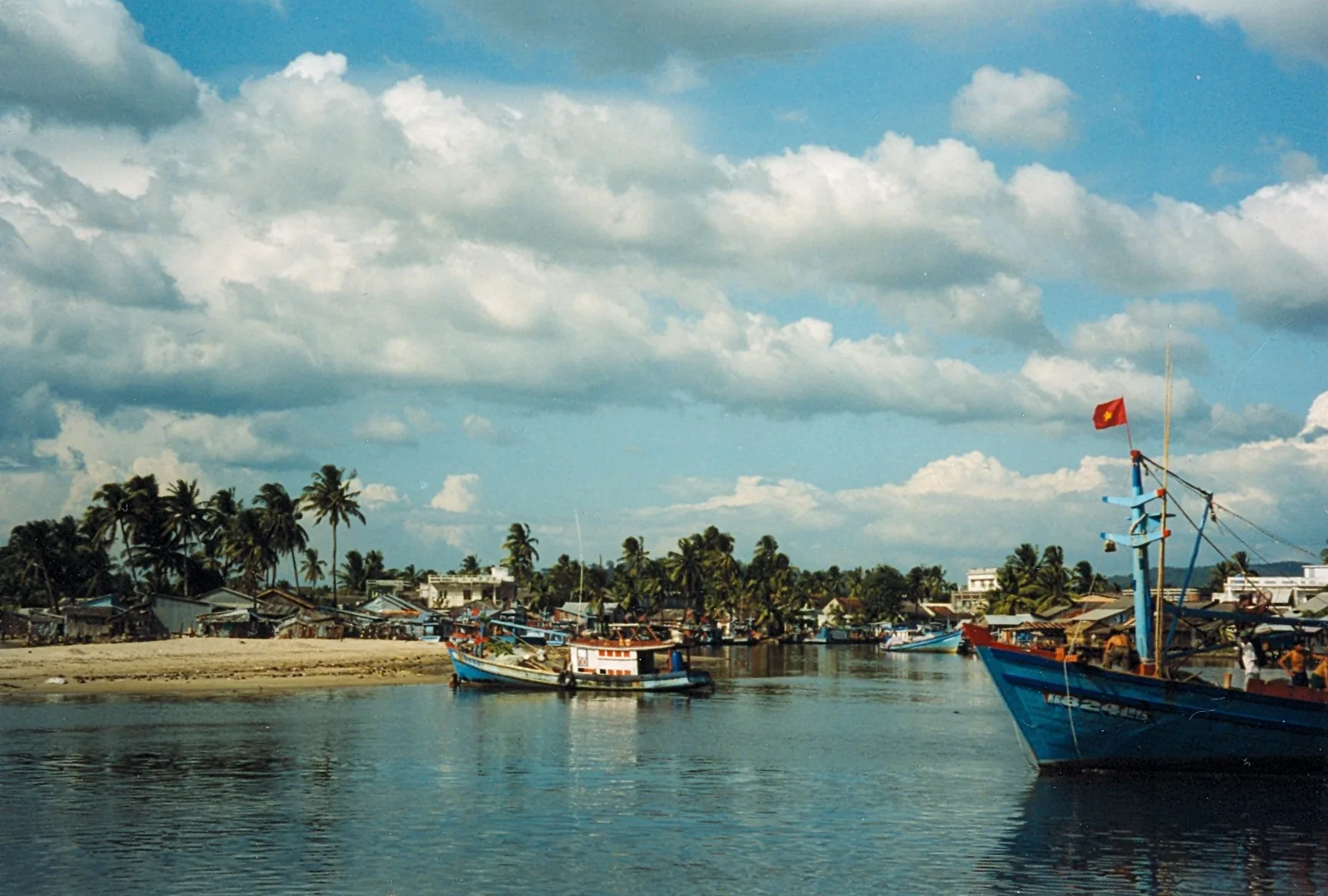
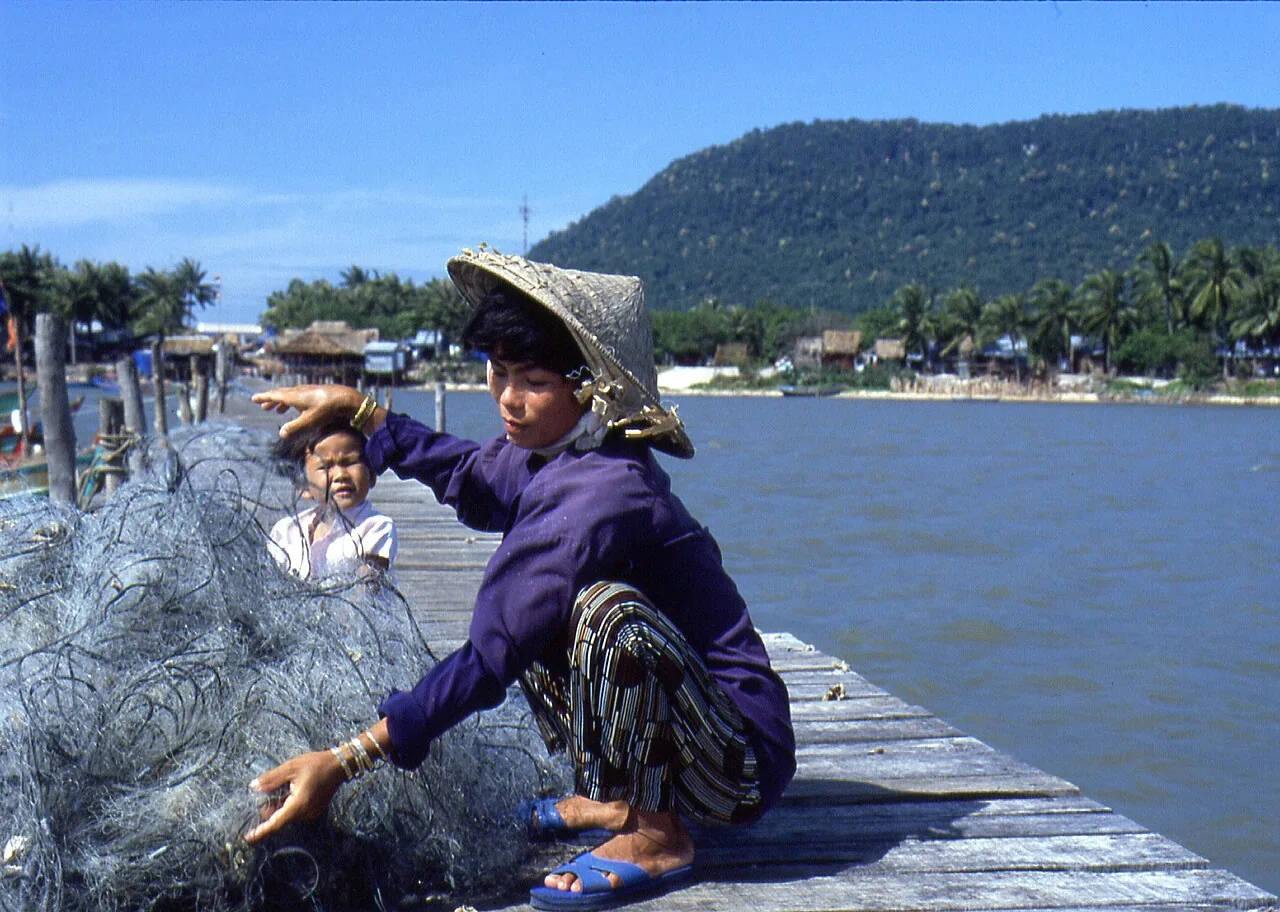
Phu Quoc is Vietnam's largest island, sitting in the Gulf of Thailand near the Cambodian coast, and it has undergone one of the most dramatic tourism transformations in Southeast Asia. A decade ago it was a sleepy fishing island; today it hosts luxury resorts, an international airport, a cable car, an entertainment district, and a wine country. The underlying island, however — with its forested national park, its fishing villages, its pepper plantations, and its genuinely beautiful beaches — remains intact.
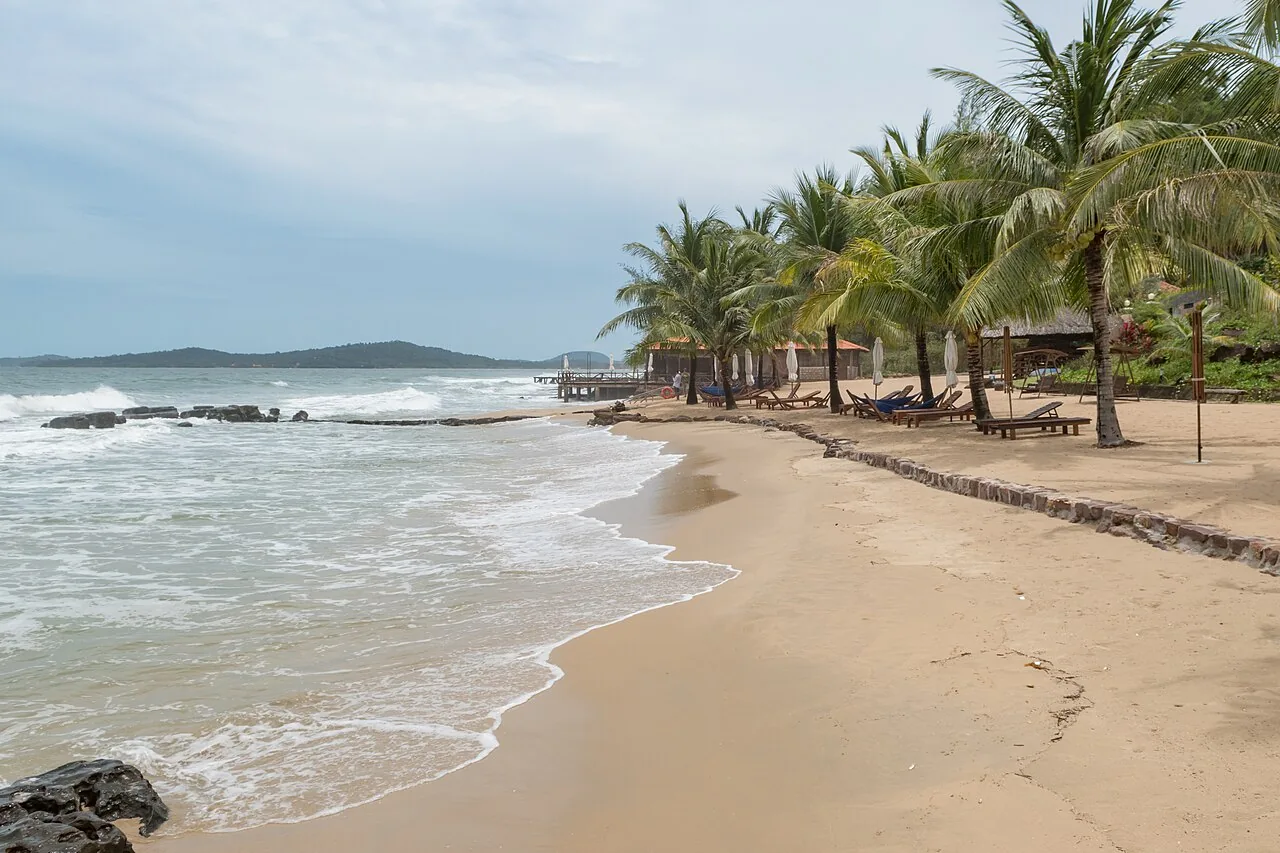
What makes Phu Quoc different from Vietnam's mainland beaches is the quality of the water. The Gulf of Thailand is calmer, warmer, and clearer than the South China Sea, and the island's western beaches — Long Beach (Bai Truong) and Sao Beach (Bai Sao) — offer conditions that compare favorably to Thailand's Andaman islands. The northern tip of the island, within the Phu Quoc National Park, retains primary tropical forest with walking trails and no development.
The island also produces two products of genuine cultural significance: Phu Quoc fish sauce (nuoc mam), considered the finest in Vietnam, and Phu Quoc pepper, grown on the island's red soil and sold across the country.
Quick Facts
- Location: Kien Giang Province, southwestern Vietnam; Gulf of Thailand
- Best time to visit: November to May (dry season; peak November–March)
- Recommended stay: 4–7 days
- Daily budget: Budget $35–60 | Mid-range $80–160 | Luxury $200+
- Getting there: Direct flights from Hanoi, Ho Chi Minh City, Da Nang, and several international cities
Top Things to Do in Phu Quoc
1. Bai Sao (Star Beach)
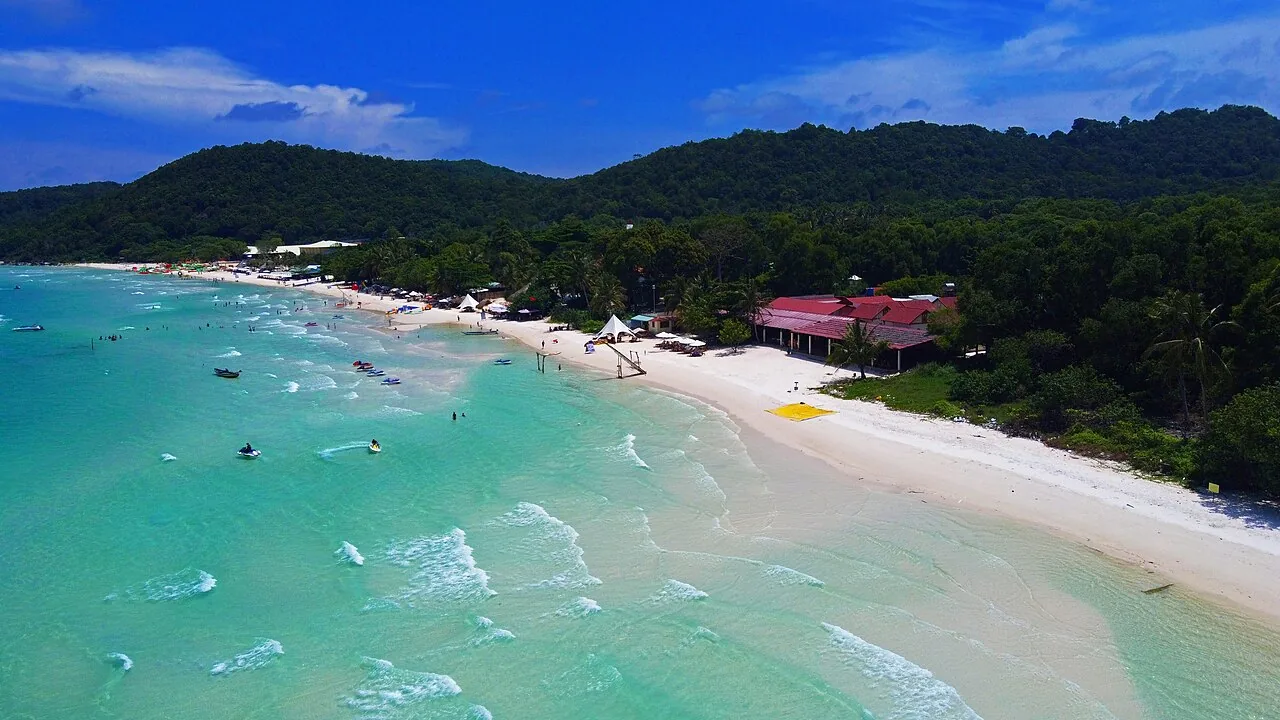
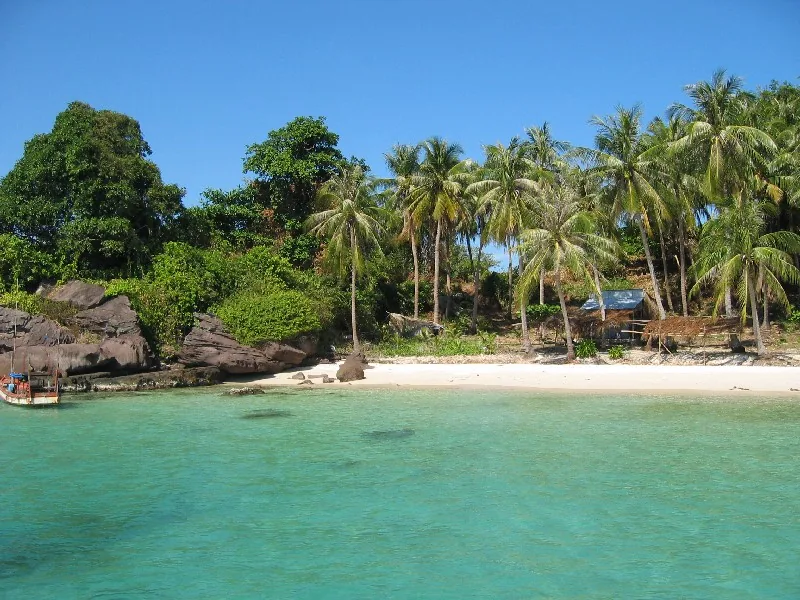
Consistently rated among Vietnam's most beautiful beaches, Bai Sao on the island's southeastern coast is a 7-km arc of powdery white sand backed by casuarina trees and calm, transparent water in shades from pale turquoise to deep aquamarine. The beach is less developed than Long Beach, with a handful of seafood shacks and beach clubs rather than resort towers. Duration: Half to full day. Tip: Arrive before 10am to secure a spot under the casuarinas; take a Grab or motorbike from Duong Dong (20–25 minutes).
2. Phu Quoc National Park
The northern third of the island is protected tropical forest — one of the last significant lowland forest remnants in southern Vietnam. A network of trails leads through the park, where wild boar, macaques, pythons, and numerous bird species inhabit dense jungle. The Ganh Dau area on the northwestern tip offers reef snorkeling and views toward Cambodia. Duration: Half day to full day. Tip: Hire a local guide from Duong Dong for the forest trails; the park is free to enter.
3. Vinpearl Safari
The island's wildlife park houses over 3,000 animals across 380 species in open-area enclosures designed along safari principles — visitors travel by jeep through areas where African animals roam relatively freely. Standards are higher than typical Southeast Asian zoos, and a conservation breeding program operates for endangered species. Duration: 3–4 hours. Tip: 600,000 VND entry; buy tickets at the gate or online. Go in the morning when animals are most active.
4. Sunset Sanato Beach Club
Phu Quoc's western coast catches the Gulf of Thailand sunset, and the beach clubs along Long Beach have turned sunset watching into a social ritual. Sanato Beach Club and Ong Lang Beach offer loungers, cocktails, and live music with the sun dropping directly into the sea. Duration: 2–3 hours. Tip: Book sun loungers in advance during peak season (December–March); arrive by 5pm.
5. Fishing Village Night Market (Dinh Cau Night Market)
The night market adjacent to the Dinh Cau Temple in Duong Dong is Phu Quoc's most atmospheric food venue — dozens of stalls serving grilled seafood, fresh-caught fish, sea urchin, lobster, and tropical fruit from 5pm to midnight. The ambience is lively and the quality high. Duration: 2 hours. Tip: Order grilled sea urchin (nhim bien) and sim wine (phu quoc wild berry wine) — both are specific to the island.
6. Snorkeling and Diving in the An Thoi Archipelago
The 15 small islands of the An Thoi group off Phu Quoc's southern tip offer the island's best underwater experiences — coral gardens, sea turtles, reef fish, and occasional whale sharks in season. Day trips depart from the An Thoi port or Bai Sao. Duration: Full day. Tip: Choose a dive or snorkel operator that practices coral-safe sunscreen policies and doesn't anchor on reef (several reputable operators now use moorings).
7. Phu Quoc Fish Sauce Factory
Phu Quoc fish sauce (nuoc mam) has a centuries-old tradition on the island, produced through a year-long fermentation process of anchovies and salt in wooden barrels. Several family factories around Duong Dong town offer tours and tastings. The smell is challenging; the product is extraordinary. Duration: 45 minutes. Tip: Buy directly from the factory — prices are lower and quality is guaranteed compared to airport shops.
8. Phu Quoc Pepper Plantation
The island's red laterite soil and microclimate produce a distinctive black and red pepper grown on climbing vines across the inland farms. Several plantations near Khu Tuong Village offer short tours showing the growing, harvesting, and drying process. Duration: 1 hour. Tip: Phu Quoc pepper is increasingly sold as a specialty export; buy whole peppercorns directly from farmers for the freshest product.
9. Suoi Tranh Waterfall
In the island's forested interior, Suoi Tranh is a pleasant natural waterfall with a shallow swimming pool — a good half-day excursion from the beach for families or travelers seeking a break from sun exposure. Duration: 1.5–2 hours. Tip: Best visited in the wet season (June–October) when water flow is strongest; entry is 5,000 VND.
10. Cable Car to Hon Thom Island
The world's longest non-stop cable car (7.9 km) connects Phu Quoc's southern tip to Hon Thom island, crossing the An Thoi archipelago in a 15-minute ride with spectacular sea views. The island itself has a small water park and beach club. Duration: Half day including time on Hon Thom. Tip: 350,000 VND return; go early to avoid midday heat and queues.
Local Food and Specialties
Banh Canh Cua (Crab Thick Noodle Soup): A Phu Quoc staple — thick rice-flour noodles in a rich blue crab broth. Rich, gelatinous, and intensely flavored. Available at breakfast stalls across Duong Dong from 5am.
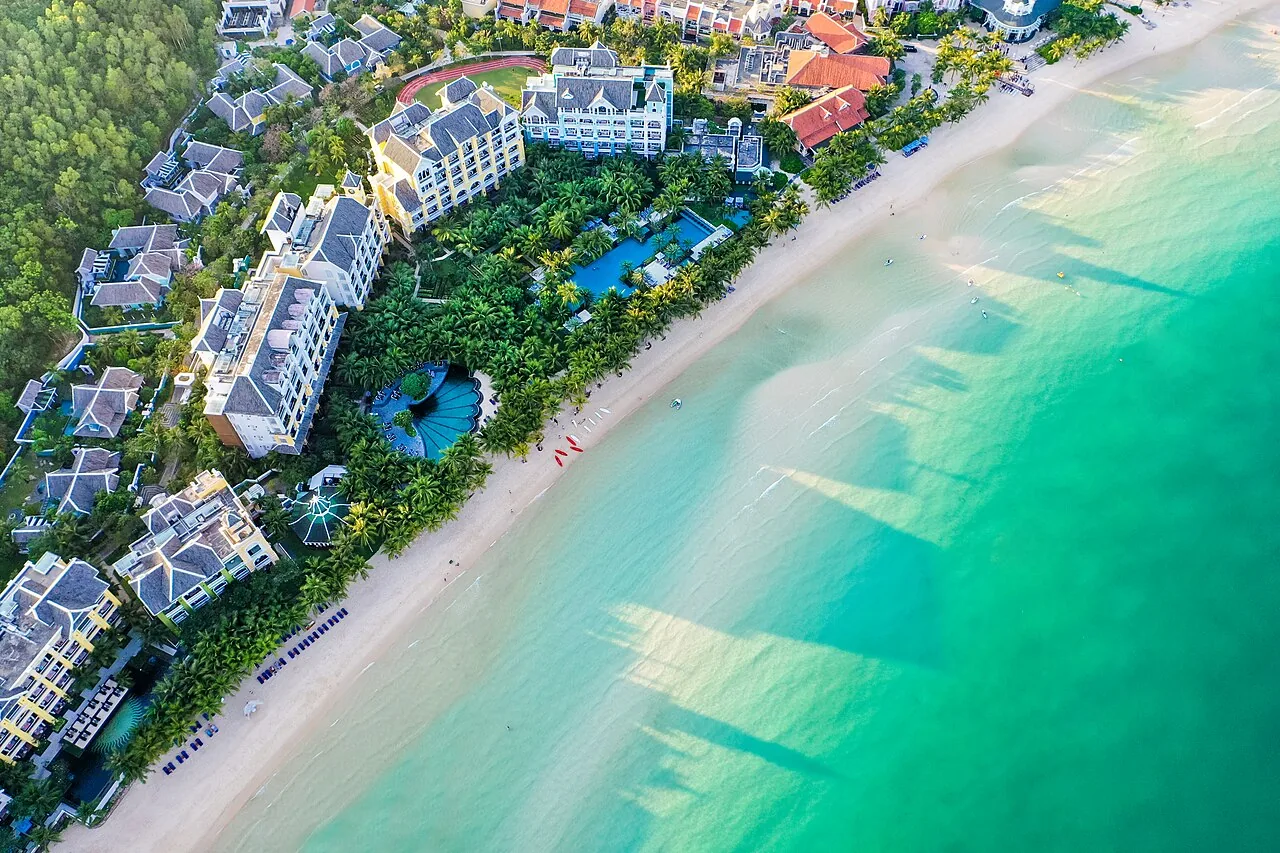
Phú Quốc from above — the island's northwestern coast has the most developed resort strip; the southern and eastern coasts remain wilder and more accessible on a scooter
Phu Quoc Nuoc Mam: The island's fish sauce is produced from a specific ratio of black anchovies (ca com) caught in local waters and is aged longer than mainland equivalents. It has a cleaner, more complex flavor — less pungent, more umami. Available at every market and factory shop.
Grilled Seafood: The island's fishing fleet brings in scallops, lobster, mantis shrimp, and reef fish daily. The night market and beachside restaurants grill them simply — charcoal, salt, pepper — which is all the quality requires.
Goi Ca Trich (Herrring Salad): Raw herring mixed with toasted coconut, roasted rice powder, herbs, and a squeeze of kumquat — a Phu Quoc specific dish rarely found on the mainland. Tangy, textured, and unusual.
Sim Wine: Brewed from the wild sim berry (rose myrtle) that grows in Phu Quoc's forests, sim wine is the island's signature drink — slightly sweet, pale pink, and with a light herbal note. Available at most restaurants and the night market.
Best Time to Visit Phu Quoc
November–March: The peak season, coinciding with Vietnam's northeast monsoon which brings clear skies and calm seas to the Gulf of Thailand. December and January are busiest and most expensive. Book ahead.
April–May: Shoulder season — still dry, warm, and relatively calm seas. Good value with fewer crowds than peak.
June–October: Wet season. The southwest monsoon brings frequent heavy rain and rough seas; many beach clubs reduce hours. Visibility for diving is lower. Some resort prices drop significantly, and the national park's waterfalls are at their best.
Where to Stay in Phu Quoc
Budget (under $40/night): Backpacker hostels are concentrated in Duong Dong; Phu Quoc Backpackers and Mushroom House offer basic but clean options.
Mid-range ($70–150/night): La Veranda Resort Phu Quoc MGallery and Cassia Cottage deliver boutique charm on the Long Beach strip. Eden Resort Phu Quoc is excellent value for families.
Luxury ($200+/night): JW Marriott Phu Quoc Emerald Bay (an architectural landmark in its own right), Premier Village Phu Quoc Resort, and Fusion Resort Phu Quoc represent the island's top tier.
Recommended areas: Long Beach (Bai Truong) for restaurant and nightlife access; Ong Lang Beach for a quieter, less developed experience; the southern coast near Bai Sao for the best swimming beaches.

Phú Quốc's west coast at sunset — Ông Lang Beach and Sao Beach on the south coast are the least developed; Dương Đông night market is the best place for fresh seafood after dark
How to Get to Phu Quoc
By air: Phu Quoc International Airport receives direct flights from Hanoi (2 hours), Ho Chi Minh City (55 minutes), Da Nang, and internationally from Singapore, Bangkok, Kuala Lumpur, and Siem Reap. Taxis to most resorts: 100,000–250,000 VND.
By ferry from Ha Tien: Superdong or Phu Quoc Express ferries connect Ha Tien on the mainland to Phu Quoc in approximately 1 hour (200,000–250,000 VND).
By ferry from Rach Gia: Superdong Express runs Rach Gia to Phu Quoc in 2.5 hours (350,000 VND).
Suggested Itineraries
1 Day
Morning: Bai Sao beach. Lunch: Seafood at a beachside shack. Afternoon: Vinpearl Safari or snorkeling day trip. Evening: Dinh Cau Night Market.
2 Days
Day 1 as above. Day 2: Phu Quoc National Park morning hike, pepper plantation and fish sauce factory afternoon, sunset at Long Beach.
3 Days
Days 1–2 as above. Day 3: Cable car to Hon Thom, An Thoi archipelago snorkeling, farewell dinner at a Long Beach restaurant.
Local Culture and History
Phu Quoc has historically been administered by Vietnam despite Cambodian claims, and the island's position near the Cambodian border gives it a multicultural quality. The Khmer presence is visible in some place names and in the cooking techniques of older families. The island developed as a fishing and fish-sauce production center during the Nguyen Dynasty period.
The Vietnamese government declared Phu Quoc a special administrative-economic zone in 2014, triggering the rapid resort and infrastructure development that transformed it through the late 2010s. The trade-off between development and conservation remains an active tension — particularly regarding the national park's integrity and coral reef health.
Travel Tips
- Motorbike rental: Essential for independent exploration ($8–12/day). The island's roads are in good condition; northern forest tracks require an off-road bike.
- Taxi apps: Grab operates on the island; use it for airport transfers and longer journeys to avoid metered-taxi overcharges.
- Water quality: Tap water is not drinkable; use refill stations rather than single-use plastic bottles.
- Crowds: December–January sees extremely high occupancy; book accommodation and popular restaurants at least a week in advance.
Frequently Asked Questions
Is Phu Quoc better than Da Nang for beaches? Different characters: Phu Quoc offers Gulf of Thailand calm and more tropical isolation; Da Nang has better city infrastructure. Both are excellent.
Can I visit Phu Quoc without a Vietnam visa? Citizens of many countries can enter Phu Quoc visa-free for up to 30 days as a special economic zone — check current visa regulations, as they change periodically.
Is Phu Quoc good for families? Excellent — Vinpearl Safari, the cable car, Suoi Tranh waterfall, and safe swimming beaches make it one of Vietnam's top family destinations.
Final Thoughts
Phu Quoc has changed rapidly and will continue to change. The luxury infrastructure is now world-class; the beaches remain world-class; and enough of the original island — the forests, the fishing villages, the fish sauce barrels, the sim berry wine — survives to give the destination a character that distinguishes it from a generic tropical resort. Come before the next wave of development and stay longer than you think you need to.
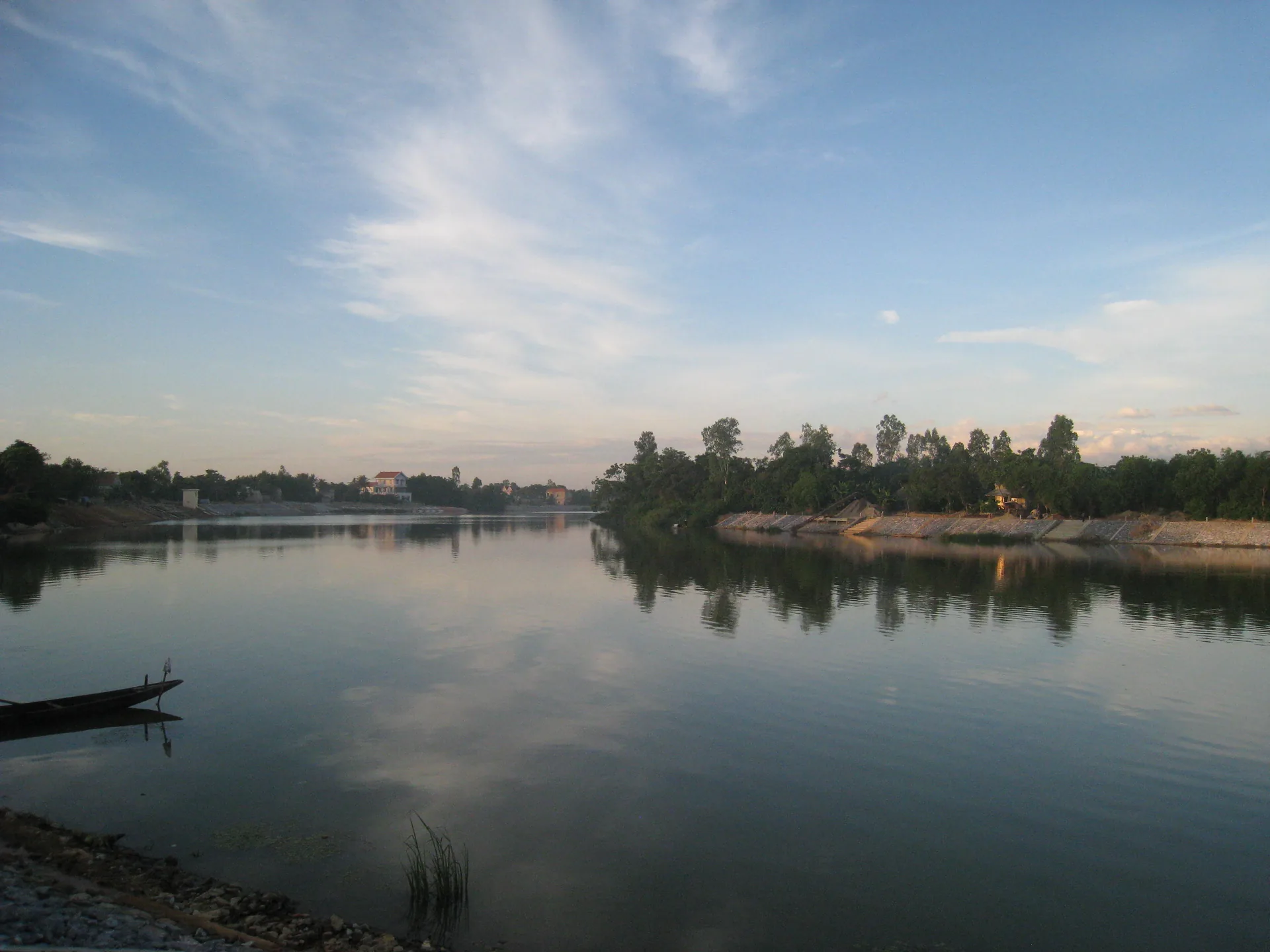
Kiên Giang province — the mainland coast of Kiên Giang hosts Ha Tien, a pleasant border town with boat connections to Phú Quốc; visa-run spot for long-stay visitors
Keywords: Phu Quoc travel guide, things to do in Phu Quoc, best time to visit Phu Quoc, where to stay in Phu Quoc, Phu Quoc beaches, Bai Sao beach, Phu Quoc snorkeling