Pleiku & Central Highlands
Published on May 28, 2026
Why Visit Pleiku
Pleiku sits at 800 meters on Vietnam's Central Highlands plateau, surrounded by the red volcanic basalt soil that makes this region one of the world's great coffee-growing areas. The capital of Gia Lai Province is a working provincial city — not a tourist town — which means you'll find Jarai and Bahnar ethnic minority communities going about daily life in markets and villages without the performance layer that accumulates in more-visited places.
The landscape around Pleiku is defined by volcanic geology: a crater lake, a dormant volcano blanketed in wildflowers each spring, and coffee and pepper plantations on red laterite soil stretching to the horizon. Combined with access to some of the most elaborate ethnic minority funerary art in Southeast Asia, Pleiku is a compelling base for Central Highlands exploration.
Quick Facts
- Location: Gia Lai Province, Central Highlands, 220 km from Quy Nhon, 540 km from HCMC
- Altitude: ~785 m
- Airport: Pleiku Airport — direct flights from Hanoi and HCMC
- Best time to visit: November to April (dry season)
- Recommended stay: 2–3 days
- Daily budget: Budget $20–35 | Mid-range $45–75
Top Things to Do
1. Bien Ho (T'Nung Crater Lake)
A volcanic crater lake 7 km northwest of the city center, pine-fringed and extraordinarily still. At 2.5 km across and up to 40 meters deep, it fills a collapsed volcanic caldera. The surrounding pine forest and the reflective water create a landscape unlike anything on the Vietnamese coast.
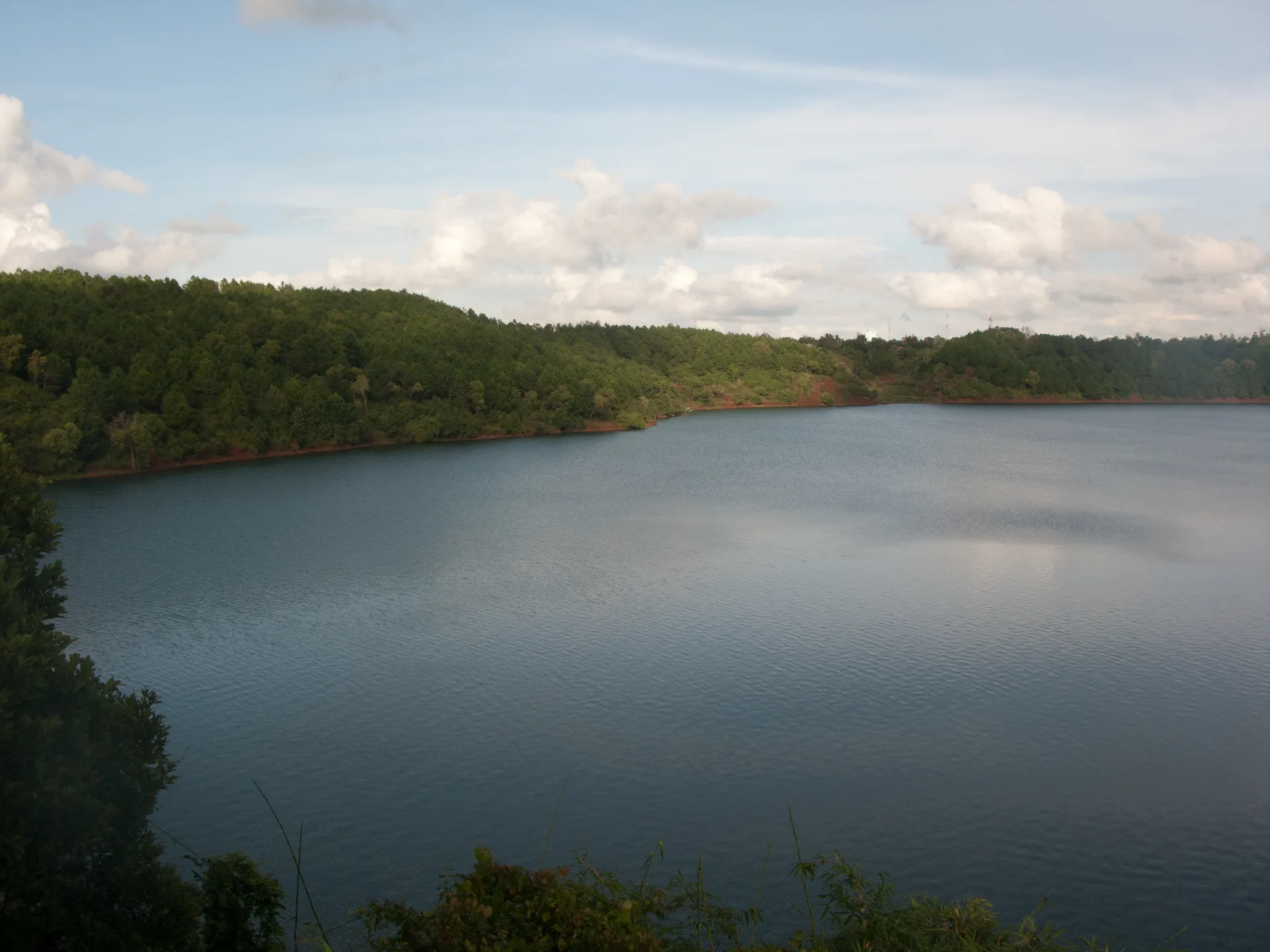
Bien Ho (T'Nung Lake) — a serene volcanic crater lake 7 km from Pleiku city center
Duration: Half day. Tip: Rent a pedal boat (30,000–50,000 VND) to reach the lake's center; the early morning mist off the water is exceptional. Local catfish and tilapia restaurants circle the shore.
2. Jarai Village Cultural Circuit
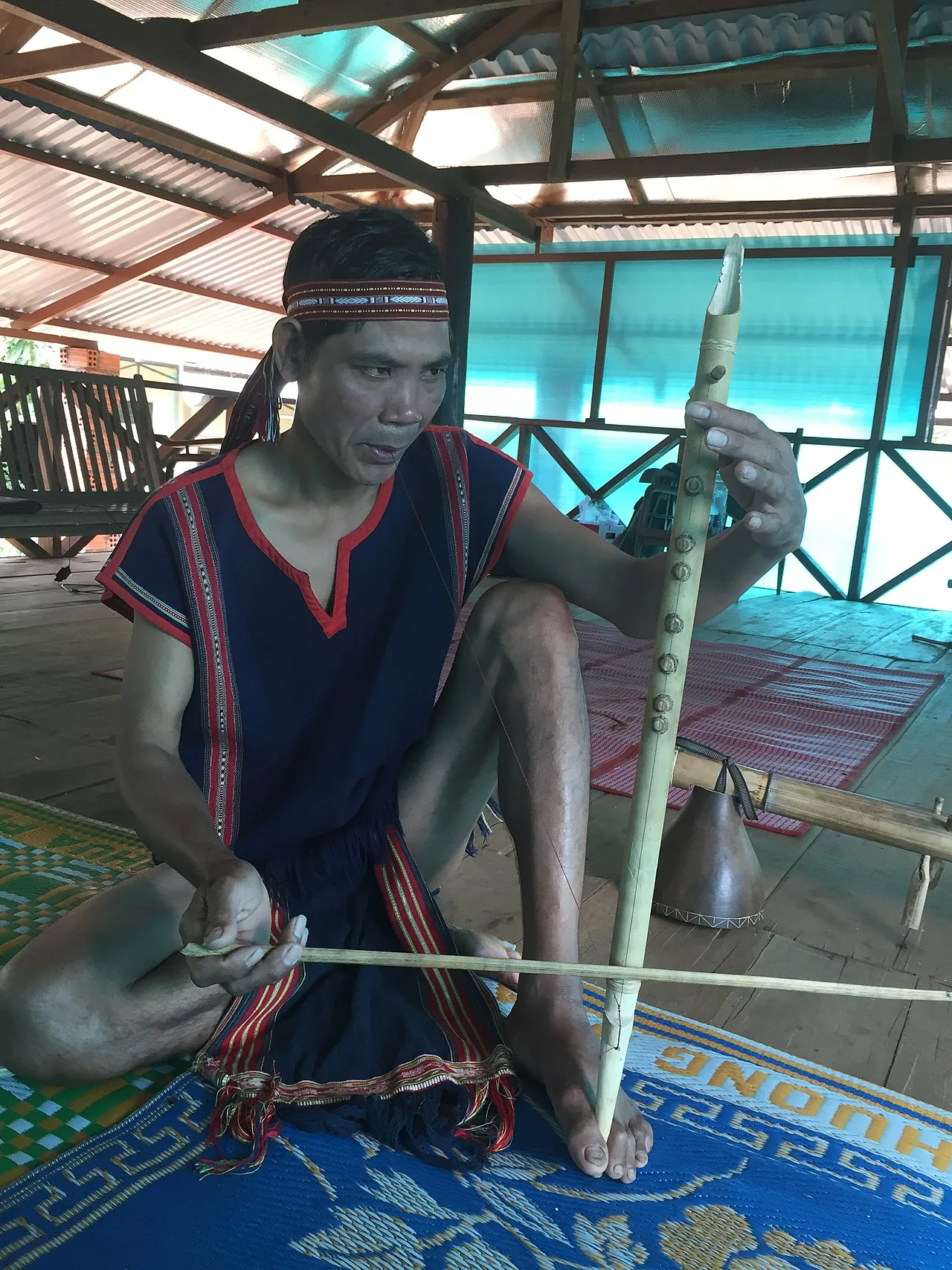
The Jarai are one of Vietnam's largest highland ethnic groups, and the villages surrounding Pleiku preserve extraordinary cultural traditions. Key visits:
Plei Op Village (5 km from center): An active Jarai village with traditional longhouses on stilts, women weaving on backstrap looms, and a central rong communal house. Markets within the village operate at dawn.
Jarai Grave Houses (Nha Mo): The Jarai funerary tradition involves constructing elaborate carved wooden grave houses above burial sites, populated with statues of the deceased's relatives, animals, and household objects — believed to supply the dead in the afterlife.

Jarai grave house statues — among the most remarkable funerary art traditions in Southeast Asia
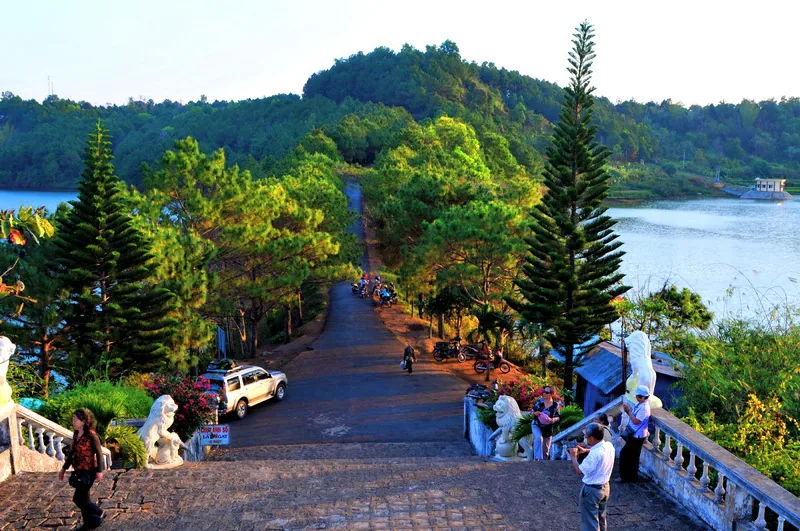
Rows of rubber trees in a Vietnamese highland plantation
The carvings combine grief, humor, and cosmological symbolism in remarkable ways. Several village cemeteries within 15 km of Pleiku contain exceptional examples. Tip: Visit with a local guide who can explain the symbolism and arrange respectful access.
3. Chu Dang Ya Volcano
A 1,001-meter partially dormant volcano 30 km north of Pleiku, spectacular in February and March when its slopes are blanketed in wildflowers — local varieties of daisies, sunflowers, and highland grasses create a carpet of color against the black volcanic soil. The ascent takes 2–3 hours and provides views across the highlands plateau. Duration: Full day. Tip: Peak wildflower season is February–March; the volcano is beautiful but less colorful at other times of year.
4. Pleiku Market (Cho Pleiku)
The city's main market is a vivid highland trading hub where Jarai and Bahnar women from surrounding villages sell highland produce alongside lowland Vietnamese traders. Early morning (5–8am) is the most active period — beeswax, dried forest herbs, woven textiles, and local coffee alongside vegetables and meats. Duration: 1–2 hours. Tip: The market food section serves bún bò and cháo (rice porridge) from 5am — excellent before a village trip.
5. Ia Ly Falls (Day Trip)
A powerful waterfall 50 km west of Pleiku on the Ia Ly River, surrounded by jungle. The falls are most spectacular in the wet season (May–October) when the volume is at its peak, but are accessible year-round. Duration: Full day including transport. Tip: Combine with a visit to the Ia Ly Reservoir — one of Vietnam's largest — whose deep green water and surrounding forest are scenic.
6. Pleiku War History
Pleiku was a major US military base during the American War — the 1965 Viet Cong attack on Camp Holloway (3 km from center) that killed American advisors was a direct trigger for the escalation of US combat involvement. The base area is now a Vietnamese military facility, but local museums and the surrounding landscape carry layers of wartime history. Tip: The Gia Lai Museum (in the city center) covers both ethnic minority culture and wartime history comprehensively.
Local Food
Cơm Lam (Bamboo Sticky Rice): The highland staple — glutinous rice steamed in sealed bamboo tubes over an open flame. Sold at markets from 15,000 VND per tube.
Gà Nướng Tây Nguyên (Highlands Grilled Chicken): Free-range highland chickens grilled over charcoal with lemongrass and local spices. Firmer and more flavorful than lowland chicken. Found at restaurants around the market.
Cà Phê Pleiku: Pleiku is coffee country — robusta and arabica grown on red volcanic soil nearby. Local cafes serve it Vietnamese-style (drip filter over ice or condensed milk) using beans roasted the same day. Try the hilltop cafes overlooking Bien Ho.
Rau Rừng (Forest Vegetables): A rotation of wild-gathered highland greens — bitter, aromatic, and unfamiliar to lowland palates — sautéed with garlic and served alongside grilled meats at local restaurants.
Best Time to Visit
November to April (dry season): Clear skies, cool temperatures (18–26°C), and passable dirt roads to villages. February–March is the wildflower season on Chu Dang Ya — the best single reason to time a visit.

Lush green nature of Vietnam central highlands
May to October (wet season): Heavy rains, red soil roads turn to mud. Ia Ly Falls are spectacular but village access is difficult. Not recommended for first visits.
Where to Stay
Budget ($15–30): Pleiku Hotel and several guesthouses on Hung Vuong Street provide clean rooms at low cost. Most can arrange motorbike rental and village guides.
Mid-range ($40–75): Hoang Anh Gia Lai Hotel is the most comfortable option in the city — large rooms, central location, rooftop views over the plateau.
Note: Luxury accommodation is limited in Pleiku. Travelers seeking resort-style options should base themselves in Da Lat (5 hours) and do Pleiku as a 2-day side trip.
How to Get There
By air: Vietnam Airlines and Vietjet operate daily flights from Ho Chi Minh City (1h 15m) and Hanoi (1h 40m) to Pleiku Airport, 5 km from the center.
By bus from HCMC: 11–12 hours overnight on express bus; several operators from Mien Dong station.
By bus from Quy Nhon: 4 hours via the dramatic Mang Yang Pass (Highway 19) — a beautiful mountain road with wartime history.
By motorbike: Pleiku is a natural stop on the Central Highlands motorbike circuit: Quy Nhon → Mang Yang Pass → Pleiku → Kon Tum → Quy Nhon or Hoi An.
Suggested Itineraries
1 Day
Morning: Bien Ho crater lake and pine forest walk. Afternoon: Plei Op Jarai village, Jarai grave house cemetery. Evening: Coffee and sunset at a hilltop cafe.

Morning fog drifting through a highland valley near Pleiku
2 Days
Day 1 as above. Day 2: Chu Dang Ya volcano hike (full day, early start); evening at Pleiku Market.
3 Days
Days 1–2 as above. Day 3: Day trip to Ia Ly Falls and Ia Ly Reservoir; overnight bus or flight onward.
Travel Tips
- A motorbike is the most practical way to reach villages and natural sites; rent from guesthouses ($8–12/day) or arrange a xe om (motorbike taxi) driver for the day ($20–35).
- The Jarai grave carvings are objects of genuine spiritual significance — photograph respectfully and never touch or move them.
- Coffee sold directly from local farms near Bien Ho is far better value than packaged tourist coffee; ask your guesthouse to point you toward farmgate sellers.
- Pleiku's altitude means evenings can be cool year-round; bring a light jacket.
Final Thoughts
Pleiku is a destination for travelers who want to see the Central Highlands without the infrastructure of Da Lat or the tourism layer of Sapa. The Jarai cultural encounters — particularly the grave house cemeteries — are among the most unique in Vietnam, and Bien Ho and Chu Dang Ya offer highland landscapes that reward an unhurried visit.