Pu Luong Nature Reserve
Published on May 28, 2026
Pu Luong Nature Reserve Travel Guide
Meta description: Discover Pu Luong — Vietnam's most beautiful off-the-beaten-track valley with rice terraces, waterwheels, and Muong homestays. Complete guide 2025.
Why Visit Pu Luong
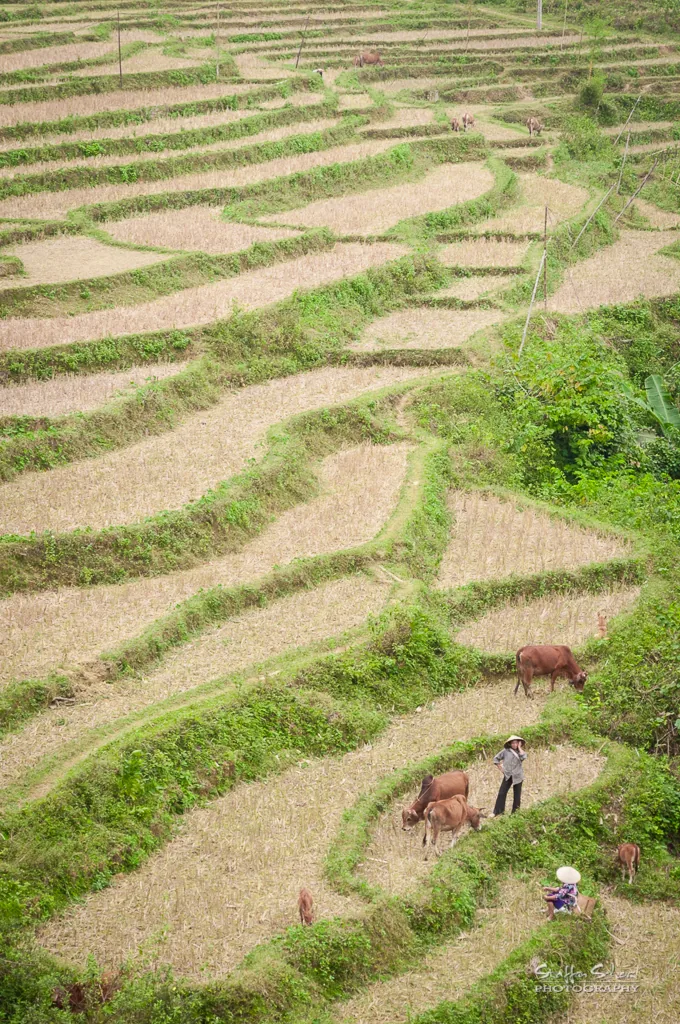
Pu Luong Nature Reserve — 17,662 hectares of primary forest, limestone karst, and terraced paddies in Thanh Hoa Province; far less visited than Sapa with a comparable landscape
Pu Luong Nature Reserve in Thanh Hoa Province is everything Sapa was before mass tourism arrived. A valley of terraced rice fields, bamboo forests, waterfall streams, and Muong ethnic minority villages sits between two limestone mountain ridges 130 km south of Hanoi, largely unknown to international visitors until the early 2010s and still visited by only a fraction of those who go to Sapa.
The appeal is simple: exceptional terraced landscape in a compact, walkable valley; genuine Muong village homestays; and a quiet that is now difficult to find in more famous northern highland destinations. Pu Luong is at its most beautiful in May–June (rice planting) and September–October (harvest gold).
Quick Facts
- Location: Thanh Hoa Province, 130 km south of Hanoi
- Best time to visit: May–June or September–October
- Recommended stay: 2–3 days
- Daily budget: Budget $20–35 | Mid-range $45–80
- Getting there: Bus or private car from Hanoi (3.5 hours)
Top Things to Do
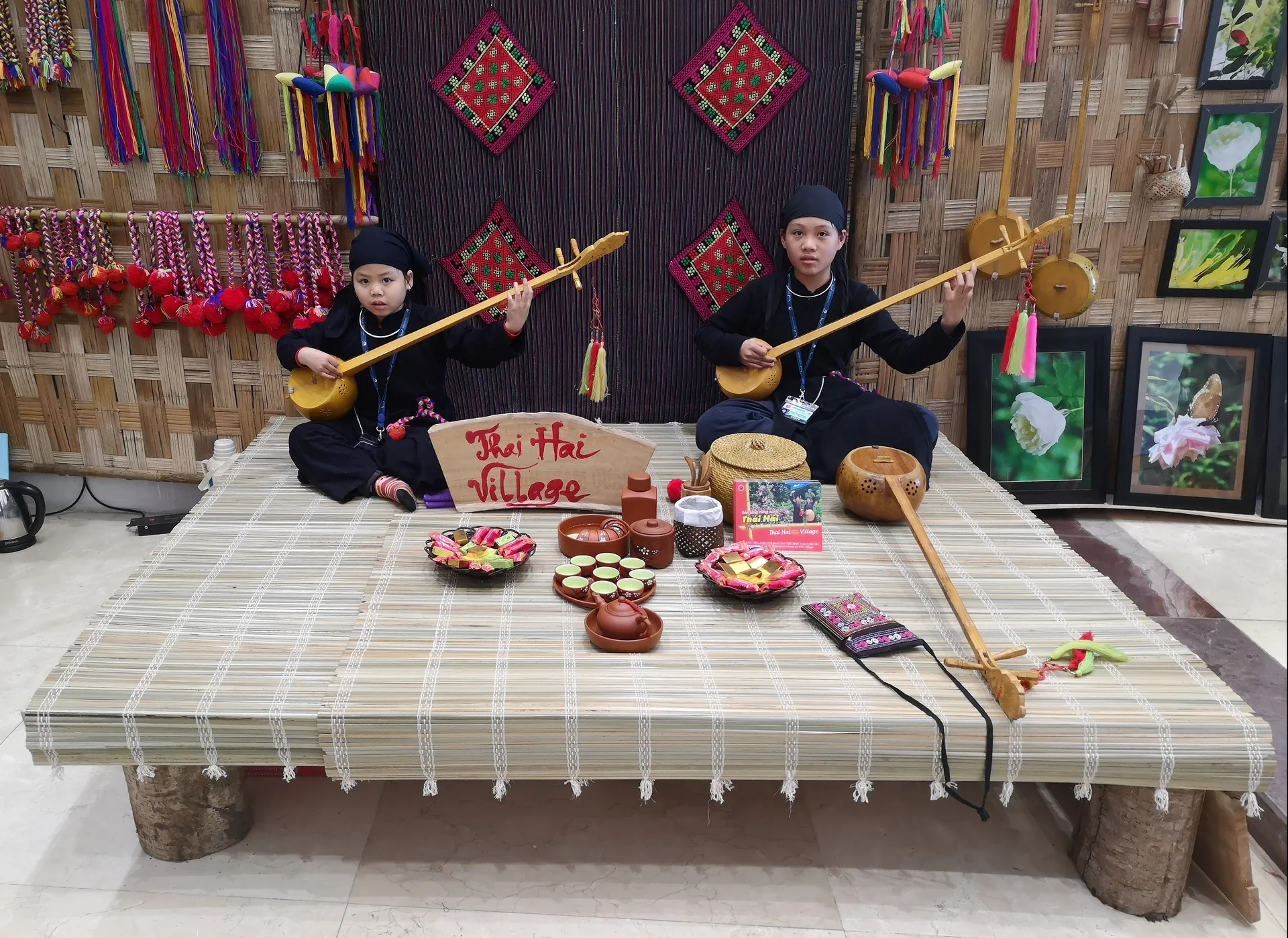
White Thai stilt houses — Pu Luong is primarily inhabited by White Thai communities; homestay accommodation in traditional stilt houses is the standard way to experience the reserve
1. Terraced Rice Field Walks
The valley's network of rice terraces is accessible on foot via paths between Muong villages. The Pa Co–Hieu village route (12 km one way) passes through the most spectacular terrace landscapes and can be done as a full-day guided walk. Duration: Full day. Tip: Local Muong guides are available from Ban Hieu village homestays ($10–15/day).
2. Waterwheel Trail
Traditional wooden waterwheels spin in the mountain streams throughout the valley, used to irrigate the terraces and power rice mills. A cycling or walking route connects several working waterwheels. Duration: 2–3 hours.
3. Ban Hieu Village Homestay
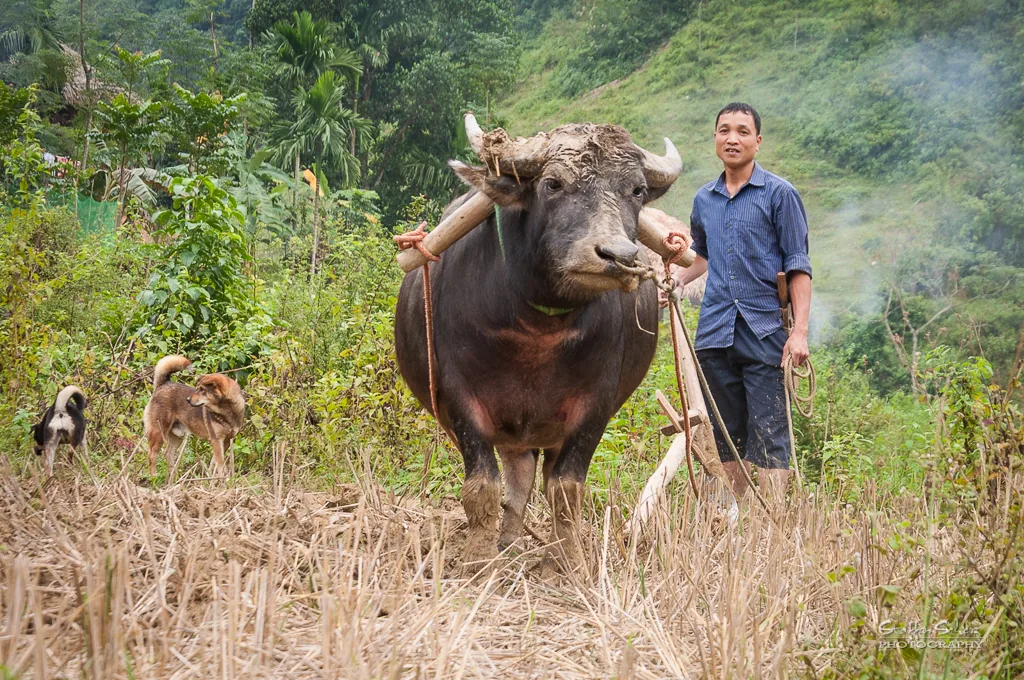
Staying in a traditional Muong stilt house with a local family — sleeping on raised wooden floors, eating family meals, and joining morning farm work — is the core Pu Luong experience. Hosts include young Muong women and men who speak basic English. Cost: $15–25/person including dinner and breakfast.
4. Pu Luong Mountain Summit
A 2-day hike reaches the 1,700m summit of Pu Luong Mountain through primary forest — rarely done but offering extraordinary views and genuine wilderness. Arrange a guide from reserve management.
5. Natural Swimming Pools (Don Village)
Natural rock pools in the Don and Ban Hieu stream systems provide excellent swimming in clear mountain water — a refreshing reward after trekking. Tip: Water levels are best in September–November.
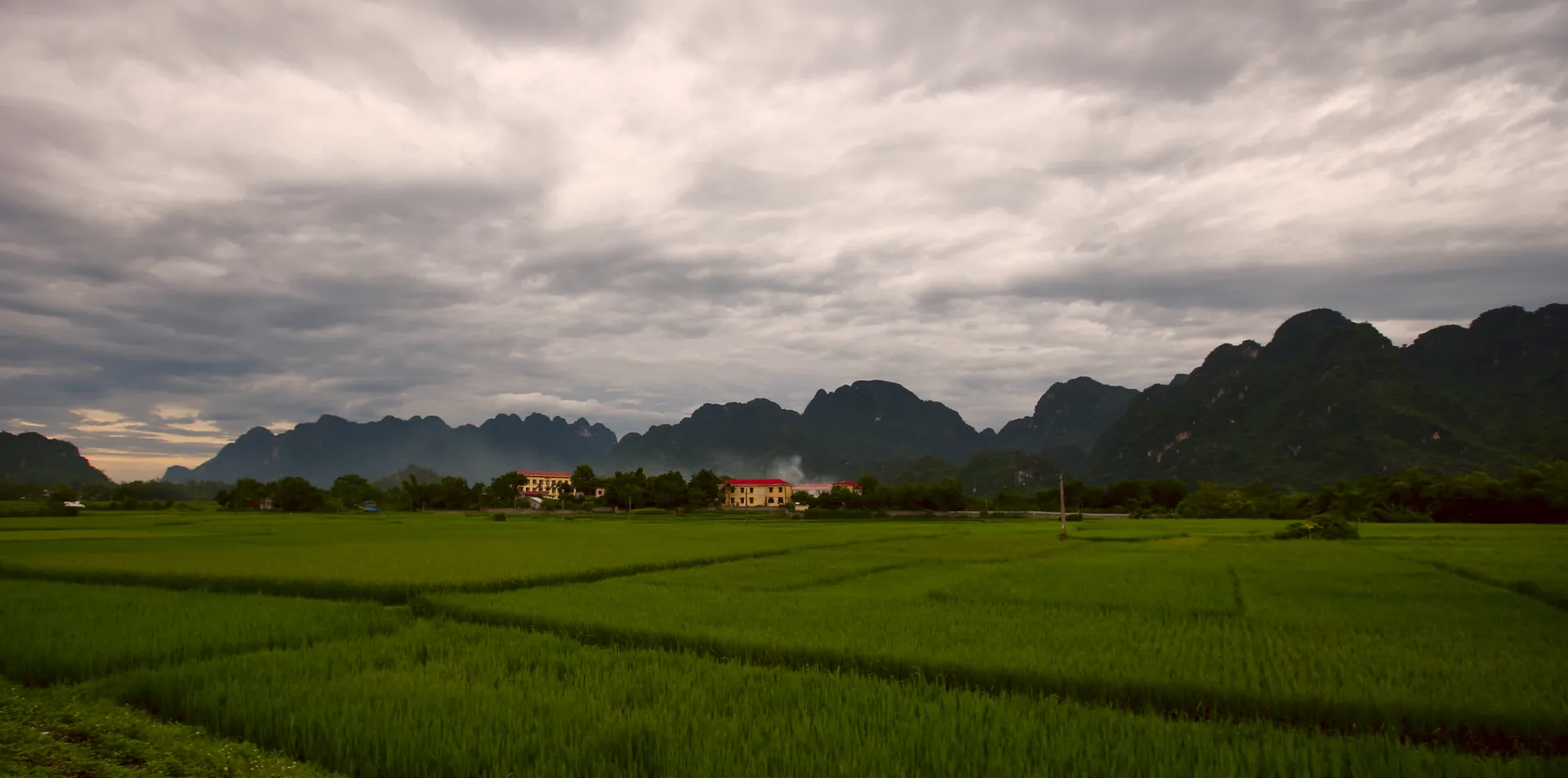
Hoa Binh Province — the southern edge of the northwest highlands; Da River reservoirs and the Mai Chau valley lie just north of Pu Luong, easy to combine on a single loop from Hanoi
Local Food
Muong Village Meals: Homestay dinners feature grilled river fish, mountain vegetables, sticky rice cooked in bamboo, wild boar, and homemade rice wine. The quality and generosity is outstanding.
Canh Chua Ca: Sour fish soup with river fish and tamarind — a Central Highland specialty.
Best Time to Visit
September–October: Golden harvest; rice terraces turn amber and gold.
Son La Province approach — the drive north from Hanoi to Pu Luong via Son La offers some of Vietnam most dramatic mountain road scenery; the route passes through White Thai and Muong villages
May–June: Rice planting season; bright green terraces with water-filled paddies reflecting the sky.
November–April: Dry season; terraces are bare but trekking and cycling conditions are excellent.
Where to Stay
Homestays in Ban Hieu, Don, and Ba village are the primary accommodation options ($15–25/person). Pu Luong Retreat and Pu Luong Eco Garden offer mid-range eco-lodge options for travelers who want more comfort ($60–120/night).
How to Get There

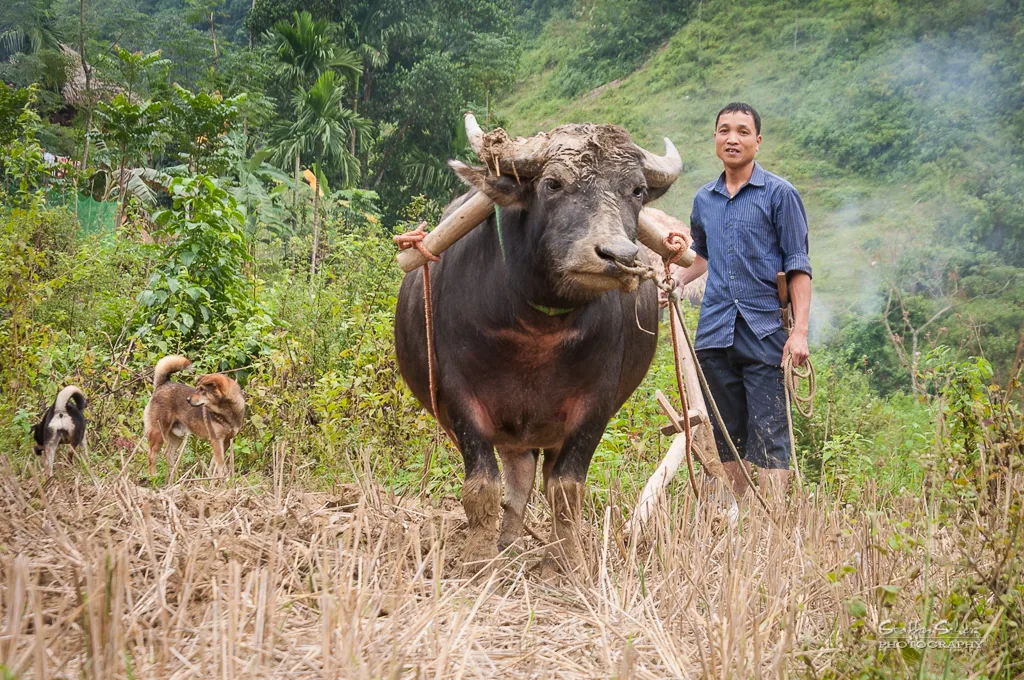
Muong communities — alongside the White Thai, Muong people farm the valley floors of Pu Luong; their weaving traditions produce cotton textiles sold at small village markets
From Hanoi: Bus to Cang Nang (3–4 hours, 100,000 VND) then motorbike taxi to Ban Hieu ($5–8). Private car from Hanoi runs $60–80 one way. Many Hanoi operators offer 2-night Pu Luong packages including transport.
Final Thoughts
Pu Luong is the northern highland experience without the crowds. Come before it changes.
Keywords: Pu Luong Nature Reserve guide, Pu Luong rice terraces, Muong homestay Vietnam, Thanh Hoa trekking, off the beaten track Vietnam, Pu Luong travel