Sapa & the Northern Highlands
Published on May 28, 2026
Sapa Travel Guide
Meta description: Discover Sapa, Vietnam's mountain trekking capital — terraced rice fields, ethnic hill tribes, and Fansipan summit. Complete Sapa travel guide for 2025.
Why Visit Sapa
Sapa sits in the Hoang Lien Son mountain range in northwestern Vietnam, at an altitude of around 1,500 meters, close enough to the Chinese border that the air carries a different quality — cooler, mist-laden, occasionally biting in winter. The town itself is a modern hill station, dramatically rebuilt after decades of tourism growth, but it sits amid landscapes that remain among the most visually striking in Southeast Asia.
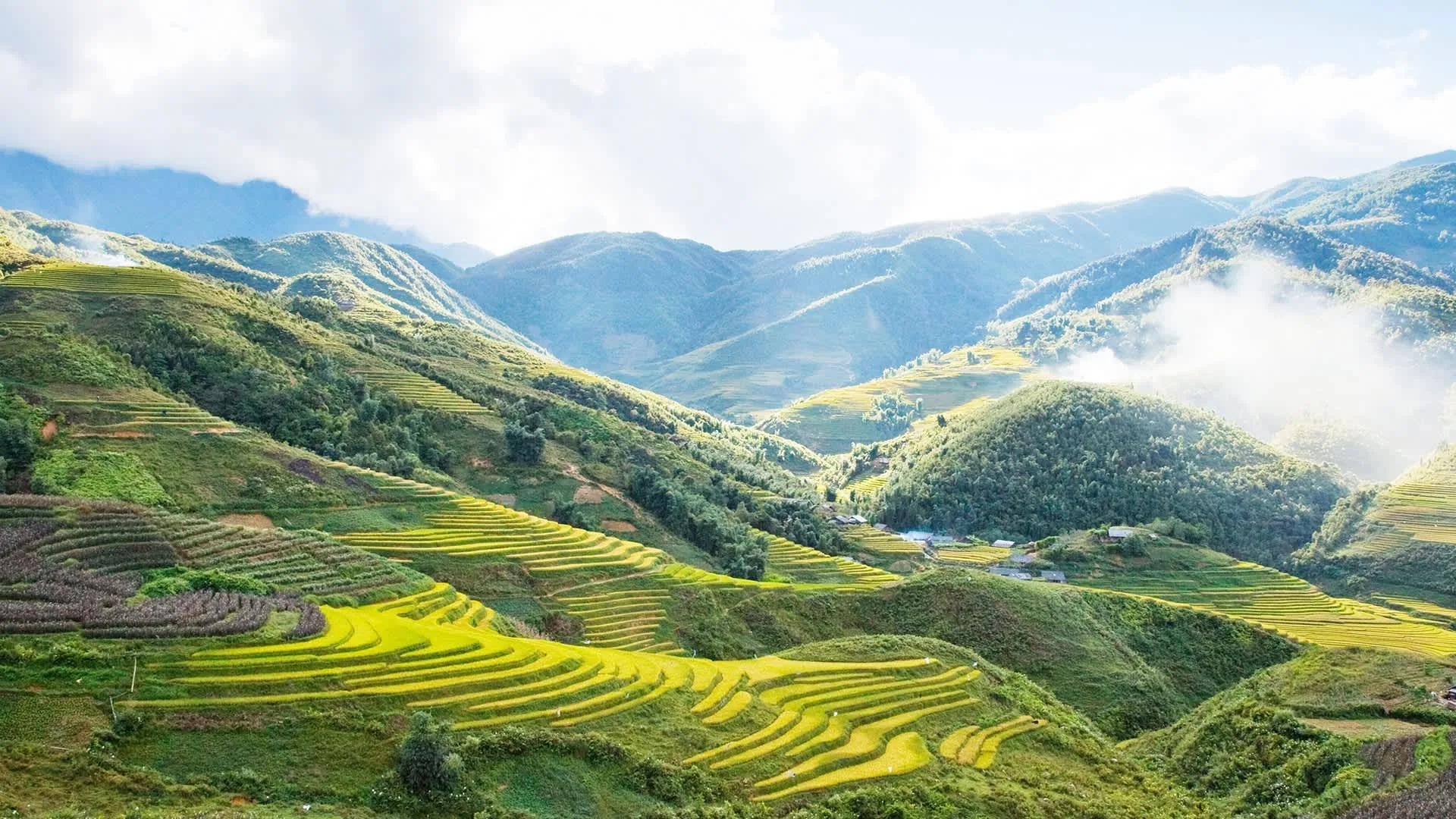
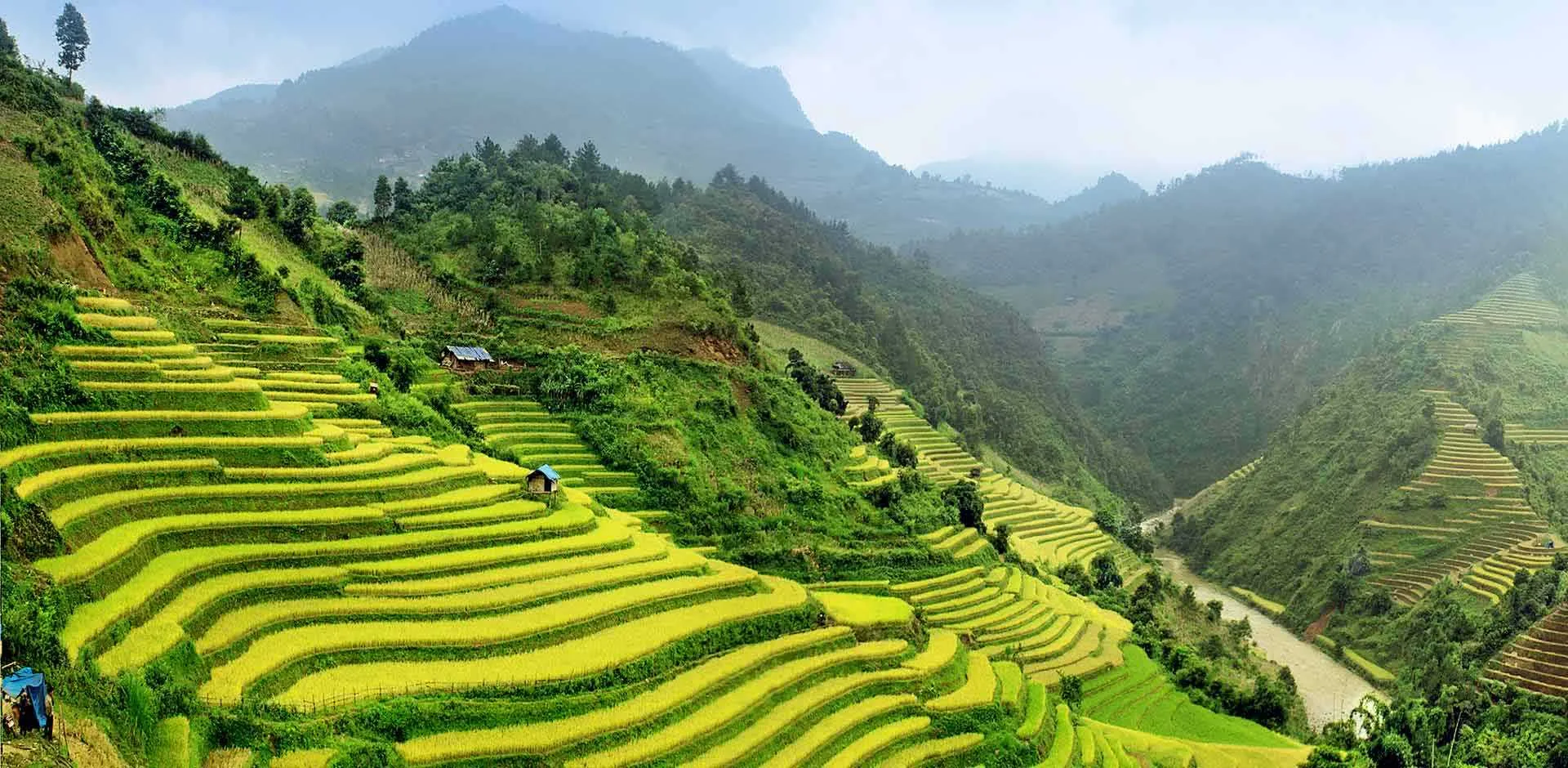
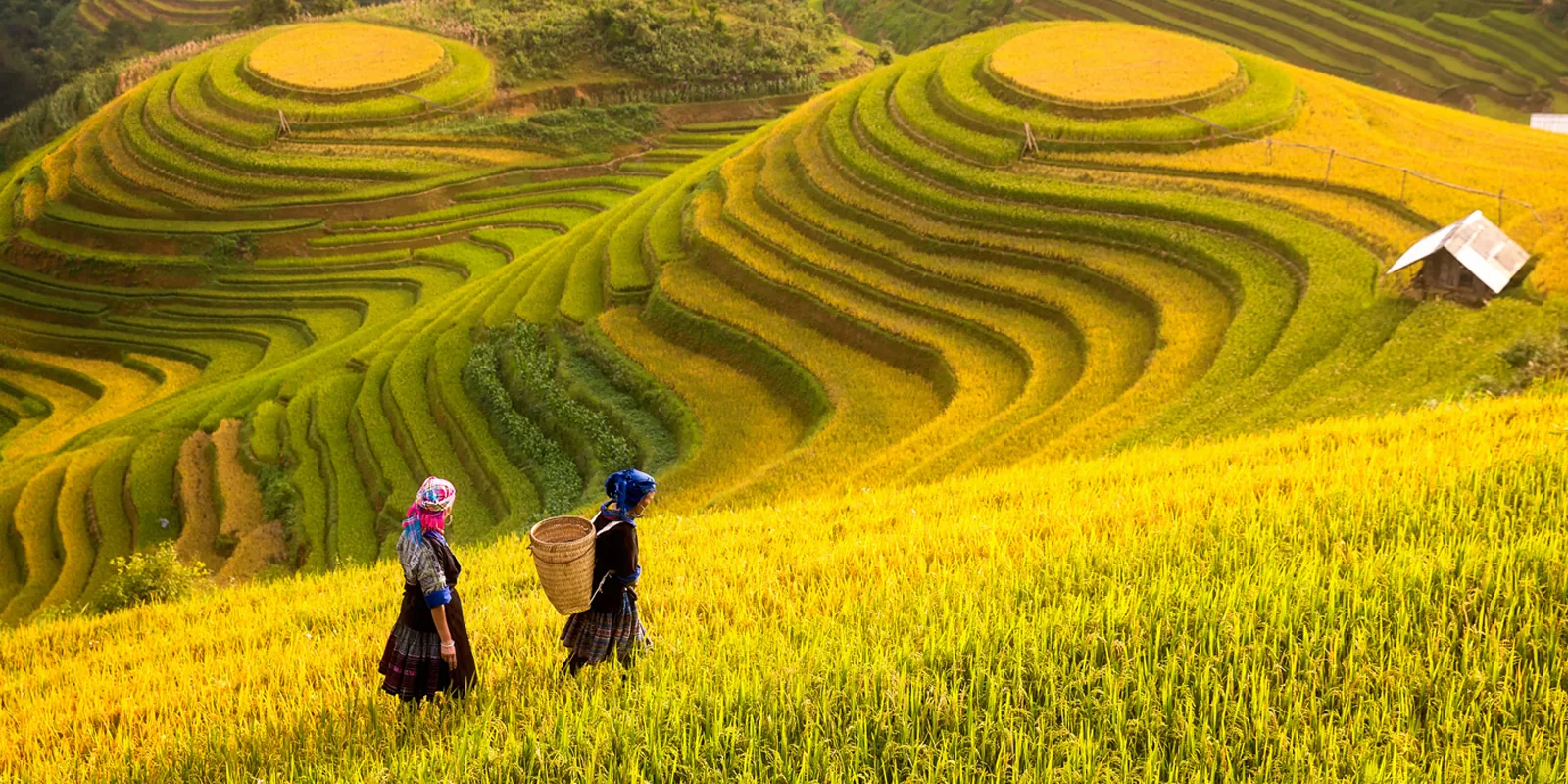
The famous terraced rice fields of Muong Hoa Valley — engineered by the Red Dao and Black Hmong ethnic groups over centuries — cascade down mountain slopes in a geometry that seems too perfect for human hands. In September and October, when harvest turns the paddies gold, the valley becomes one of the most photographed landscapes in Vietnam.
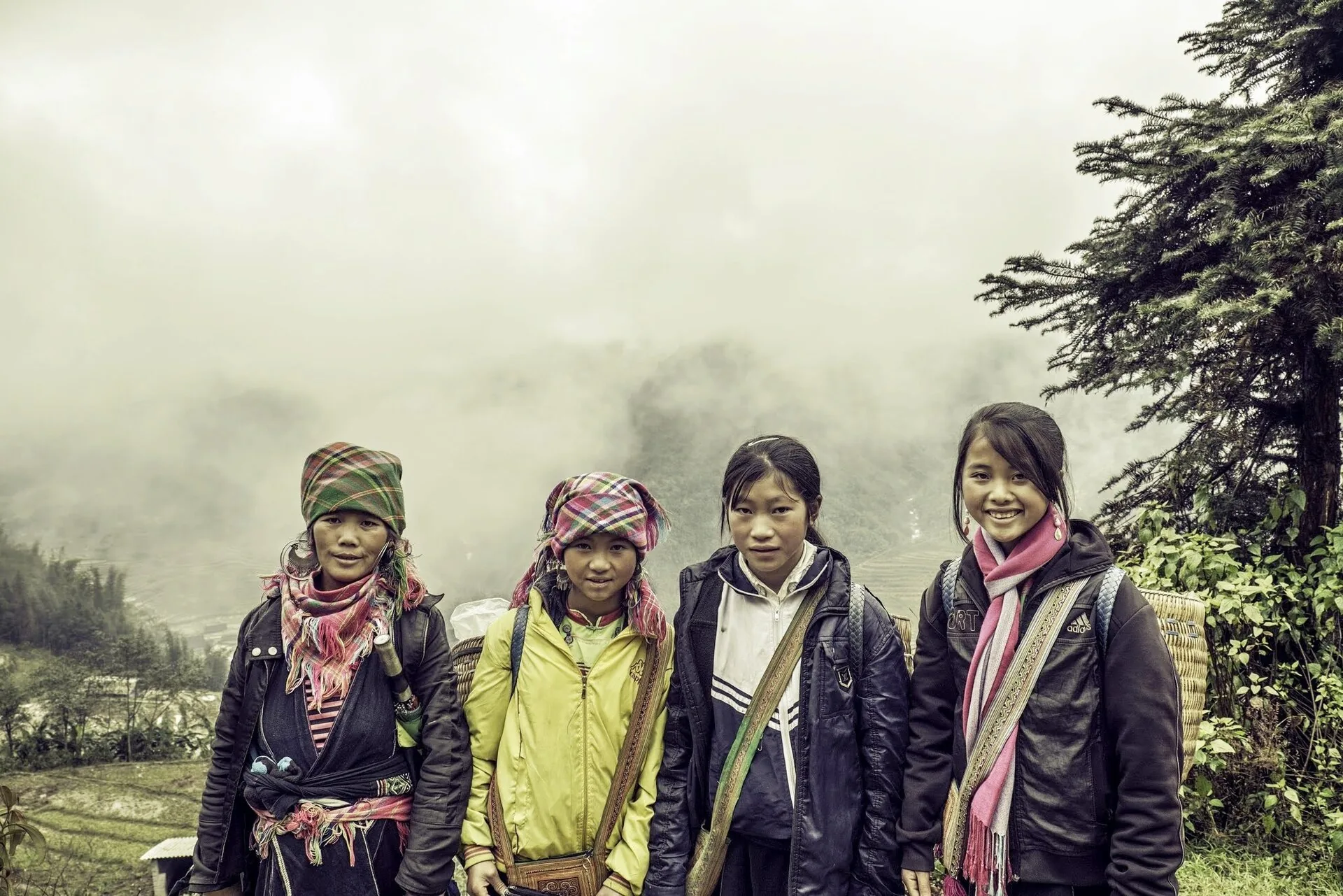
What distinguishes a Sapa trip from other highland destinations is the genuine cultural dimension. Roughly 80 percent of the Lao Cai Province population belongs to ethnic minority groups — Black Hmong, Red Dao, Tay, Giay, and others — who maintain distinct languages, dress, and agricultural traditions. A multi-day trek that includes homestays in these communities offers a depth of encounter rarely available in more tourist-saturated destinations.
Quick Facts
- Location: Lao Cai Province, northwestern Vietnam, 380 km from Hanoi
- Best time to visit: September–November (harvest season, clear skies) or March–May (rhododendrons in bloom)
- Recommended stay: 3–5 days
- Daily budget: Budget $20–40 | Mid-range $50–100 | Luxury $120+
- Altitude: 1,500 m (Sapa town); Fansipan summit at 3,143 m
Top Things to Do in Sapa
1. Trek to Cat Cat Village
The closest village to Sapa town, Cat Cat is a Black Hmong settlement 3 km down a well-worn path. The walk descends through terraced fields to a village of traditional stilt houses, a French-era hydroelectric plant, and craft workshops where women weave hemp cloth on backstrap looms. It is touristy by Sapa standards — but the walk itself is beautiful and the artisan quality is genuine. Duration: 3–4 hours return. Tip: Start early (before 8am) to beat tour groups on the main path.
2. Muong Hoa Valley Trek
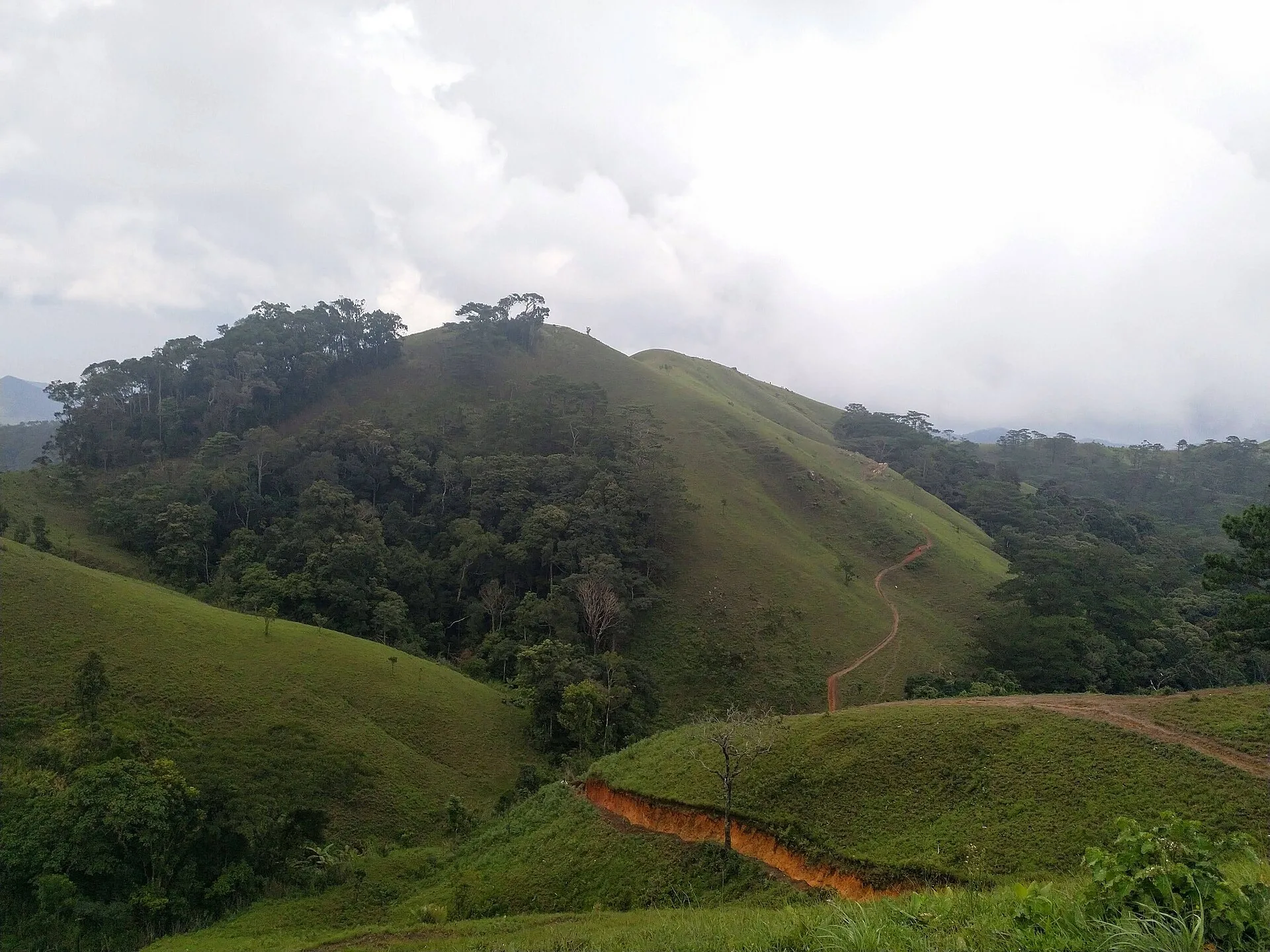
The valley floor, 8 km from Sapa, contains the most spectacular terraced field landscapes in the region. A full-day guided trek traverses the valley, passing through Black Hmong and Red Dao villages, crossing wooden bridges, and offering viewpoints that change with the season. Duration: Full day, 12–15 km. Tip: Hire a local guide from a reputable agency rather than the freelance guides who approach at the market — guided community tourism directs income more effectively.
3. Climb Fansipan — Vietnam's Highest Peak
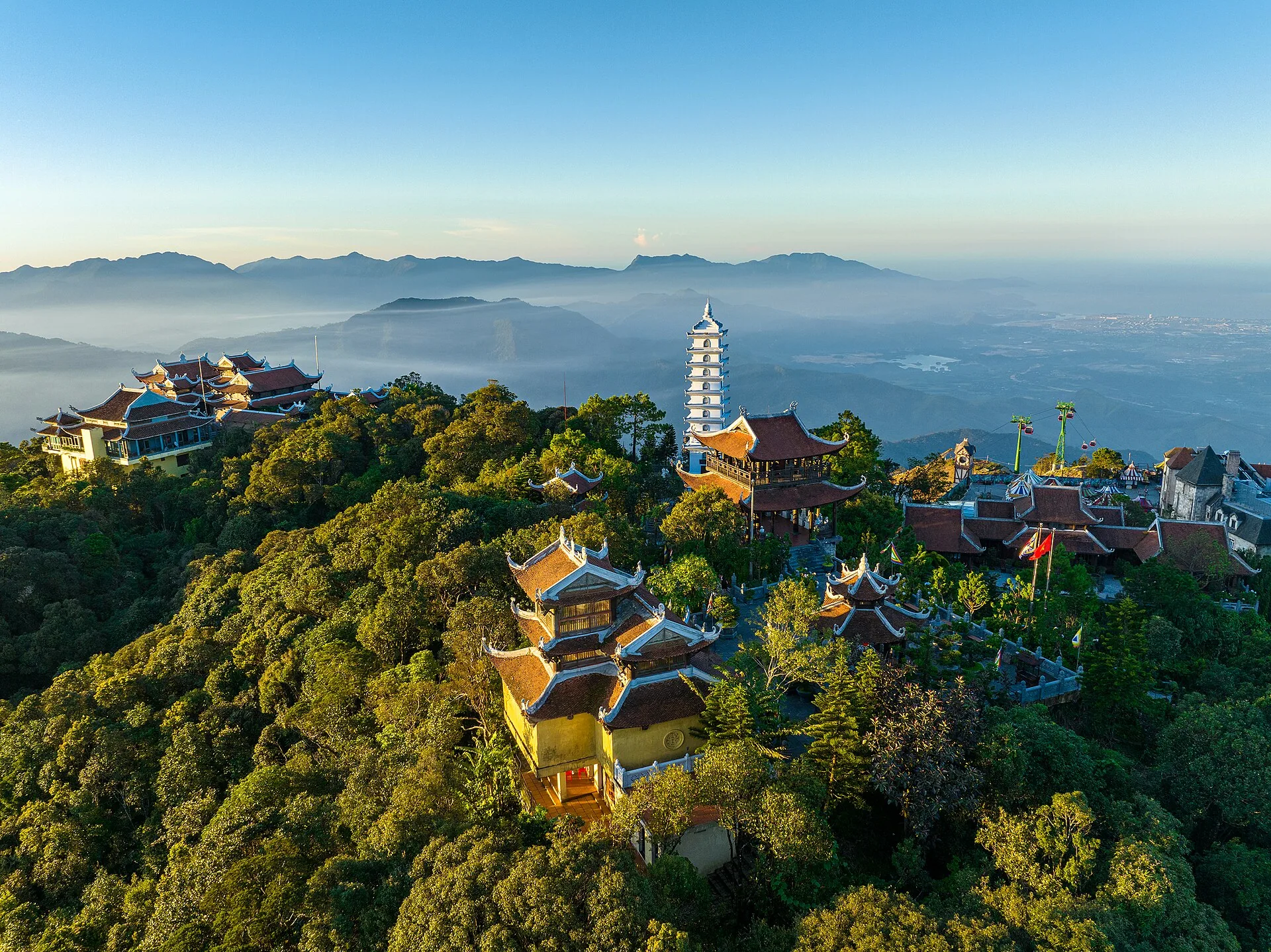
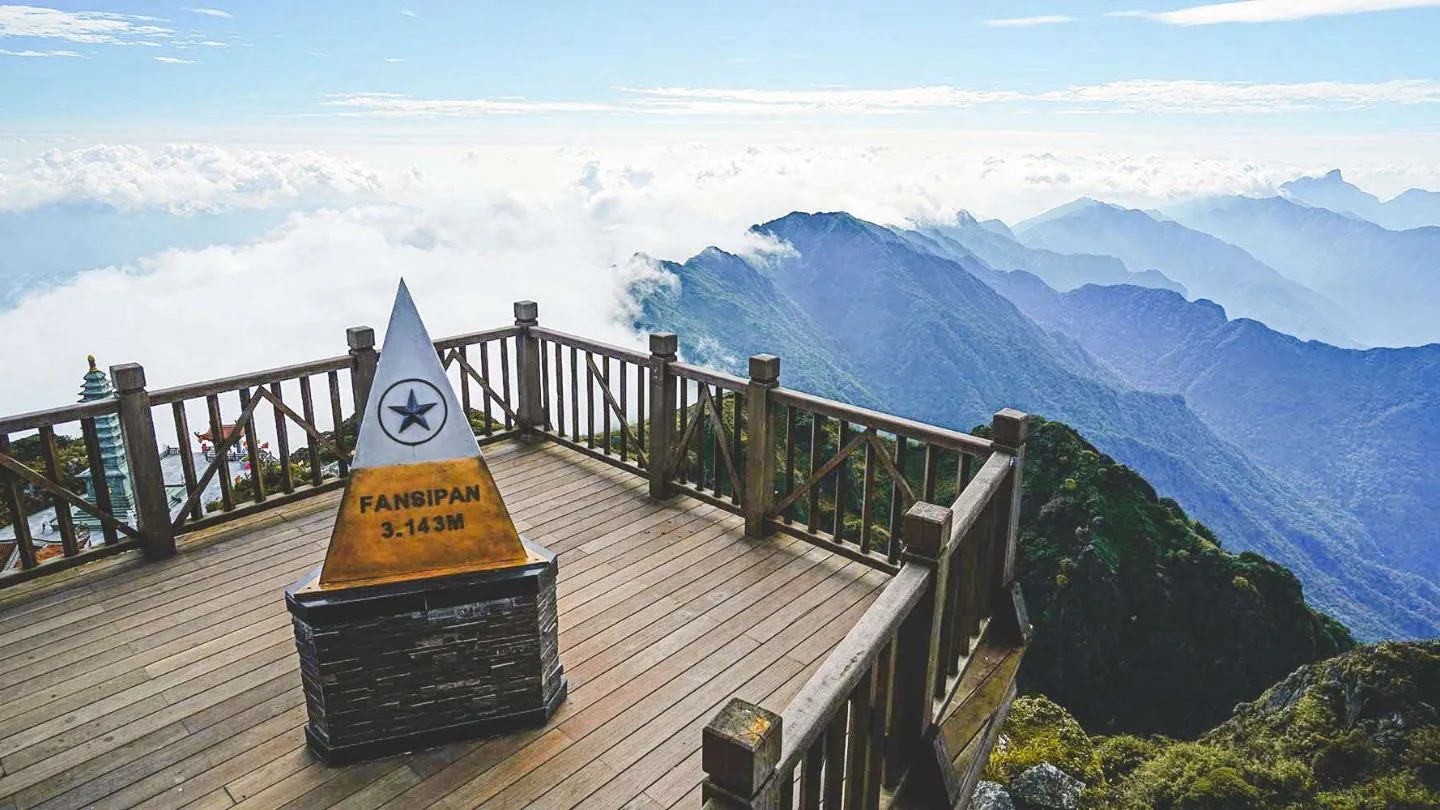
At 3,143 meters, Fansipan is the highest peak in Indochina, earning it the informal title "Roof of Indochina." Two options exist: the cable car (Fansipan Legend complex, 800,000 VND return) reaches the summit in 20 minutes with panoramic views; the trekking route takes 2–3 days through cloud forest and alpine meadows with overnight camping or guesthouses. Duration: Half day (cable car) or 2–3 days (trek). Tip: Summit cloud cover is common by 10am; reach the top early for the best views.
4. Trek to Ta Van and Giang Ta Chai
These two villages in the lower Muong Hoa Valley are less visited than Cat Cat and offer a more immersive experience of Giay and Red Dao daily life. The walk from Sapa takes 2–3 hours downhill; return by motorbike or arrange a car. Homestays in Ta Van are excellent value. Duration: Full day or overnight. Tip: Arrange a homestay in advance — turn-up capacity is limited.
5. Bac Ha Sunday Market
Bac Ha, 60 km east of Sapa, hosts one of northwest Vietnam's most vibrant weekly markets every Sunday morning. The Flower Hmong — a subgroup distinguished by their brilliantly colored embroidered clothing — gather to trade horses, buffalo, produce, and hand-crafted goods. The market's authenticity comes from the fact that it serves local communities more than tourists. Duration: Half day including transport. Tip: Depart Sapa by 6am to arrive at the market's busiest period (7am–10am).
6. Red Dao Village and Traditional Bath
The Red Dao are known across northern Vietnam for their herbal bathing tradition — a medicinal soaking ritual using a blend of mountain herbs, bark, and roots. Several Red Dao villages near Sapa offer authentic bathing experiences as part of homestay programs. It is part wellness, part cultural exchange, and genuinely restorative after a long trek. Duration: 1–2 hours for the bath. Tip: Ta Phin village, 12 km from Sapa, offers the most established Red Dao bath programs.
7. Sunrise at Ham Rong Mountain
The terraced flower gardens and rocky outcrops of Ham Rong Mountain, 1 km from Sapa's central plaza, offer the town's best sunrise views on clear mornings. The peak blooms with orchids and rhododendrons from March to May. Duration: 2–3 hours including entry and walking. Tip: Entry is 70,000 VND; arrive by 5:30am for sunrise.
8. Sa Pa Market and Town Exploration
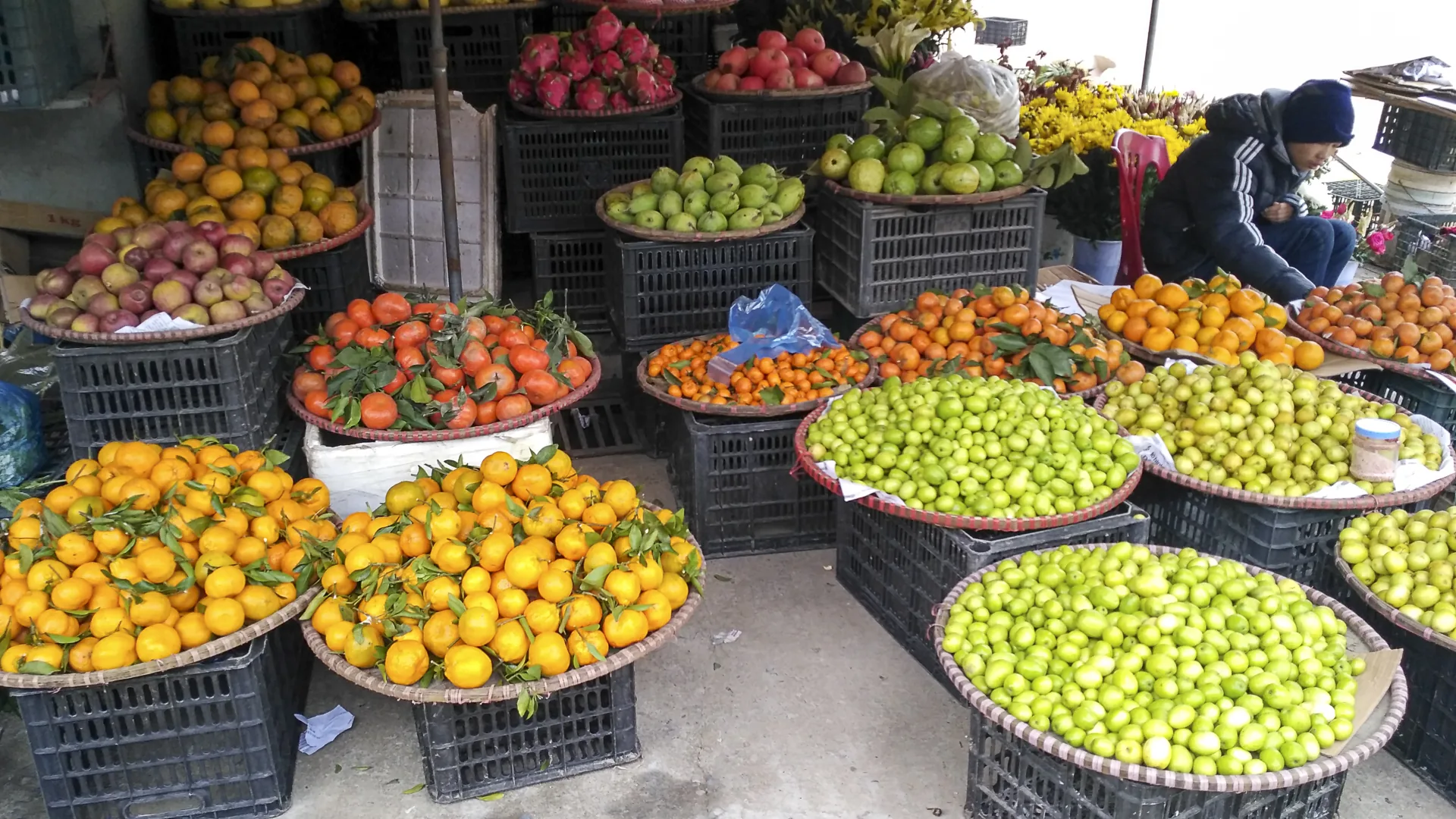
Sapa's central market blends ethnic minority crafts with everyday Vietnamese commerce. Silver jewelry, hemp cloth, embroidered bags, and bamboo instruments are sold alongside vegetables, meat, and dried goods. The town's main square has been rebuilt in recent years but the market lanes behind it retain a working-market atmosphere. Duration: 1–2 hours. Tip: Authentic handwoven hemp bags (produced by Hmong women) can be distinguished from factory-made versions by irregular stitching patterns and natural dye variations.
9. Y Linh Ho and Lao Chai Villages
Two adjacent villages in the Muong Hoa Valley reachable by a 2-hour walk from Sapa, offering terraced field views and interaction with Black Hmong farming communities. The path passes suspension bridges over the Muong Hoa stream. Less commercialized than Cat Cat. Duration: Full day. Tip: Combine this walk with a picnic lunch packed from the Sapa market — valley facilities are minimal.
10. Photography at Golden Rice Terraces
Sapa's most iconic photographs are taken in September and October when the rice terraces shift from emerald to burnished gold before harvest. The best viewpoints are at km 7 of the road to Ta Van, and from the ridge trail above Muong Hoa Valley. Duration: Allow a full morning for prime light (6–10am). Tip: Rent a motorbike ($8–12/day) to access the best viewpoints independently, or join a photography-focused tour.
Local Food and Specialties
Sapa's food scene reflects its mountain setting and ethnic minority influences — heavier, more protein-rich, and more reliant on preserved and smoked ingredients than Vietnam's coastal cuisine.

Thang Co: A traditional Black Hmong stew made from horse or buffalo meat, offal, and organs, cooked with local spices. It is earthy and strong-flavored — not for everyone, but deeply authentic. Found at Sapa market on weekends.
Com Lam (Bamboo Sticky Rice): Glutinous rice cooked inside a bamboo tube over an open fire. The rice absorbs a subtle smokiness and takes on the slight sweetness of the bamboo. Sold as street food throughout Sapa for 20,000–30,000 VND.
Salmon and Sturgeon: Bred in cold mountain streams above Sapa, local salmon and sturgeon appear on nearly every restaurant menu — grilled, hotpot, steamed. The quality is excellent given the altitude and water temperature.
Black Hmong Herbal Wine (Can Wine): A lightly fermented rice wine drunk through long bamboo straws from a communal clay pot. Offered at virtually every homestay as a gesture of welcome.
Smoked Buffalo Meat (Trau Gac Bep): Dried and smoked over a traditional wood fire for months, this cured buffalo meat is chewy, intensely flavored, and serves as a preserved protein through winter. Buy it at the market as a distinctive take-home food.
Best Time to Visit Sapa
September–November: The prime season. September and October bring golden rice terraces at harvest time; the skies are often clear, and temperatures are pleasant at 18–25°C during the day. November turns crisp and occasionally foggy.
March–May: The second-best window. Rhododendrons and wildflowers bloom on Fansipan's slopes; the terraces are being planted and show a vivid green. Temperatures comfortable 15–22°C.
December–February: Cold, frequently misty, and occasionally seeing frost or light snow on higher elevations. Fansipan trekking becomes challenging. Appealing for travelers who want to see Sapa in its quietest, most atmospheric mood — but pack appropriately.
June–August: Monsoon season. Green terraces are beautiful but trails can be muddy and leeches are active. Fansipan summit is frequently cloud-obscured. Humidity reduces views. Not recommended for first-time visitors.
Where to Stay in Sapa
Budget (under $30/night): Sapa Backpackers Hostel and Mountain View Hotel offer central, affordable rooms with valley views from some rooms.
Mid-range ($40–90/night): Sapa Elite Hotel and Sapa Panorama Hotel are well-run options with comfortable rooms and panoramic balconies. Cat Cat View Hotel near the edge of town has excellent valley views.
Luxury ($100+/night): Topas Ecolodge, 18 km from Sapa, is the most atmospheric luxury option in the region — bungalows perched on a ridge above the Muong Hoa Valley with unobstructed views. Silk Path Grand Resort & Spa and Victoria Sapa Resort are central luxury options.
Homestays: Staying with a Black Hmong or Red Dao family in villages like Ta Van, Lao Chai, or Ma Tra costs $15–30 per person including dinner and breakfast. This is the most rewarding accommodation option for culturally curious travelers.
How to Get to Sapa
By overnight train from Hanoi: The most popular option. Trains depart Hanoi to Lao Cai (the railhead below Sapa) overnight, taking 8–9 hours. Several operators run dedicated tourist carriages with comfortable sleeper berths. From Lao Cai, minibuses run the final 38 km to Sapa (45 minutes, 50,000 VND).
By bus from Hanoi: Express buses from My Dinh and Gia Lam stations reach Sapa in 5–6 hours by road. Limousine buses (Techbus, Hung Thanh) offer more comfortable reclining seats.
By car/motorbike: The Ha Noi–Sapa motorbike route via Highway 32 and National Route 4D is a classic adventure ride of 380 km, taking 7–9 hours. For experienced riders only.
From Ho Chi Minh City: Fly to Hanoi (2 hours), then overnight train or bus to Sapa.
Suggested Itineraries
1 Day
Morning: Cat Cat Village walk. Afternoon: Sapa market and town exploration, evening at a restaurant with valley view.
2 Days
Day 1: Cat Cat Village, Sapa market. Day 2: Full-day Muong Hoa Valley trek with local guide.
3 Days
Days 1–2 as above. Day 3: Fansipan cable car sunrise, afternoon at Ta Phin for Red Dao herbal bath, overnight homestay.
Local Culture and History
Sapa was established as a French hill station in 1922, when colonists sought respite from the lowland heat. The modest colonial infrastructure — a church, a few villas, a railway link to Hanoi via Lao Cai — was destroyed during the French withdrawal and subsequent decades of conflict.
The town rebuilt itself after 1993 when Vietnam opened Sapa to tourism. The rapid pace of development — particularly in the 2010s — has transformed the town center into a cluster of hotels, tour agencies, and restaurants catering entirely to visitors. The surrounding villages, however, retain the agricultural practices, textile traditions, and social structures developed by ethnic minority communities over centuries.
The Black Hmong are the largest ethnic group in the immediate Sapa area. Their characteristic dress — indigo-dyed hemp tunics, leggings, and elaborate headdresses — is worn daily rather than for tourist purposes. The Red Dao are distinguished by elaborate red embroidered turbans and coin-decorated clothing. Both groups have their own languages (part of the broader Hmong-Mien and Sino-Tibetan language families), distinct from Vietnamese.
Travel Tips
- Guides: A local ethnic minority guide — rather than a Kinh Vietnamese guide — provides more authentic village access and supports the community directly. Book through reputable agencies that certify their guides.
- Leeches: On wet-season trails, wear leech socks or tuck trousers into socks. They are not dangerous but unpleasant.
- Clothing: Bring layers regardless of season. Evenings in Sapa can be 10–15°C cooler than daytime temperature.
- Fog: Cloud cover can eliminate Sapa's famous valley views for days at a time. This is normal and unpredictable — don't plan your trip entirely around a single viewpoint.
- Trekking poles: Genuinely useful on the descent into Muong Hoa Valley; rent for 20,000–30,000 VND/day in town.
Frequently Asked Questions
Do I need a guide in Sapa? Not strictly required for Cat Cat Village, but strongly recommended for multi-day treks. Beyond safety, a local guide creates access to village life that independent travelers cannot replicate.
Is Sapa suitable for families with children? Yes, for older children (8+). Cat Cat Village and Ham Rong Mountain are manageable. Fansipan by cable car is accessible to all ages.
How cold does Sapa get? December to February can see temperatures drop to 2–5°C at night. Frost is possible above 1,800 m. Snow falls roughly once every few years on the highest peaks.
Is the Fansipan cable car worth it? For the views and the achievement of reaching the roof of Indochina, yes. For trekkers, the 3-day climb through cloud forest offers a richer experience.
Final Thoughts
Sapa is the kind of destination that requires accepting some ambiguity — the weather, the mist, the distance from planned viewpoints. Travelers who come with that acceptance, and who engage seriously with the trekking and homestay culture, consistently rank it among Vietnam's most rewarding destinations. The landscapes are extraordinary, and the cultural encounters with hill tribe communities are among the most genuine in Southeast Asia.
Keywords: Sapa travel guide, things to do in Sapa, best time to visit Sapa, how to get to Sapa, where to stay in Sapa, Sapa trekking, rice terraces Sapa Vietnam