Bánh Xèo — Vietnam's Sizzling Crispy Crêpe
What Is Bánh Xèo?
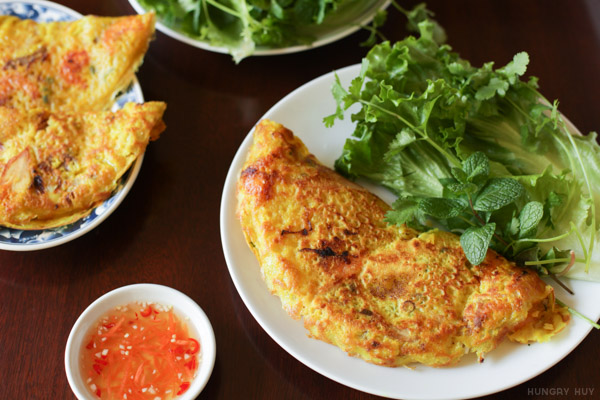
Bánh xèo is one of the most dramatic dishes in Vietnamese street food — a large, sizzling crêpe that crackles and hisses as it hits the hot pan, announcing itself to everyone nearby. The name literally means "sizzling cake," named for the xèo sound the batter makes when it is poured into the wok. The crêpe is made from a rice flour batter flavoured with turmeric — which gives it a vivid yellow colour — and cooked with coconut milk until its edges are shatteringly crispy while its centre remains soft and yielding. Inside are stuffed shrimp, pork belly, bean sprouts, and mung beans.
Bánh xèo is not eaten with a fork or chopsticks — it is torn apart at the table, wrapped in fresh lettuce and herbs, and dipped into nước chấm. Eating it is interactive, tactile, and slightly messy, and that is entirely the point.

Origins and Regional Spread
Bánh xèo is found across Vietnam but is most closely associated with the central and southern regions. Food historians believe the dish may have developed in central Vietnam and spread south, with each region adapting the basic concept to local ingredients and tastes. The result is that bánh xèo looks and tastes distinctly different depending on where you eat it.
The dish may have some influence from Indian or Southeast Asian pancake traditions — turmeric is a common thread across the region — but its specific combination of ingredients and the technique of wrapping in lettuce with herbs and dipping in fish sauce is uniquely Vietnamese.
Regional Variations: Small vs. Large
The most immediately obvious difference between regional bánh xèo is size.
Southern bánh xèo (Saigon and the Mekong Delta) — these are enormous, sometimes covering an entire large wok, folded over into a half-moon shape. The batter has more coconut milk, making the crêpe richer and slightly sweeter. Fillings are generous: whole shrimp, thick slices of pork belly, a handful of bean sprouts. The edges are wide and deeply crispy.
Central bánh xèo (Đà Nẵng, Quy Nhơn) — significantly smaller, sometimes no bigger than a side plate, and traditionally cooked in individual clay pots or small pans. The batter is less sweet, the fillings more restrained. These smaller versions are often served in sets of several pieces at once and are eaten as finger food. They are sometimes called bánh khọt in this smaller form in the south.
Northern bánh xèo — less common, often simplified, and typically without coconut milk in the batter.
The Batter and Its Golden Colour
The distinctive yellow of bánh xèo comes from turmeric (củ nghệ), which is mixed into the rice flour batter along with coconut milk and water. Beyond colour, turmeric adds a mild, earthy warmth to the crêpe's flavour. The batter should be thin enough to spread across the hot pan quickly, and the pan must be extremely hot — bánh xèo requires high heat to achieve the crispy, lacy edges that define a great crêpe.
Some recipes add a small amount of spring onion or taro to the batter for additional texture. The key is that the underside of the crêpe must cook until it can be folded without breaking, while the top remains slightly soft where it contacts the filling.
The Fillings
A classic bánh xèo filling contains:
- Tôm (shrimp) — whole or halved, cooked inside the crêpe until just done.
- Thịt heo (pork belly) — sliced thin, cooked with the shrimp.
- Giá (bean sprouts) — packed generously inside, they retain crunch and provide freshness.
- Đậu xanh (mung beans) — cooked and scattered across the filling, adding earthy substance.
Some versions include mushrooms, squid, or just vegetables for a simpler or vegetarian version.

The Essential Wrap
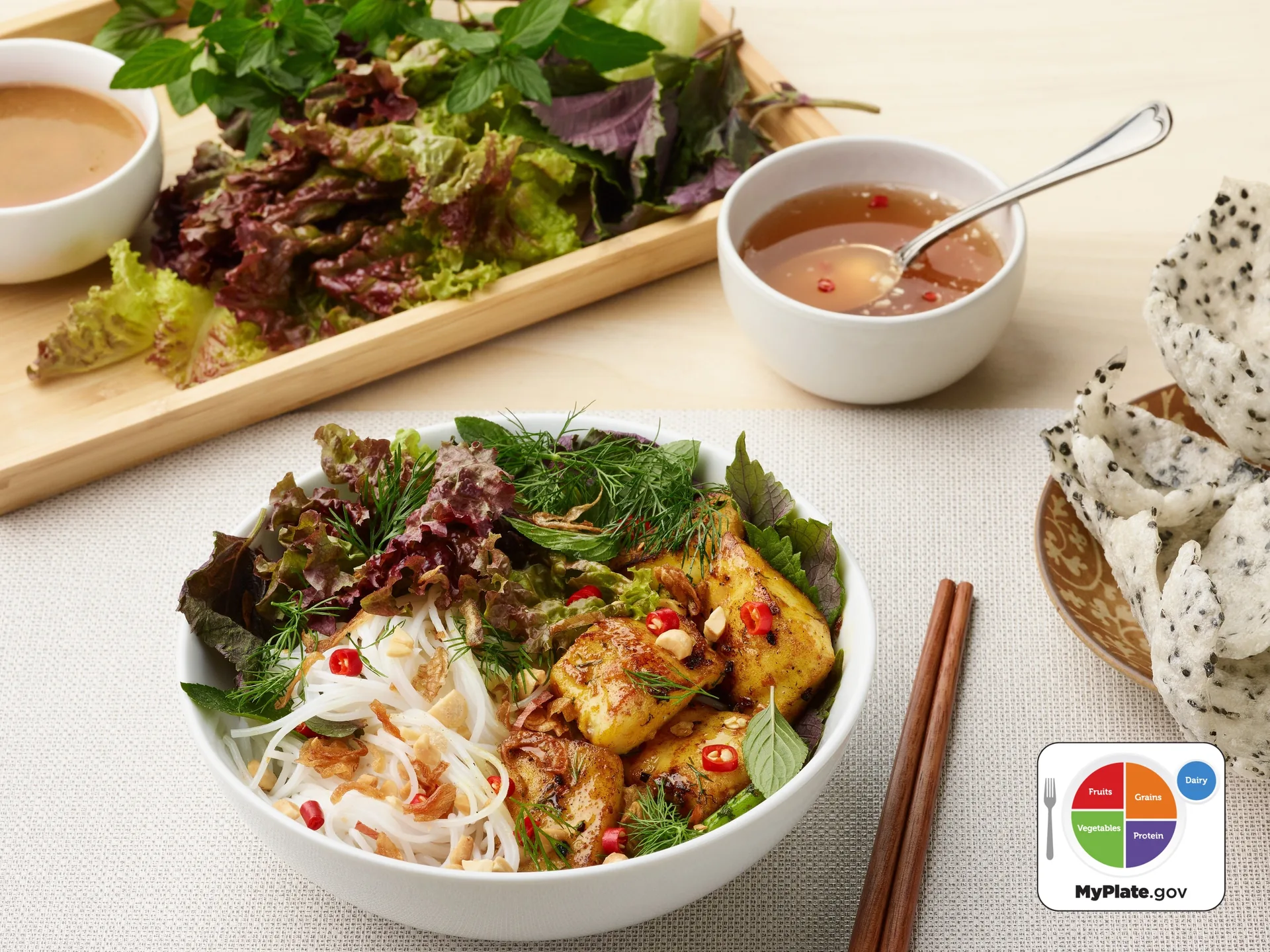
Bánh xèo is never eaten on its own. It is always accompanied by a large plate of fresh leaves and herbs for wrapping — typically rice paper (bánh tráng), large lettuce leaves, mustard greens, perilla, mint, and cucumber slices. The correct technique is to tear a piece of crêpe (including some crispy edge and soft centre), place it on a leaf, add herbs, roll it up, and dip the whole package into nước chấm.
Traditional cooking technique for crispy Vietnamese dishes
The contrast between the hot, crispy crêpe and the cool, fresh herbs in every bite is what makes bánh xèo so addictive.
The Dipping Sauce
The nước chấm served with bánh xèo is typically a well-balanced fish sauce dip — fish sauce, lime juice, sugar, water, garlic, and chilli. Some restaurants, particularly in central Vietnam, also serve a sweet-sour peanut and hoisin dip alongside the fish sauce. Both work well; the fish sauce is the traditional choice.
Where to Find the Best Bánh Xèo
- Ho Chi Minh City: Bánh Xèo 46A on Đinh Công Tráng Street (District 1) is famous and consistently excellent — a dedicated bánh xèo restaurant that has been operating for decades.
- Đà Nẵng and Quảng Nam: The smaller central-style versions are a highlight. Look for restaurants around the Han Market.
- Quy Nhơn (Bình Định): Some food enthusiasts consider this city to make the finest bánh xèo in Vietnam — the local version is small, crispy, and intensely flavoured.
- Street stalls everywhere in the south: The sizzle and the smell of turmeric and coconut milk are unmistakable. Follow your nose.
Price Guide
| Setting | Typical Price |
|---|---|
| Street stall (large southern style) | 40,000–70,000 VND (USD 1.70–3.00) |
| Local restaurant | 60,000–100,000 VND (USD 2.50–4.30) |
| Tourist restaurant | 90,000–160,000 VND (USD 3.90–7.00) |
Practical Tips
- Eat it immediately. The crispy edges soften quickly once the crêpe is folded — bánh xèo waits for no one.
- Use big lettuce leaves. You want a large enough leaf to roll the crêpe pieces without tearing.
- Go heavy on the herbs. A generous wrap of mint and perilla inside each roll transforms the experience.
- Embrace the mess. Bánh xèo is impossible to eat neatly and is better for it.
Information notice: Prices, opening hours, and travel conditions can change. Content on EnViet is reviewed periodically but may not reflect the most current situation. Please verify important details with official or local sources before travelling or booking. Costs are estimates and may vary by season, exchange rate, and travel style.
EnViet Editorial Team
The EnViet Editorial Team creates practical Vietnam travel and food guides using local knowledge, public sources, and manual editorial review. Content is reviewed before publication and updated periodically.