

Bún Bò Huế — The Spicy Imperial Noodle Soup
What Is Bún Bò Huế?
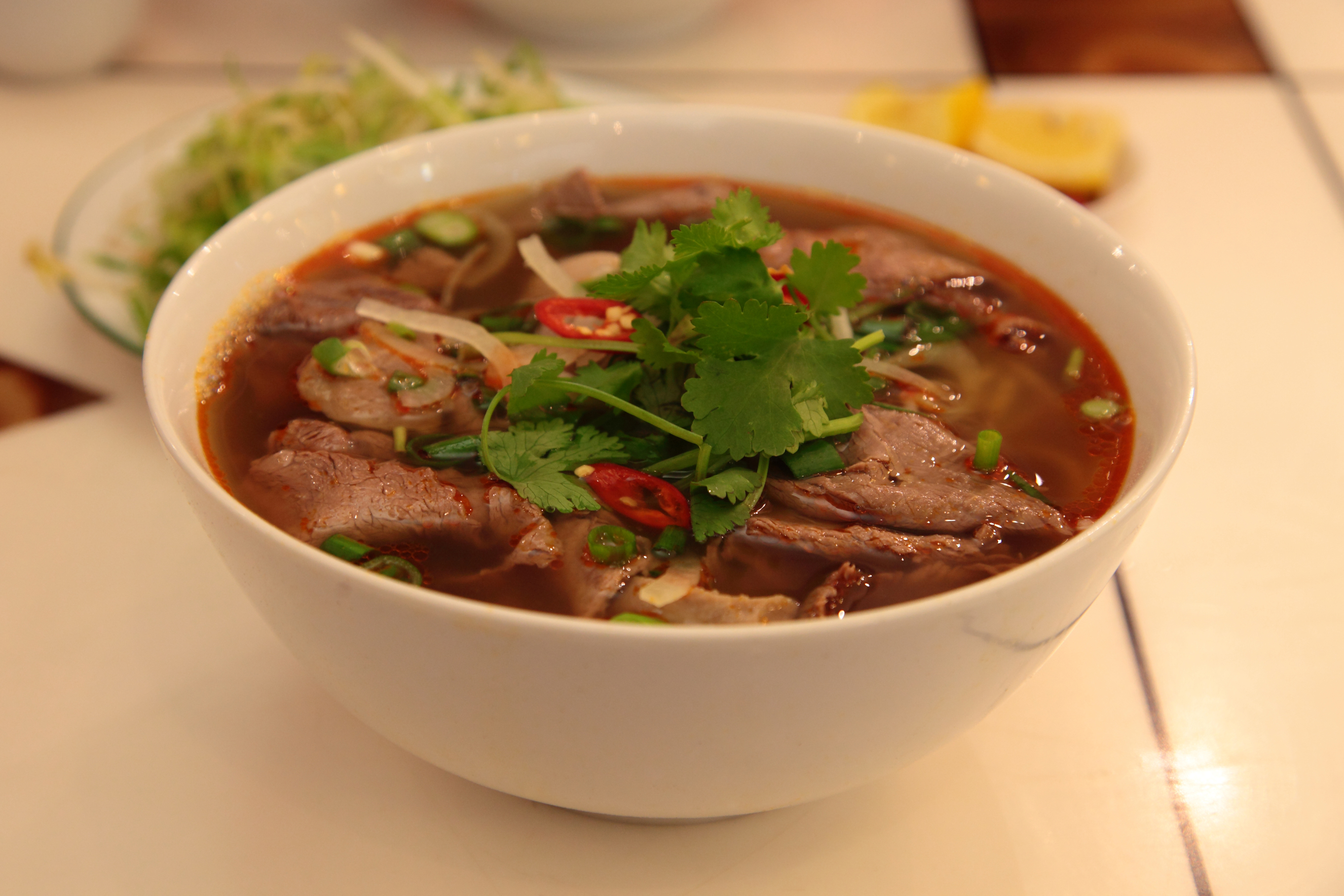
If phở is Vietnam's most famous noodle soup, bún bò Huế is its more complex, more assertive sibling. This fiery, lemongrass-scented beef and pork soup originates from Huế — the former imperial capital of Vietnam, situated in the country's narrow central region — and it carries the culinary sophistication of royal court cooking in every bowl. Thick cylindrical rice vermicelli noodles swim in a deeply fragrant broth that balances spicy, salty, sour, and umami flavours with remarkable precision.
Bún bò Huế is not as widely known internationally as phở, but among Vietnamese food lovers it is often regarded as the superior bowl. Its broth is bolder, its flavour profile more layered, and its combination of textures — tender beef, bouncy pork, soft noodles, crunchy banana blossom — more complex than its Hanoi counterpart.
History and Origins
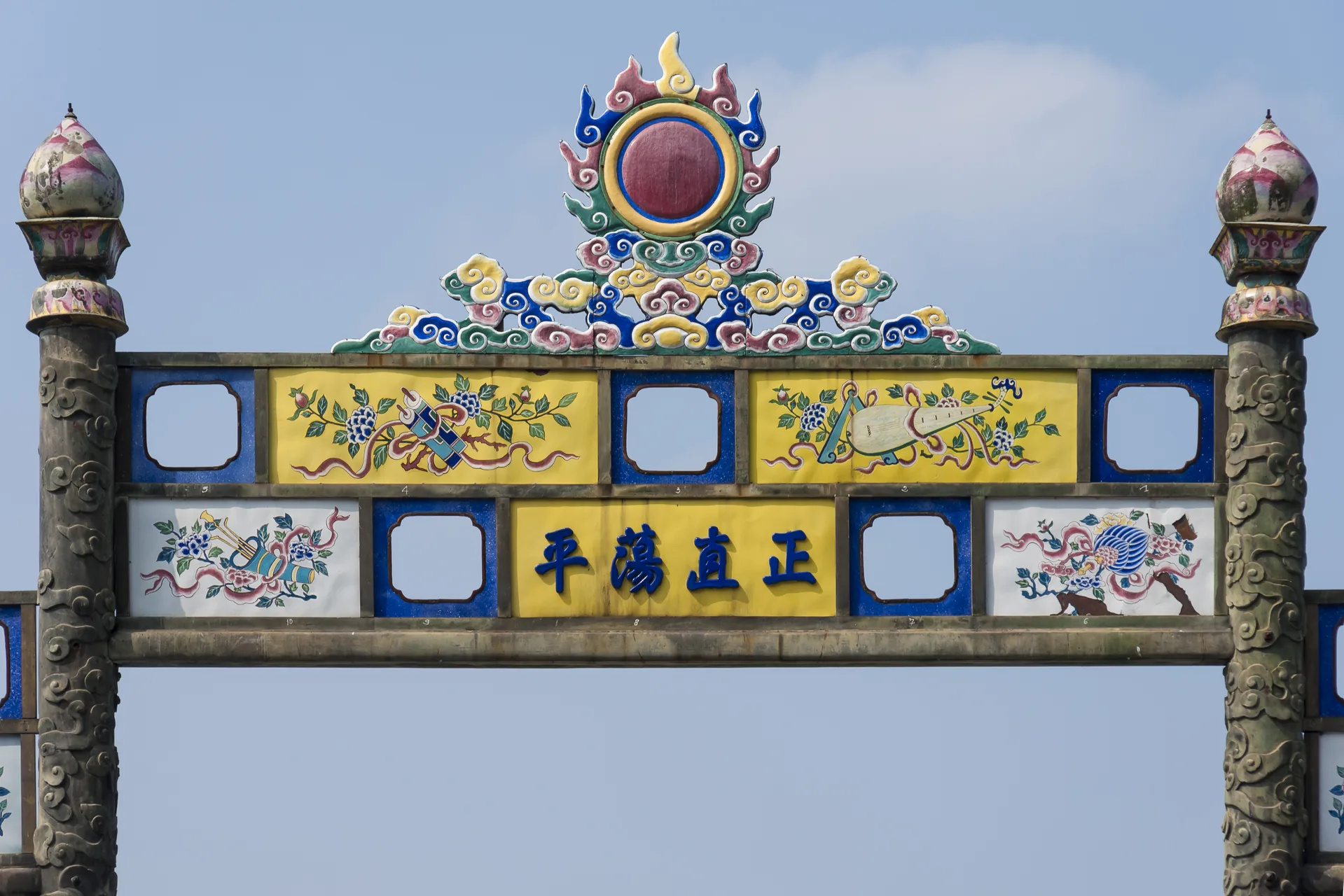
Bún bò Huế traces its origins to the central Vietnamese city of Huế, where it has been eaten since the late 16th and early 17th centuries during the reign of the Nguyễn lords. Huế was the seat of the Nguyễn dynasty and later the capital of unified Vietnam under the Nguyễn emperors (1802–1945), and its cuisine developed under the direct influence of royal court chefs who prized elaborate preparation and the pursuit of five-flavour balance: sweet, salty, sour, spicy, and umami.
Unlike phở, which spread north to south with migration and war, bún bò Huế remained closely tied to its home city for much of its history. Even today, food lovers make the journey specifically to Huế to eat it in its birthplace. While versions are available across Vietnam, locals in Huế will tell you there is simply nothing comparable to the real thing.
What Makes Bún Bò Huế Different
The defining characteristic of bún bò Huế is its broth. Where phở broth is built primarily on beef bones and aromatic spices, bún bò Huế broth derives its distinctive flavour from three key elements:
Lemongrass — large stalks are bruised and added to the pot, giving the broth a citrusy, floral depth you cannot find in phở.
Mắm ruốc (shrimp paste) — fermented shrimp paste is added in controlled quantities, giving the broth its characteristic savoury depth and a faintly oceanic undertone that lifts the entire bowl.
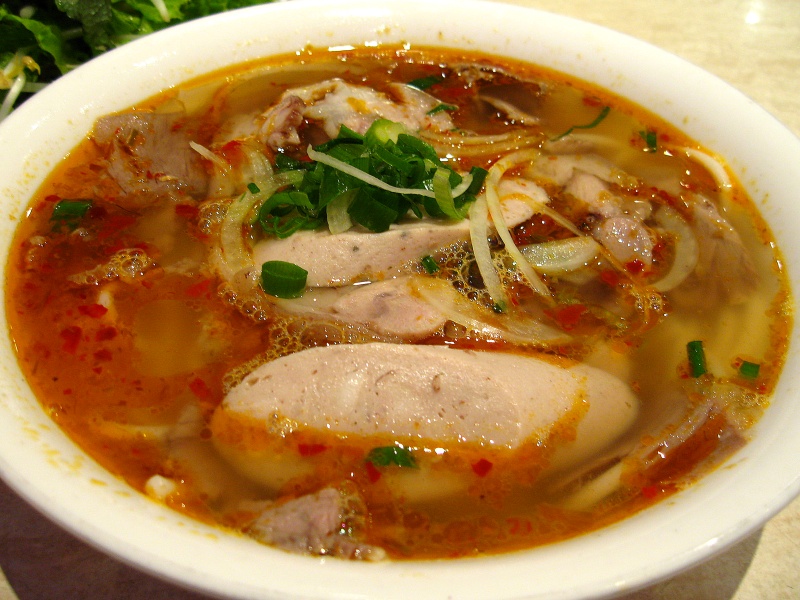
Chilli and annatto oil — the deep orange-red colour of the broth comes from annatto seeds and dried chillies simmered in oil, which is ladled over the bowl at service. This is what gives bún bò Huế its heat and its visual drama.
The noodles themselves are also different. Bún bò Huế uses thick, round rice vermicelli (bún) that are firm and slightly chewy — unlike the flat, silky bánh phở used in phở. The thicker noodles hold up to the bold broth without disappearing into it.
Key Ingredients and Toppings
A proper bowl of bún bò Huế contains:
- Beef shank (bắp bò) — sliced into rounds after slow-braising, tender and gelatinous.
- Pork hock (giò heo) — slow-cooked until the skin becomes silky and the meat falls from the bone. Cross-sections of pork hock are one of the most recognisable elements of the dish.
- Chả lụa — sliced Vietnamese pork roll, adding a smooth, delicate texture contrast.
- Huyết (pig blood curd) — cubed cooked pork blood, optional but traditional and appreciated by locals for its silky texture and mild flavour.
- Bún (round rice vermicelli) — thick, firm, and filling.
Garnishes served on the side include thinly shredded banana blossom (bắp chuối), bean sprouts, lime wedges, fresh herbs (mint, perilla, Vietnamese coriander), sliced chilli, and sometimes prawn crackers. Diners add their own garnishes directly to the bowl, customising the balance of freshness and heat.
How to Eat It Like a Local
In Huế itself, bún bò is typically a morning dish, eaten between 6 a.m. and 10 a.m. before the heat of the day sets in. The bowl arrives at the table already assembled and smoking hot, with garnishes plated separately. Add the bean sprouts and banana blossom first — they will wilt slightly in the hot broth, softening their texture. Squeeze lime over everything, then add fresh herbs and chilli to taste.
Use chopsticks to load noodles and meat onto your spoon, then collect some broth. Eat it together. Do not stir the bowl aggressively — this will cool the broth and muddy the flavours. Adjust the heat with extra chilli oil (ớt sa tế), which is usually available on the table.

Regional Variations
Bún bò is made differently across Vietnam's regions. In Huế, the broth is intensely aromatic, moderately spicy, and the shrimp paste is used with a firm hand. In Saigon (Ho Chi Minh City), versions tend to be slightly sweeter and milder to suit southern palates. In Hanoi and the north, bún bò Huế is a specialty dish rather than an everyday staple, and local versions sometimes soften the spice profile significantly.
Where to Find the Best Bún Bò Huế
- Huế city: Bún Bò Mụ Rớt near Đông Ba Market is a local institution. Bún Bò O Thương and many unnamed side-street shops along Nguyễn Bỉnh Khiêm Street are also well-regarded.
- Ho Chi Minh City: Quan Bun Bo Hue Dong Ba in District 3 is widely praised.
- Hanoi: Several central Vietnamese restaurants serve respectable versions, but purists insist on travelling to Huế for the real thing.
Price Guide
| Setting | Typical Price |
|---|---|
| Local street stall in Huế | 35,000–55,000 VND (USD 1.50–2.30) |
| Sit-down restaurant | 55,000–90,000 VND (USD 2.30–3.80) |
| Tourist-area restaurant | 80,000–150,000 VND (USD 3.50–6.50) |

Practical Tips
- Order the full bowl. Ask for bún bò đầy đủ (complete bowl) if you want all toppings including pork hock and blood curd.
- Adjust the heat. The chilli oil (sa tế) is extremely potent — add it gradually. A little goes a long way.
- Try it in the morning. Like phở, bún bò Huế is at its best early in the day when the broth is freshest and the shop is busiest.
- Visit Huế for the definitive experience. No version outside Huế, however good, fully captures the dish in its home environment.
Information notice: Prices, opening hours, and travel conditions can change. Content on EnViet is reviewed periodically but may not reflect the most current situation. Please verify important details with official or local sources before travelling or booking. Costs are estimates and may vary by season, exchange rate, and travel style.
EnViet Editorial Team
The EnViet Editorial Team creates practical Vietnam travel and food guides using local knowledge, public sources, and manual editorial review. Content is reviewed before publication and updated periodically.