

Chả Giò — Vietnam's Crispy Fried Spring Rolls
What Are Chả Giò?
Chả giò are Vietnam's fried spring rolls — small, tight cylinders of savoury filling encased in a thin rice paper wrapper and deep-fried until shatteringly crispy. In the north they are called nem rán; in the south, chả giò. By either name, they are one of the most universally loved snacks and starters in Vietnamese cuisine, found at family celebrations, street food stalls, restaurant menus, and home kitchens across the country.
A properly made chả giò is not greasy. The key is frying at the right temperature in a thin, high-quality rice paper wrapper that seals tight around the filling and emerges from the oil crackly and golden, with almost no oil absorbed. When you bite through the wrapper, it shatters audibly, giving way to a fragrant, juicy filling of minced pork, glass noodles, mushrooms, carrot, and egg. Dipped into a bowl of sweet-sour nước chấm with fresh herbs and lettuce for wrapping, it is one of the great street food experiences in Asia.
Origins: North and South
The dish exists in slightly different forms across Vietnam's regions, and the north-south naming debate reflects genuine differences in tradition.
Nem rán — the northern name. In Hanoi, nem rán are typically smaller, more tightly rolled, and made with a batter-style wrapper that produces a different texture to the rice paper southern version. The filling may include crab meat (nem cua bể) and tends to be more restrained in seasoning.
Chả giò — the southern name. In Ho Chi Minh City and the Mekong Delta, chả giò are slightly larger, made with dried rice paper (bánh tráng) softened briefly in water before rolling, and include a wider variety of proteins — pork, shrimp, crab, or combinations of all three.
Both versions are eaten throughout Vietnam today, and the two traditions have blurred somewhat as southerners and northerners have moved across the country. The debate over which is superior remains unresolved and deeply felt.
The Filling
A classic chả giò filling contains:
- Thịt heo bằm (minced pork) — the protein base. Shoulder or belly, minced medium-fine, provides richness and structure.
- Miến (glass noodles) — soaked and roughly chopped, adding silky texture and absorbing the cooking juices.
- Nấm mèo (wood ear mushrooms) — rehydrated and shredded, contributing a pleasant chewiness.
- Cà rốt (carrot) — finely julienned, for sweetness and colour.
- Hành tím (shallots) — finely chopped, for fragrance.
- Trứng (egg) — one or two whole eggs, binding the mixture.
- Nước mắm, tiêu (fish sauce and pepper) — for seasoning.
More elaborate versions add whole shrimp (for texture), crab meat (for sweetness), jicama, or taro. The mixture should be seasoned well before rolling — chả giò filling cannot be adjusted after frying.
The Wrapper
The choice of wrapper is critical to the final texture. Southern chả giò use dried circular rice paper sheets (bánh tráng), briefly moistened to make them pliable. This wrapper produces a very thin, extremely crispy shell that shatters on the first bite. The key is not to over-soak the wrapper — it should be just barely pliable, not wet.
Northern nem rán traditionally use a different wrapper — a soft, egg-based pastry dough — that produces a harder, more biscuit-like shell when fried. Some modern shops in both regions also use wheat-based spring roll wrappers, imported from China, which produce a bubble-surfaced, crispier result that many people enjoy.
The Frying Technique
Chả giò must be fried twice for the best result. The first fry, at moderate heat (160–170°C), cooks the filling and sets the wrapper without browning it. The rolls are drained and rested. The second fry, at higher heat (190°C+), produces the deep golden colour and maximum crispiness in under two minutes. This double-fry technique is what separates great chả giò from mediocre ones.
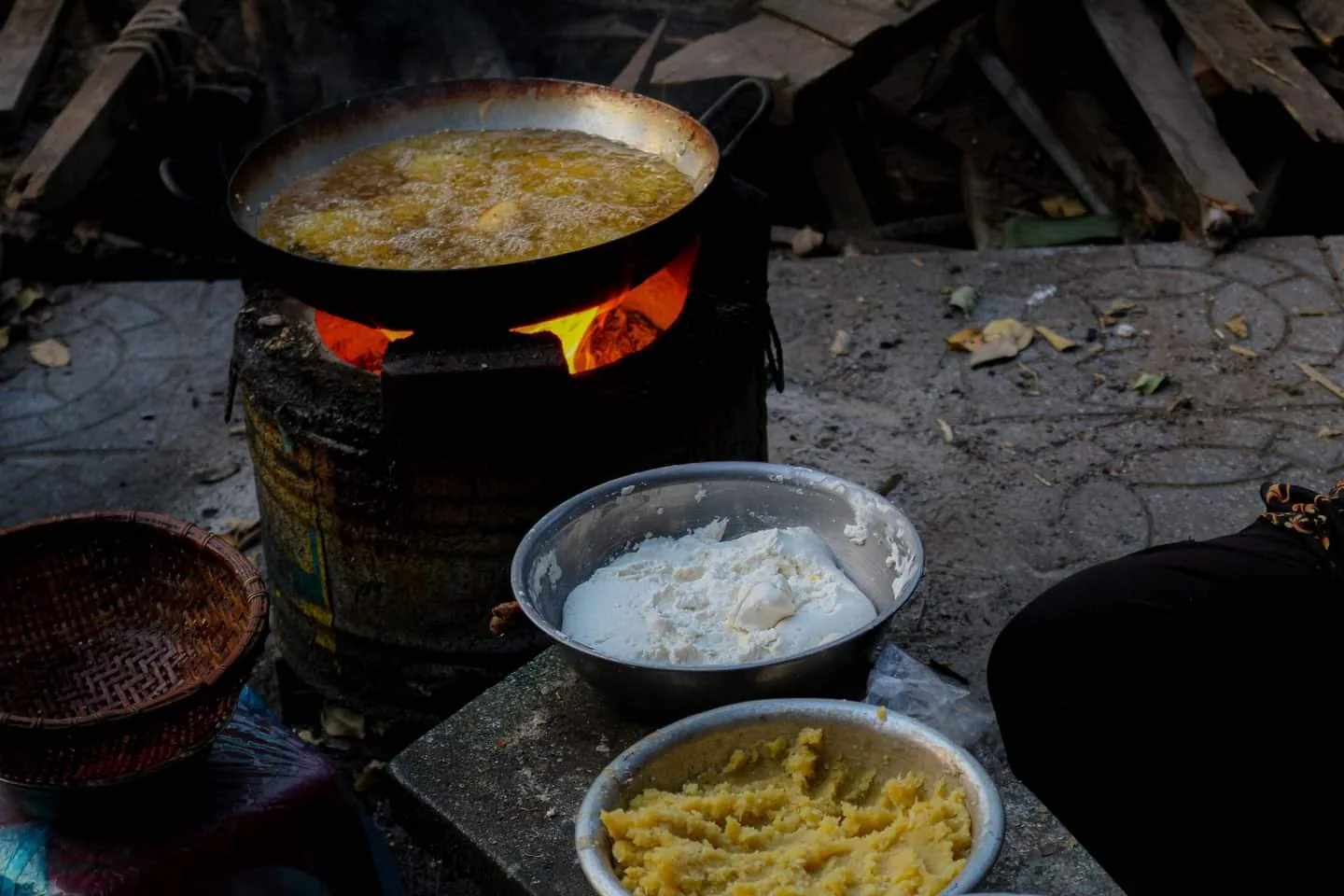
Wok cooking over high heat, essential for crispy Vietnamese dishes
Single-fried versions are common at high-volume street stalls, but the difference is noticeable: the double-fried version has a lighter, crispier shell and less absorbed oil.
How to Eat Chả Giò
Chả giò are almost always served with a fresh herb and lettuce plate for wrapping, and a bowl of nước chấm for dipping. The correct eating technique: take a lettuce leaf, add a sprig of mint and/or perilla, place the whole chả giò on top, roll everything together, and dip the roll into the sauce before eating in one or two bites. The contrast between hot, crispy roll and cold, fresh herbs and the acidic sauce is the point.
At family meals and celebrations, chả giò are served alongside other dishes as part of a shared spread. At street stalls, they are often served solo as a snack, three or four at a time in a paper bag.

Chả Giò at Celebrations
Chả giò hold a special place in Vietnamese celebration food. They are a fixture at Tết (Lunar New Year) tables, wedding banquets, and family reunions. The act of rolling spring rolls together before a meal is a communal activity — family members gather around the table to roll while catching up, and the rolls are fried and eaten in batches as they are made. This participatory quality gives chả giò a warmth and nostalgia that goes beyond their taste.
Variations
Nem cua bể — crab spring rolls, a northern delicacy using fresh sea crab. More expensive and considered the premium version.
Chả giò tôm — shrimp spring rolls, with whole or minced shrimp as the primary protein.
Chả giò chay — vegetarian spring rolls, with tofu, glass noodles, carrot, taro, and mushrooms. Found at Buddhist restaurants and widely available during the vegetarian days (1st and 15th of the lunar month).
Bánh tráng cuốn — a related dish where the wrapper is rice paper and the filling is served separately for DIY rolling at the table.
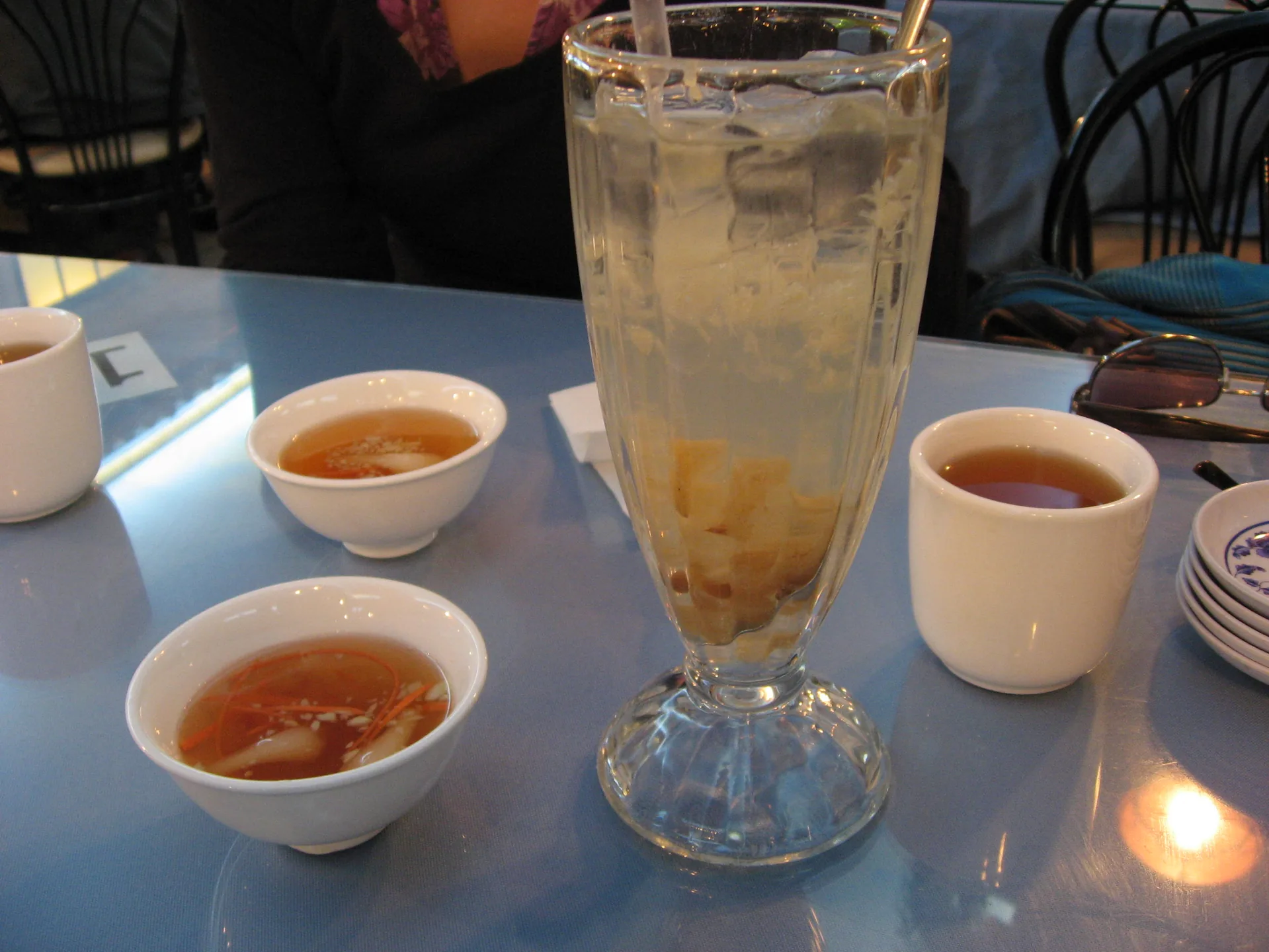
Nuoc cham, the classic Vietnamese dipping sauce
Where to Find the Best Chả Giò
Chả giò are ubiquitous across Vietnam. The best are usually:
- Made fresh and fried to order at street stalls, not kept warm under a heat lamp.
- Double-fried at reputable local restaurants.
- Homemade at family gatherings during Tết and celebrations.
In Ho Chi Minh City, many cơm tấm and bún thịt nướng shops offer chả giò as a side item and fry them throughout the day.
Price Guide
| Setting | Typical Price |
|---|---|
| Street stall (3–4 pieces) | 15,000–30,000 VND (USD 0.65–1.30) |
| Restaurant starter (4–6 pieces) | 50,000–90,000 VND (USD 2.20–3.90) |
| Upmarket restaurant | 90,000–160,000 VND (USD 3.90–7.00) |
Practical Tips
- Eat immediately after frying. Chả giò lose their crispiness within minutes. At street stalls, ask to wait for a fresh batch rather than taking ones that have been sitting.
- Don't skip the herbs. The lettuce and herb wrap is not optional — it transforms the dish from a fried snack into a complete flavour experience.
- Soak wrapper briefly. If you try making these at home, barely dampen the rice paper — too wet and it tears; too dry and it cracks when rolling.
Information notice: Prices, opening hours, and travel conditions can change. Content on EnViet is reviewed periodically but may not reflect the most current situation. Please verify important details with official or local sources before travelling or booking. Costs are estimates and may vary by season, exchange rate, and travel style.
EnViet Editorial Team
The EnViet Editorial Team creates practical Vietnam travel and food guides using local knowledge, public sources, and manual editorial review. Content is reviewed before publication and updated periodically.