
Cháo — Vietnam's Nourishing Rice Porridge
What Is Cháo?
Cháo is Vietnam's rice porridge — a simple, deeply nourishing dish made by simmering rice in a large volume of water or broth until the grains break down into a thick, creamy consistency. It is eaten across the country at all times of day, but it holds a special place as comfort food: the thing Vietnamese mothers make when someone is sick, the dish served at dawn to weary travellers, and the street food sold from clay pots on cold mornings across Hanoi and the north.
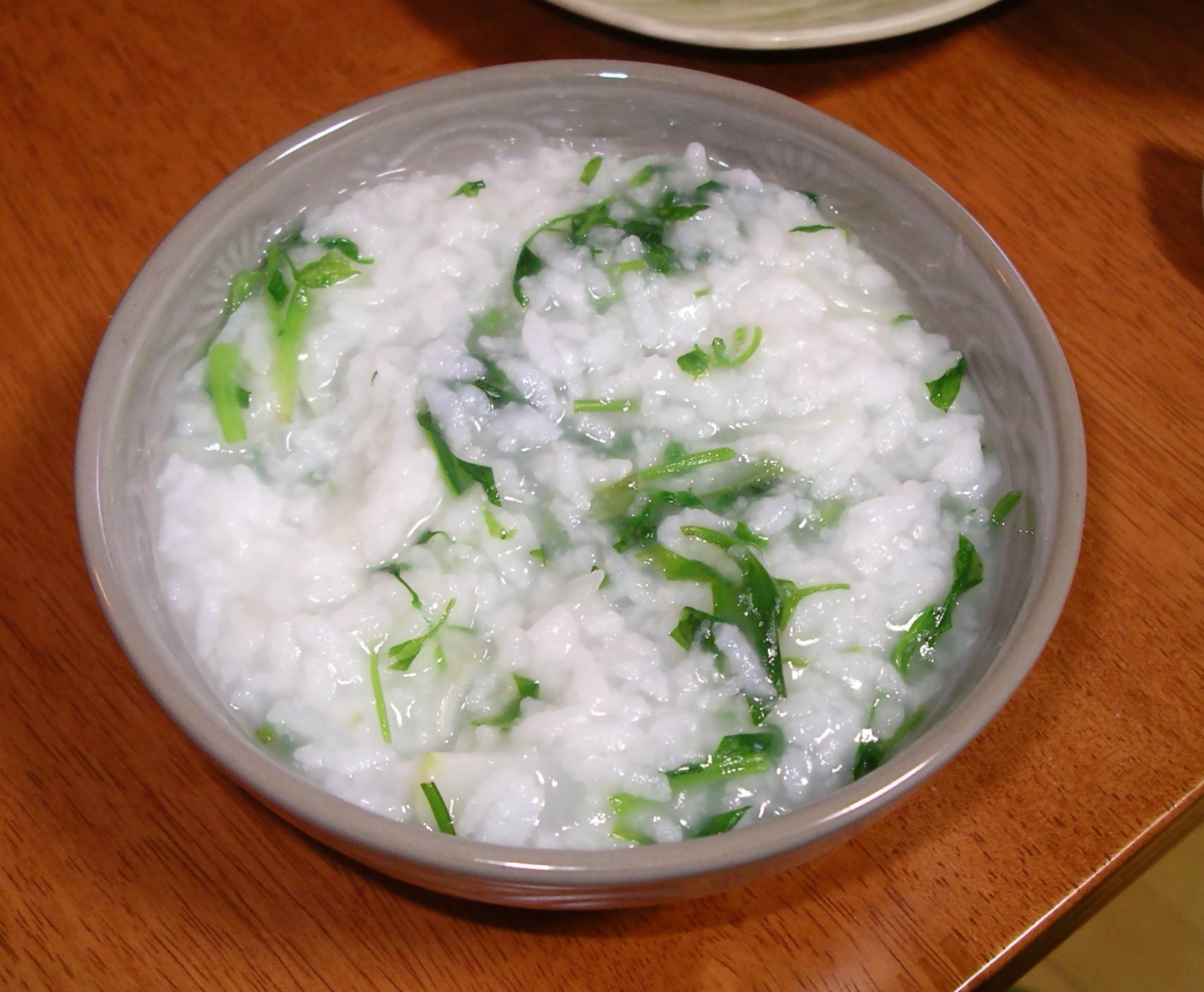
In its most basic form, cháo is just rice and water, seasoned with a little salt — one of the most honest and elemental foods in the world. In its most elaborate forms, it is topped with century egg and ginger, fresh crab, roasted duck, or whole fish, and garnished with crispy fried shallots, fresh herbs, and a drizzle of fish sauce. Both versions are called cháo, and both are equally Vietnamese.
A Dish of Comfort and Recovery
Unlike most Vietnamese dishes, which are eaten for pleasure and flavour, cháo has an additional role as a restorative food. In Vietnamese culture, it is the first food given to infants, the meal fed to the elderly, and the prescription for illness, digestive problems, and recovery from surgery. Its blandness — when prepared simply — is a feature rather than a flaw: it is easy to digest, hydrating, and gentle on a weakened system.
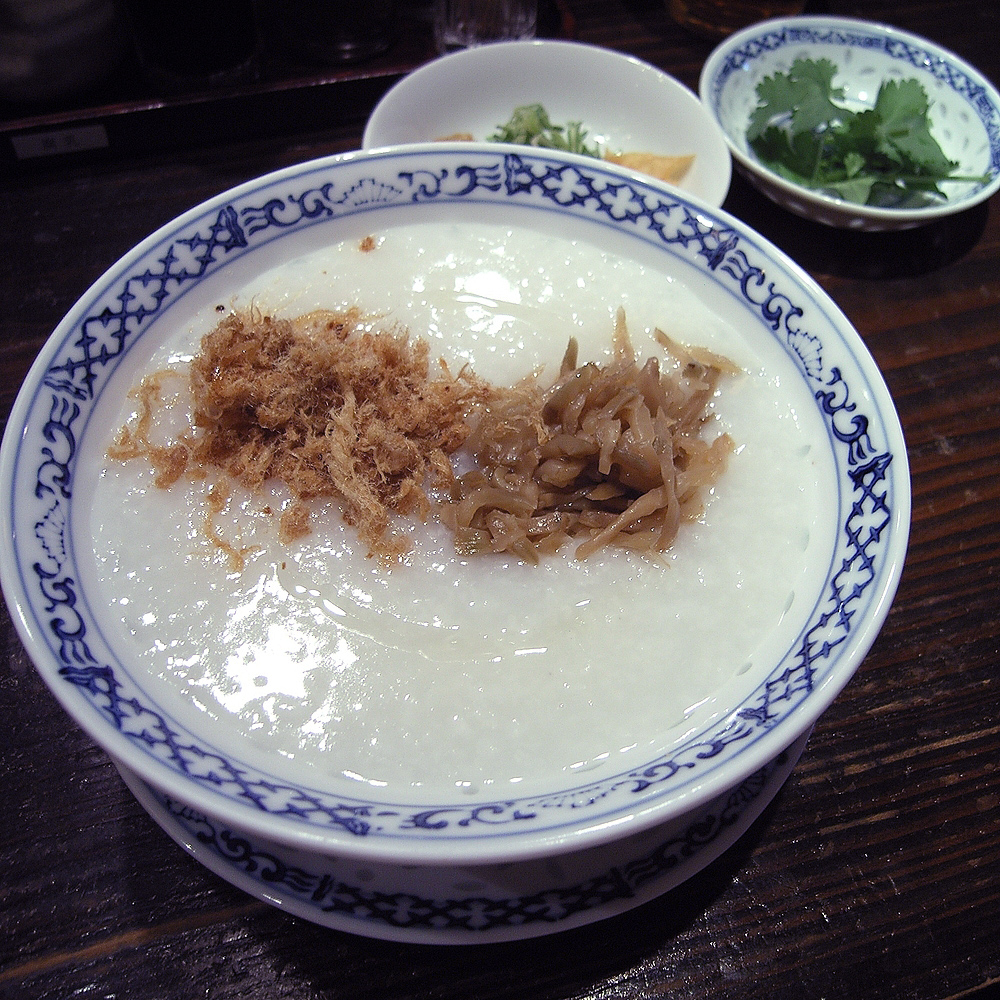
Plain cháo (cháo trắng) is eaten with a small bowl of pickled vegetables (dưa cải), a fried egg, or a few slices of ginger-pickled pork. In hospitals across Vietnam, it is a standard meal. In mountain communities, it may be the daily staple for breakfast year-round.
The Many Varieties of Cháo
Cháo's simplicity makes it endlessly adaptable. The most popular varieties are:
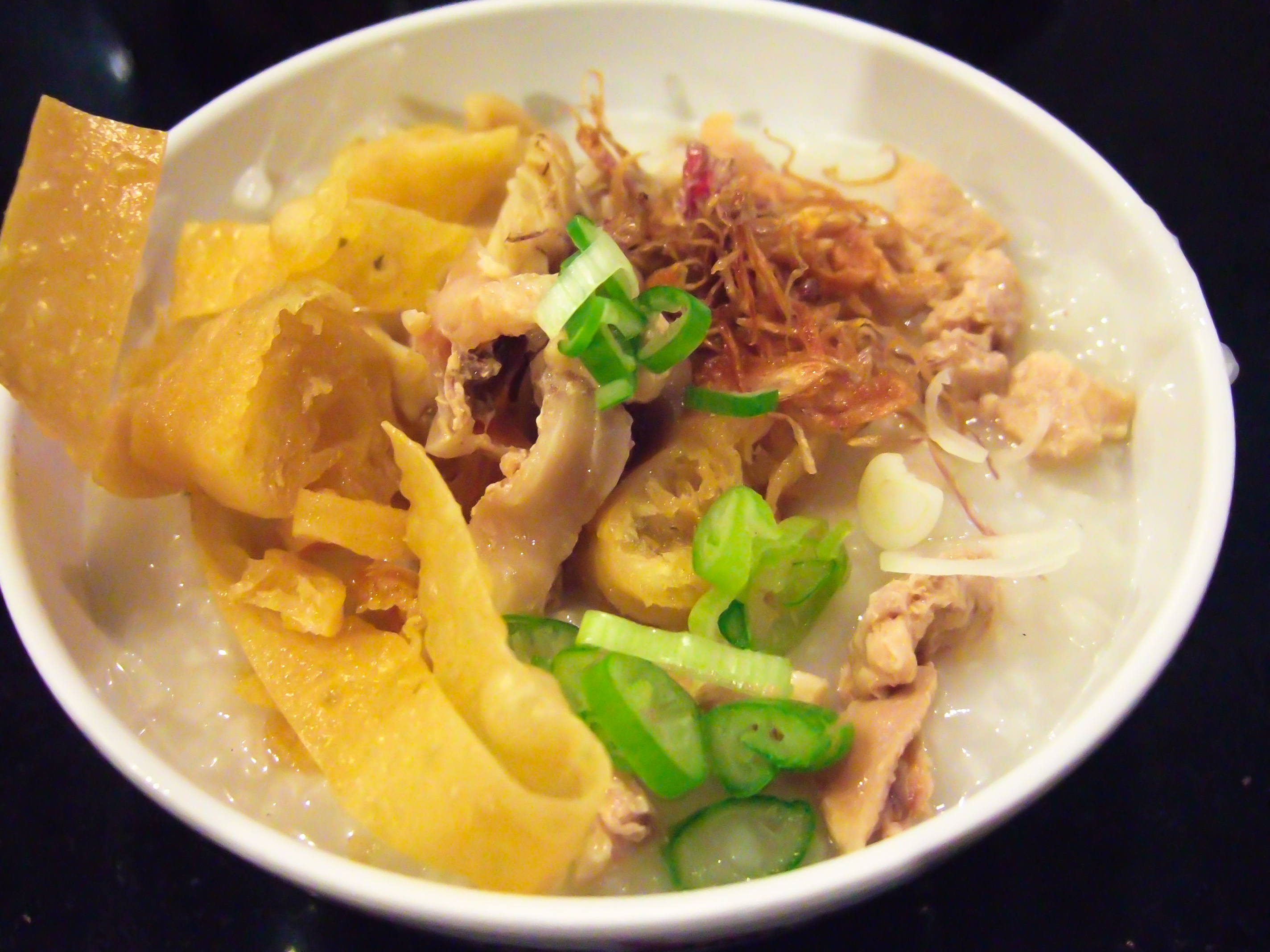
Cháo gà (chicken porridge) — the most widely eaten version. A whole chicken or chicken pieces are simmered into the porridge, shredded, and returned to the pot. Served with Vietnamese coriander, fried shallots, young ginger, and lime. This is both street food and home cooking.
Cháo lòng (offal porridge) — made with pork offal (liver, heart, intestine, blood pudding). A distinctly acquired taste for newcomers, beloved by locals. A Hanoi morning staple.
Cháo cá (fish porridge) — rice cooked with fish broth and topped with flaked fresh fish, ginger, and herbs. Popular in coastal cities and the Mekong Delta.
Cháo tôm (shrimp porridge) — shrimp broth forms the base, with whole shrimp as toppings. Lighter than cháo gà and slightly sweet.
Cháo vịt (duck porridge) — roasted or braised duck shredded over the rice porridge. Rich, deeply flavoured, and popular as an evening street food in many cities.
Cháo trắng (plain white porridge) — rice cooked in water alone, eaten with pickles and simple side dishes. The purist's cháo, eaten daily in many Vietnamese households.
The Technique: Patience and Ratio
Great cháo requires time. The rice-to-water ratio is typically 1:8 to 1:12, far more liquid than ordinary cooked rice. The rice simmers over low heat for 45–90 minutes, stirring occasionally to prevent sticking. The grains should break down completely in a standard cháo, though some styles keep the grains partially intact for a more textured result.
The broth matters enormously. Cháo gà made with a whole chicken simmered for two hours will be dramatically more flavourful than the same dish made with water alone. The best cháo shops use broth that has been cooking since before dawn.
Cháo as Street Food
In Hanoi, cháo is a cornerstone of the early morning street food scene. The classic image is a large clay pot kept warm over a gas ring, surrounded by ladles, condiment bowls, and a queue of locals. Cháo lòng — offal porridge — is particularly popular as a street breakfast, eaten at plastic stools with a glass of iced tea and a handful of freshly fried quẩy (Chinese doughnut sticks).
In Ho Chi Minh City, cháo is more commonly eaten later in the day and evening. Cháo vịt (duck porridge) carts appear in the late afternoon across many neighbourhoods.
Quẩy: The Essential Accompaniment
A nourishing Vietnamese meal eaten with chopsticks
No discussion of Vietnamese cháo is complete without mentioning quẩy — the Chinese-influenced deep-fried dough sticks (called youtiao in China) that are broken into pieces and submerged in the porridge, soaking up the broth while retaining a slightly chewy interior. In Hanoi, ordering cháo without quẩy is unusual. The fried dough adds texture and a savoury crunch that contrasts perfectly with the smooth porridge.
Where to Find the Best Cháo
- Hanoi: Cháo Lòng Bà Út near Đồng Xuân Market is legendary. Early morning offal porridge stalls throughout Hàng Buồm Street.
- Ho Chi Minh City: Cháo vịt carts in Phú Nhuận and Gò Vấp districts. Cháo gà available at most morning market food courts.
- Coastal cities (Đà Nẵng, Nha Trang): Cháo cá (fish porridge) restaurants near the fish markets serve exceptional versions using same-day catch.
Price Guide
| Setting | Typical Price |
|---|---|
| Street stall / morning cart | 25,000–45,000 VND (USD 1.10–2.00) |
| Local restaurant | 40,000–70,000 VND (USD 1.70–3.00) |
| Seafood cháo restaurant | 60,000–120,000 VND (USD 2.60–5.20) |
Practical Tips
- Order cháo lòng at least once. The offal version is the most characteristically Vietnamese and rewards the open-minded.
- Ask for quẩy. The dough sticks elevate every bowl — don't skip them.
- Try it when sick. Cháo gà with ginger and fresh coriander is a genuine remedy and one of the most comforting things you can eat.
- The plainer the better, sometimes. A bowl of cháo trắng with pickles and a fried egg is a profound experience in simplicity.
Information notice: Prices, opening hours, and travel conditions can change. Content on EnViet is reviewed periodically but may not reflect the most current situation. Please verify important details with official or local sources before travelling or booking. Costs are estimates and may vary by season, exchange rate, and travel style.
EnViet Editorial Team
The EnViet Editorial Team creates practical Vietnam travel and food guides using local knowledge, public sources, and manual editorial review. Content is reviewed before publication and updated periodically.