
Gỏi Cuốn — Vietnam's Fresh Spring Rolls
What Are Gỏi Cuốn?
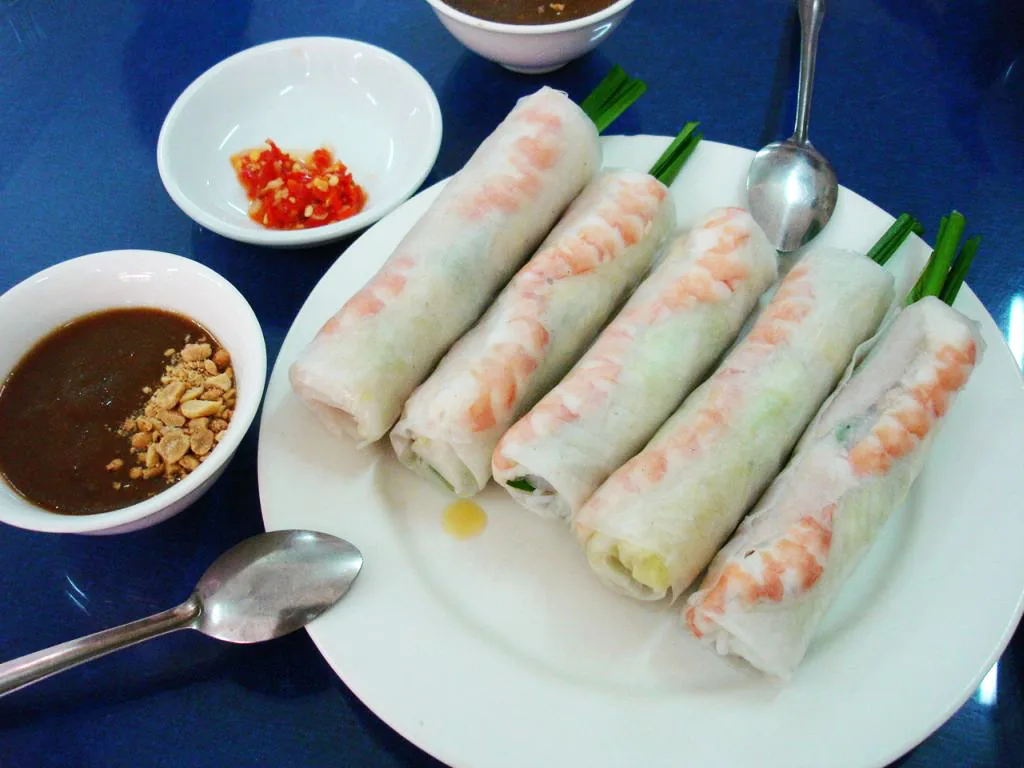
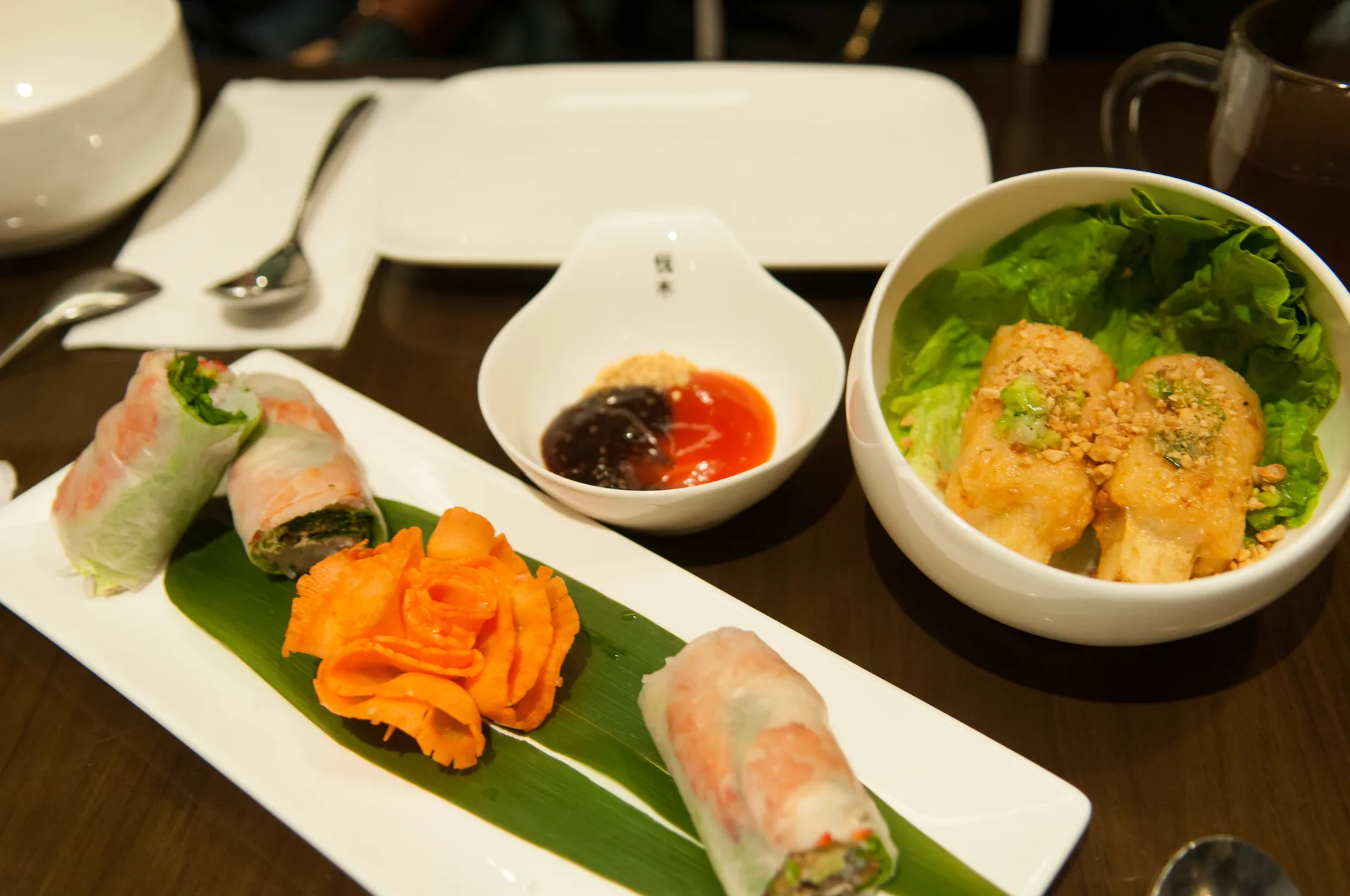
Gỏi cuốn — known in English as fresh spring rolls or Vietnamese spring rolls — are one of the most elegant and refreshing dishes in Vietnamese cuisine. Unlike their fried counterparts, these rolls are assembled raw: a thin, translucent rice paper wrapper is softened in water and rolled around a filling of cooked shrimp, sliced pork, rice vermicelli noodles, and a generous bundle of fresh herbs and lettuce. The result is light, cooling, and vibrant — a perfect contrast to the heat of a Vietnamese summer, and a dish that showcases the country's instinct for balancing fresh ingredients with carefully calibrated sauces.
Gỏi cuốn are served at room temperature and eaten within minutes of being assembled. They require no cooking once the components are prepared, which makes them a staple of home kitchens and a popular starter at restaurants across southern Vietnam. The name literally means "salad rolls" — gỏi means salad or mixed raw ingredients, and cuốn means to roll.

Origins and Regional Character
Gỏi cuốn are most strongly associated with southern Vietnam, particularly Ho Chi Minh City and the Mekong Delta. The dish reflects the south's agricultural abundance — the use of abundant fresh herbs, tropical vegetables, and the region's exceptional shrimp and pork — and the southern Vietnamese preference for lighter, fresher preparations compared to the heartier soups of the north and the spiced dishes of the centre.
While fresh spring rolls appear in various forms across Southeast Asia — in Thailand, Cambodia, and among overseas Chinese communities — the Vietnamese version is distinguished by its specific combination of ingredients and its dipping sauce. The Vietnamese gỏi cuốn is typically wider, more generously filled with herbs, and served with a thicker, peanut-based hoisin dipping sauce (nước chấm lạc) rather than the thinner fish sauce dips used with other Vietnamese dishes.

Key Ingredients
The filling of a classic gỏi cuốn contains:
- Bánh tráng (rice paper) — thin, round sheets made from rice flour, dried into crispy discs and softened briefly in water just before rolling. The softened paper becomes pliable and slightly sticky, holding the roll together without sealing.
- Tôm (shrimp) — whole cooked shrimp, halved lengthwise and pressed against the outer layer of the roll so they are visible through the translucent wrapper. Shrimp is the most common protein in classic gỏi cuốn.
- Thịt heo (pork belly) — thinly sliced boiled pork belly, layered inside with the shrimp. The combination of shrimp and pork is traditional; each adds a different texture and flavour.
- Bún (rice vermicelli) — thin rice noodles, cooked and cooled, providing the bulk of the roll's interior.
- Rau sống (fresh herbs) — this is where gỏi cuốn shine. A generous selection of fresh mint, perilla (tía tô), lettuce, chives, and sometimes Vietnamese balm (kinh giới) is packed into each roll. The herbs are the flavour of the dish.
- Giá (bean sprouts) — added for crunch.
Some versions include slices of cucumber, julienned carrot, or thin strips of jicama for additional texture.

The Dipping Sauce
A gỏi cuốn without its dipping sauce is incomplete. The classic sauce is tương hoisin (hoisin-peanut sauce): a mixture of hoisin sauce, peanut butter or crushed roasted peanuts, water, and a small amount of chilli. The result is thick, sweet-savoury, and nutty — a bold counterpoint to the delicate freshness of the roll itself. A small pile of crushed roasted peanuts on top and a slice of chilli on the side are the standard presentation.
Some restaurants also serve gỏi cuốn with nước chấm (the classic fish sauce, lime, sugar, garlic, and chilli dip) as an alternative, particularly in central and northern Vietnam where the peanut sauce is less traditional.
How to Eat Gỏi Cuốn
Gỏi cuốn are eaten whole or bitten in half. If eating in two bites, hold the roll firmly — the rice paper can be slippery. Dip the cut end into the sauce before each bite to ensure every mouthful has sauce coverage. Do not dip and hold; eat immediately after dipping to preserve the texture of the rice paper.
At Vietnamese restaurants, gỏi cuốn are often served with the filling components presented separately, allowing diners to roll their own at the table. This is both practical (rice paper softens and sticks if pre-rolled too far in advance) and theatrical — rolling your own is a satisfying part of the experience.

Variations
Gỏi cuốn chay — vegetarian versions, typically filled with tofu, mushrooms, julienned vegetables, and herbs. Common at Buddhist vegetarian restaurants across Vietnam.
Gỏi cuốn thịt nướng — grilled pork version, where char-grilled marinated pork replaces the boiled pork belly. More common in central Vietnam.
Gỏi cuốn cua — filled with crab meat, more expensive and found at seafood-focused restaurants in coastal cities.
Nem cuốn — the northern Vietnamese term for fresh spring rolls, sometimes slightly different in construction with different herb combinations.
Where to Find the Best Gỏi Cuốn
Gỏi cuốn are available everywhere in Vietnam but are most at home in the south.
- Ho Chi Minh City: Gỏi cuốn are a staple starter at virtually every local restaurant and are sold from market stalls and pushcarts across the city.
- Mekong Delta: The freshest shrimp in Vietnam come from here, and the gỏi cuốn reflect it.
- Hội An: Several restaurants specialise in DIY spring roll experiences where guests roll their own.
- Everywhere: Look for the large rice paper discs drying on bamboo frames near restaurant kitchens — that is a reliable sign of fresh, house-made wrappers.
Price Guide
| Setting | Typical Price |
|---|---|
| Street stall / market | 15,000–25,000 VND per roll (USD 0.60–1.10) |
| Local restaurant (portion of 2–3) | 40,000–70,000 VND (USD 1.70–3.00) |
| Tourist-facing restaurant | 70,000–130,000 VND (USD 3.00–5.50) |
Practical Tips
- Eat immediately. Rice paper dries out and becomes brittle within 15–20 minutes. Gỏi cuốn are strictly an eat-now food.
- Be generous with the dipping sauce. The sauce is part of the dish — use it liberally.
- Look for the herbs. A gỏi cuốn with minimal herbs is a lesser gỏi cuốn. The best versions have the herbs almost bursting out of the ends.
- Try rolling your own. Many restaurants and cooking classes offer the experience. It takes two or three attempts to get the tension right, but it is deeply satisfying once you do.
Information notice: Prices, opening hours, and travel conditions can change. Content on EnViet is reviewed periodically but may not reflect the most current situation. Please verify important details with official or local sources before travelling or booking. Costs are estimates and may vary by season, exchange rate, and travel style.
EnViet Editorial Team
The EnViet Editorial Team creates practical Vietnam travel and food guides using local knowledge, public sources, and manual editorial review. Content is reviewed before publication and updated periodically.