Goi Ga
What Is Goi Ga?
Goi ga is Vietnam's shredded chicken and cabbage salad, a dish that manages to feel both refreshing and substantial at the same time, built on a foundation of thinly sliced cabbage and shredded poached chicken tossed together with fresh herbs, sliced onion, and a bright, tangy lime-based dressing. Crushed roasted peanuts and fried shallots scattered over the top add crunch and a nutty aroma that ties the whole dish together, while rau ram, the peppery Vietnamese coriander, contributes a distinctive herbal note that many people consider essential to a proper version.
It occupies a slightly different role than most Vietnamese main dishes: light enough to serve as a starter or side, but substantial enough with its shredded chicken that it also works as a full, satisfying meal on its own, particularly in the heat of a Vietnamese summer when a heavier dish feels like too much.
Origin and Cultural Significance
Goi, the Vietnamese term for a broad category of salads built around a central protein and shredded vegetables in a tangy dressing, appears throughout the country in many forms, using ingredients ranging from shrimp and pork to green mango or lotus stem. Goi ga, using poached shredded chicken, is one of the most common and widely loved versions, found at home tables, family gatherings, and restaurants nationwide.
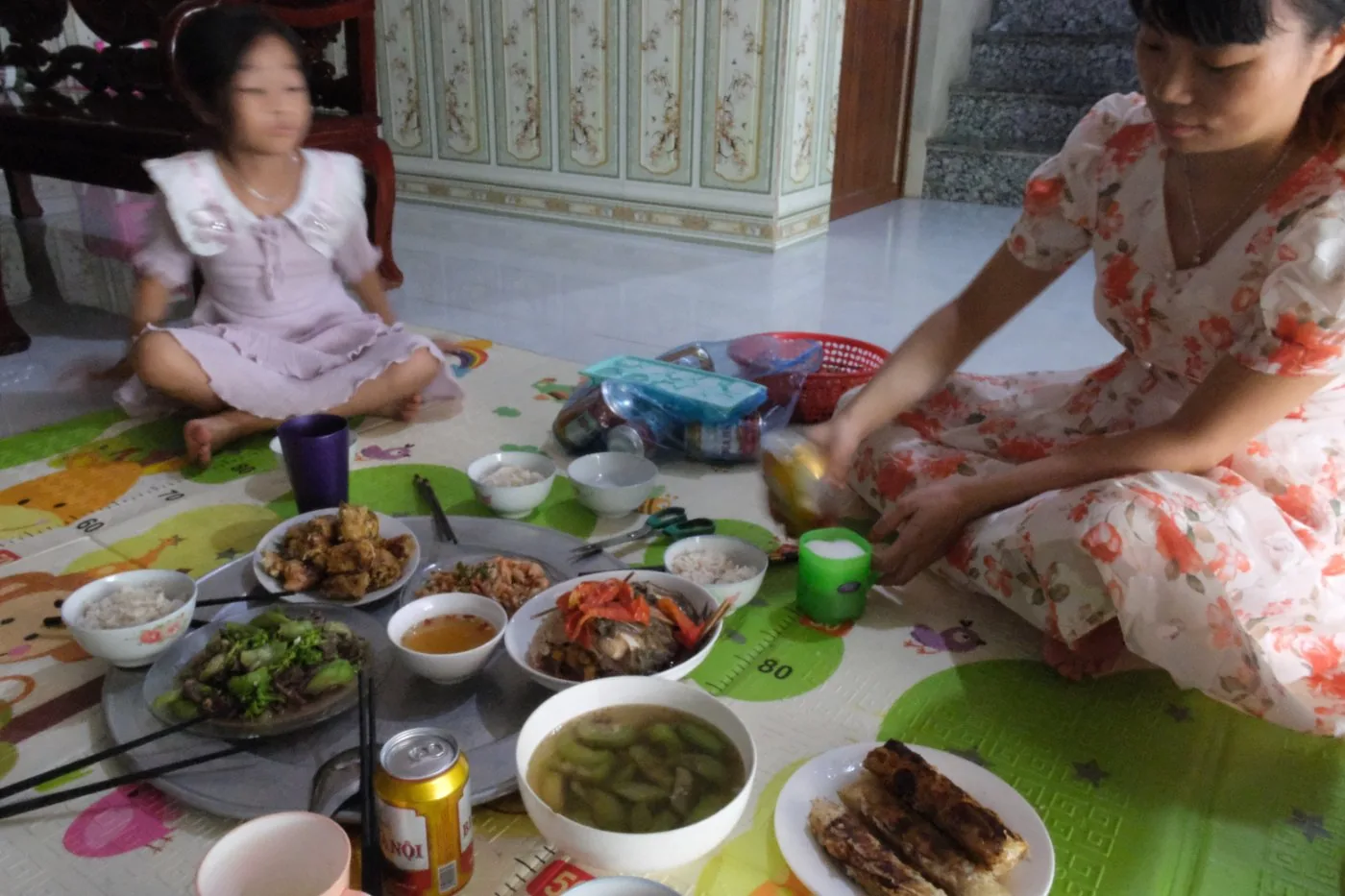
The dish holds a particular place at Vietnamese family celebrations and gatherings, where a large platter of goi ga is often one of several shared dishes set out for a festive meal, its brightness and crunch offering a welcome contrast to richer, heavier dishes on the same table. Its relative simplicity to prepare at home, requiring no special equipment or elaborate technique, has also made it a staple of everyday Vietnamese home cooking passed down through generations of family recipes.
What It Tastes Like
The dressing defines goi ga's overall character: a balance of lime juice, fish sauce, sugar, and often a touch of garlic and chili, creating the same sweet-sour-savory profile found throughout much of Vietnamese cuisine but concentrated here into something bright and punchy enough to dress an entire bowl of vegetables and meat. The cabbage stays crisp even after being tossed in the dressing, offering a satisfying crunch in every bite, while the shredded chicken adds a tender, savory counterpoint.
Fresh herbs, particularly rau ram, bring a distinctive peppery, slightly citrusy note that's hard to replicate with any other single ingredient, and the crushed peanuts and fried shallots on top add richness and texture that keep the salad from feeling too austere. The overall effect is a dish that hits nearly every flavor note at once: tangy, sweet, savory, herbal, and crunchy, all in a single forkful.
Where to Find the Best Version
Goi ga is available throughout Vietnam, at restaurants, market stalls, and home tables alike, without a strong single regional claim to the definitive version the way some other dishes have. Quality tends to come down to freshness of ingredients rather than location: crisp, recently shredded cabbage, freshly poached chicken rather than something reheated or previously frozen, and a dressing mixed to order rather than sitting premade for hours.
Home-cooked versions, particularly those made by Vietnamese grandmothers for family gatherings, are often cited as the benchmark for a truly excellent goi ga, since the dish benefits enormously from a cook's personal touch in balancing the dressing's sweet, sour, and salty elements. Restaurants specializing in traditional Vietnamese home-style cooking are generally a safer bet than more generic tourist-oriented menus.
How to Eat It
Goi ga is typically served as a room-temperature or slightly chilled dish, tossed just before serving to keep the cabbage crisp and prevent it from wilting in the dressing. It's eaten with chopsticks, often alongside shrimp chips or crackers used to scoop up bites, and pairs naturally with other dishes as part of a larger shared meal, though it can also be enjoyed on its own as a light lunch.
Because the cabbage will eventually soften and release liquid once dressed, goi ga is best eaten relatively soon after being tossed rather than left to sit for an extended period, and any leftover dressing on the side allows diners to add a bit more brightness to later portions if needed.
A Dish Worth Seeking Out
Goi ga captures something essential about Vietnamese cooking's love of balance: sweet, sour, salty, herbal, and crunchy elements all working together in a single dish. For travelers wanting a lighter counterpoint to Vietnam's noodle soups and grilled meats, or simply craving something bright and refreshing, a well-made bowl of goi ga is one of the most satisfying and easy-to-love dishes the country's home cooking has to offer.
Information notice: Prices, opening hours, and travel conditions can change. Content on EnViet is reviewed periodically but may not reflect the most current situation. Please verify important details with official or local sources before travelling or booking. Costs are estimates and may vary by season, exchange rate, and travel style.
EnViet Editorial Team
The EnViet Editorial Team creates practical Vietnam travel and food guides using local knowledge, public sources, and manual editorial review. Content is reviewed before publication and updated periodically.