
Phở — Vietnam's National Dish
What Is Phở?
Phở (pronounced roughly like "fuh") is a bone broth noodle soup eaten at breakfast across most of Vietnam — though in the south, people eat it at any hour. The broth is the whole point: a good shop simmers beef bones with charred ginger and onion, cinnamon, star anise, cloves, and cardamom for anywhere from 8 to 24 hours. The result is clear, deeply fragrant, and nothing like the instant versions sold internationally.
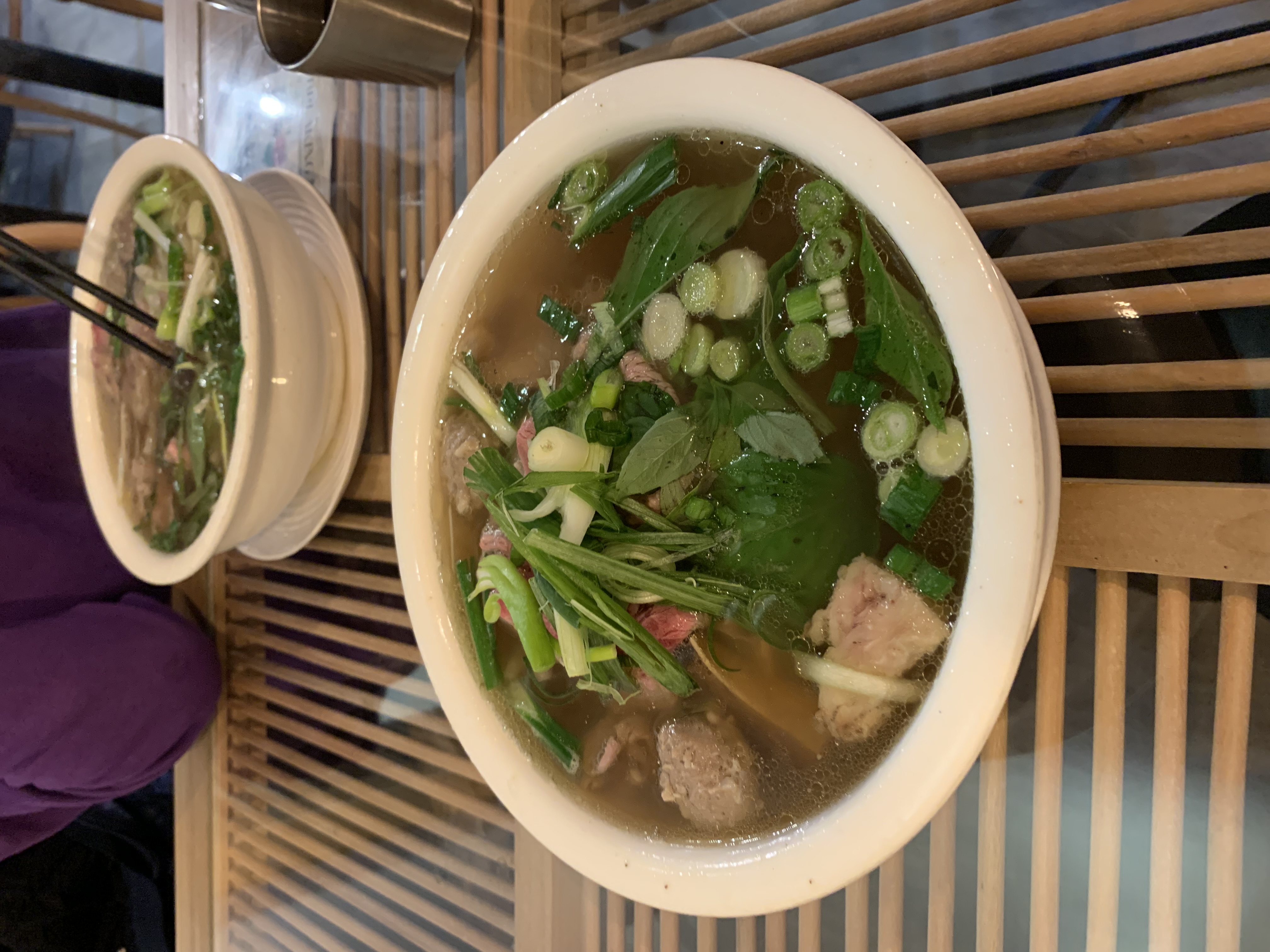
A bowl arrives with flat rice noodles (bánh phở), thinly sliced beef or chicken, and fresh herbs on the side — bean sprouts, Thai basil, lime, and fresh chillies if you want heat. You adjust the seasoning yourself at the table.
Walk through any Vietnamese city before 8 a.m. and most of the local population is already at a phở shop. The stools are plastic, the bowls are large, and the best shops are usually identified by the queue outside rather than any signage. Outside Vietnam, phở has become one of the best-known Asian dishes in the world — but nothing quite matches eating it where it was born.
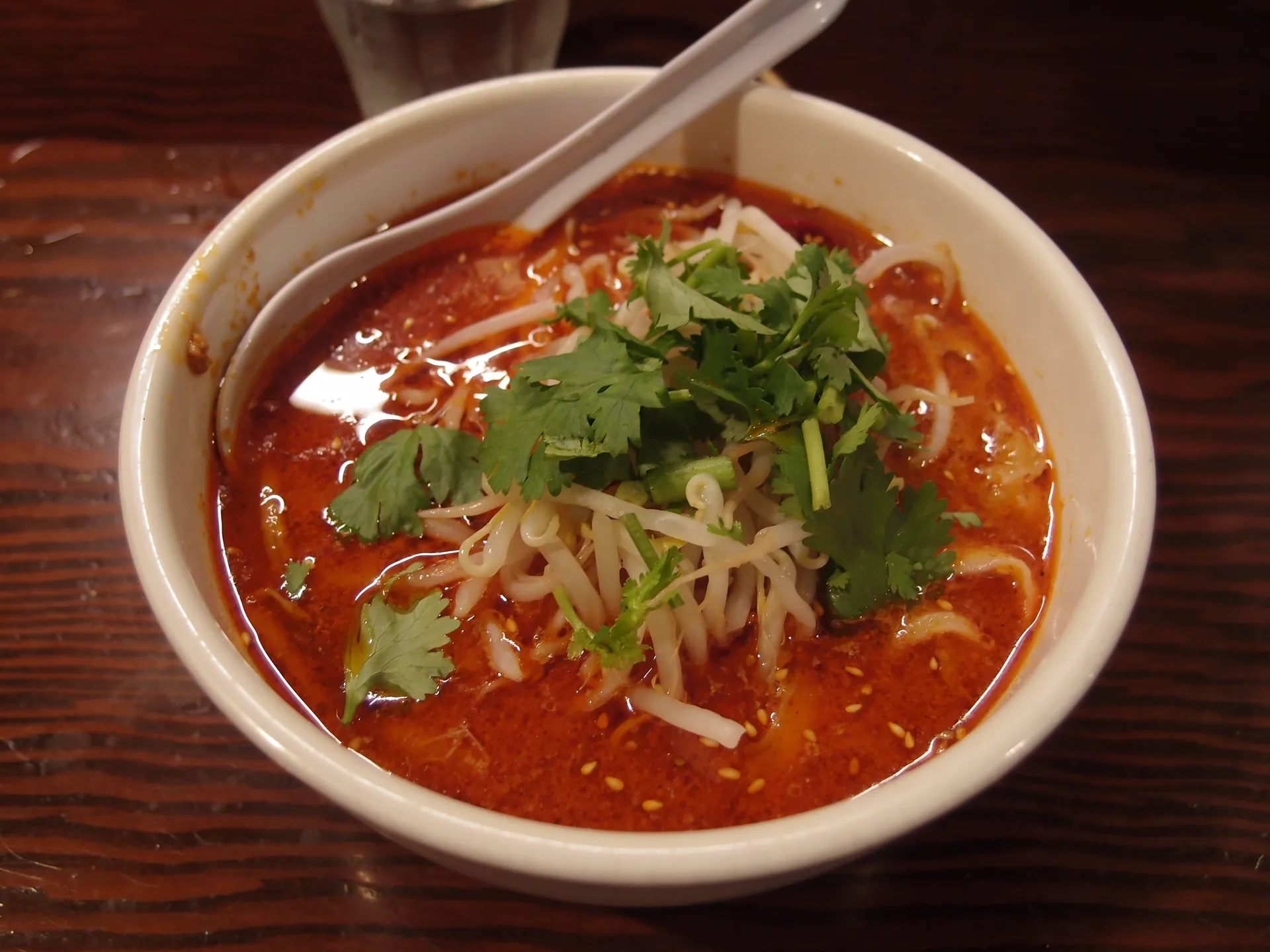
Phở's close cousins exist across Southeast Asia, but Vietnam's version — with its star-anise-scented broth and fresh herb accompaniments — is unmistakably distinct

A Brief History
Phở is relatively young for a national dish. Most food historians trace its origins to the Red River Delta region of northern Vietnam in the early 20th century, around 1900–1907, likely in or near the city of Nam Định. The dish shows clear French colonial influence — the practice of using beef bones for long-simmered stock mirrors French pot-au-feu — and probable Chinese noodle-soup roots, brought by Cantonese immigrants.
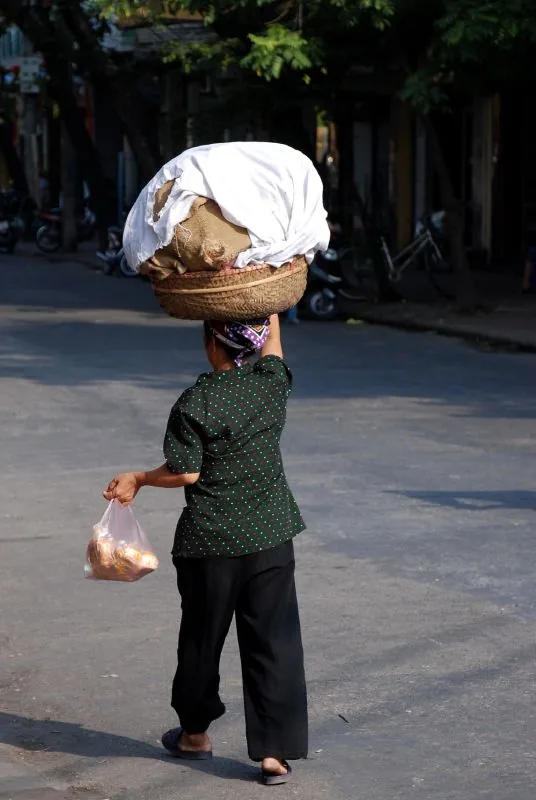
For decades phở was a northern dish, sold from shoulder poles by street vendors. It spread south after the partition of Vietnam in 1954, when around a million northerners migrated below the 17th parallel. Saigon cooks adapted the recipe to southern tastes, adding sweetness, more herbs, and hoisin and chilli sauces on the side. After the fall of Saigon in 1975, the Vietnamese diaspora carried phở to the United States, France, Australia, and beyond, where it became a gateway food for millions of non-Vietnamese diners.

Traditional phở preparation — the broth is the soul of the dish; bone-in cuts simmer slowly with charred onion and ginger before spices are added

Phở Bò vs. Phở Gà
The two main varieties of phở are phở bò (beef phở) and phở gà (chicken phở).
Phở bò is the classic. The broth is built on beef bones — typically knuckles, oxtail, and marrow bones — simmered for anywhere from six to twelve hours. Charred onion and ginger give it a slightly smoky sweetness, while whole spices — star anise, cinnamon, cloves, cardamom, coriander seeds, and black cardamom — are toasted and added to the pot. The result is a broth of extraordinary depth and clarity. Common beef toppings include:
- Tái — raw, paper-thin slices of beef that cook in the hot broth
- Chín — well-done brisket
- Gầu — fatty flank or brisket
- Gân — tendon
- Vè dòn — crunchy flank
- Bò viên — Vietnamese beef meatballs
Phở gà uses a lighter chicken broth and is often recommended as an introduction for those new to the dish, or during warm weather when the richer beef version feels too heavy.

Phở's spice profile — star anise, cinnamon, cloves, and coriander seed are toasted before being added to the broth; the charred aromatics are equally important
Hanoi vs. Saigon: A Tale of Two Styles
Ask any Vietnamese person which style is better and you will likely start an argument. The two schools of phở are genuinely different.
Hanoi phở (phở Hà Nội) is the purist version. The broth is clear, light golden, and restrained — its complexity comes entirely from the slow simmer and spices, not from sweetness or additions. The noodles are slightly wider and softer. The only garnishes on the table are sliced chillies, garlic vinegar, and perhaps a squeeze of lime. Adding hoisin or sriracha to Hanoi phở is considered almost offensive.
Saigon phở (phở Sài Gòn) is bolder and more exuberant. The broth is often sweeter, enhanced with rock sugar or roasted shallots. Portions are larger. A full plate of accompaniments arrives with the bowl: bean sprouts, Thai basil, sawtooth coriander, lime wedges, hoisin sauce, and chilli oil. Diners build their own flavour profile with each bite.
Neither is objectively superior — they represent two different philosophies of what phở should be.
The Anatomy of a Perfect Bowl
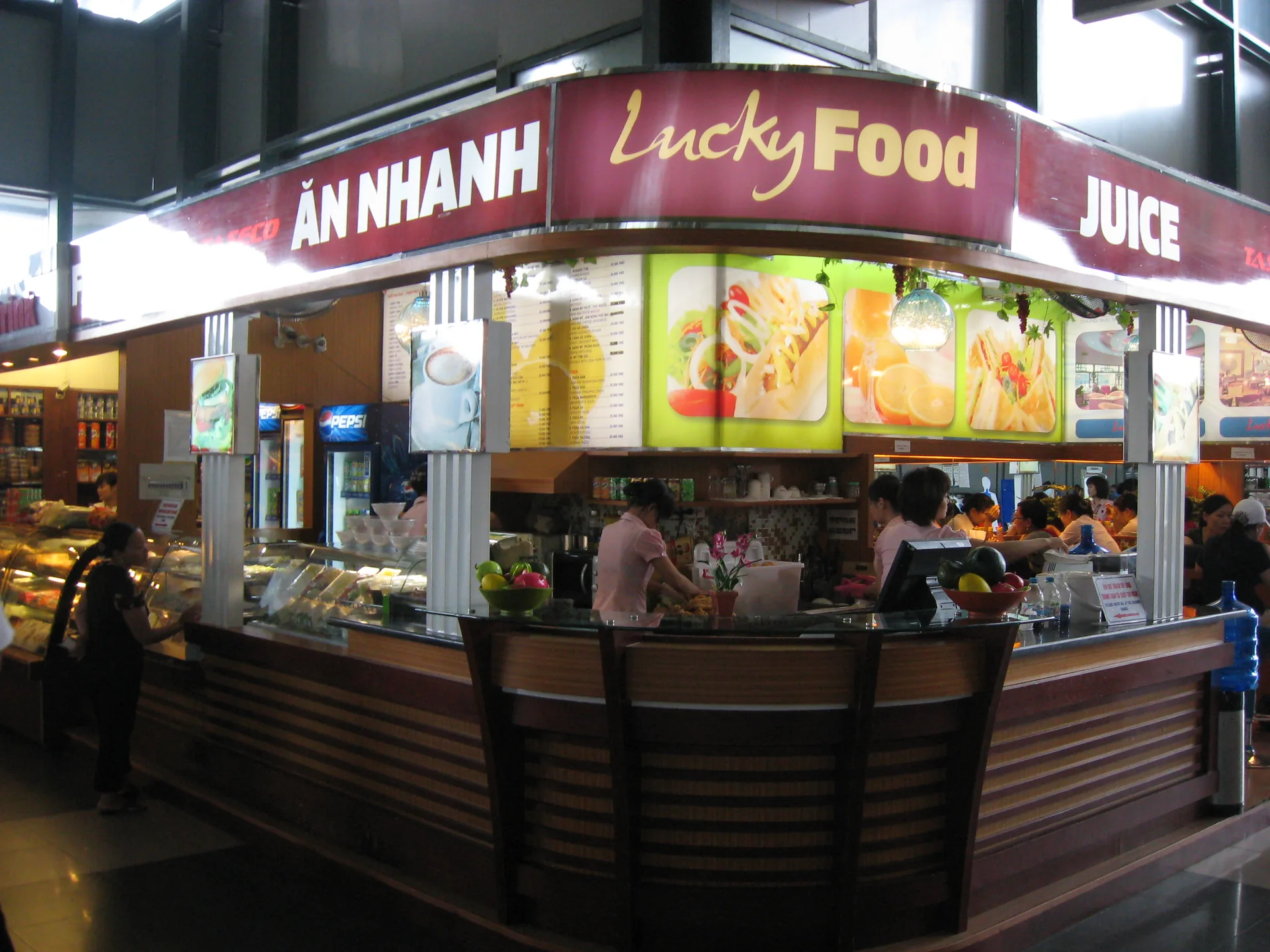
A classic Hanoi phở shop — the best establishments are often the most basic; plastic stools, formica tables, and a perpetually simmering pot
A great bowl of phở depends on three non-negotiable elements:
- The broth — Clear, fragrant, not too salty, with a deep beefy backbone and a whisper of sweet spice. This is the soul of the dish and cannot be rushed.
- The noodles — Freshly made bánh phở should be silky and just slightly chewy. Overcooked noodles ruin an otherwise excellent bowl.
- The beef — Quality and thinness matter enormously. Raw slices should be translucent; brisket should be yielding and fatty.
How to Eat Phở Like a Local
First, do not wait for an invitation — phở is typically served immediately and eaten hot. Add your chosen condiments (in Saigon) or leave the broth alone (in Hanoi). Use chopsticks to lift noodles and meat, and a deep spoon to sip the broth. Tear fresh herbs into the bowl as you eat, and squeeze lime over the top. Mix everything gently rather than stirring vigorously.
It is perfectly acceptable to lift the bowl and drink the last of the broth. Many locals do.
Where to Find the Best Phở in Vietnam
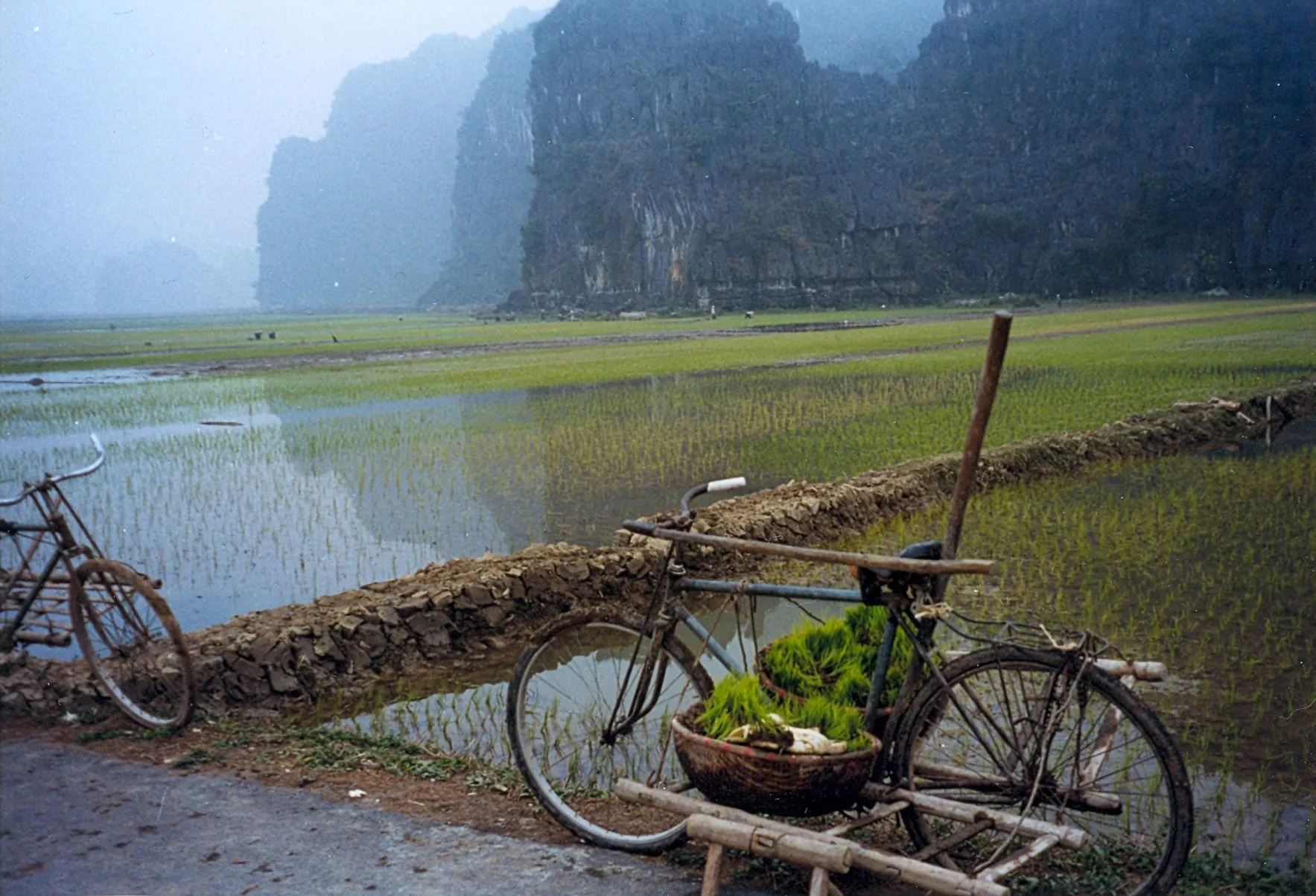
Vietnamese rice culture — the country's rice-growing heritage is inseparable from its noodle cuisine; most Vietnamese eat rice or rice noodles at every meal
- Hanoi: Phở Thìn at 13 Lò Đúc is legendary, as is Phở Bát Đàn on Bát Đàn Street (expect a queue).
- Nam Định: The spiritual home of phở. Any local shop downtown will likely be excellent.
- Ho Chi Minh City: Phở Hòa Pasteur on Pasteur Street has been operating since 1960 and remains a benchmark.
- Everywhere: Neighbourhood phở shops open before dawn are almost always the most authentic option, regardless of city.
Price Guide
| Setting | Typical Price |
|---|---|
| Street stall / local shop | 35,000–60,000 VND (USD 1.50–2.50) |
| Mid-range restaurant | 60,000–100,000 VND (USD 2.50–4.00) |
| Tourist-area restaurant | 100,000–180,000 VND (USD 4.00–7.50) |

Practical Tips
- Go early. The best phở shops open at 6 a.m. and often sell out by 10 a.m.
- Specify your cut. Tell the vendor what you want — tái (rare), chín (well-done), or a combination — when you sit down.
- Broth first. Taste the broth before adding anything. A good bowl needs very little adjustment.
- Avoid tourist traps. If the menu has photos of twenty dishes, the phở is probably not the priority. Look for places that serve phở and phở only.
Where to Start
If you are in Hanoi, walk down Bát Đàn or Lý Quốc Sư in the Old Quarter before 8 a.m. — most of the best shops don't advertise and are identifiable only by the crowd outside. In Ho Chi Minh City, Phở Hòa Pasteur on Pasteur Street (District 3) has been running since 1960 and is a fair benchmark for what southern-style phở should taste like. Then spend the rest of your trip comparing.
Try these next: Bún Bò Huế — the spicier, more complex cousin from central Vietnam — or Bánh Mì for a quick breakfast alternative when the phở shop queue is too long.
Information notice: Prices, opening hours, and travel conditions can change. Content on EnViet is reviewed periodically but may not reflect the most current situation. Please verify important details with official or local sources before travelling or booking. Costs are estimates and may vary by season, exchange rate, and travel style.
EnViet Editorial Team
The EnViet Editorial Team creates practical Vietnam travel and food guides using local knowledge, public sources, and manual editorial review. Content is reviewed before publication and updated periodically.