Best Time to Visit Vietnam: A Region-by-Region Weather Guide
Vietnam stretches over 1,650 km from its northernmost tip near the Chinese border to the Ca Mau Peninsula in the deep south — a span that crosses multiple climate zones, mountain ranges, and coastal systems. There is no single "best time" to visit Vietnam. The right time depends entirely on where you're going and what you want to do when you get there.

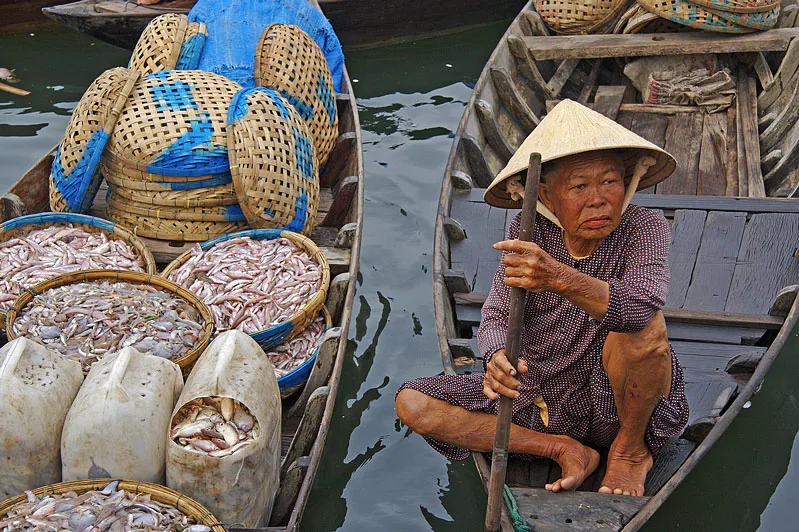
Vietnam's wet season — afternoon downpours can be intense but usually short-lived; most travellers visit rainy regions with fewer crowds and lower prices
This guide breaks the country into its distinct climate regions and gives you the honest picture for each month.
Understanding Vietnam's Climate Zones
Vietnam's weather is defined by three overlapping systems:
The North (Hanoi, Ha Long Bay, Sapa, Ha Giang): A distinct four-season climate — genuinely cold winters (December–February, with temperatures in Hanoi occasionally dropping to 10°C), warm springs, hot and rainy summers, and pleasant autumns. The best window is October–April, with the peak at October–November and March–April.

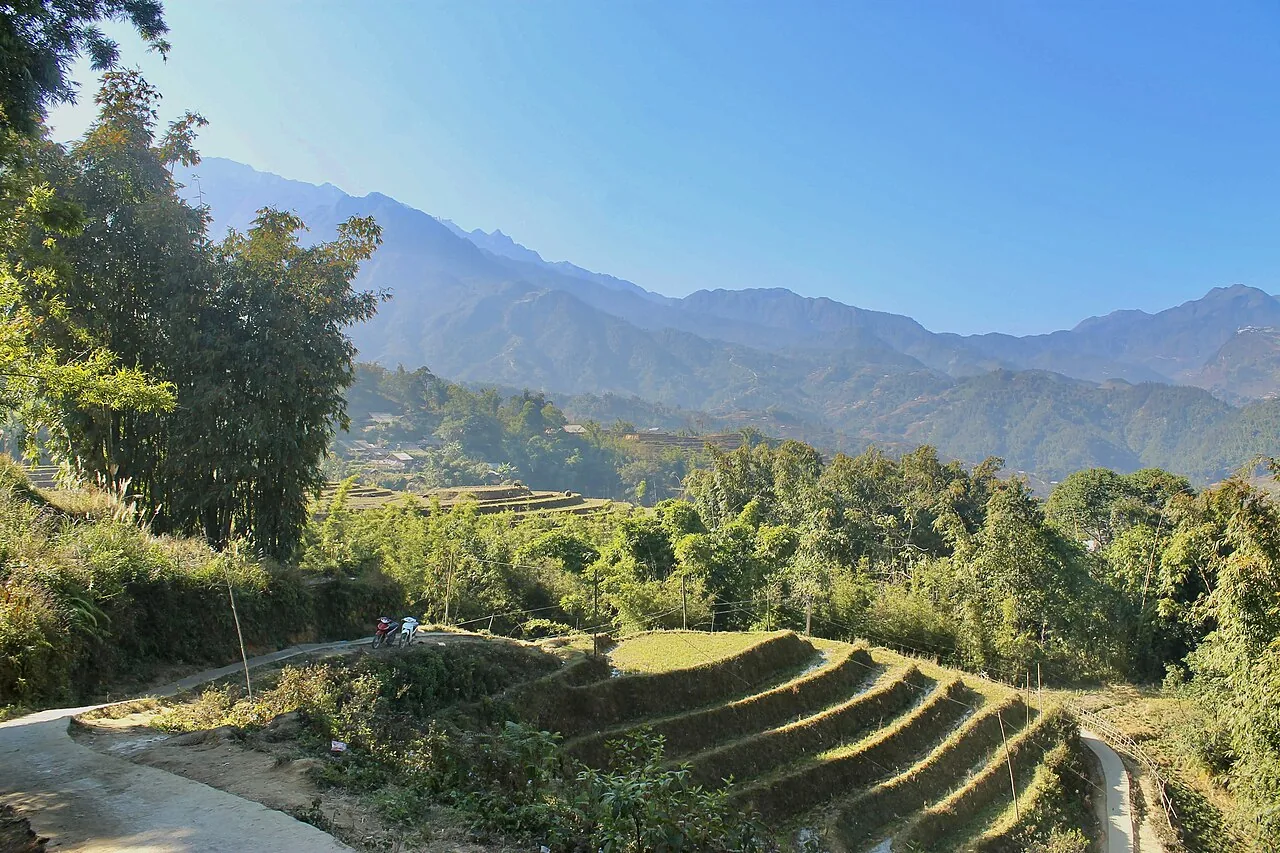
Northern Vietnam in spring — the windows of March–April and October–November offer the best combination of clear skies and comfortable temperatures
Central Vietnam (Hue, Da Nang, Hoi An, Hue): A narrow coastal strip that catches the tail of both the northeast and southwest monsoons — meaning it has a wet season opposite to the rest of the country. The best months are February–August; October–December brings serious typhoon risk and flooding.
The South (Ho Chi Minh City, Mekong Delta, Phu Quoc): A tropical two-season climate: dry season (November–April) and wet season (May–October). The dry season is reliably the better time to visit, though the shoulder months of May and October offer good value and manageable weather.

Phú Quốc at its best — November through April brings flat seas, white sand, and the island's famous coral visibility; avoid June–September (wet season)

Mekong Delta flood season — the annual inundation brings fish, fertile sediment, and the floating markets to their most vibrant state
The Central Highlands (Da Lat, Buon Ma Thuot, Pleiku): An elevated plateau with a modified highland climate. Da Lat is temperate year-round (15–25°C); the broader highlands have a wet season from May to October and a dry season from November to April.
Month-by-Month Breakdown
January
- North Vietnam: Cold (Hanoi 15–20°C), clear, occasionally misty. Ha Long Bay at its most atmospheric. Sapa can see frost and occasional snow — beautiful but cold.
- Central Vietnam: Wet and cool, with risk of flooding in low-lying areas. Not the best month for Hoi An.
- South Vietnam: Prime season. Dry, sunny, 28–32°C across HCMC and the Delta. Phu Quoc at its best.
- Overall: Excellent for the south; manageable for the north; avoid the coast between Da Nang and Nha Trang.
February
- North Vietnam: Cold and often misty ("drizzle season" in Hanoi). Tet (Lunar New Year) typically falls here — the country shuts down for a week, which is extraordinary to witness but means transport is near-impossible without advance booking.
- Central Vietnam: Transitioning — improving through the month, with March much better.
- South Vietnam: Peak dry season continues. Hot, sunny, ideal.
- Overall: Excellent for the south; Tet creates both unique opportunity and significant logistical challenges everywhere.
March
- North Vietnam: Warming and improving; Hanoi reaches 20–24°C. Ha Long Bay excellent. Sapa's rhododendrons begin blooming.
- Central Vietnam: The dry season begins properly. Hoi An and Da Nang enter their best months.
- South Vietnam: Still dry season, though the heat builds (35°C+ in HCMC). The cooler months of November–February are more comfortable.
- Overall: One of the best months for a North-to-South trip.
April
- North Vietnam: Warm (25–28°C in Hanoi), low humidity. Sapa in full bloom. Ha Giang loop excellent before the summer crowds arrive.
- Central Vietnam: Dry, warm (28–32°C), ideal. One of Hoi An and Da Nang's best months.
- South Vietnam: The hottest month — 36–38°C in HCMC. The Mekong Delta is dry but scorching.
- Overall: Excellent for the north and centre. Challenging heat in the south.
May
- North Vietnam: Heating up and getting wetter. Still workable but less comfortable than March–April.
- Central Vietnam: The southwest monsoon begins on the coast. Da Nang remains good through May; conditions deteriorate from June.
- South Vietnam: Wet season begins with afternoon thunderstorms but mornings are typically clear. Phu Quoc's sea becomes rough. Mekong Delta landscape turns vivid green.
- Overall: Good for the centre; transition month elsewhere.
June
- North Vietnam: Hot and humid (34°C+ in Hanoi), with rain. Not ideal, though the highlands (Sapa) remain pleasant.
- Central Vietnam: Mixed. Da Nang and Hoi An are hot and humid with some rain but generally manageable.
- South Vietnam: Rainy season — heavy afternoon showers, steamy mornings. Con Dao and Phu Quoc have rough seas.
- Overall: A challenging month for general travel. The highlands (Da Lat, Sapa) are the best options.
July–August
- North Vietnam: Peak summer heat and rain. Ha Giang and Sapa are green and lush (popular with Vietnamese domestic tourists) but conditions are wet.
- Central Vietnam: Typhoon season begins. Da Nang still typically fine, but there is risk from July onward.
- South Vietnam: Deep wet season. Daily afternoon downpours, but mornings usable. Cheapest accommodation rates of the year.
- Overall: Low season. Budget travelers do well; those seeking reliable sun should avoid.
September
- North Vietnam: The rice harvest begins in the north. Ha Giang and Mu Cang Chai terraces turn golden — this is peak photography season. Still wet but improving rapidly.
- Central Vietnam: Peak typhoon risk. Avoid the coast from Da Nang south to Quy Nhon.
- South Vietnam: Wet season continuing but beginning to ease.
- Overall: One of the best months for northern highlands photography. Avoid the central coast.
October
- North Vietnam: Outstanding. Cool, clear, and the golden rice terraces of Mu Cang Chai and Hoang Su Phi are at peak harvest beauty. One of Vietnam's best months for northern travel.
- Central Vietnam: Peak typhoon and flooding risk. Hoi An floods annually in October–November. Avoid.
- South Vietnam: Wet season ending. Conditions improving rapidly through the month.
- Overall: Spectacular for the north; risky for the centre; transitioning in the south.
November
- North Vietnam: Excellent. Clear skies, crisp temperatures (18–24°C in Hanoi). Ha Long Bay and Ha Giang at their most pleasant.
- Central Vietnam: The northeast monsoon hits. Hue, Da Nang, and Hoi An receive the majority of their annual rainfall in November and December — flooding is common. Not recommended.
- South Vietnam: Dry season resumes. Phu Quoc becomes excellent again. HCMC and the Delta at their best.
- Overall: Great for north and south; avoid the centre.
December
- North Vietnam: Cold in the mountains (Sapa sees frost; Ha Giang can be cold). Hanoi pleasant (15–20°C) with clear skies. Ha Long Bay atmospheric and quiet.
- Central Vietnam: Wet and risky. The poorest month for Hoi An and Da Nang.
- South Vietnam: Peak dry season begins. The best months for HCMC, the Delta, and Phu Quoc. Christmas and New Year bring a spike in accommodation prices.
- Overall: Good for north and south; avoid the centre.
Best Time for Specific Experiences
Ha Long Bay: October–April (especially November–March for clear skies and calm water)
Sapa trekking: September–November (harvest and clear views) and March–May (spring flowers). Avoid December–February if you dislike cold.
Ha Giang motorbike loop: March–May and September–October. The buckwheat flowers bloom October–November; rice terraces are golden in September.
Hoi An: February–August. Avoid October–December (flood risk).
Phu Quoc: November–April. The west coast is calm; the east coast has year-round rough seas.
Con Dao Islands: February–August (calm seas). Avoid September–October.
Da Lat: Year-round (temperatures 15–25°C always). February–April for flower season.
Mekong Delta: November–April (dry season). September–October for the floating markets' highest water levels.
Central Highlands (trekking): November–April.
Practical Summary
| Month | North | Centre | South |
|---|---|---|---|
| Jan | ✓ Good | ✗ Wet | ✓✓ Best |
| Feb | ✓ (Tet) | ✓ Improving | ✓✓ Best |
| Mar | ✓✓ Best | ✓✓ Best | ✓ Hot |
| Apr | ✓✓ Best | ✓✓ Best | ✗ Very hot |
| May | ✓ OK | ✓ OK | ✓ Wet starts |
| Jun–Aug | ✗ Hot/wet | ✓ OK | ✗ Wet |
| Sep | ✓✓ Harvest | ✗ Typhoons | ✓ Improving |
| Oct | ✓✓ Best | ✗ Floods | ✓ Improving |
| Nov | ✓✓ Best | ✗ Wet | ✓✓ Best |
| Dec | ✓ Good | ✗ Wet | ✓✓ Best |
The Honest Answer
Vietnam is visitable year-round — the key is matching your itinerary to the season. The most reliably pleasant time for a north-to-south trip covering Hanoi, Ha Long Bay, Hoi An, and Ho Chi Minh City is February–April and October–November. Both windows offer good conditions across most of the country simultaneously, which the true wet and typhoon seasons do not.

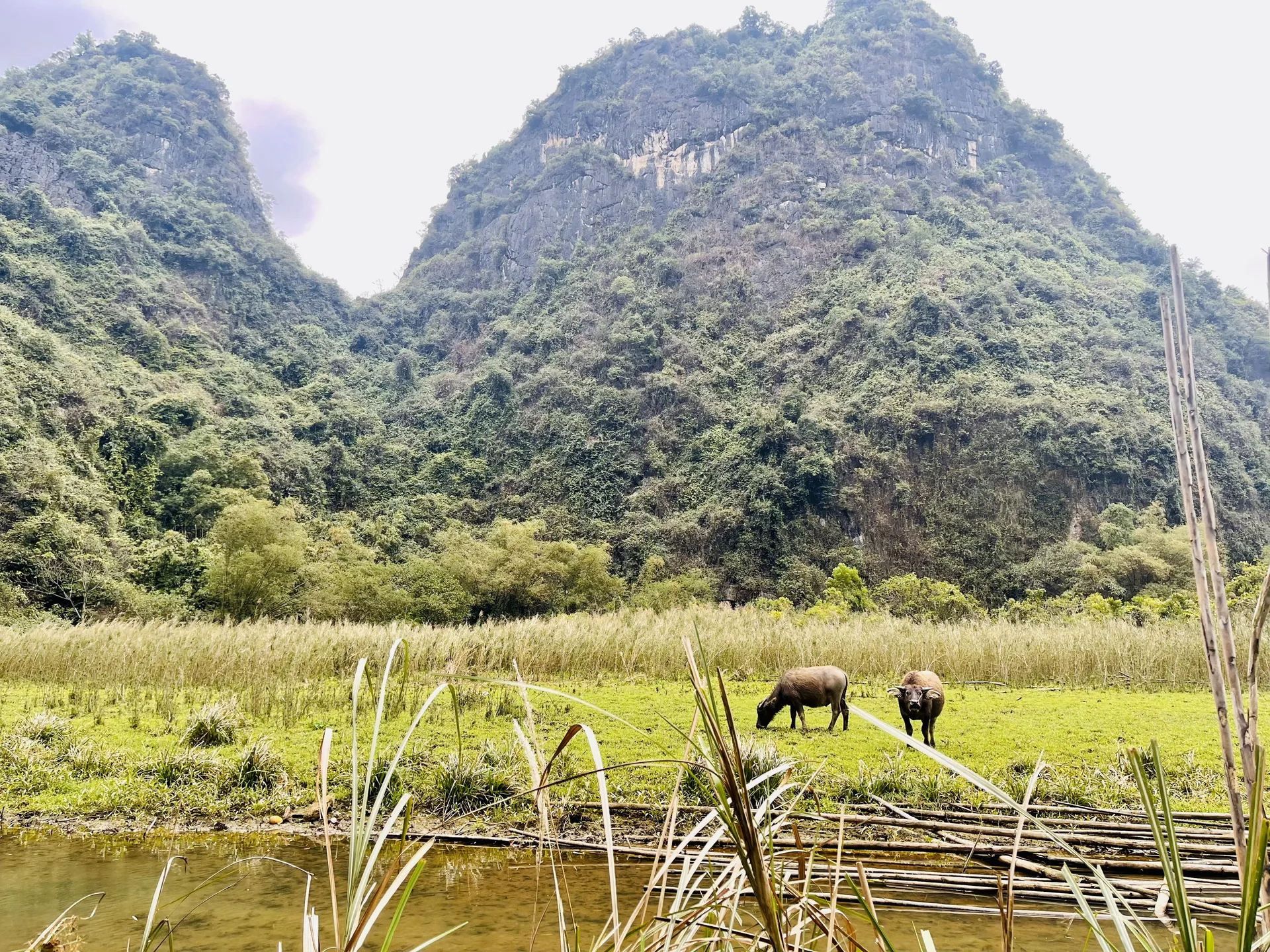
Ninh Bình's karst valleys — October and November are peak season here; the harvested rice fields are golden and the skies are clear
Where to Go When
The short version: if your dates are fixed, build your itinerary around the weather rather than fighting it. Northern Vietnam in October is excellent; the central coast in October is often flooded. The south in April is brutally hot but Phu Quoc and Con Dao are in their best season. The table above gives you the honest picture by month.
A multi-region trip — Hanoi north to Ho Chi Minh City south — will inevitably cross weather zones. Plan the climate-sensitive activities (Ha Long Bay, Hoi An beaches, Mekong Delta boat tours) for the driest windows in each region, and use the rainy days for cities, museums, and food.
Plan your route: First Time in Vietnam | Vietnam by Train | Ha Long Bay

Ho Chi Minh City at night — the south's climate is the most consistent in Vietnam, with a reliable dry season November–April and wet season May–October
Information notice: Prices, opening hours, and travel conditions can change. Content on EnViet is reviewed periodically but may not reflect the most current situation. Please verify important details with official or local sources before travelling or booking.
EnViet Editorial Team
The EnViet Editorial Team creates practical Vietnam travel and food guides using local knowledge, public sources, and manual editorial review. Content is reviewed before publication and updated periodically.