Vietnam Visa Guide 2025: E-Visa, Visa on Arrival & Visa-Free Countries
Vietnam's visa policy changed significantly in August 2023 when it extended the e-visa validity from 30 days to 90 days and made it available to all nationalities. For most travelers, the process is now straightforward: apply online, receive a digital visa, arrive. This guide covers every entry option in plain language.
Who Can Enter Vietnam Visa-Free
Vietnam grants visa-free entry to citizens of a growing list of countries. As of 2025, the main visa-free agreements include:

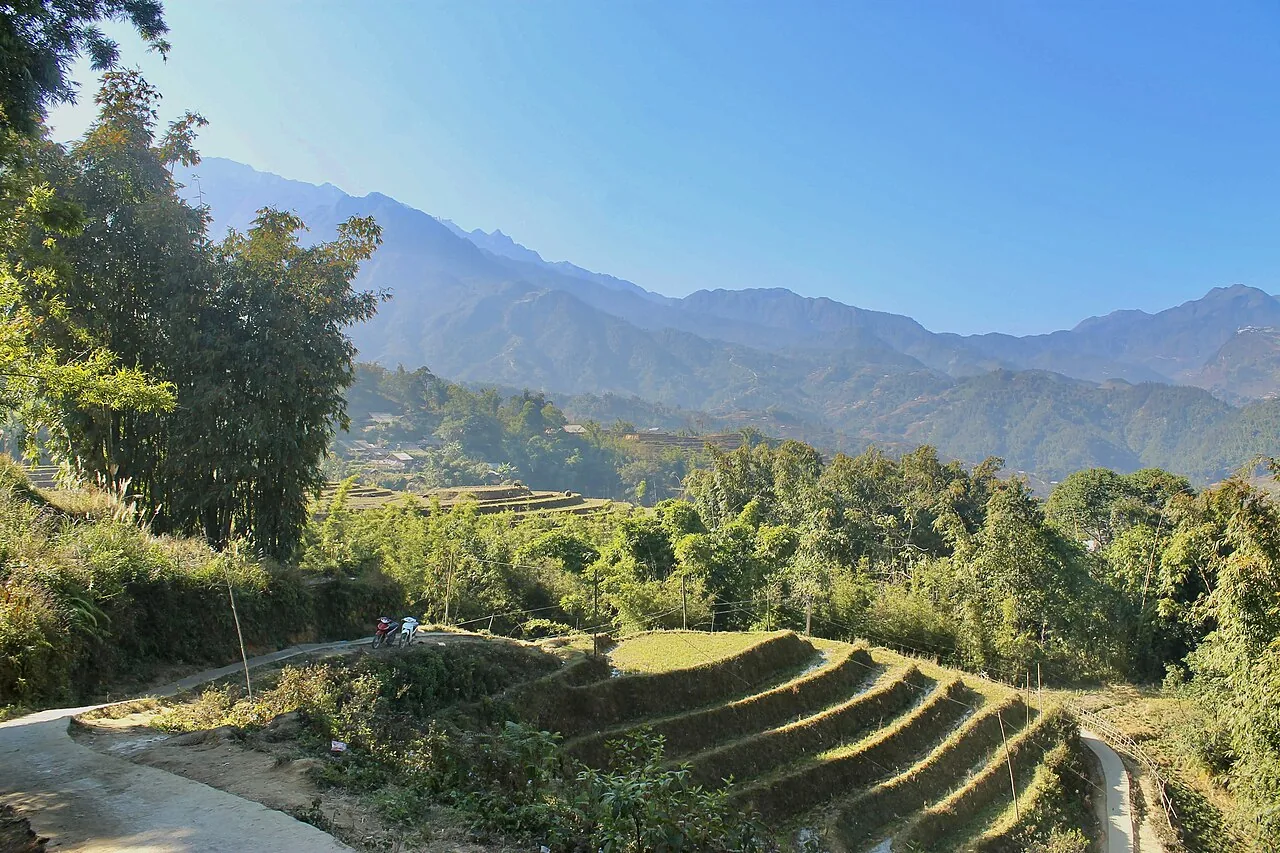
Vietnam's highland minority regions — accessible to most visa holders without additional permits; tours to remote areas often recommended for first-time visitors
45 days visa-free:
- All ASEAN nations (Thailand, Malaysia, Singapore, Indonesia, Philippines, Cambodia, Myanmar, Laos, Brunei)
- Western Europe: Germany, France, Italy, Spain, UK, Denmark, Norway, Sweden, Finland, Russia, Belarus
- Northeast Asia: Japan, South Korea
30 days visa-free:
- Chile, Panama
15 days visa-free (with conditions):
- Some bilateral agreements with specific entry/exit requirements
Important: Visa-free nationals can extend their stay by briefly leaving and re-entering (a "border run" to Cambodia or Laos is common), but this workaround is increasingly scrutinized. If you plan to stay longer than the visa-free window, apply for a 90-day e-visa before arrival.
Check the current Vietnamese Ministry of Foreign Affairs list before travel — the visa-free country list is updated periodically and recent additions may not be reflected in older sources.
The E-Visa: The Recommended Option for Most Travelers
The Vietnam e-visa is the simplest entry option for nationals of all countries not covered by visa-free agreements — and increasingly the preferred choice even for those who qualify for visa-free entry, because it guarantees a 90-day stay without border-run uncertainty.

Nội Bài International Airport — pick up a SIM card and exchange some currency before leaving the arrivals hall; immigration with a pre-approved e-Visa takes 5–10 minutes
Key Facts
- Validity: Up to 90 days, single or multiple entry
- Processing time: 3 working days (official); many applicants receive it in 24–48 hours
- Cost: $25 USD (single entry); $50 USD (multiple entry) — payable by international credit/debit card
- Available to: All nationalities (196 countries as of 2024)
How to Apply
- Go to the official Vietnamese e-visa portal: evisa.xuatnhapcanh.gov.vn
- Select "Grant E-Visa"
- Fill in your personal details, passport information, intended entry/exit dates, and entry point
- Upload a passport photo (white background, face clearly visible) and a scan of your passport bio-data page
- Pay the fee by credit or debit card
- Receive your e-visa by email (PDF format); print it or save it digitally — both are accepted at immigration
Entry Points
The e-visa is valid at all international airports (Hanoi, Ho Chi Minh City, Da Nang, Nha Trang, Phu Quoc, and others) and most major land and sea border crossings with China, Laos, and Cambodia.
Tips
- Apply at least 5–7 working days before your travel date to account for processing delays
- The name on your e-visa must exactly match your passport — even minor discrepancies can cause issues at immigration
- Your intended entry and exit points do not need to match your actual travel — you can enter via Hanoi and exit via HCMC regardless of what you selected during application
- The 90-day validity starts from the date of issuance, not arrival — factor this into your application timing
Visa on Arrival (VOA): For Package Tourists Only
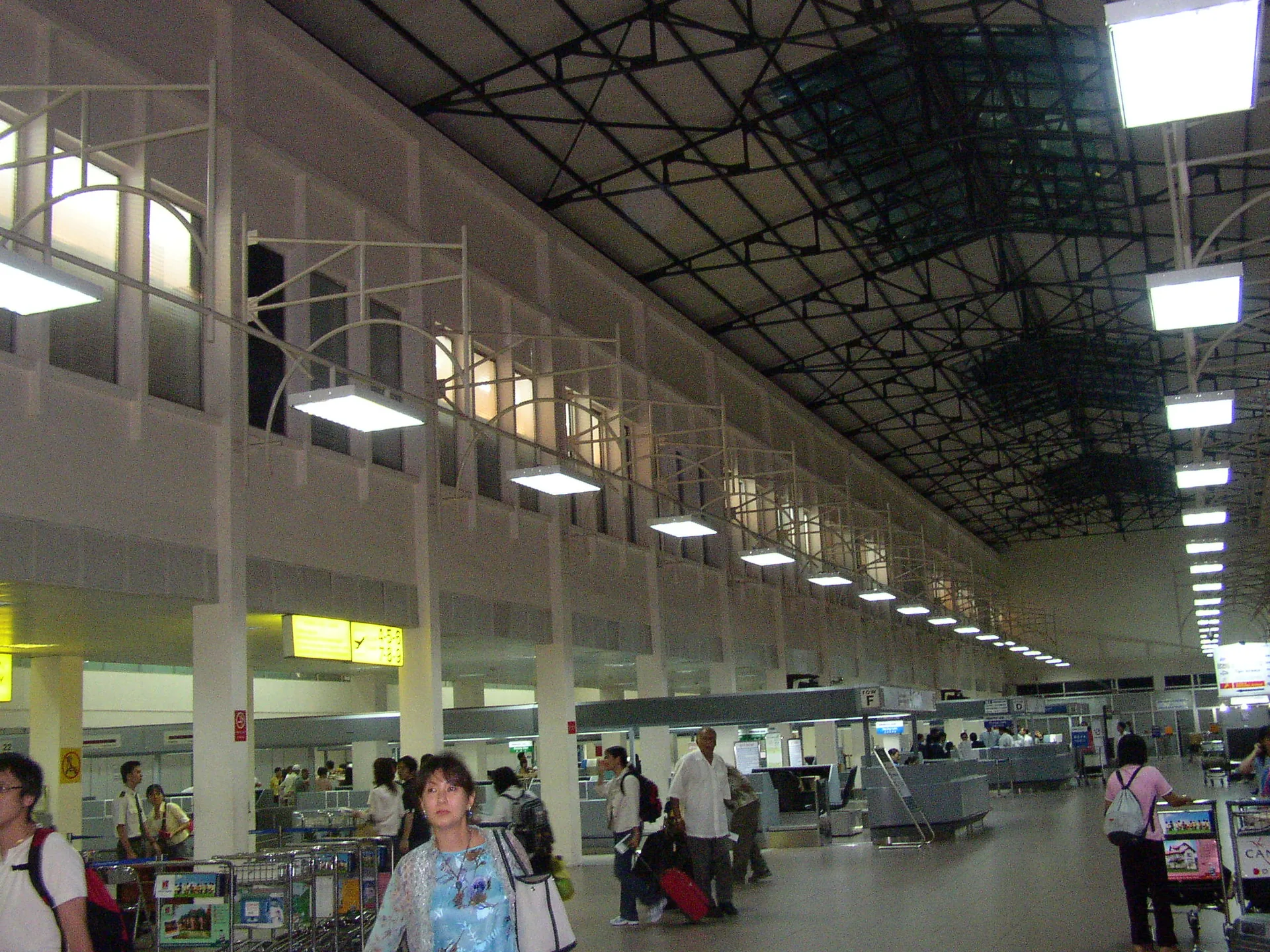
Tân Sơn Nhất International Airport, Ho Chi Minh City — Vietnam's busiest airport; VOA processing here is usually 15–20 minutes
The Visa on Arrival is technically still available but only for travelers arriving by air at a limited number of airports, and only if they have pre-arranged an approval letter through a registered Vietnamese travel agency. It is more complicated and not cheaper than the e-visa.
Who should use it: Almost no one in 2025. The e-visa has superseded VOA for independent travelers. VOA still appears in some package tour arrangements where the agent organizes the letter.
Avoid: Third-party "e-visa agencies" that charge $50–100 to submit the same e-visa application you can make yourself for $25. The official portal is straightforward; there is no benefit to using intermediaries.
Visa Extensions Inside Vietnam
Once in Vietnam, extending your stay is possible but not straightforward:
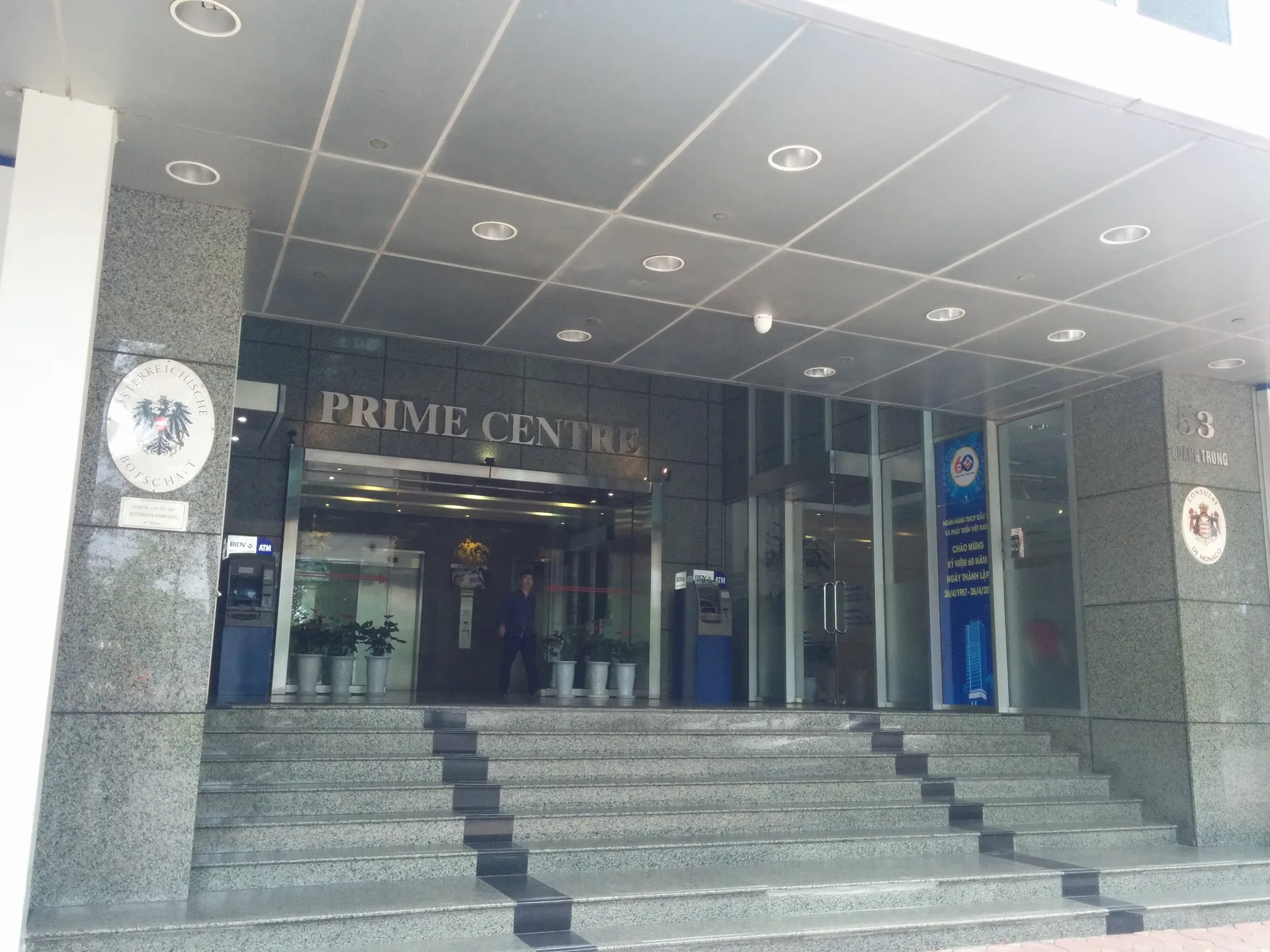
Vietnamese embassy visa — still used for long-stay business visas and for nationalities not covered by the e-Visa programme; fees and timelines vary by issuing country
E-visa holders: Cannot extend the e-visa inside Vietnam. You must exit the country and apply for a new e-visa. Border runs to Cambodia (Moc Bai crossing from HCMC, 2 hours) or Laos are the common solution.
Tourist visa (DN/DL): Can sometimes be extended through immigration offices or travel agencies for an additional 30–90 days. Regulations and success rates vary — this is a grey area, and outcomes depend on the immigration office.
Best practice: Apply for a 90-day multiple-entry e-visa before arrival if you plan to stay more than 3 months. It costs $50 and eliminates extension complications.
Entry Requirements at the Border
Regardless of entry type, you will need:
- Passport valid for at least 6 months beyond your entry date with at least 2 blank visa pages
- Return or onward ticket (airlines check this at check-in; immigration may ask at the border)
- Proof of accommodation for at least the first night (hotel booking confirmation)
- Sufficient funds (not consistently checked, but nominally required: ~$100/day recommended to demonstrate)
- Your e-visa PDF (printed or digital)
Arrival: What to Expect at Immigration
At airports: Follow signs to "Passport Control / Immigration." Join the appropriate queue (e-visa/foreign passport holders). An officer will scan your passport and e-visa QR code, stamp your passport, and return it. The process takes 2–5 minutes per person; total queue time varies from 5 minutes (small airports) to 45 minutes (Hanoi Noi Bai during peak arrivals).
At land borders: The process is similar but more variable. Queues can be longer, and some crossings have inconsistent operating hours. Verify the crossing's current status before planning a land entry.
Common Mistakes to Avoid
- Applying on fake government websites — numerous copycat sites charge premium fees for the same application. The only official URL contains "xuatnhapcanh.gov.vn"
- Leaving insufficient processing time — the official 3-day window can stretch to 5+ during peak periods
- Name mismatches — your full name exactly as in your passport; middle names included
- Overstaying your visa — fines of 500,000–1,500,000 VND per day, potential deportation, and a travel ban
Frequently Asked Questions
Can I enter Vietnam multiple times on one e-visa?
Yes, if you purchased the multiple-entry option ($50). Single-entry e-visas ($25) require a new application after each exit.
Do I need a visa if I'm transiting through Vietnam?
Transits under 24 hours without leaving the international transit area don't typically require a visa. If you plan to leave the airport during a transit, you need a valid visa or visa-free status.
Is the e-visa available for travel to Phu Quoc?
Yes. Phu Quoc previously had a separate 30-day visa-free scheme for all nationalities; this still exists alongside the standard e-visa system.
I'm a dual citizen. Which passport should I use?
Use whichever passport offers the most favorable entry terms. If you hold a passport from a visa-free country, use that. Note that Vietnam does not officially recognize dual nationality for Vietnamese-nationality holders — if you hold Vietnamese citizenship, consult the embassy before travel.
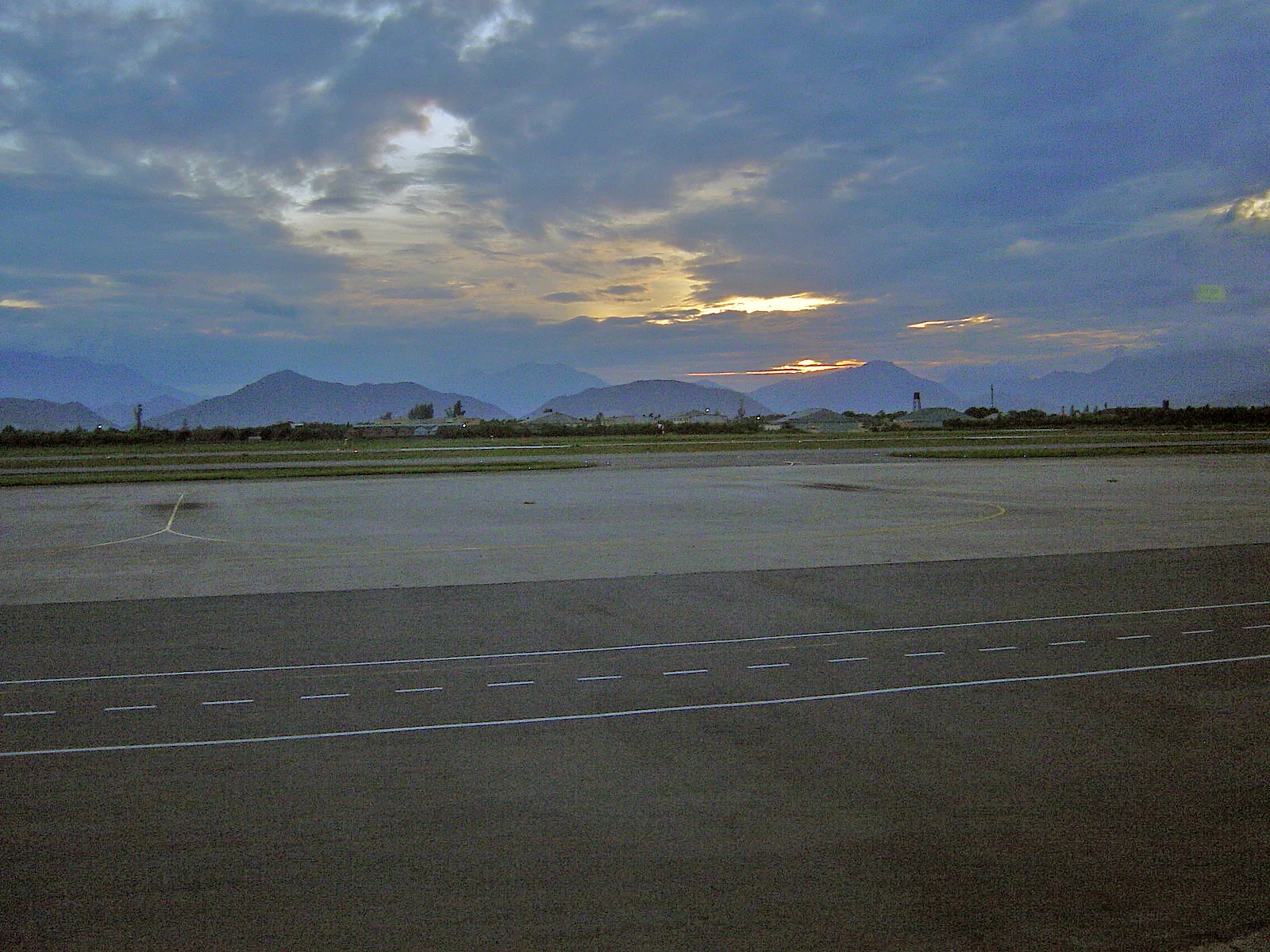
Đà Nẵng International Airport — central Vietnam's main hub with growing international connections; visa rules are identical to Hanoi and Ho Chi Minh City entry points
Information notice: Prices, opening hours, and travel conditions can change. Content on EnViet is reviewed periodically but may not reflect the most current situation. Please verify important details with official or local sources before travelling or booking.
EnViet Editorial Team
The EnViet Editorial Team creates practical Vietnam travel and food guides using local knowledge, public sources, and manual editorial review. Content is reviewed before publication and updated periodically.