Con Dao: Vietnam's Remote Islands and the History Behind Them
Con Dao doesn't fit neatly into the usual Vietnam island pitch. It's remote - a short flight or an overnight ferry from the mainland - and it has genuinely excellent beaches and some of the best diving and snorkeling in the country. But it also has one of the more sobering histories of any place in Vietnam, and the two things sit side by side in a way that makes a visit here feel different from Phu Quoc or Nha Trang.
A Prison Island for Over a Century
Under French colonial rule and later the South Vietnamese government, Con Dao held political prisoners in conditions that are now preserved almost exactly as they were, most notably the "tiger cages" - cramped stone cells with bars overhead where guards could look down on prisoners, some of whom were held here for years. Phu Hai Prison and the other colonial-era prison complexes are open to visitors, and walking through them is a heavier experience than most island destinations offer.
This isn't presented as a minor historical footnote - it's central to how Con Dao is understood within Vietnam, and the Con Dao Museum in the main town does a genuinely good job contextualizing what happened here across both the French and American-war periods. If you only associate Con Dao with beaches, an hour or two at the prison sites and museum will change that.
Then There's the Nature
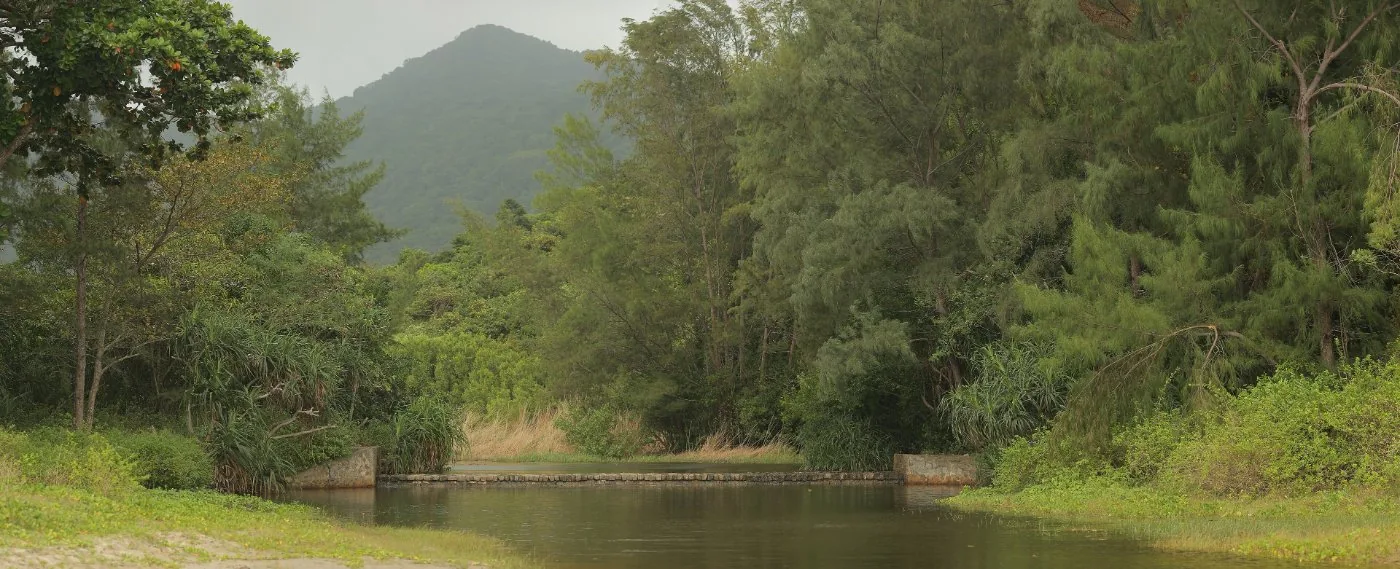
Roughly 80% of Con Dao is protected as a national park, both on land and in the surrounding waters, and it shows in ways that are hard to find elsewhere in coastal Vietnam. The marine park has some of the country's healthiest coral reefs, and diving or snorkeling trips here regularly turn up better visibility and more marine life than the more heavily trafficked dive spots near Nha Trang.
Con Dao is also one of the most important sea turtle nesting sites in Vietnam. Between roughly May and October, green turtles come ashore at night to lay eggs on several of the archipelago's beaches, and licensed conservation programs run supervised viewings that let visitors watch from a respectful distance without disturbing the nesting process. It's one of the few places in the country where you can see this happen legally and responsibly, and it's worth timing a visit around if you're able to.
The Beaches Themselves
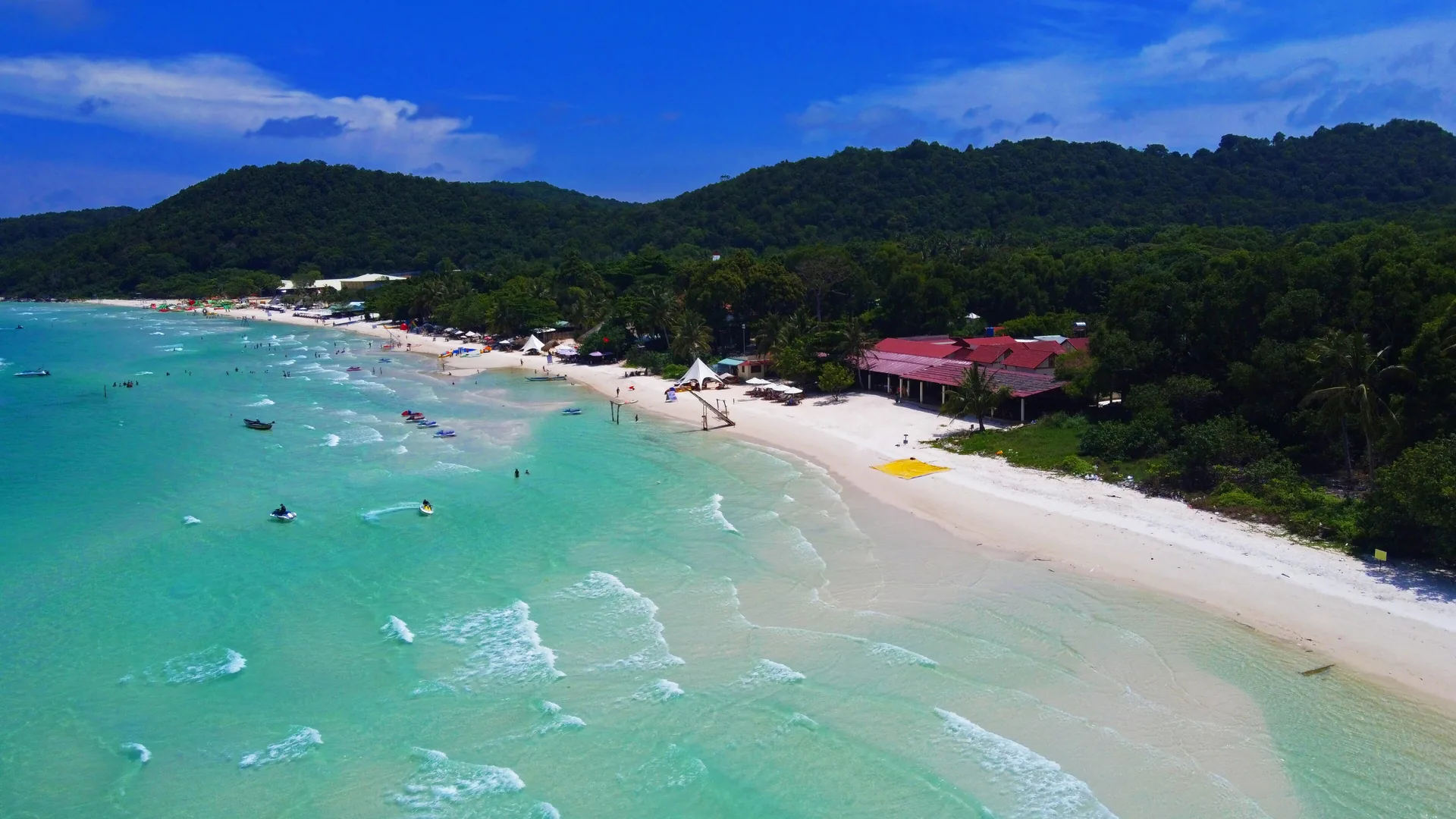
Con Dao's beaches don't get the same volume of visitors as the mainland's beach towns, partly because getting here takes more effort and partly because the island has deliberately avoided large-scale resort development. Dat Doc Beach and Bai Nhat are among the more accessible options near the main town, while some of the better spots require a boat trip out to smaller islands in the archipelago.
The lack of crowds is the main draw - this isn't a place with beach bars and jet ski rentals lining the shore. It's quiet, and that's largely the point.
Getting There and Getting Around
Con Dao has its own small airport with flights from Ho Chi Minh City and a few other cities, which is the faster and generally more comfortable option. An overnight ferry from Vung Tau or Soc Trang also runs, taking around 8 to 12 hours depending on the route, which some travelers choose for the experience or to save on cost, though sea conditions can make it a rough ride.
Once on the island, it's small enough that a rented scooter covers everything - the main town, the prison sites, the beaches, and the national park headquarters are all within a reasonably short ride of each other.
What to Actually Plan For
Three days is a reasonable minimum: one for the historical sites and museum, one for a snorkeling or diving trip out to the marine park, and one to actually use a beach or, during nesting season, join a supervised turtle-watching outing. Accommodation options are more limited than on Phu Quoc or Nha Trang, ranging from simple guesthouses to a small number of higher-end resorts, and it's worth booking ahead in peak season (roughly December to April, which is also the driest stretch of weather) since the island doesn't have unlimited capacity.
Con Dao isn't set up as an easy, low-effort beach holiday, and that's fairly deliberate - both the remoteness and the history keep it from turning into another mass-market island destination. For travelers who want a quieter, more reflective stop that still delivers on nature and diving, it's one of the more distinctive places in the country to add to an itinerary.
Con Son Town
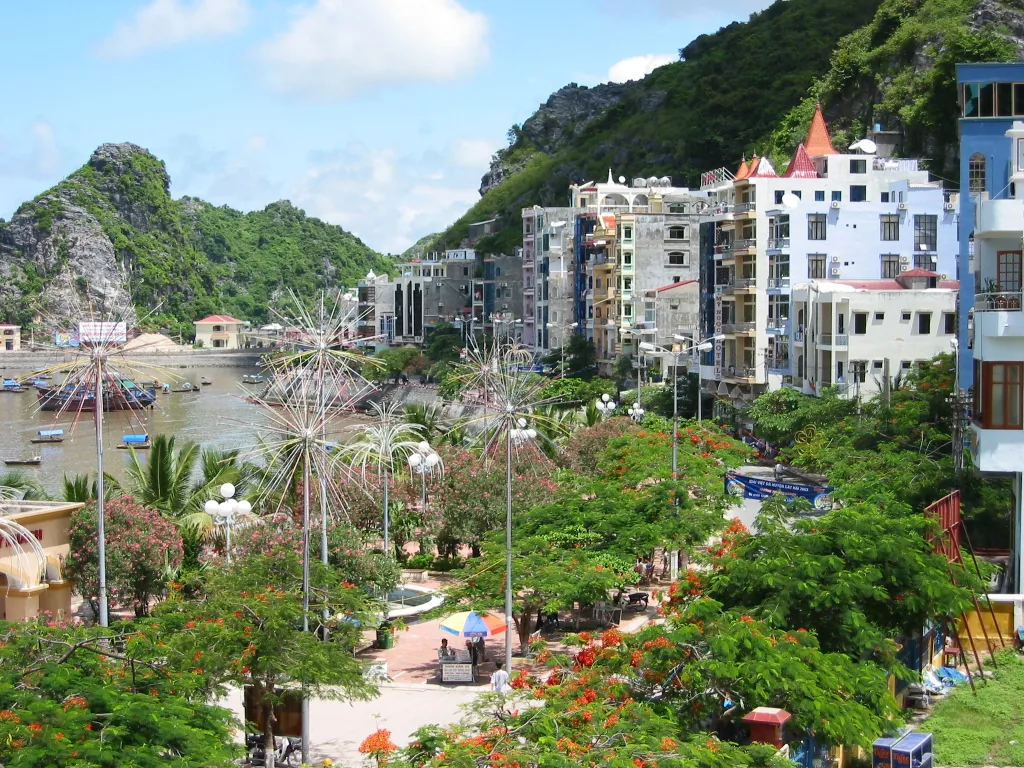
The main settlement, Con Son, is small enough to walk end to end in twenty minutes, with a row of French colonial buildings along the waterfront that hint at the island's administrative past. There's a night market here with a modest selection of seafood stalls, and a handful of cafes that have popped up in recent years to serve the slow trickle of tourists who make the trip out. It doesn't have the developed restaurant scene of Phu Quoc or Nha Trang, so expect simpler options rather than a big food destination in its own right.
Diving Logistics
A couple of dive operators run out of Con Son, offering both day trips for certified divers and introductory courses for beginners. Visibility and conditions vary by season - the calmest, clearest window generally falls between March and July, before the later wet season stirs up the water and brings rougher seas that can cancel trips altogether. Because the marine park limits diver numbers at some sites to protect the coral, it's worth booking a day or two ahead in peak months rather than assuming you can walk in and go same-day.
Why It's Worth the Extra Effort
Con Dao takes more planning than a beach town you can reach by direct bus, and that filters out a lot of casual visitors - which is exactly why it still feels undeveloped compared to Vietnam's more established island destinations. Anyone weighing whether the extra flight or overnight ferry is worth it should think about what they actually want from an island trip: if it's nightlife and easy infrastructure, Phu Quoc will serve better. If it's healthier reefs, a real chance at watching wild sea turtles nest, and a piece of Vietnamese history that most tourists never encounter, Con Dao earns the extra effort.
Information notice: Prices, opening hours, and travel conditions can change. Content on EnViet is reviewed periodically but may not reflect the most current situation. Please verify important details with official or local sources before travelling or booking.
EnViet Editorial Team
The EnViet Editorial Team creates practical Vietnam travel and food guides using local knowledge, public sources, and manual editorial review. Content is reviewed before publication and updated periodically.