Phu Quoc Beyond the Beaches: Pepper Farms, National Park, and Sunset Sailing
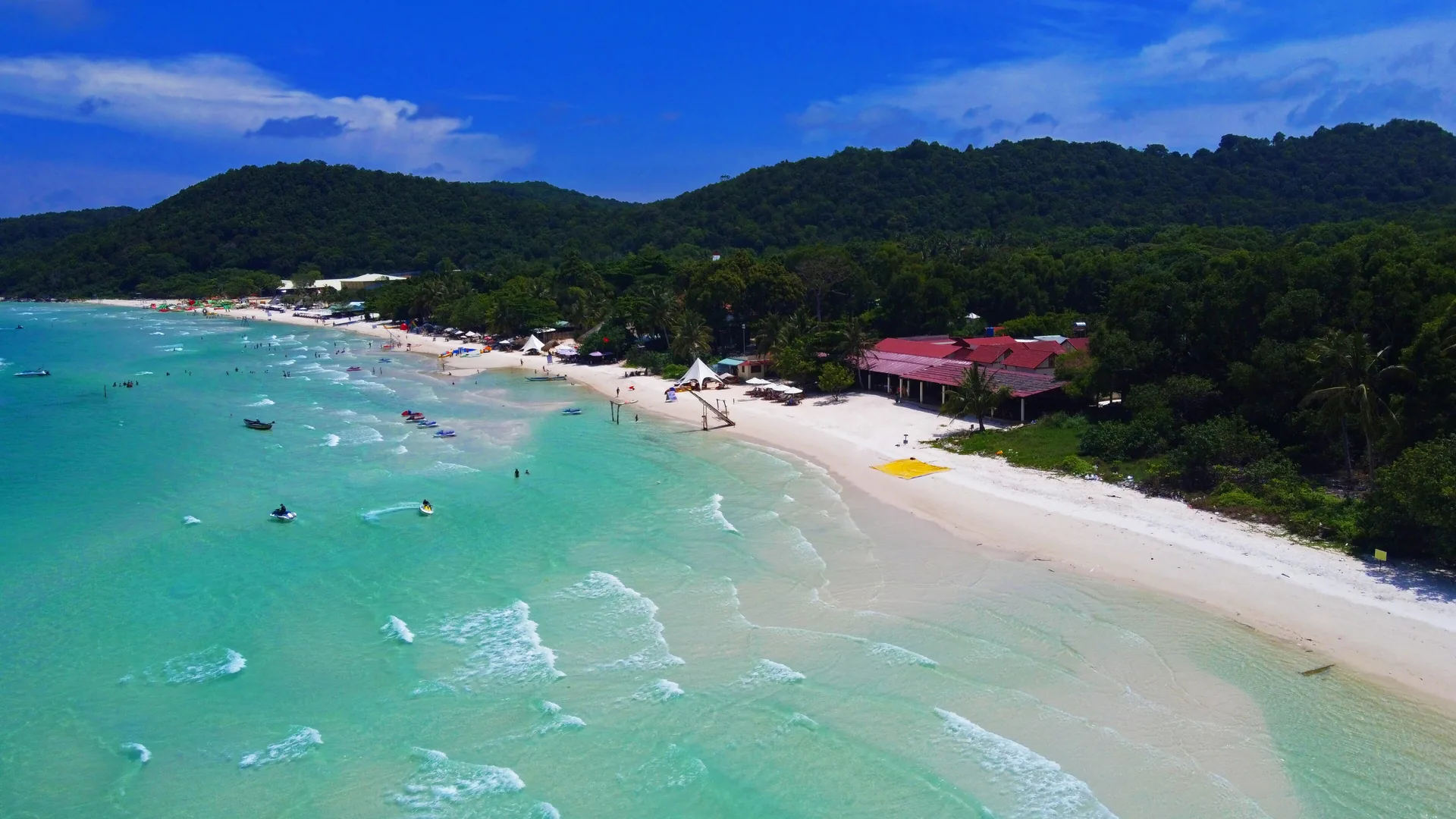
Phu Quoc shows up on every "best beaches in Vietnam" list, and fair enough - the sand is genuinely good, especially down on the southwest coast near Sao Beach. But if all you do on Phu Quoc is lie on a beach, you've basically done what you could have done on a dozen other Southeast Asian islands. The stuff that actually makes Phu Quoc distinct is inland and offshore, and a lot of visitors miss it entirely because their itinerary starts and ends at the resort pool.
It's an Island With an Economy Built on Pepper and Fish Sauce
Long before Phu Quoc became a beach destination, it was known within Vietnam for two things: black pepper and fish sauce (nuoc mam), and both industries are still very much alive and visitable. The pepper farms scattered around the island's interior grow some of the most sought-after pepper in the country, and several of them welcome visitors to walk through the vines, see how the peppercorns are dried, and buy it directly at a fraction of what you'd pay for "Phu Quoc pepper" back home, if you could even find it.
The fish sauce factories are a stranger but genuinely interesting stop - rows of enormous wooden barrels, some of them decades old, fermenting anchovies into the sauce that underpins most Vietnamese cooking. It smells exactly like you'd expect, and it's not for everyone, but understanding where nuoc mam actually comes from changes how you think about every bowl of pho and every dipping sauce for the rest of your trip.
Phu Quoc National Park
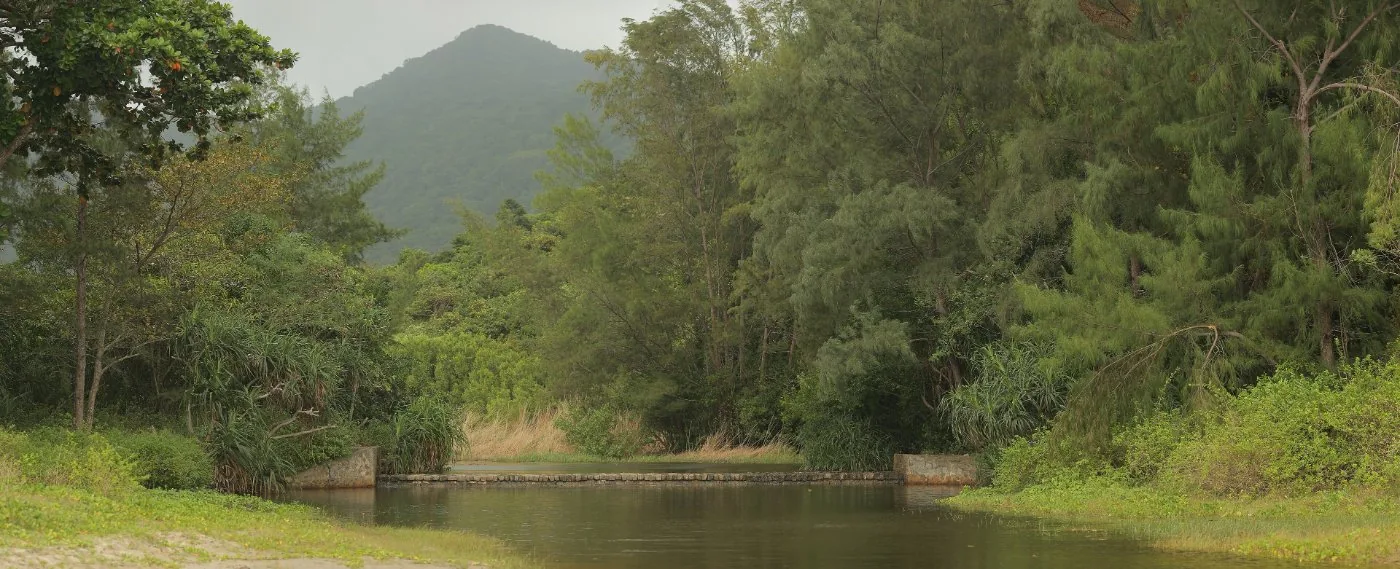
Roughly two-thirds of the island is protected forest, most of it covering the mountainous northern half, and it's a legitimate hiking destination that almost nobody staying at the southern resorts bothers to visit. Trails wind through dense tropical forest up to viewpoints over the coastline, and streams cut through the interior that are cool enough for a swim after a sweaty climb.
It's not a manicured park with clear signage everywhere, so going with a local guide or a small organized trek is the easier way to do it, especially since some of the better trails aren't obvious from the trailhead. Bau Sen Lake, a freshwater lake tucked into the forest, is a popular add-on for swimming without the salt.
The An Thoi Archipelago
South of the main island sits a scatter of smaller islands - An Thoi archipelago - and this is where the sunset boat trips go. Day tours typically combine a few stops: snorkeling over a coral patch (manage your expectations here, it's decent rather than spectacular), a beach stop on one of the smaller islands, and a sunset sail back with drinks on deck. It's touristy in the sense that you'll be on a boat with other people, but the scenery of small forested islands scattered across turquoise water is worth it regardless.
Booking a smaller boat rather than the largest tour operators tends to mean fewer stops crammed with fewer people, at a somewhat higher price - worth it if you can afford the difference.
Night Market and Dinh Cau
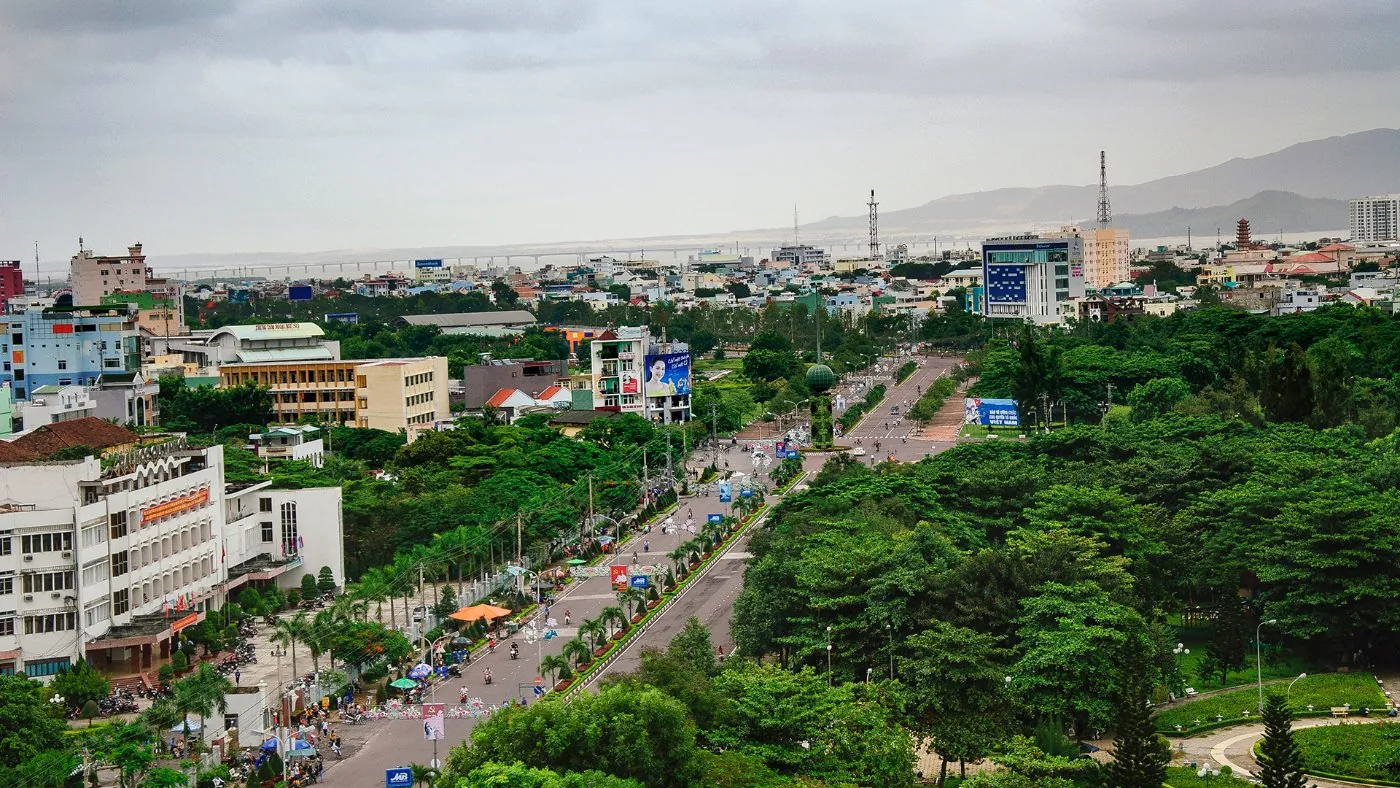
Phu Quoc's night market in Duong Dong town is a fairly standard Vietnamese beach-town night market - grilled seafood stalls, a lot of fresh oysters and scallops cooked to order, plus the usual souvenir stands - but it's a good, low-effort way to spend an evening and eat well without booking a restaurant. Prices are aimed at tourists, so a bit of friendly negotiation isn't out of place.
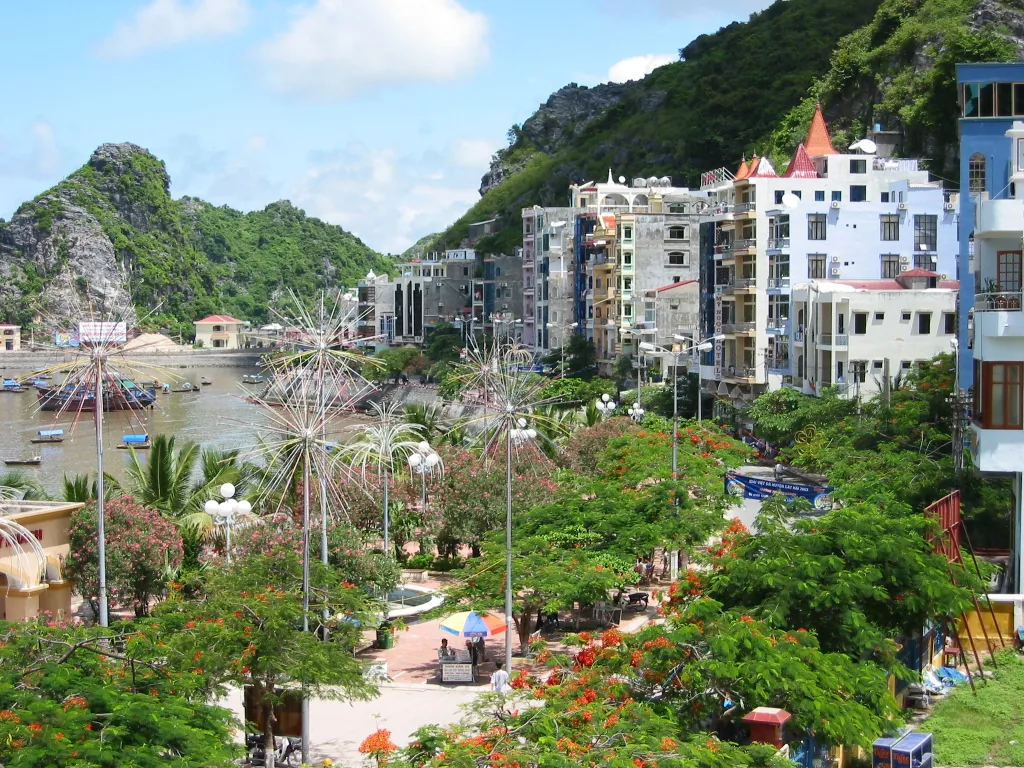
Dinh Cau, a small rock formation with a lighthouse-temple at the harbor mouth, is worth the five minutes it takes to walk out at sunset, mostly because it's right there in town and gives you a clean view over the water without needing to go anywhere.
When Not to Come
Phu Quoc has a proper wet season from roughly July through October, with heavy rain and rougher seas that can cancel the boat trips to the An Thoi islands entirely - which, given that the boat trip is one of the better things to do here, makes the dry season (November to May) a much safer bet if that's on your list. December through February brings the driest, clearest weather and is the busiest and most expensive stretch to visit.
Getting Around
The island is bigger than people expect - it takes close to an hour to drive from the northern resorts down to Duong Dong town - so a rented scooter or a car with driver makes a real difference if you're staying somewhere other than right in town. Grab operates on the island and is the easiest way to get around without renting anything yourself, though coverage thins out toward the northern and more remote parts of the island.
Phu Quoc International Airport has direct flights from several regional hubs as well as from Hanoi and Ho Chi Minh City, and a high-speed ferry runs from Ha Tien on the mainland if you'd rather arrive by boat.
Where to Base Yourself
Long Beach, running down the southwest coast, has the greatest concentration of resorts and is the default choice for a beach-first stay, with sunset views baked into the location since it faces west. Duong Dong town itself is more practical if you want walkable restaurants and the night market without a taxi every evening, at the cost of a less private stretch of sand. The far north of the island, near Ganh Dau, is quieter and less developed, better suited to people who specifically want to avoid the resort strip atmosphere rather than lean into it.
A Realistic Amount of Time
Three to four days covers the main things well: a day for the pepper farms and fish sauce factories combined with a national park walk, a day for the An Thoi boat trip, and a spare day to actually use the beach you came for. Cramming it into two days is possible but means picking between the inland side of the island and the boat trip, and most visitors regret skipping the latter more than the former.
Information notice: Prices, opening hours, and travel conditions can change. Content on EnViet is reviewed periodically but may not reflect the most current situation. Please verify important details with official or local sources before travelling or booking.
EnViet Editorial Team
The EnViet Editorial Team creates practical Vietnam travel and food guides using local knowledge, public sources, and manual editorial review. Content is reviewed before publication and updated periodically.