Vietnam's Best Beaches: A North-to-South Guide
Vietnam's coastline stretches over 3,400 km — from the Gulf of Tonkin in the north to the Gulf of Thailand in the far south, with the South China Sea defining the country's entire eastern edge. This length, combined with varying latitudes and ocean exposure, produces beaches of extraordinary diversity: powder-white tropical islands, dramatic rock-studded bays, sleepy fishing villages, and surf-ready shores backed by sand dunes.
The North: Rugged Beauty and Cool Seas
Northern Vietnam's beaches are best visited from May to September, when the monsoon eases and temperatures climb. The waters are cooler than the south, and the scenery tends toward dramatic headlands and misty islands rather than postcard-perfect turquoise.
Lan Ha Bay beaches — lesser-known than Ha Long but arguably more swim-friendly — offer white-sand coves reachable only by kayak or boat. Cat Ba Island has several beaches accessible by road, making it the most practical northern base for beach lovers.
Da Nang and the Central Coast
The central stretch from Da Nang to Hội An is Vietnam's beach heartland, with reliable sunshine from February through August.

My Khe Beach stretches 30km along Da Nang's eastern shore — wide, clean, and backed by seafood restaurants
My Khe Beach (Da Nang) runs for 30km and is the most accessible beach in Vietnam — lined with hotels, seafood restaurants, and lifeguards. American soldiers called it "China Beach" during the war; today it's a world-class surf spot.
An Bàng Beach (Hội An) sits just 4km from Hội An's Ancient Town. The vibe is relaxed — beachside cafés, fishing boats pulled up on the sand, and none of the high-rise development that's hit other spots.
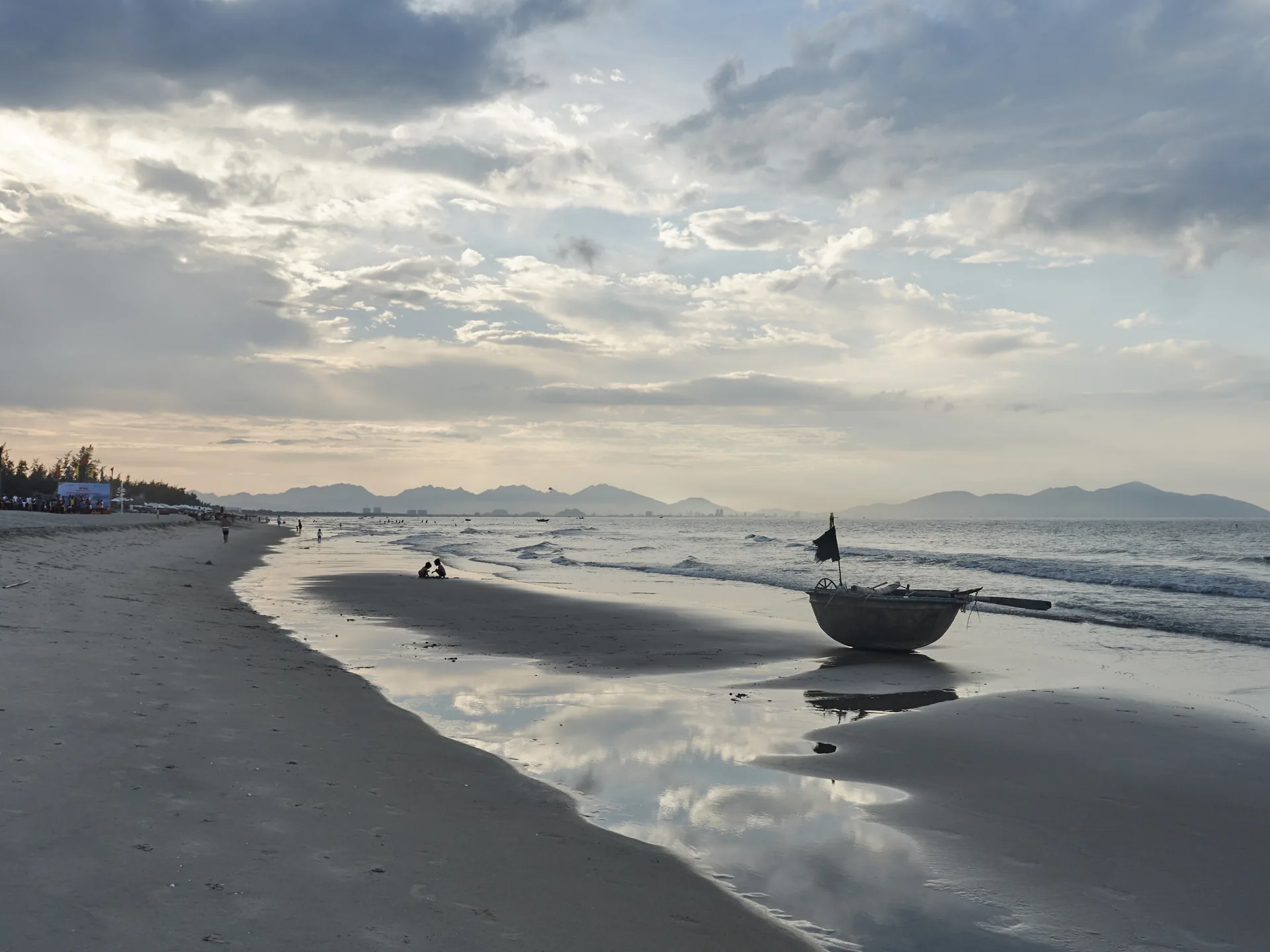
An Bang beach — a 5-minute taxi ride from Hội An's lantern-lit streets, with fishing boats outnumbering sunbeds
Lang Cô — between Đà Nẵng and Huế, separated from the road by a lagoon — is one of Vietnam's most scenic beaches. The lagoon turns golden at sunset, the Hải Vân Pass rises behind it, and the sand is quiet enough on weekdays to feel like a discovery.
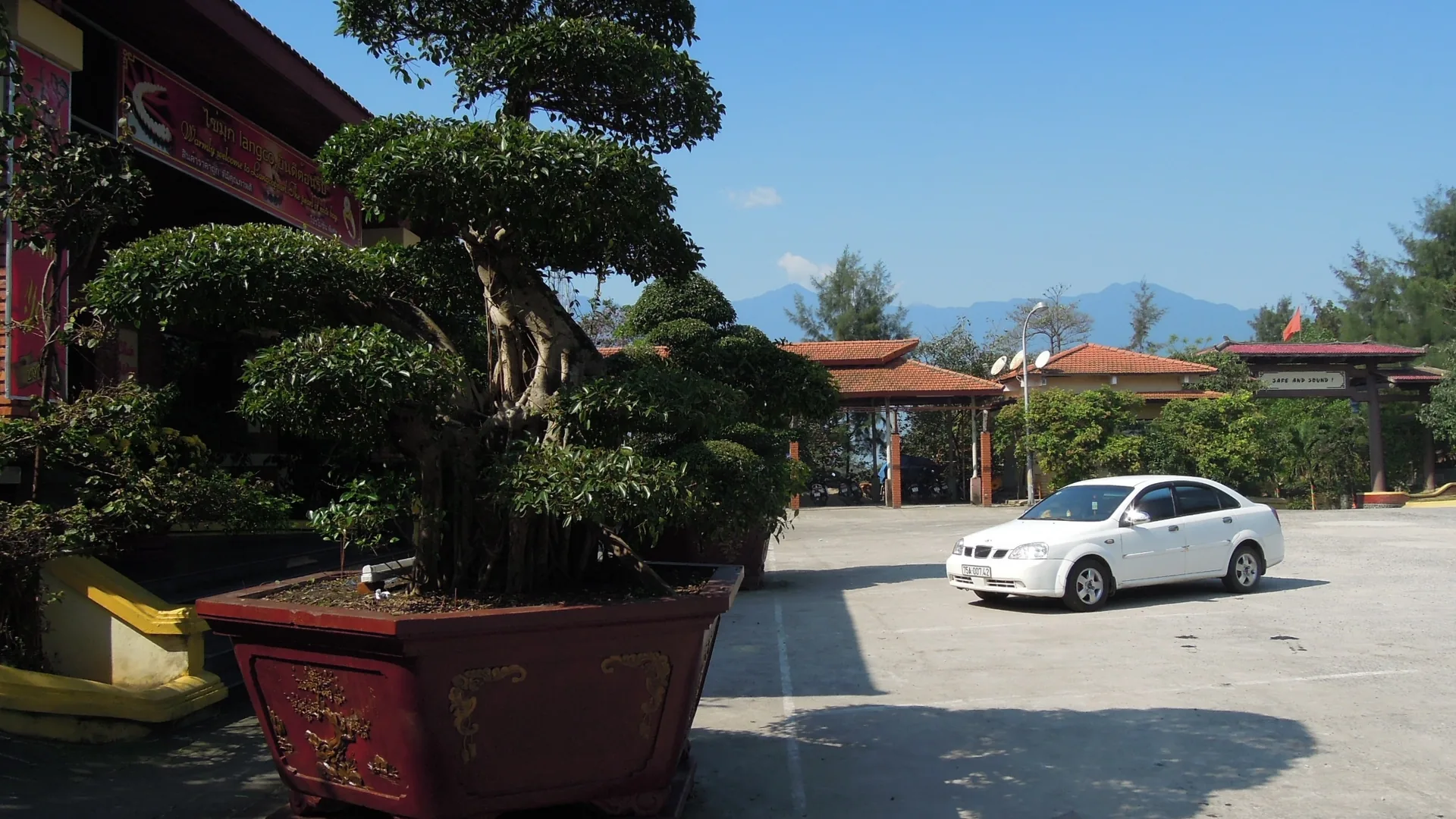
Lang Cô — a sandbar beach with ocean on one side and a glassy lagoon on the other, backed by cloud-draped mountains
South-Central: Nha Trang and Beyond
Nha Trang is Vietnam's most developed beach city — a resort strip with international hotels, island boat trips, and a famous night scene. The main beach fronts the city directly. For calmer water and less development, take a boat to Bãi Dài or Hòn Tằm island.

Nha Trang bay — a sweeping crescent of sand with over 70 islands visible from the shore
Quy Nhơn remains one of Vietnam's most underrated beach towns. The city beach is clean and calm; Kỳ Co beach and Eo Gió (Wind Pass), reachable by boat, have turquoise water and dramatic rock formations that look lifted from a screensaver.
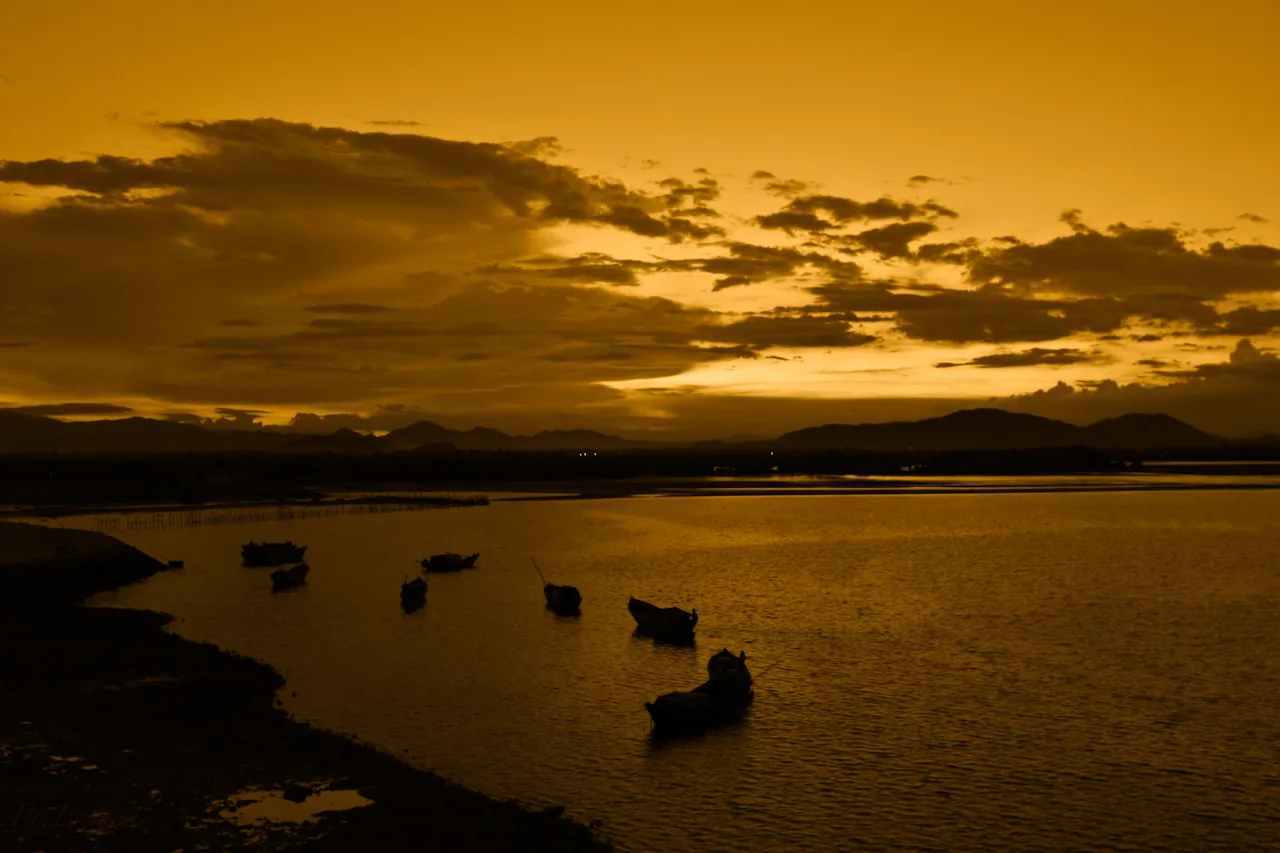
Quy Nhơn's city beach — long, uncrowded, and one of Vietnam's best-kept secrets
Mui Ne: Dunes and Kite Wind
Mũi Né, 5 hours from Ho Chi Minh City, sits in Vietnam's driest microclimate. The combination of consistent wind, shallow water, and wide beach has made it Southeast Asia's top kite-surfing destination. The red and white sand dunes behind the town are unique in Vietnam and worth the early sunrise hike.
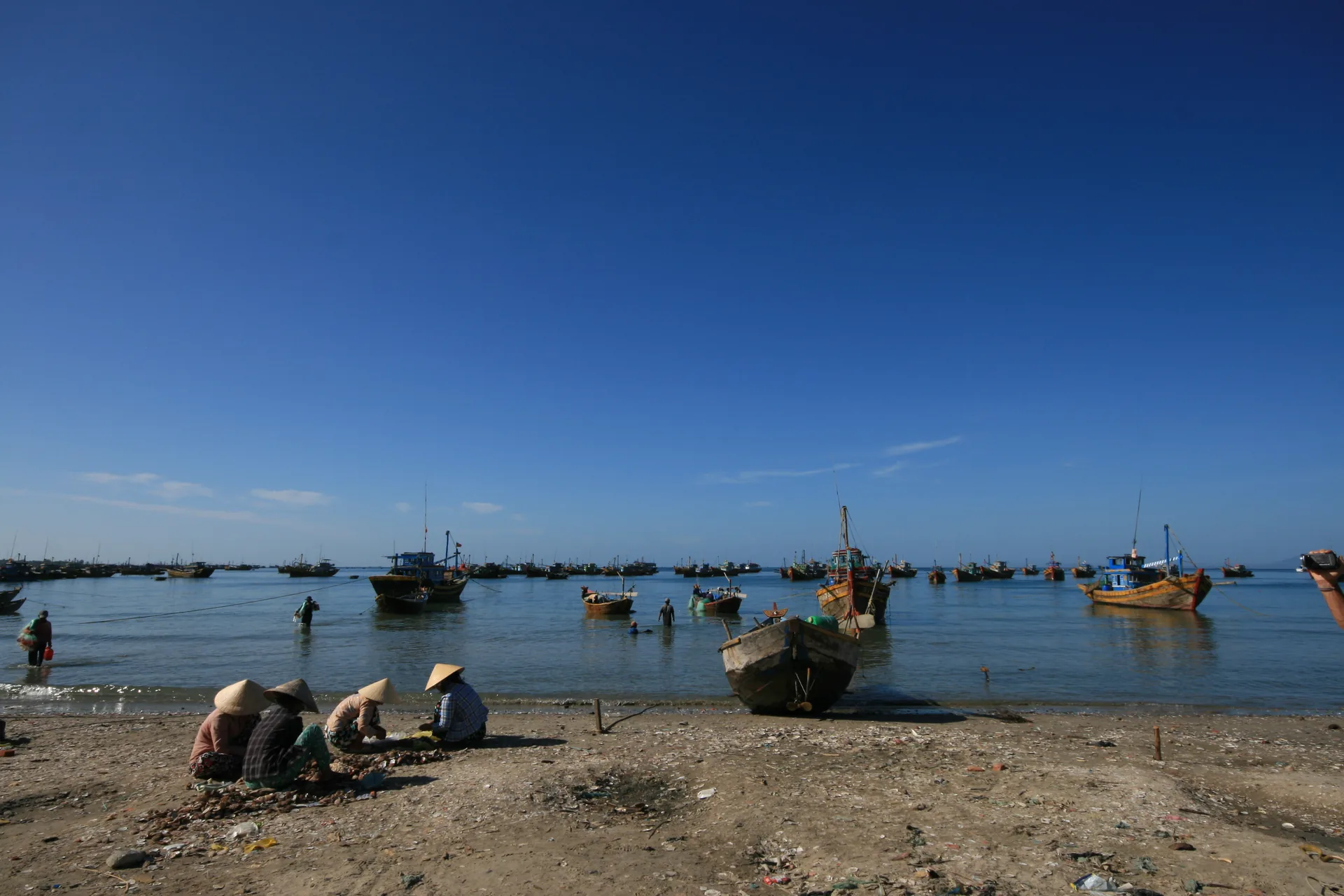
Mũi Né's fishing harbor — one of Vietnam's most photogenic, with hundreds of round basket boats bobbing at anchor
Phú Quốc: Vietnam's Island Jewel
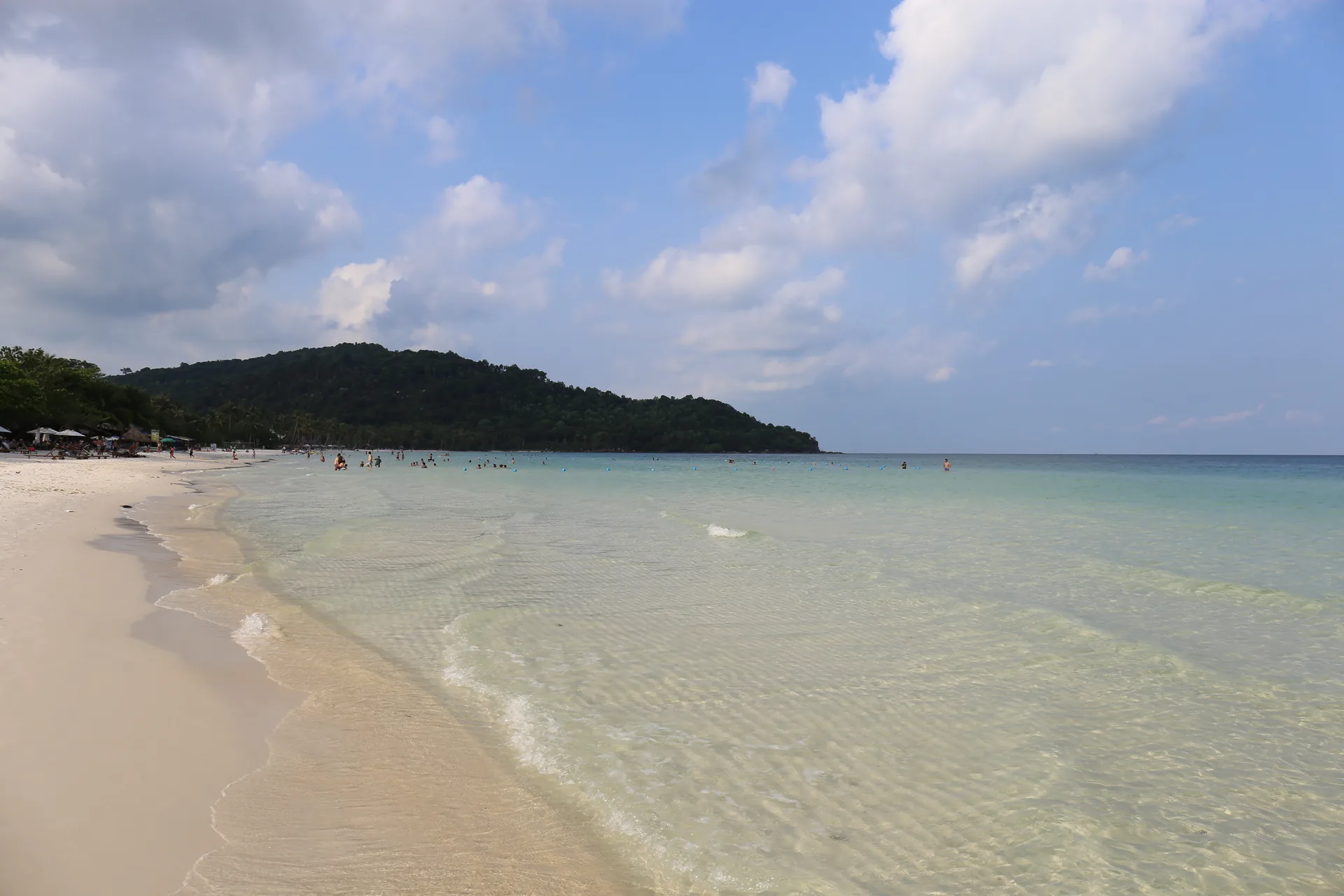
Phú Quốc is Vietnam's largest island and most visited beach destination. Bãi Sao (Star Beach) in the south is consistently ranked one of Southeast Asia's best — fine white sand, clear water, and far fewer visitors than the tourist strip at the north end.
Beyond Bãi Sao, the island has 150+ beaches and coves — most reachable only by motorbike or boat. The south coast and An Thới archipelago have waters clear enough for snorkeling without a mask.
Côn Đảo: Remote and Pristine
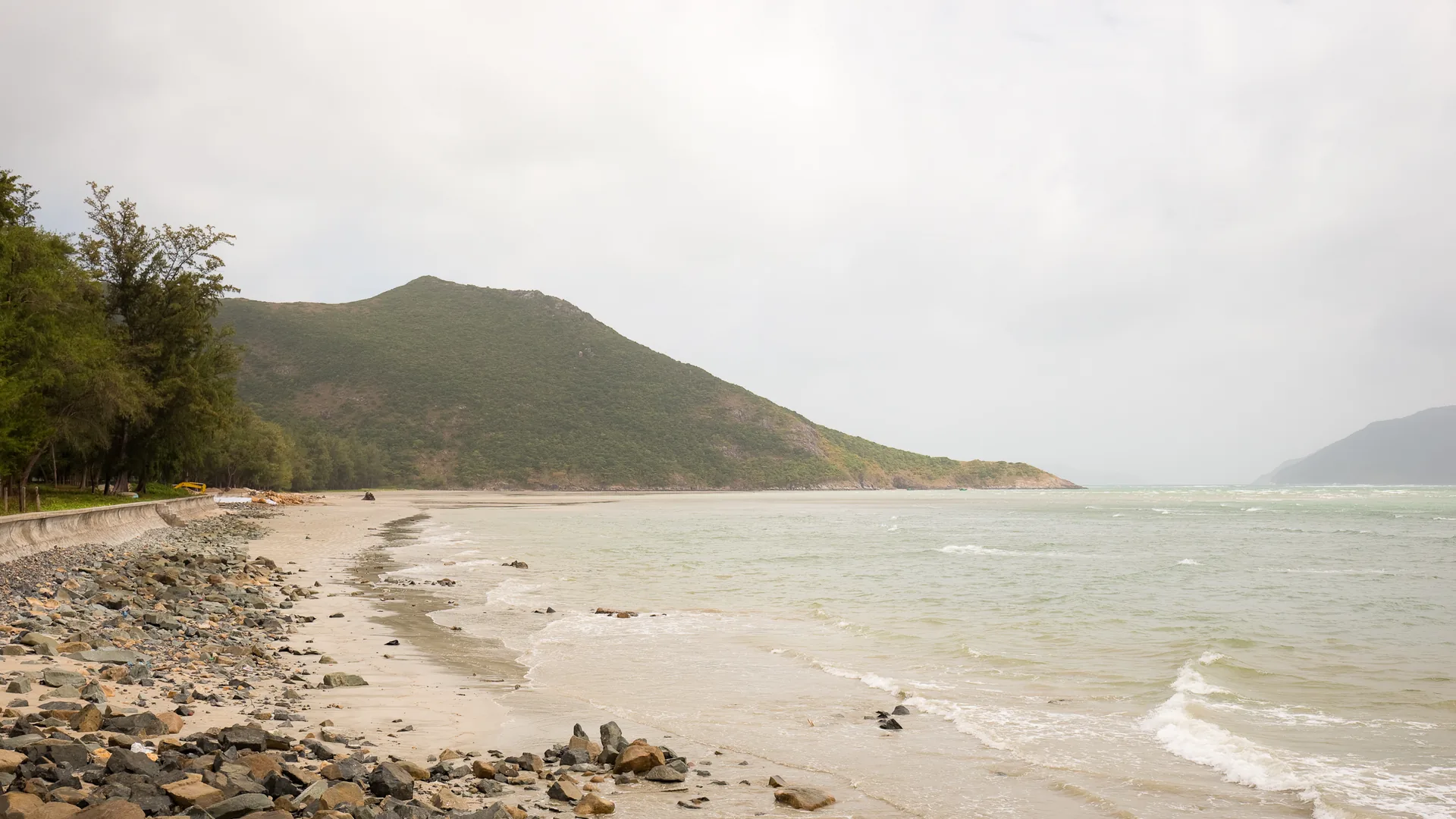
Côn Đảo archipelago, 185km offshore from Vũng Tàu, is Vietnam's most remote beach destination — a former French penal colony now known for pristine sea turtle nesting beaches and some of the country's best diving.

Côn Đảo — Vietnam's most untouched island group, where sea turtles still outnumber tourists on several beaches
Bãi An Hải and Bãi Đầm Trầu are Côn Đảo's most beautiful beaches — both within the national park. The surrounding reefs have visibility up to 20 metres on calm days.
Best Time to Visit: Match Beach to Season
Vietnam's length means beach seasons vary dramatically by region:
| Region | Best months | Avoid |
|---|---|---|
| North (Hạ Long, Cat Bà) | May–Sep | Oct–Mar (cold, wet) |
| Central (Đà Nẵng, Hội An) | Feb–Aug | Sep–Jan (typhoon season) |
| South-Central (Nha Trang, Quy Nhơn) | Jan–Aug | Sep–Nov |
| South (Mũi Né, Phú Quốc) | Nov–Apr | May–Oct (monsoon) |
The good news: somewhere in Vietnam always has good beach weather. Plan the region around the month, not the other way around.
Practical Beach Tips
Getting to most Vietnamese beaches is easy — overnight trains or cheap flights connect major beach towns to Hanoi and Ho Chi Minh City. Renting a motorbike on arrival is the best way to explore coves beyond the main beach. Sunscreen is expensive locally; bring your own. And for any beach with fishing boats, sunrise (around 5:30–6am) is when the action happens — worth the early alarm.
Information notice: Prices, opening hours, and travel conditions can change. Content on EnViet is reviewed periodically but may not reflect the most current situation. Please verify important details with official or local sources before travelling or booking.
EnViet Editorial Team
The EnViet Editorial Team creates practical Vietnam travel and food guides using local knowledge, public sources, and manual editorial review. Content is reviewed before publication and updated periodically.