
Motorbike Travel in Vietnam: The Complete Guide
Riding a motorbike through Vietnam is one of travel's great experiences — the freedom to stop at a roadside stall, divert onto a dirt track through rice paddies, or wake up in a highland village that doesn't appear on any tourist map.

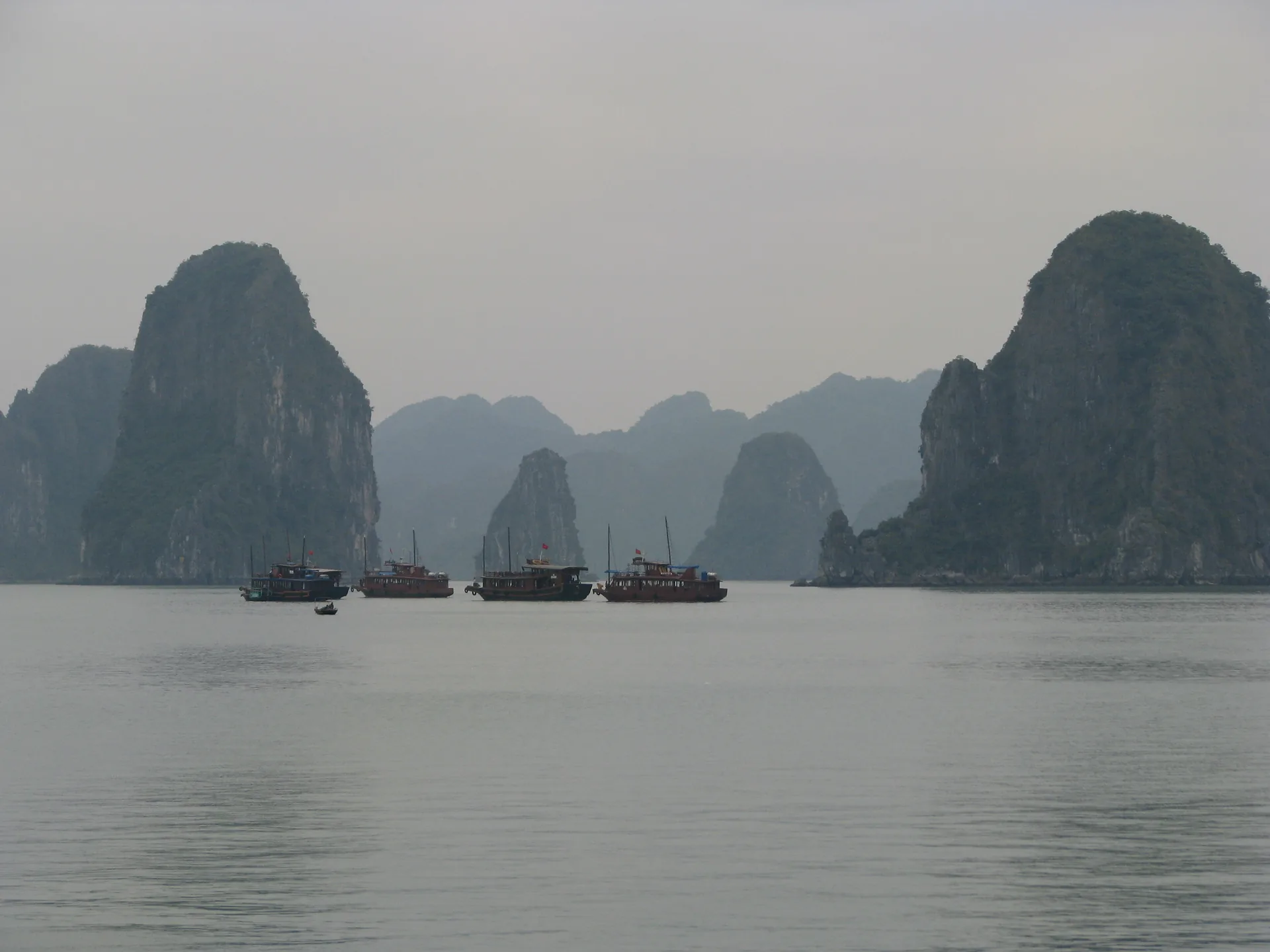
Vietnam's dramatic highland landscape — the terrain that makes motorbike travel so rewarding
Is Motorbike Travel Right for You?
Motorbike travel requires honest self-assessment. You should be comfortable riding before you arrive. Vietnam's city traffic is dense; rural roads are manageable. You're ready if you have ridden a semi-automatic in traffic before. Learn first if your only experience is a resort scooter.
Choosing a Motorbike
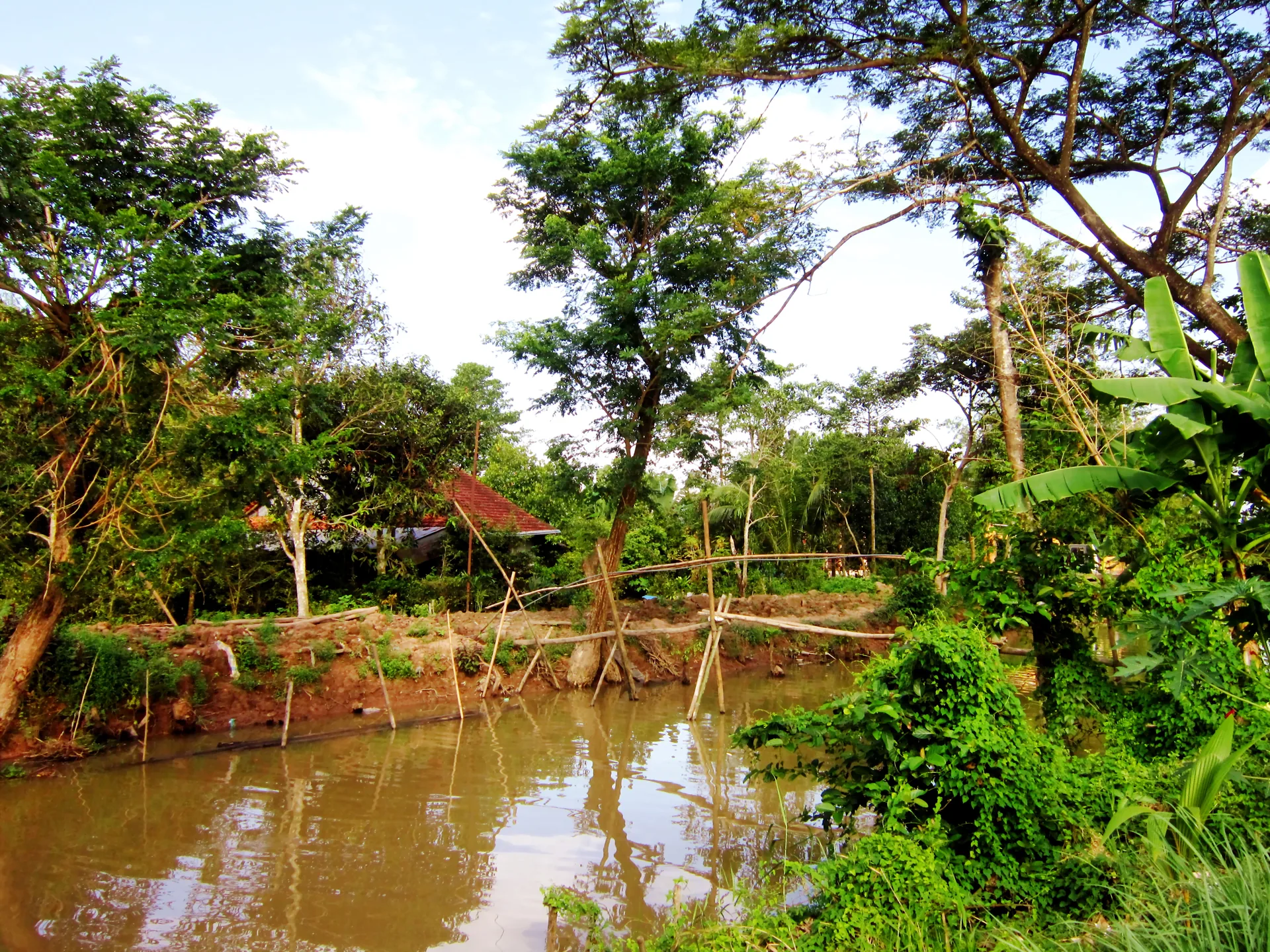
The highlands plateau of central Vietnam — the terrain that rewards a reliable 110cc semi-automatic
Semi-automatic (Honda Wave, Honda Blade): 110cc, the most common bike in Vietnam. Every mechanic knows them, parts are everywhere. Ideal for most routes. Recommended budget: $200–400.
Manual (Honda Win, Royal Enfield): Better for serious mountain passes. The Honda Win is the classic "Easy Rider" bike — cheap and repairable. Budget $300–600.
The Classic Routes

Bien Ho crater lake near Pleiku — a highland reward on the Central Highlands motorbike loop
Ha Giang Loop (4–6 days): Vietnam's most spectacular motorbike route — the Ma Pi Leng Pass and Dong Van Karst Plateau near the Chinese border. 350 km of mountain roads. Best September–November and March–May.
North-South Route (15–25 days): Highway 1 or the Ho Chi Minh Highway, with detours to Hue, Da Nang, Hoi An, Quy Nhon, and the Central Highlands.
Central Highlands Loop (5–7 days): Da Lat → Buon Ma Thuot → Pleiku → Kon Tum → Quy Nhon. Coffee country and highland minority villages.
Safety
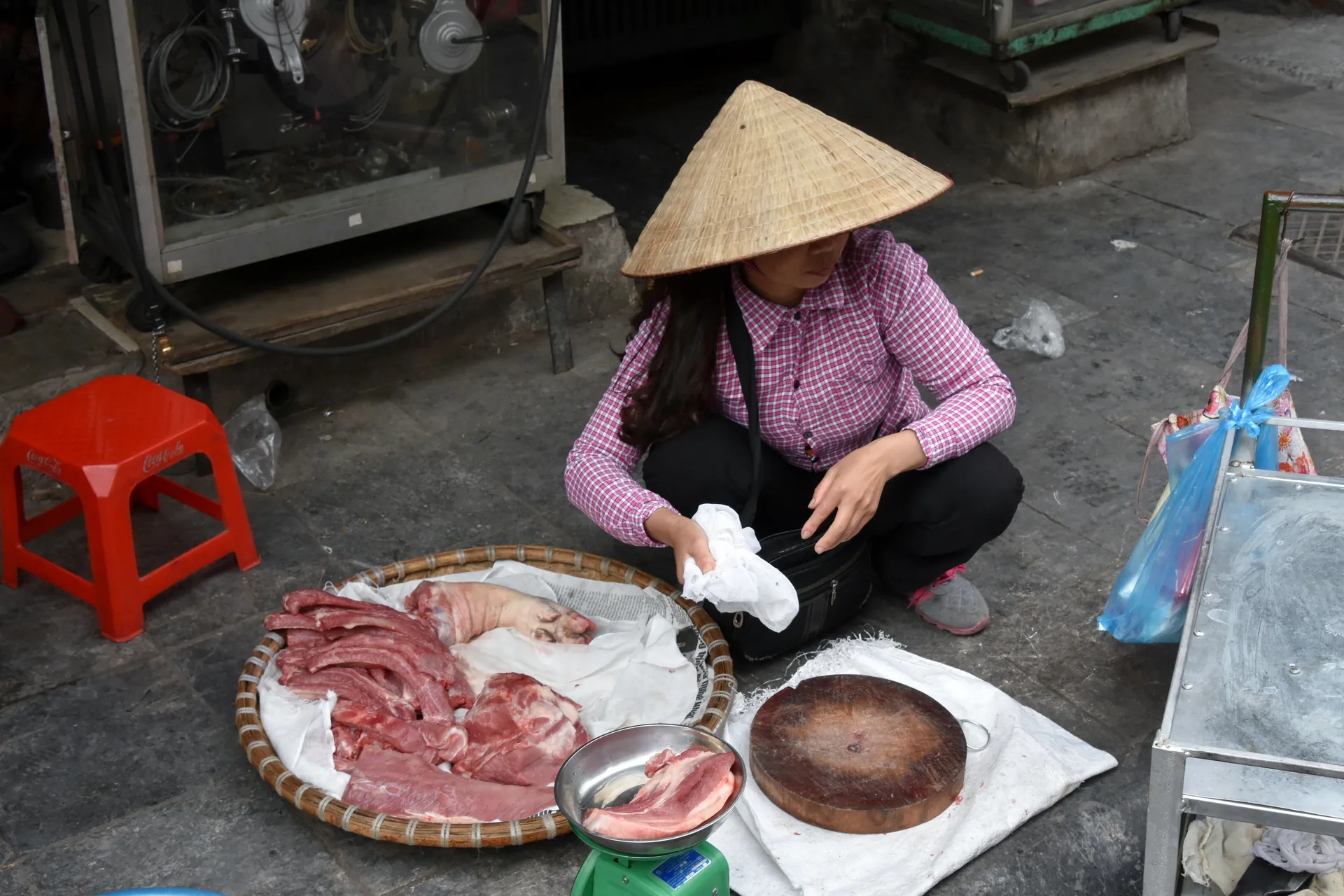
A roadside market stop — the best motorbike experiences happen when you slow down and look around
Helmet: Buy a certified helmet (QCVN 2-2008 standard). Full-face is safer. Night riding: Avoid after dark in rural areas. Rain gear: Essential — Vietnam's rain is sudden and heavy. Insurance: Check your travel policy — many exclude motorbike accidents.
Buying vs. Renting
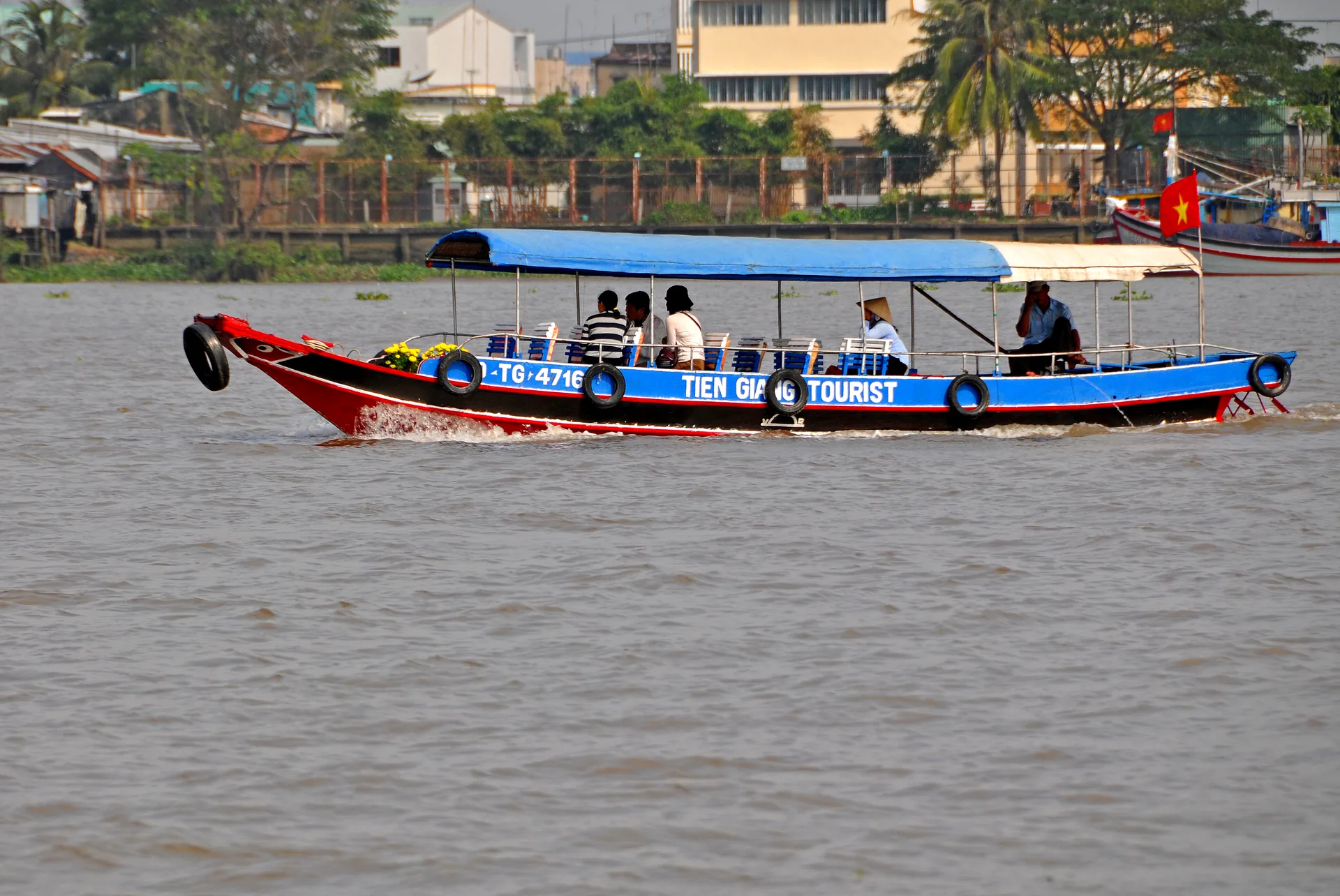
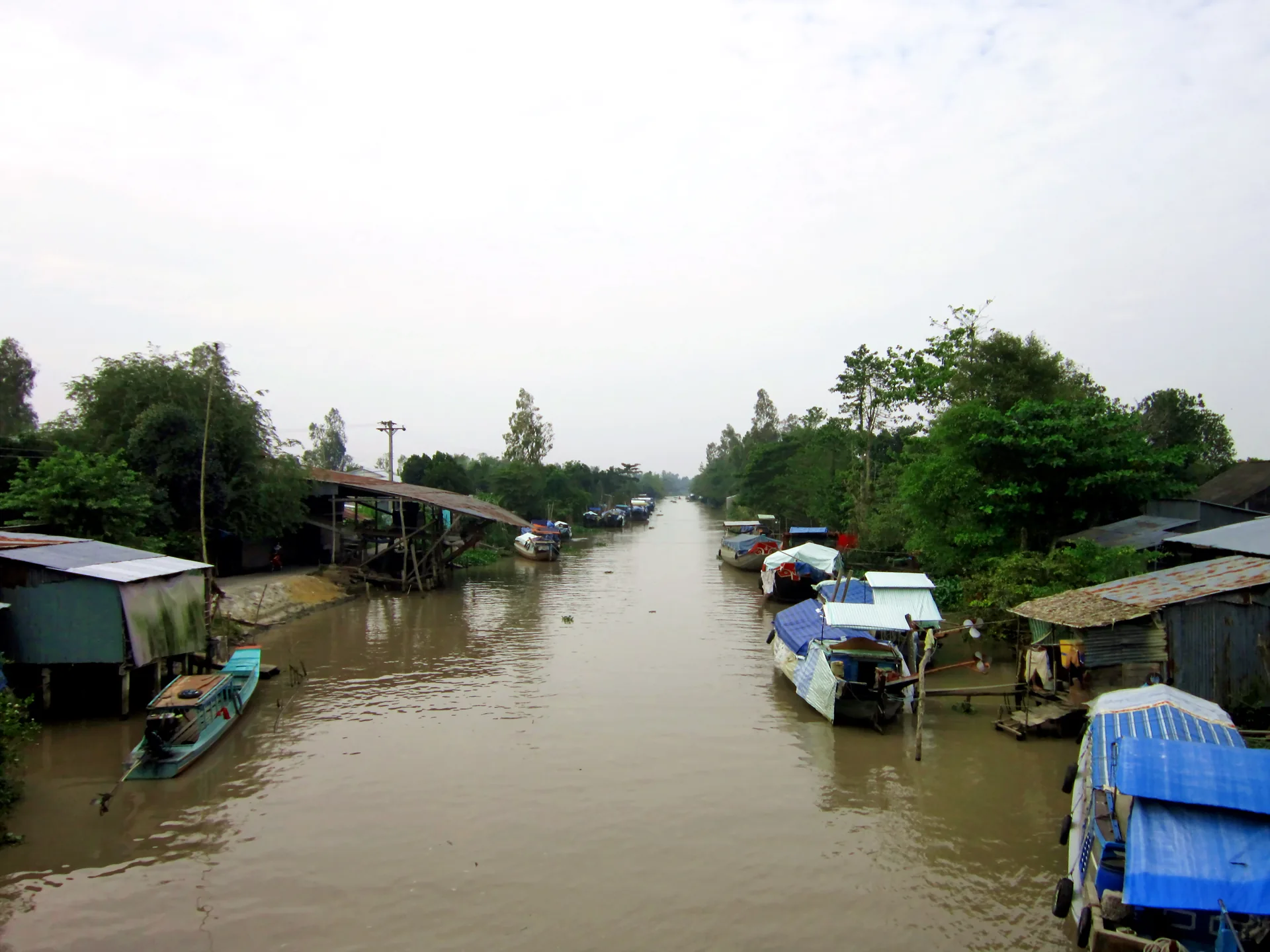
River ferry crossing in the Delta — bikes load easily and crossings are part of the southern motorbike experience
Buy for a north-to-south trip: Hanoi for southbound; HCMC for northbound. Facebook groups are the best marketplace. Budget $250–500 for a reliable Wave. Resell at the other end.
Rent for a regional loop: $8–15/day from reputable rental shops.
Mechanical Basics
The Reunification Express — always a backup when mountain roads close or weather turns severe
Check oil before each day's ride. Know how to identify a flat tyre. Roadside repair shops appear every few kilometers even in remote areas.
Essential apps: Maps.me (offline maps) and Vietnam Coracle blog (the definitive English-language motorbike route resource).
Licensing: The Part Most Travellers Get Wrong
This is genuinely one of the most misunderstood aspects of motorbiking in Vietnam. A standard International Driving Permit (IDP) issued under the 1949 Geneva Convention — the version most Western countries issue — is not officially recognized for motorbikes over 50cc in Vietnam, because Vietnam is a signatory to the 1968 Vienna Convention, not the 1949 Geneva one. In practice, this means that renting and riding a 100–150cc motorbike (the size most travellers use) without a Vietnamese motorbike license or a recognized permit puts you in a legal grey area: many riders do it anyway and never have an issue, but if you're stopped by traffic police or, more seriously, involved in an accident, your travel insurance can refuse to pay out on the grounds that you weren't legally licensed to operate the vehicle. Travellers from countries that are Vienna Convention signatories can obtain a valid Vietnamese-recognized IDP before their trip; everyone else is technically supposed to get a Vietnamese driving license, which is a real bureaucratic process most short-term visitors skip. Weigh this risk deliberately rather than assuming a standard IDP has you covered, particularly given how much this specific point gets glossed over in casual travel advice.
Insurance Reality Check
Because of the licensing grey area above, insurance is worth thinking through carefully rather than assuming a standard travel policy has you covered. Many general travel insurance policies exclude motorbike accidents outright, or specifically exclude claims where the rider lacked a valid, recognized license — which loops directly back to the IDP issue. Some insurers offer specific motorbike or scooter riding add-ons; it's worth calling your insurer directly and asking exactly what's covered rather than relying on a policy summary, since this is an area where the fine print genuinely matters and claims disputes over exactly this issue aren't rare.
Frequently Asked Questions
Do I need a motorbike license to ride in Vietnam as a tourist?
Officially, yes for anything over 50cc, and the international permit most travellers already carry (the 1949 Geneva version) isn't recognized for this purpose — see the licensing section above for the full explanation. Enforcement varies significantly, and many tourists ride without issue, but this is a real legal and insurance risk, not just a technicality.
Is it safe for a complete beginner to learn to ride a motorbike in Vietnam?
Vietnam's traffic — dense, fast-moving, and organized around different norms than many Western countries — is a genuinely challenging environment to learn in, and it's not the ideal place for a first-ever motorbike experience. If you're determined to try, start in a quiet rural area or a guided beginner lesson rather than jumping straight into city traffic in Hanoi or Ho Chi Minh City.
Should I rent or buy a motorbike for a longer trip?
For trips of a few weeks or less, renting is simpler and avoids the hassle of reselling before you leave. For trips of a month or more, buying (typically a used bike from a shop or outgoing traveller, then reselling at the end) can work out cheaper, though it requires more legwork around paperwork and finding a buyer at the end.
What should I do if I'm in an accident?
Prioritize safety and medical attention first — contact emergency services or ask nearby people for help getting to a hospital if needed. Photograph the scene and any damage before things get moved, exchange information with the other party if involved, and contact your insurer as soon as possible, being upfront about the circumstances since insurers can and do investigate claims.
Information notice: Prices, opening hours, and travel conditions can change. Content on EnViet is reviewed periodically but may not reflect the most current situation. Please verify important details with official or local sources before travelling or booking.
EnViet Editorial Team
The EnViet Editorial Team creates practical Vietnam travel and food guides using local knowledge, public sources, and manual editorial review. Content is reviewed before publication and updated periodically.