Vietnam Street Food: What to Order, Where to Find It, and How to Eat Like a Local
Vietnam's street food culture is one of the most sophisticated in the world — not in terms of luxury, but in terms of depth, regionality, and the way an entire civilization's history and trade routes are legible in a bowl of noodles. Eating on the street in Vietnam is not a budget compromise. It is the correct way to eat in Vietnam, preferred by locals and now sought out by travelers who understand that the best food is on the plastic stool, not in the restaurant.
This guide covers the essential dishes, regional differences, practical ordering tips, and how to find the best stalls wherever you are.
Why Vietnamese Street Food Is Different
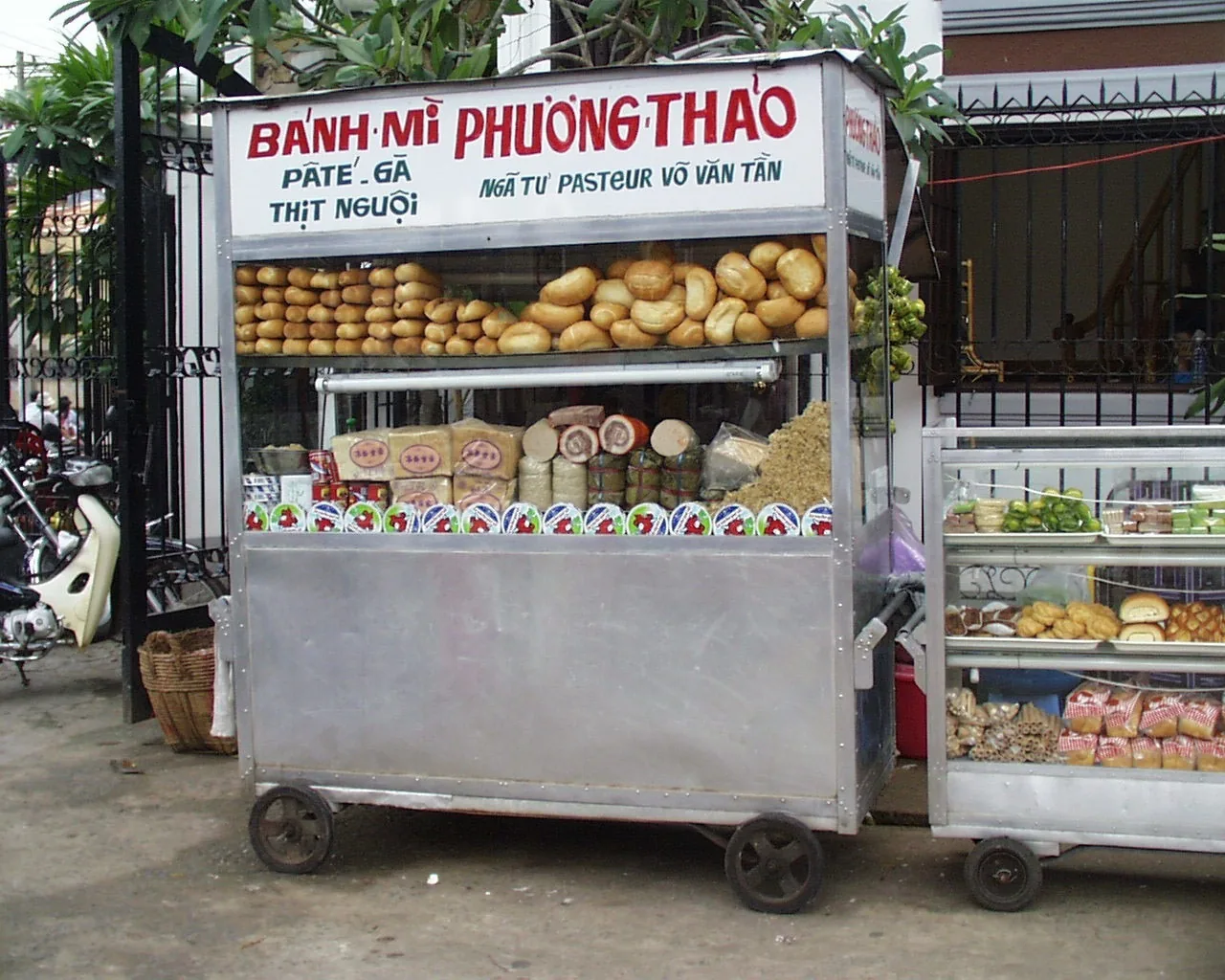
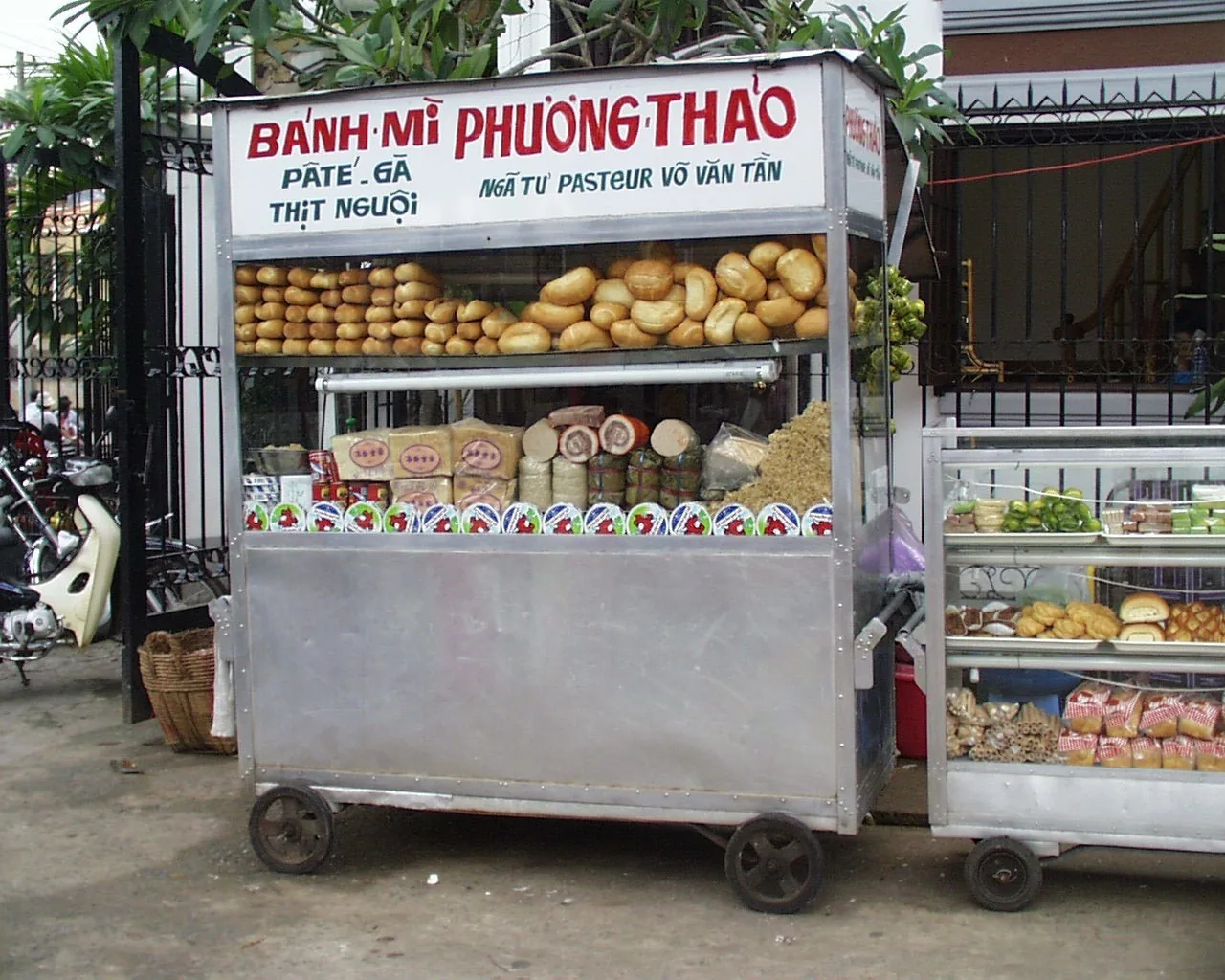
Bánh mì — the Vietnamese baguette sandwich; the best versions combine pâté, cold cuts, pickled daikon and carrot, fresh coriander, and a smear of chilli
Most countries have street food. Vietnam has a street food culture — a system of specialization, timing, and neighborhood knowledge that governs what you eat, when, and where. Key features:
Dish specialization: Many stalls sell one dish, perfected over decades. The phở stall doesn't do bún chả. The bánh cuốn cart doesn't do bánh mì. This isn't limitation — it's mastery.
Time specificity: Most iconic dishes have their correct hours. Phở is a morning dish; most Hanoi stalls close by 11am. Bún chả is lunch-only. Chè (sweet soups) are evening. Arriving at the wrong time means disappointment.
Regional distinctiveness: Vietnam's street food is not homogeneous. The phở in Hanoi and the phở in Ho Chi Minh City are meaningfully different dishes. Hue has a completely separate canon. What you eat in one city may not exist in another.
The Essential Dishes by Region
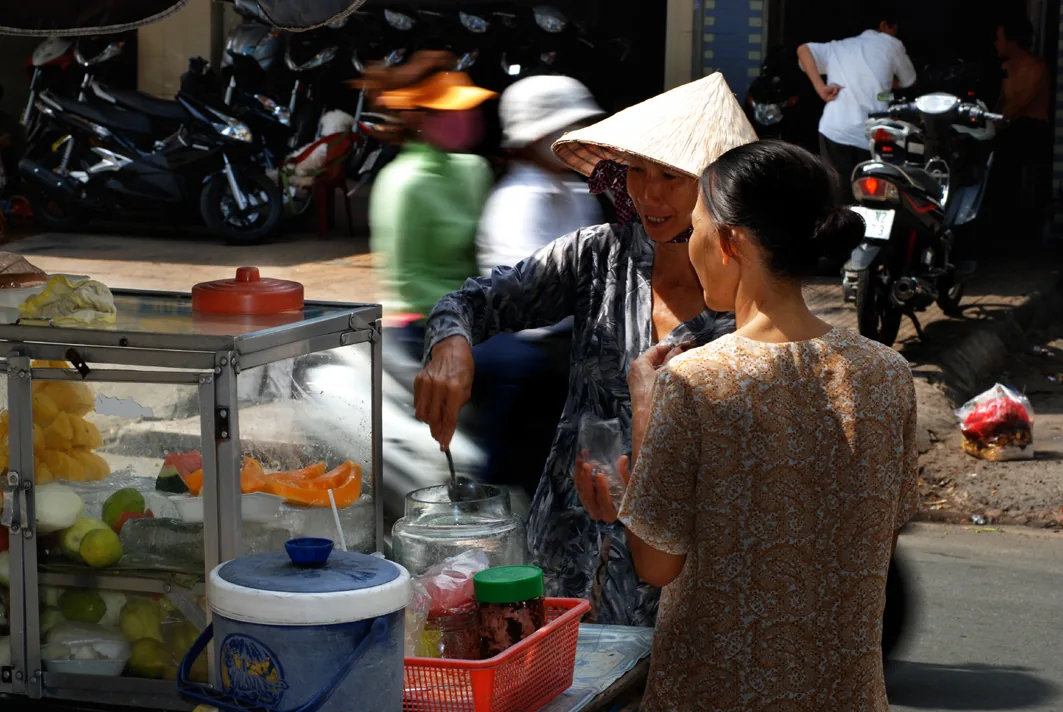
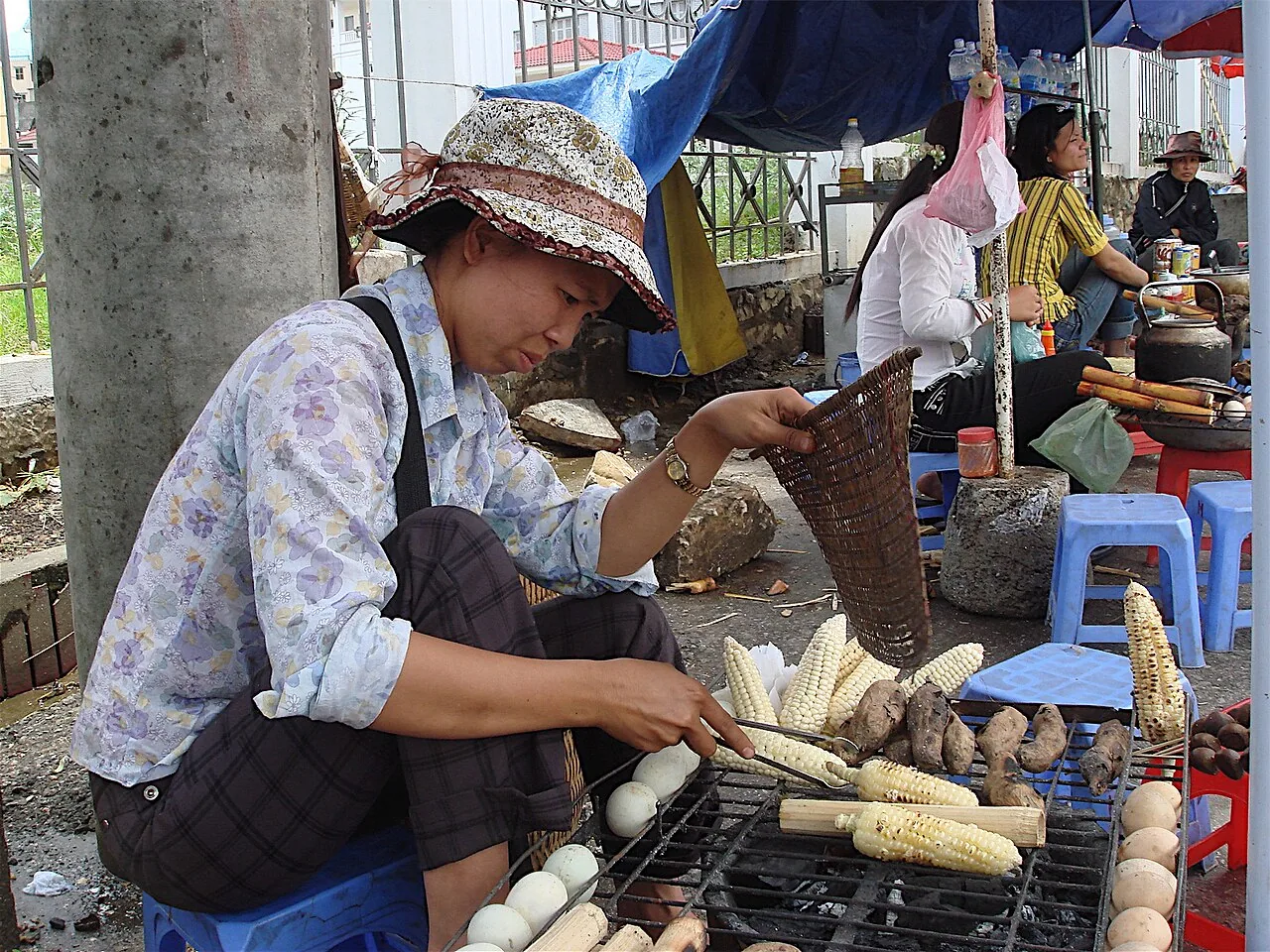
A street food vendor at work — most dishes are cooked to order; the rule of thumb is to eat where locals eat and where the pot is always moving
North Vietnam (Hanoi)
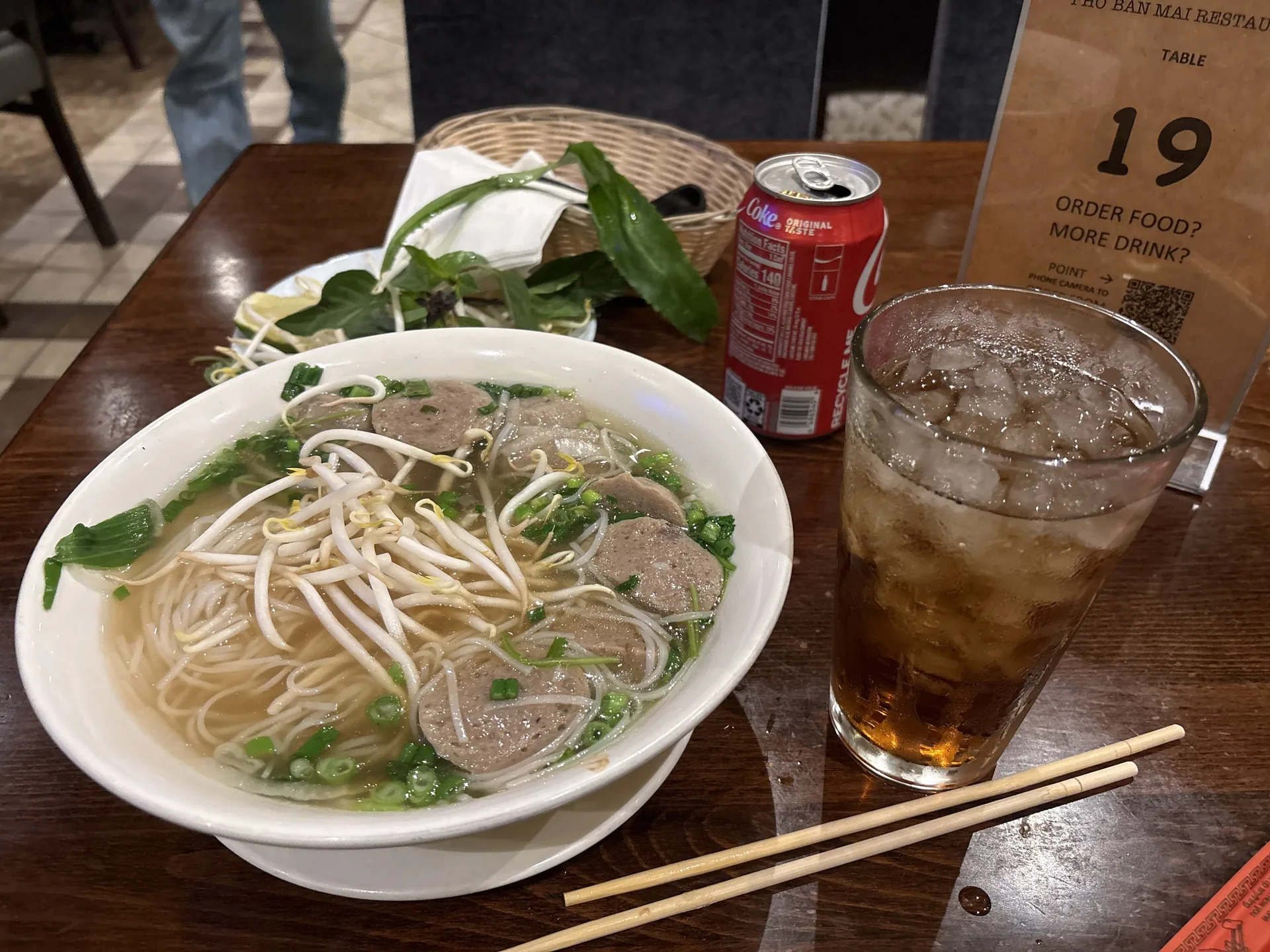
Phở Bò (Beef Noodle Soup)
Vietnam's most famous dish — and best in its city of origin. Northern phở uses a clear, long-simmered bone broth seasoned with charred ginger and star anise, served with flat rice noodles and sliced beef. No bean sprouts, no hoisin, no lime — those are southern additions. The broth is the thing.
Where to eat: Phở Bát Đàn, 49 Bat Dan Street. Queue expected. Morning only.
Bún Chả
Grilled fatty pork patties and sliced pork belly served in a bowl of sweet-sour dipping broth, alongside a plate of rice vermicelli and fresh herbs. A Hanoi original; lunch-only. The dish Anthony Bourdain made internationally famous.
Where to eat: Bún Chả Đắc Kim, 1 Hang Manh, Old Quarter.
Bánh Cuốn
Silky steamed rice-paper rolls filled with minced pork and wood-ear mushroom, topped with fried shallots and served with a clear fish sauce. The delicacy of the wrapper — tissue-thin, translucent — is the marker of quality.
Where to eat: Bánh Cuốn Thanh Vân, 14 Hang Ga. A Hanoi institution since the 1950s.
Xôi (Sticky Rice)
Glutinous rice steamed and topped with savory or sweet additions — fried shallots and mung bean (xôi xéo), Chinese sausage, or gac fruit. A northern Vietnamese breakfast staple.
Where to eat: Xôi Yến, 35 Nguyen Huu Huan. Open from 6am; arrives early.
Cà Phê Trứng (Egg Coffee)
Robusta espresso topped with a thick warm custard of egg yolk, sugar, and condensed milk. A Hanoi invention from the 1940s — simultaneously coffee and dessert.
Where to eat: Café Giang, 39 Nguyen Huu Huan — the original since 1946.
Central Vietnam (Hue, Da Nang, Hoi An)
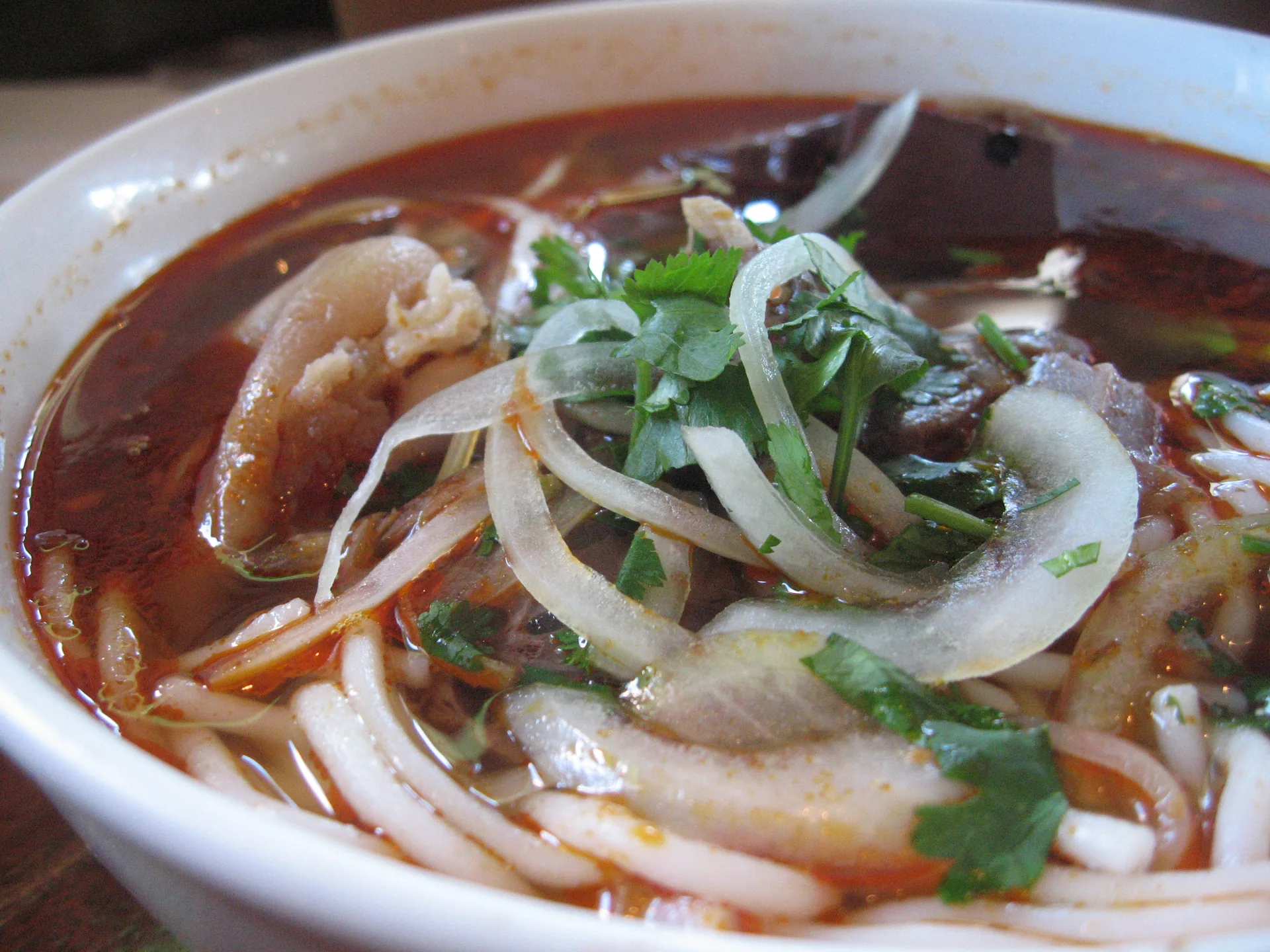
Bún bò Huế — beef and pork noodle soup from the old imperial capital; richer and spicier than phở with a lemongrass-forward broth
Bún Bò Huế
Hue's great contribution to Vietnamese cuisine — a spicy, opaque noodle soup built on lemongrass, shrimp paste, and beef and pork bones, with thick round noodles. More complex and considerably spicier than phở. Best eaten before 11am when the broth runs out.
Bánh Mì Hội An
The Hoi An version of the Vietnamese baguette sandwich is widely considered the finest in the country — a crispier, lighter baguette filled with house-made pâté, rotisserie pork, pickled vegetables, and a specific chili sauce. Bánh Mì Phượng and Bánh Mì Madam Khánh are the landmark addresses.
Cao Lầu
A dish found only in Hoi An — thick rice noodles (made with water from a specific ancient well, according to tradition) with pork, bean sprouts, and crispy rice crackers, served with a small amount of broth on the side. Deeply local.
Bánh Khoái
Hue's smaller, crispier version of the sizzling crepe — served with a rich peanut-fermented soybean dipping sauce rather than the standard fish sauce. The sauce is the defining element.
Bánh Bèo
Steamed rice-flour cups topped with dried shrimp, crispy pork crackling, and spring onion oil. Eaten in sets of 8–12. One of Hue's most distinctive dishes.
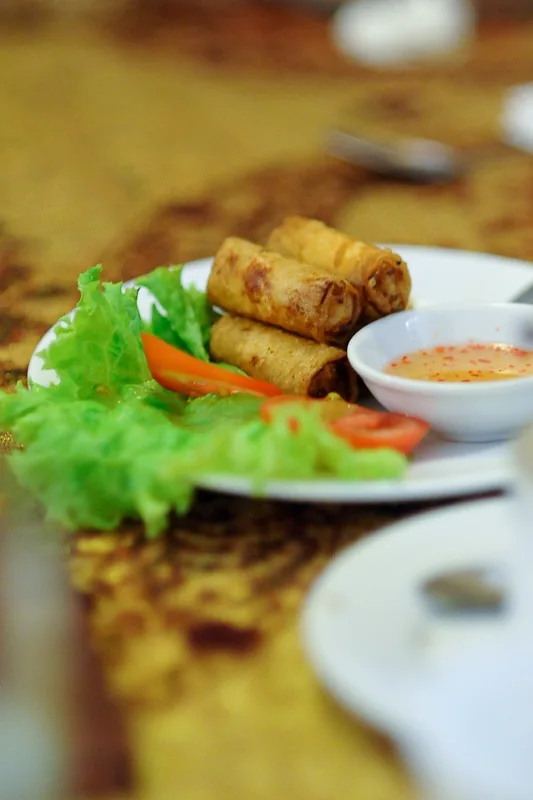
Nem rán (northern fried spring rolls) — stuffed with pork, mushroom, and glass noodles; the southern version (chả giò) tends to be lighter and crispier
South Vietnam (Ho Chi Minh City, Mekong Delta)
Bánh Mì Sài Gòn
The southern version — generously loaded, with pâté, cold cuts, fried egg, pickled vegetables, cucumber, coriander, and a sweet-spicy chili sauce. Bánh Mì Huynh Hoa (26 Le Thi Rieng) is the city's most celebrated address; perpetual queue, extraordinary result.
Cơm Tấm (Broken Rice)
Saigon's everyday meal — broken rice (the small grains left over from milling) with grilled pork chop, steamed pork and egg cake, fried egg, and fish sauce. Found on every street, eaten morning through night.
Hủ Tiếu
Southern Vietnam's own noodle soup — cleaner broth than phở, with translucent rice noodles, minced pork, prawn, liver, and quail egg. Available wet (with broth) or dry (khô, with broth on the side). A Saigon breakfast staple.
Bánh Xèo (Sizzling Crepe)
A large, crispy turmeric-yellow rice crepe filled with shrimp, pork, and bean sprouts, eaten by wrapping pieces in lettuce and fresh herbs and dipping in sweet-sour fish sauce.
Gỏi Cuốn (Fresh Spring Rolls)
Translucent rice-paper rolls with shrimp, pork, vermicelli, and fresh herbs — eaten fresh with a peanut-hoisin sauce. Simple, fresh, and universally available.
How to Find the Best Stalls
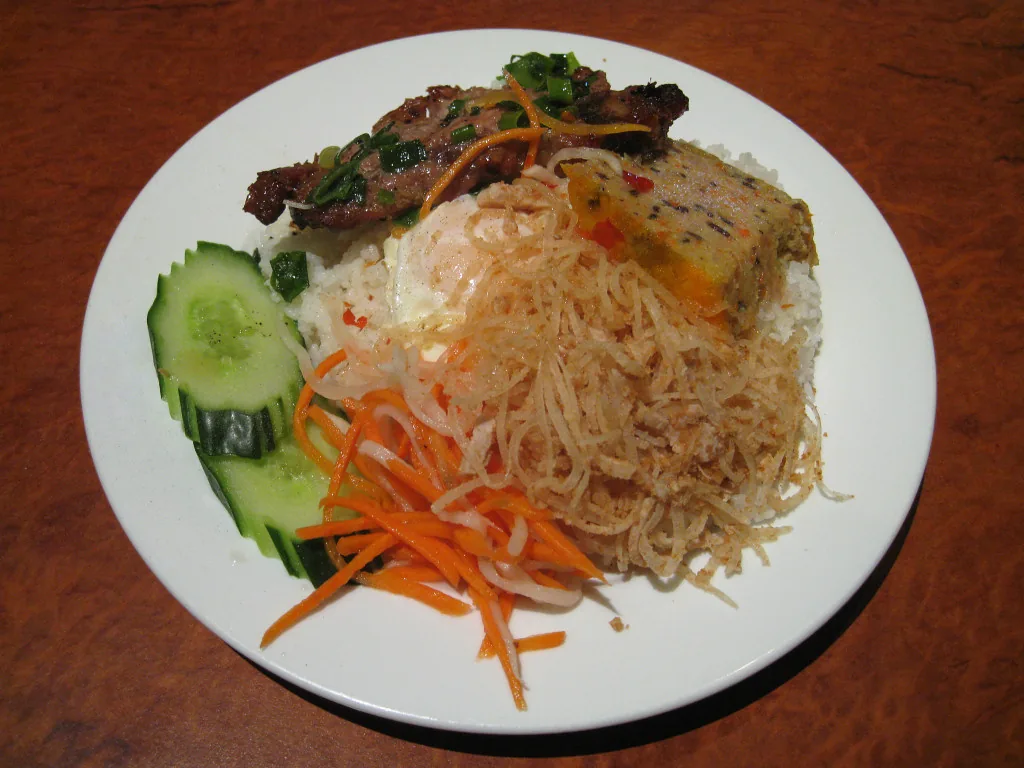
Cơm tấm — broken rice with grilled pork ribs, egg, and pickles; the quintessential Saigon comfort meal, eaten at any hour
Follow the queue. In Vietnam, a line of locals at a street stall is the most reliable quality signal available. A 15-minute wait for phở means the broth is good.
Look for specialization. A stall that sells one dish is almost always better than one that sells twenty. The menu board with fifty items is a warning sign.
Arrive at the right time. Morning dishes (phở, xôi, bánh cuốn, cơm tấm) are best before 9am. Lunch dishes (bún chả, bánh mì) peak at 11am–1pm. Evening dishes (grilled seafood, chè, bánh tráng nướng) from 5pm onward.
Eat where the workers eat. Stalls adjacent to markets, bus stations, and hospitals serve the workers who eat there daily and who have zero tolerance for bad food.
Use Google Maps with Vietnamese keywords. Searching "bún chả Hà Nội ngon" (delicious bún chả Hanoi) returns more accurate local results than English-language searches.
Practical Tips for Ordering
Language: Most street vendors speak minimal English, but menus are often visual (point at other diners' bowls), and Google Translate's camera mode handles menus accurately enough for ordering.
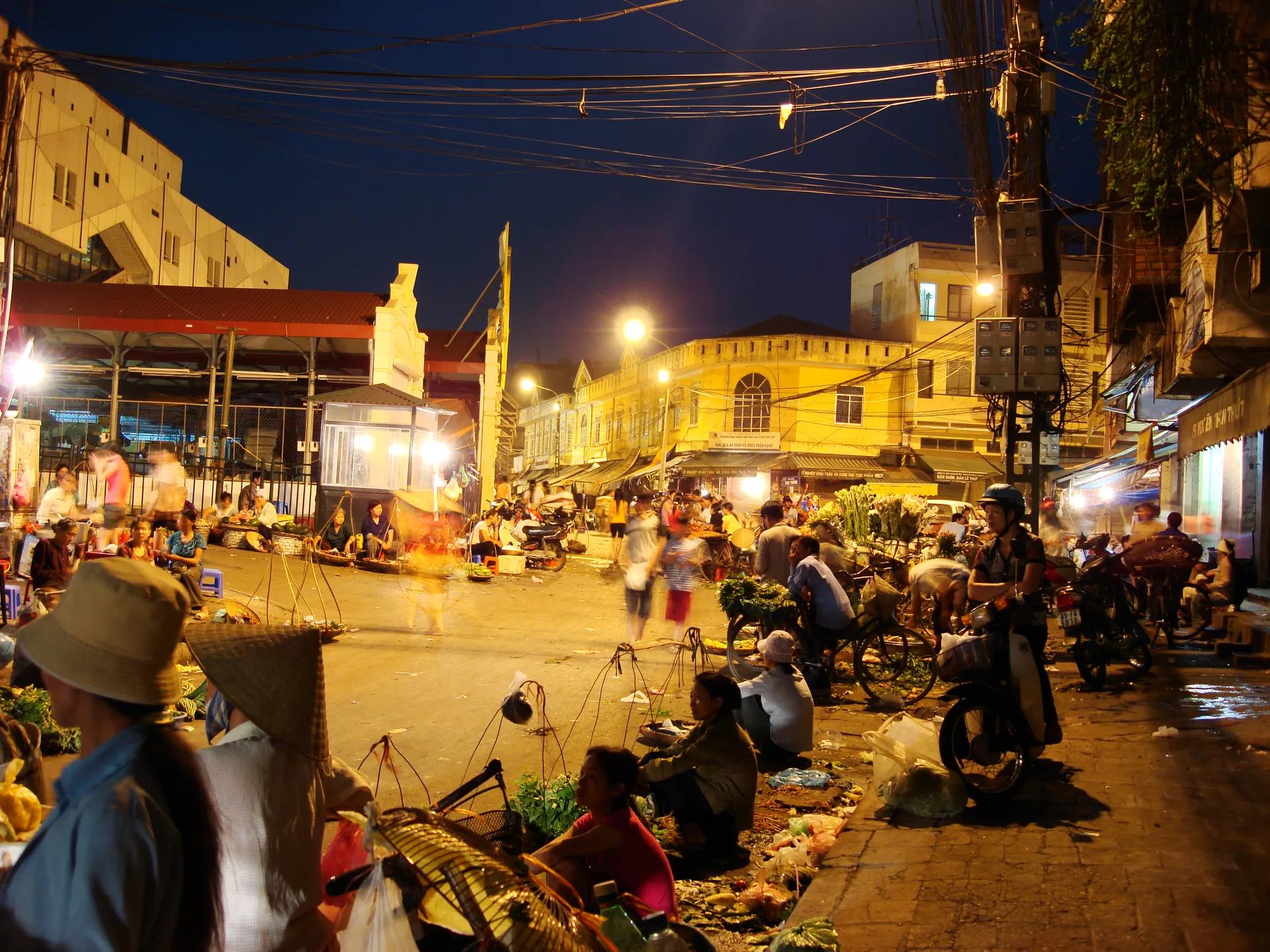
Hanoi street food at night — the Old Quarter's lanes fill with plastic stools and steaming pots after 6pm; the atmosphere is as memorable as the food
Payment: Almost all street stalls are cash-only. Keep small bills (10,000–50,000 VND) available. ATMs are widely available in cities.
Hygiene: Established street stalls with high turnover and made-to-order cooking are generally safe. Avoid pre-cooked meats sitting at room temperature and stalls with visibly poor sanitation. A busy stall with constantly replenished food is safer than a quiet one with stationary dishes.
Utensils: Chopsticks are standard in the north; a chopstick-spoon combination is more common for noodle soups. Forks are available at most stalls on request.
Budget: A full street food meal costs 30,000–80,000 VND ($1.25–3.25). A coffee is 15,000–40,000 VND. Eating exclusively at street stalls, you can eat extremely well for under $8 a day.
The Golden Rule
Eat where you smell something good coming from the kitchen. Vietnam's street food at its best is not about famous addresses in travel guides — it's about the stall two lanes off the main road that's been making the same noodle soup for thirty years for the same neighborhood, and doesn't need a sign because everyone already knows.
Information notice: Prices, opening hours, and travel conditions can change. Content on EnViet is reviewed periodically but may not reflect the most current situation. Please verify important details with official or local sources before travelling or booking.
EnViet Editorial Team
The EnViet Editorial Team creates practical Vietnam travel and food guides using local knowledge, public sources, and manual editorial review. Content is reviewed before publication and updated periodically.