Ho Chi Minh City (Saigon)
Published on February 10, 2025
Why Visit Ho Chi Minh City
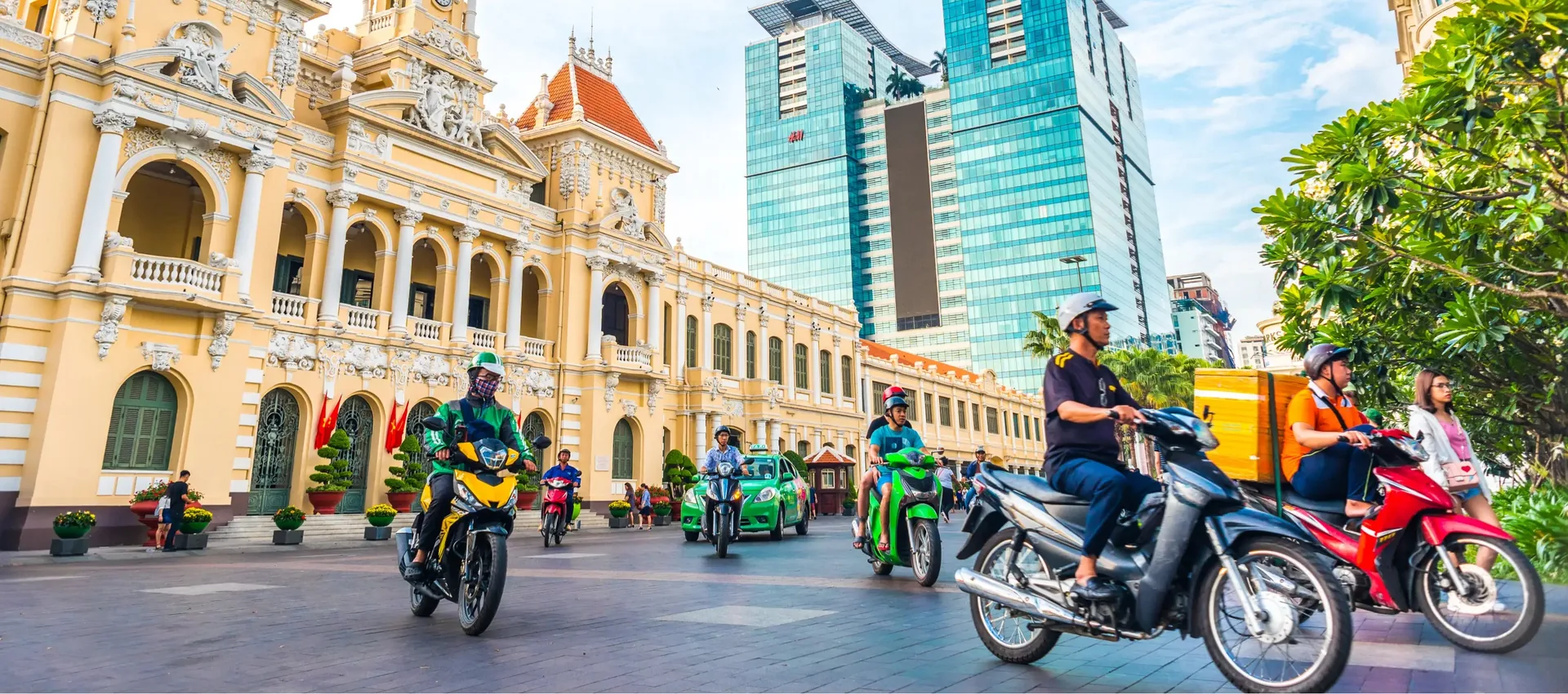
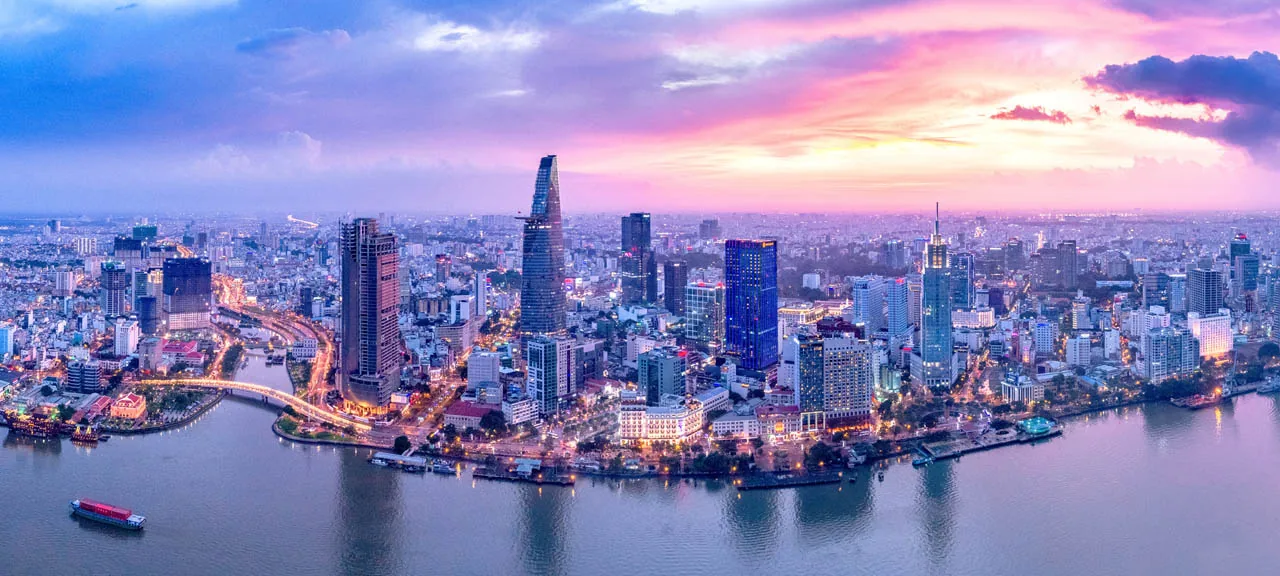
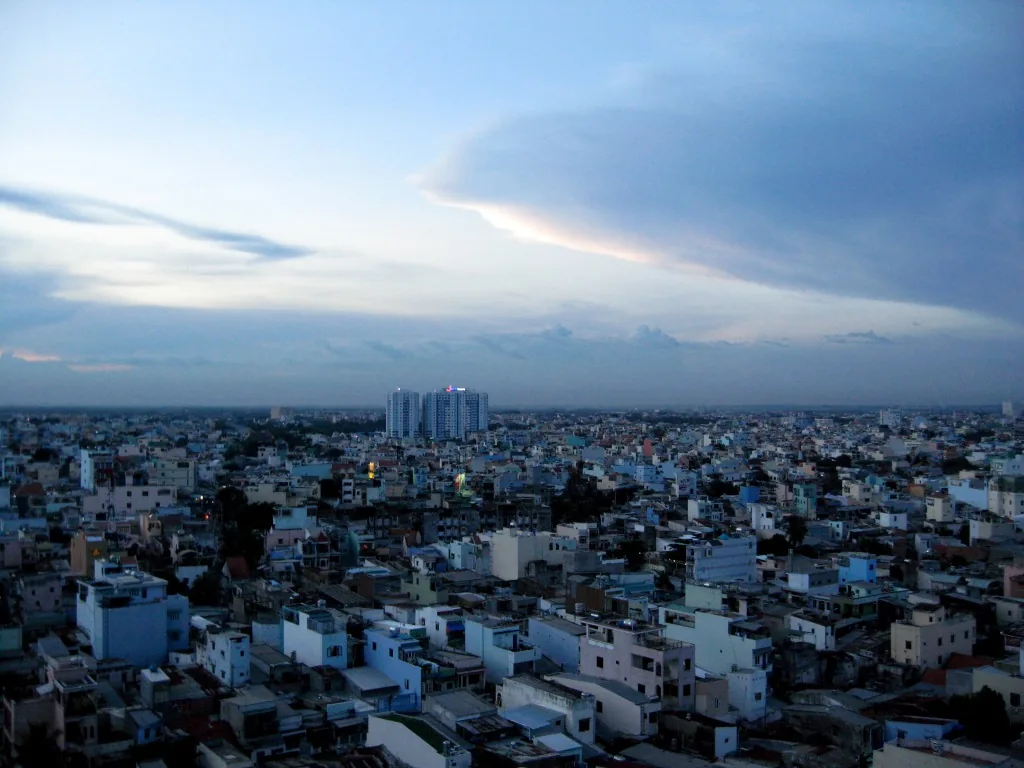
Ho Chi Minh City — still called Saigon by almost everyone who lives there — is Vietnam's largest city and its economic engine. With nearly 9 million people in the metro area, it operates at a pace and intensity unlike anywhere else in the country: motorbike traffic that flows with its own logic, a food scene of staggering depth and variety, a skyline that changes year by year, and an older city of French colonial boulevards, ornate pagodas, and war-era architecture that persists beneath the modern development.
The city carries its history visibly. The War Remnants Museum is among the most confronting in Southeast Asia. The Reunification Palace froze in time at the moment of the 1975 handover. The Cu Chi Tunnels, 40 km northwest, preserve the underground world through which the Viet Cong fought the American military. And yet the overwhelming feeling of modern Saigon is forward motion — startup culture, café society, rooftop bars, farm-to-table restaurants, and a night life that begins when the temperature drops and continues until well after midnight.
Quick Facts
- Location: Southern Vietnam, at the mouth of the Saigon River
- Best time to visit: December to April (dry season)
- Recommended stay: 3–5 days
- Daily budget: Budget $25–45 | Mid-range $60–120 | Luxury $150+
- Currency: Vietnamese Dong (VND)
Top Things to Do
1. War Remnants Museum
Vietnam's most visited museum documents the American War from the Vietnamese perspective, with graphic photographic evidence of chemical warfare, civilian casualties, and the long-term effects of Agent Orange. Confronting, essential, and deeply moving. Duration: 2 hours. Tip: Visit in the morning; emotional weight accumulates through the day.
2. Reunification Palace
The former Presidential Palace of South Vietnam, where North Vietnamese tanks crashed through the gates on April 30, 1975, ending the war. The building has been preserved exactly as it was on that day — offices, war rooms, communications equipment, and rooftop helicopter pad intact. Duration: 1.5 hours. Tip: 40,000 VND entry; the basement command center is the most extraordinary section.
3. Ben Thanh Market and Surrounding Streets
The colonial-era market at the city's center sells clothing, lacquerware, silk, spices, and local food across a crowded but navigable hall. The surrounding streets — particularly Ly Tu Trong and the backpacker area on Pham Ngu Lao — offer the full spectrum of Saigon street food. Duration: 2 hours. Tip: Prices at Ben Thanh are fixed but negotiable for non-food items; the night market outside (from 6pm) is less crowded.
4. Notre-Dame Cathedral and Central Post Office
Two of Saigon's most photographed French colonial landmarks stand side by side: the 1880 neo-Gothic cathedral (under renovation but photographable) and the 1891 post office designed under Gustave Eiffel's supervision, with a vaulted iron interior still functioning as a working post office. Duration: 30–45 minutes. Tip: The post office's interior architecture is outstanding; postcard-writing tourists are welcome.
5. Cu Chi Tunnels
The 250 km tunnel network used by the Viet Cong during the war, 40 km northwest of the city center. Visitors crawl through an enlarged section of tunnel, inspect booby traps, and tour the surface installations. The experience is sobering and historically significant. Duration: Half day including transport. Tip: Book a morning tour from the city; afternoon heat in the tunnels is intense.
6. Mekong Delta Day Trip (My Tho or Ben Tre)
An easy half-day or full-day boat trip from the city into the Mekong Delta's canal network — coconut palm groves, floating markets, and fruit orchards accessible by sampan. Duration: Full day including transport. Tip: My Tho is the closest Delta town (75 km); Ben Tre offers a quieter and more authentic experience.
7. Bui Vien Walking Street (Night)
Saigon's backpacker entertainment strip comes alive after 9pm — outdoor bars, live music, street food, and a cross-cultural crowd that makes it one of Southeast Asia's most energetic night streets. Duration: As long as desired. Tip: The surrounding Pham Ngu Lao area has the city's best budget accommodation and food.
8. Saigon Skydeck (Bitexco Financial Tower)
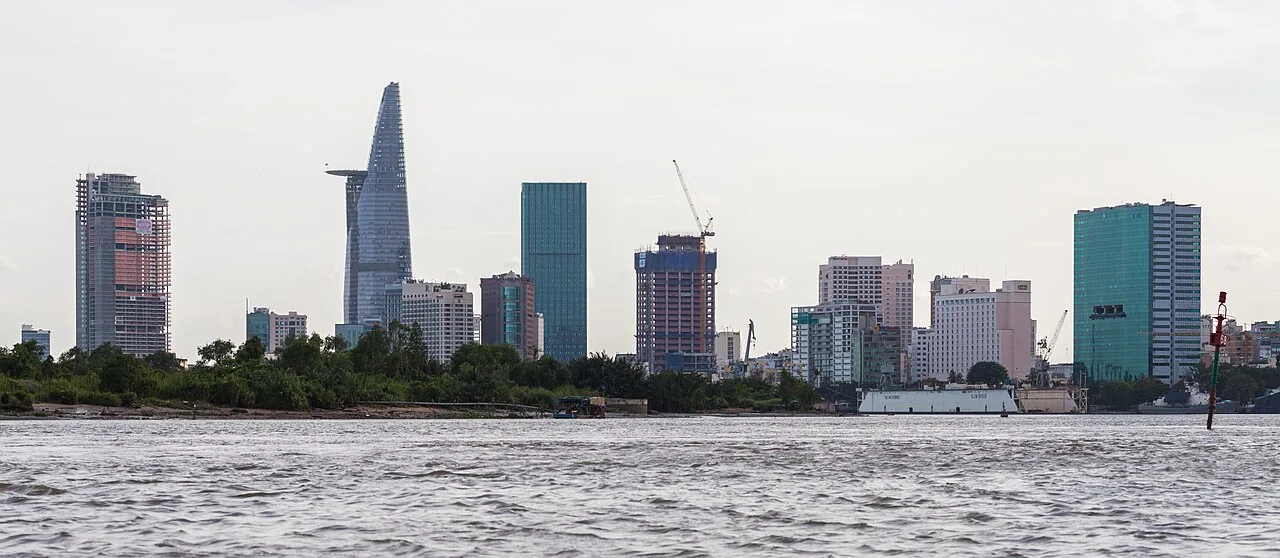
The 49th-floor observation deck of Bitexco Tower — identifiable by its helipad protruding at an angle — offers panoramic views over the city, the Saigon River, and (on clear days) the Mekong Delta plain. Duration: 1 hour. Tip: 200,000 VND entry; sunset (5:30–6:30pm) offers the most dramatic light.
9. Cholon (Chinatown)
Ho Chi Minh City's Cholon district — one of the largest and oldest Chinese communities in Southeast Asia — retains a distinct character: Cantonese medicine shops, incense-wreathed pagodas, dim sum restaurants, and the extraordinary Thien Hau Pagoda, dedicated to the goddess of the sea. Duration: 2–3 hours. Tip: Binh Tay Market in Cholon is larger and more authentic than Ben Thanh; the morning dim sum on Trieu Quang Phuc Street is excellent.
10. Rooftop Bars at Sunset
Saigon's rooftop bar culture is among the best in Asia. The social area around Bui Vien and the luxury hotel rooftops in District 1 offer cocktails above the city's chaos. Chill Skybar (AB Tower), Shri Restaurant and Lounge, and The Summit Lounge at the Sheraton are well-regarded. Duration: 2 hours.
Local Food
Banh Mi Huynh Hoa: The benchmark banh mi in Saigon — a deeply stuffed French baguette with four types of pork, pate, pickled vegetables, and sriracha. Queue forms from 2pm; sell-out by 8pm. On Le Thi Rieng Street.
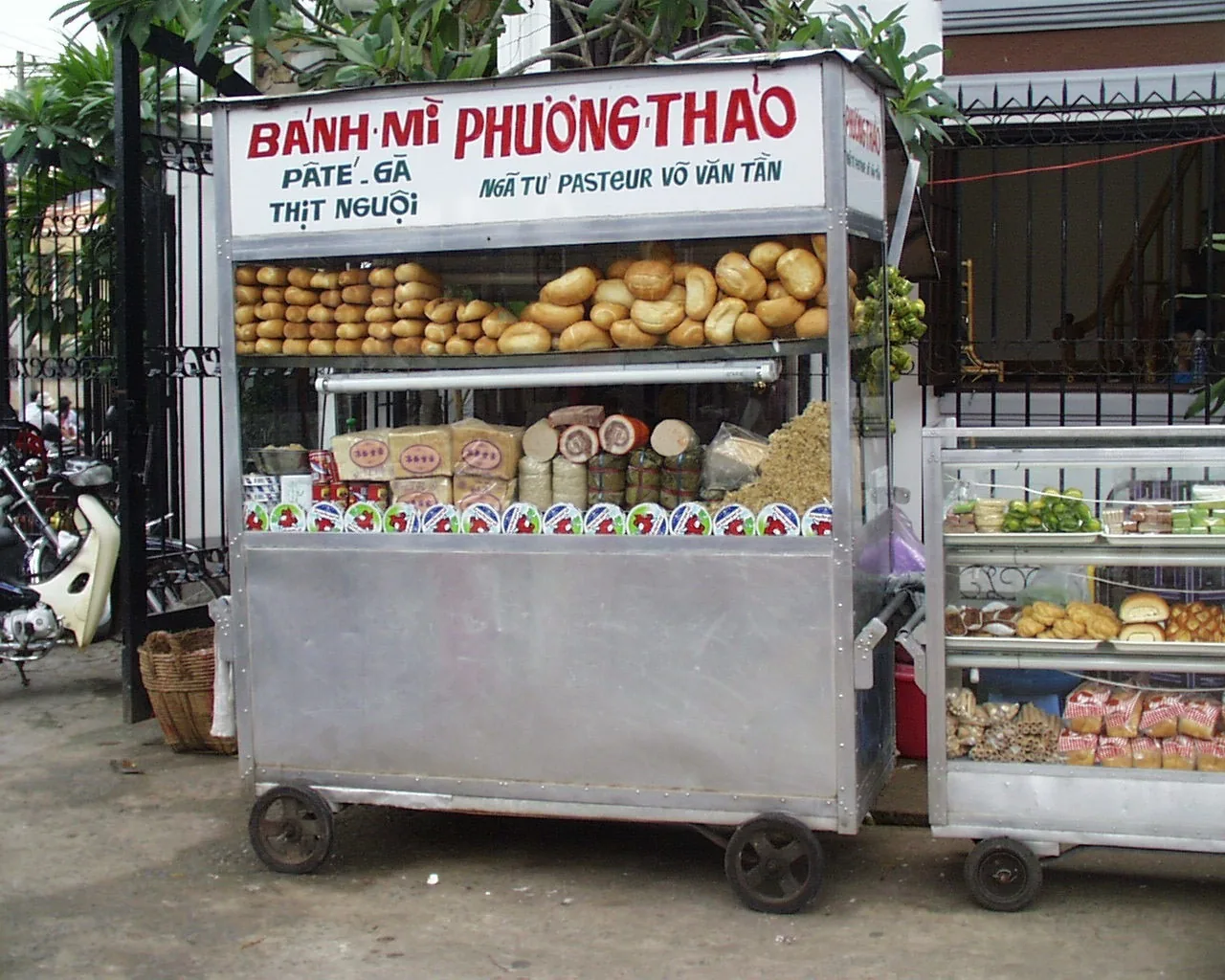
Hu Tieu Nam Vang: Saigon's answer to pho — a clear broth noodle soup of southern Chinese origin with pork, shrimp, and quail eggs. More delicate and slightly sweeter than northern soups.
Bun Thit Nuong: Cold rice vermicelli with grilled pork, fresh herbs, crushed peanuts, and nuoc cham. A southern Vietnamese lunch staple of extraordinary freshness.
Com Tam (Broken Rice): Grilled pork over broken jasmine rice with a fried egg and pickled vegetables — Saigon's defining street meal, eaten at any hour from predawn stalls through midnight carts.
Ca Phe Sua Da (Iced Milk Coffee): Strong Vietnamese drip coffee poured over condensed milk and ice. Essential fuel at any hour; ubiquitous from sidewalk plastic-stool cafes.
Best Time to Visit
December–April: The dry season. December and January are the coolest months (25–30°C). Tet (late January/February) closes many businesses but the city celebrations are extraordinary.
May–November: Wet season with heavy afternoon rain, usually clearing by evening. Temperatures remain 30–35°C; the rain rarely disrupts a full day of sightseeing.
Where to Stay
Budget: The Pham Ngu Lao backpacker area in District 1 has hostels from $8–20/night. The common rooms and bars serve as informal traveler exchanges.
Mid-range ($60–120): Liberty Central Saigon Citypoint and Caravelle Saigon offer central, well-appointed rooms. The Reverie Saigon is the city's most theatrical mid-luxury property.
Luxury ($150+): Park Hyatt Saigon and the Sofitel Saigon Plaza anchor the luxury market. The boutique Hotel des Arts Saigon (MGallery) is the most atmospheric choice.
How to Get There
By air: Tan Son Nhat International Airport is Vietnam's busiest hub — direct flights from most Asian cities and some European connections. Grab taxi: 120,000–200,000 VND to District 1 (30–45 min).
By train: The Reunification Express from Hanoi takes 31–36 hours; from Da Nang 16–18 hours; from Hue 17–19 hours. The train station is in District 3, 3 km from the center.
By bus: Long-distance sleeper buses connect all major Vietnamese cities. Pham Ngu Lao area is the main departure point.
Suggested Itineraries
1 Day
Morning: War Remnants Museum, Reunification Palace. Lunch: Com tam at a sidewalk stall. Afternoon: Notre-Dame Cathedral, Ben Thanh Market. Evening: Bui Vien night scene.
2 Days
Day 1 as above. Day 2: Cu Chi Tunnels half-day, afternoon Cholon pagodas and dim sum, rooftop sunset.
3 Days
Days 1–2 as above. Day 3: Mekong Delta day trip to Ben Tre.
Neighborhoods at a Glance
- District 1: The tourist and business core — Ben Thanh Market, the Notre-Dame Cathedral area, Bui Vien Walking Street, and most mid-range and luxury hotels. Walkable but often gridlocked with traffic.
- District 3: Quieter, leafy, and residential, with tree-lined streets, independent cafes, and some of the city's best small restaurants — a good base if you want District 1 access without the noise.
- Cholon (District 5): The historic Chinatown, dense with temples, herbal medicine shops, and a wholesale market scene that runs from before dawn.
- Thao Dien (District 2/Thu Duc): An expat-heavy riverside neighborhood across the river, with a concentration of international restaurants, boutique gyms, and serviced apartments — popular with long-stay remote workers.
- Phu My Hung (District 7): A planned, modern satellite district with wide streets, shopping malls, and a noticeably calmer pace than the historic core.
Getting Around the City
Grab (ride-hailing, both car and motorbike) is the easiest way to get around and the option most visitors default to — cheap, metered by the app, and no language barrier. Traditional taxis (Vinasun and Mai Linh are the reputable operators) are a reasonable backup when Grab surge pricing kicks in. The city's first metro line (Ben Thanh–Suoi Tien) began partial operation in the past few years and is gradually easing the pressure on District 1 traffic, though most visitors will still rely on Grab or walking for short hops. Renting a motorbike yourself is common among longer-stay travelers, but Saigon's traffic density makes it a genuinely different proposition from riding in smaller towns — not recommended for first-time riders.
Culture and History
Saigon was a small Khmer fishing settlement when Vietnamese settlers arrived in the 17th century. French colonists captured it in 1859, making it the capital of Cochinchina and eventually Indochina's most cosmopolitan city. The American War (1955–1975) made it the capital of South Vietnam and a city of extraordinary cultural contradiction — wartime capital, refugee destination, and American military hub simultaneously. The 1975 fall of Saigon reunified Vietnam under communist rule; the city was renamed Ho Chi Minh City, though the old name persists in everyday use. The Doi Moi reforms of 1986 transformed it into the economic engine it is today.
Travel Tips
- Traffic: Saigon's motorbike traffic is dense and fast. Cross streets slowly and steadily — the bikes will weave around you.
- Grab: Use Grab for all taxis and transport; the app eliminates overcharging and provides route tracking.
- District orientation: Most attractions and hotels are in District 1. Cholon is in District 5. Cu Chi is 40 km northwest.
- Heat: Midday (11am–3pm) is intense; plan indoor activities or rest during peak heat.
Frequently Asked Questions
Is Ho Chi Minh City safe? Generally yes. Bag snatching from motorbikes is the most common risk — keep bags on the inner side of the pavement and avoid displaying phones openly.
Should I call it Saigon or Ho Chi Minh City? Saigon is used colloquially by almost everyone, including most Vietnamese. Both are understood; Saigon is warmer and more conversational.
How do I get to the Mekong Delta? Day trips run from Pham Ngu Lao area to My Tho and Ben Tre. For Can Tho, an overnight bus or car is necessary.
Final Thoughts
Ho Chi Minh City is the most kinetic, contradictory, and compelling city in Vietnam. It absorbs and accelerates everything — history, migration, food culture, commerce — and processes it into something irreducibly its own. Allow more time than you think you need.
Day trips from Saigon: Cu Chi Tunnels half-day tour, Mekong Delta full-day trip, and HCMC food scene for a deeper dive into the city's eating culture.
You Might Also Like
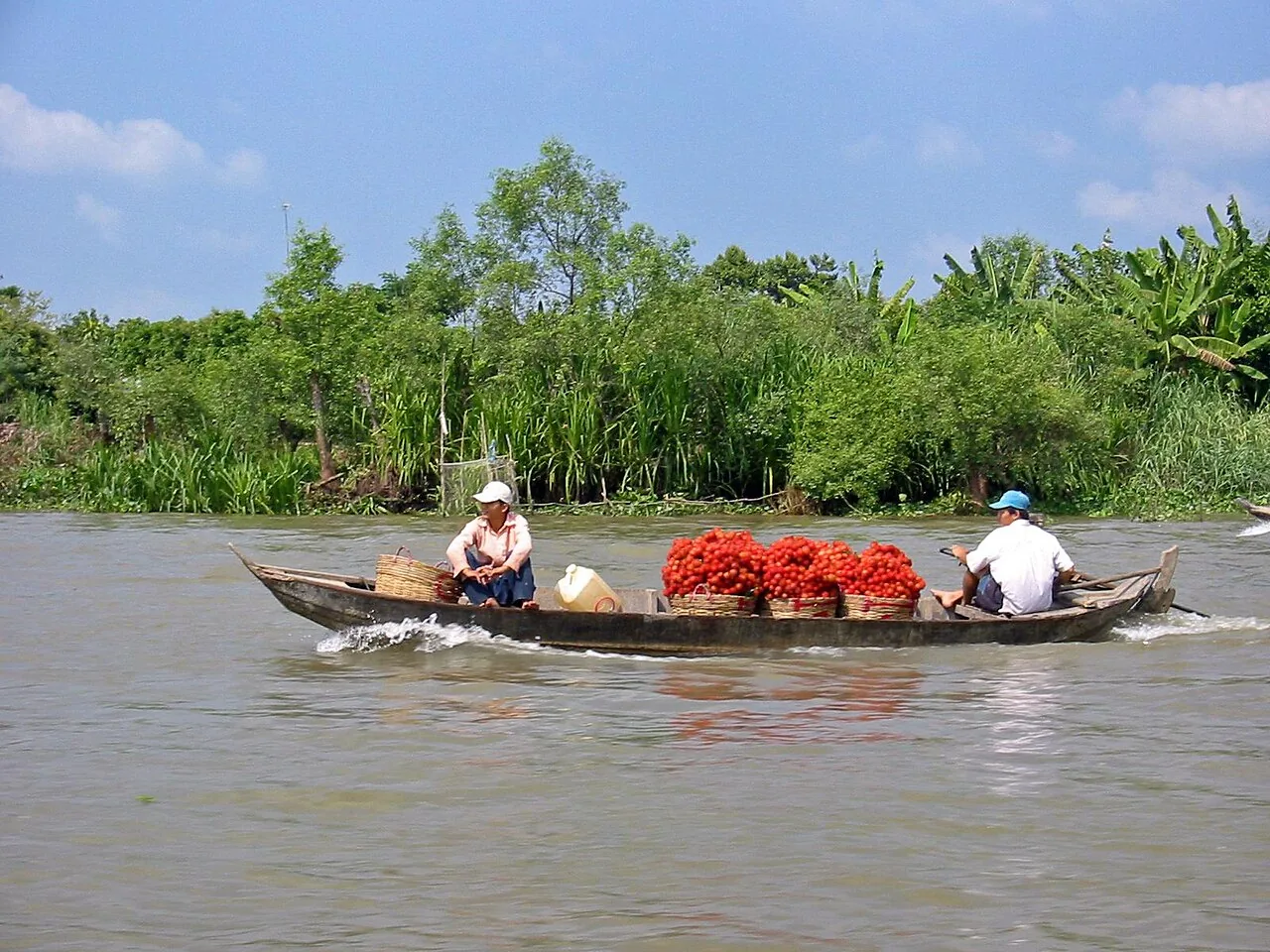
Mekong Delta
Complete Mekong Delta travel guide — floating markets, canal boat tours, coconut groves, and the heart of Vietnamese agricultural life.
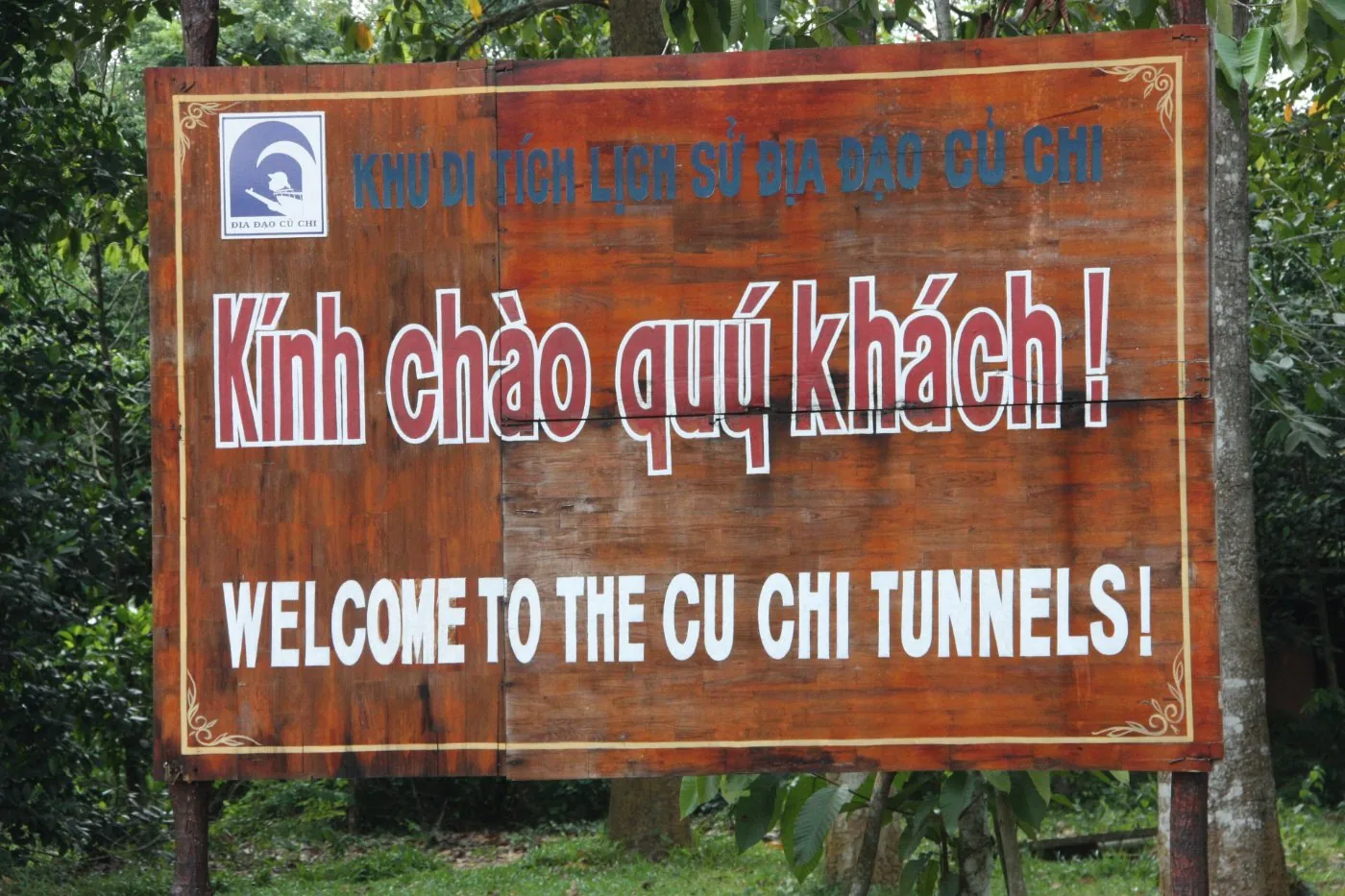
Cu Chi Tunnels
A sprawling underground tunnel network on the outskirts of Ho Chi Minh City, offering a sobering, hands-on look at Vietnam's wartime history.