A Coffee Farm Tour in Vietnam's Central Highlands: What to Expect
Most travelers drink a lot of Vietnamese coffee without ever seeing where it comes from. That's understandable - the coffee-growing region sits inland, in the Central Highlands around Buon Ma Thuot, well off the standard Hanoi-to-Saigon coastal route that most itineraries follow. But if coffee culture is part of why you're interested in Vietnam in the first place, seeing the farms is a different experience entirely from drinking egg coffee in a Hanoi cafe.
Why Buon Ma Thuot, Specifically
Vietnam is the second-largest coffee producer in the world after Brazil, and the vast majority of that output is robusta, grown almost entirely in the red volcanic soil of the Central Highlands. Dak Lak province, with Buon Ma Thuot as its capital, produces more coffee than anywhere else in the country, and the city has built its identity around it - there's a coffee museum, an annual coffee festival, and a local coffee culture that runs deeper than anywhere else in Vietnam, including a strain of coffee ceremony borrowed loosely from the region's ethnic minority traditions.
This is robusta country, not arabica - worth knowing before you arrive, because it changes what you should expect to taste. Robusta has roughly double the caffeine of arabica and a noticeably harsher, more bitter, earthier flavor on its own, which is exactly why Vietnamese coffee is traditionally served thick, strong, and cut with sweetened condensed milk rather than as a clean black brew.
What an Actual Farm Visit Looks Like
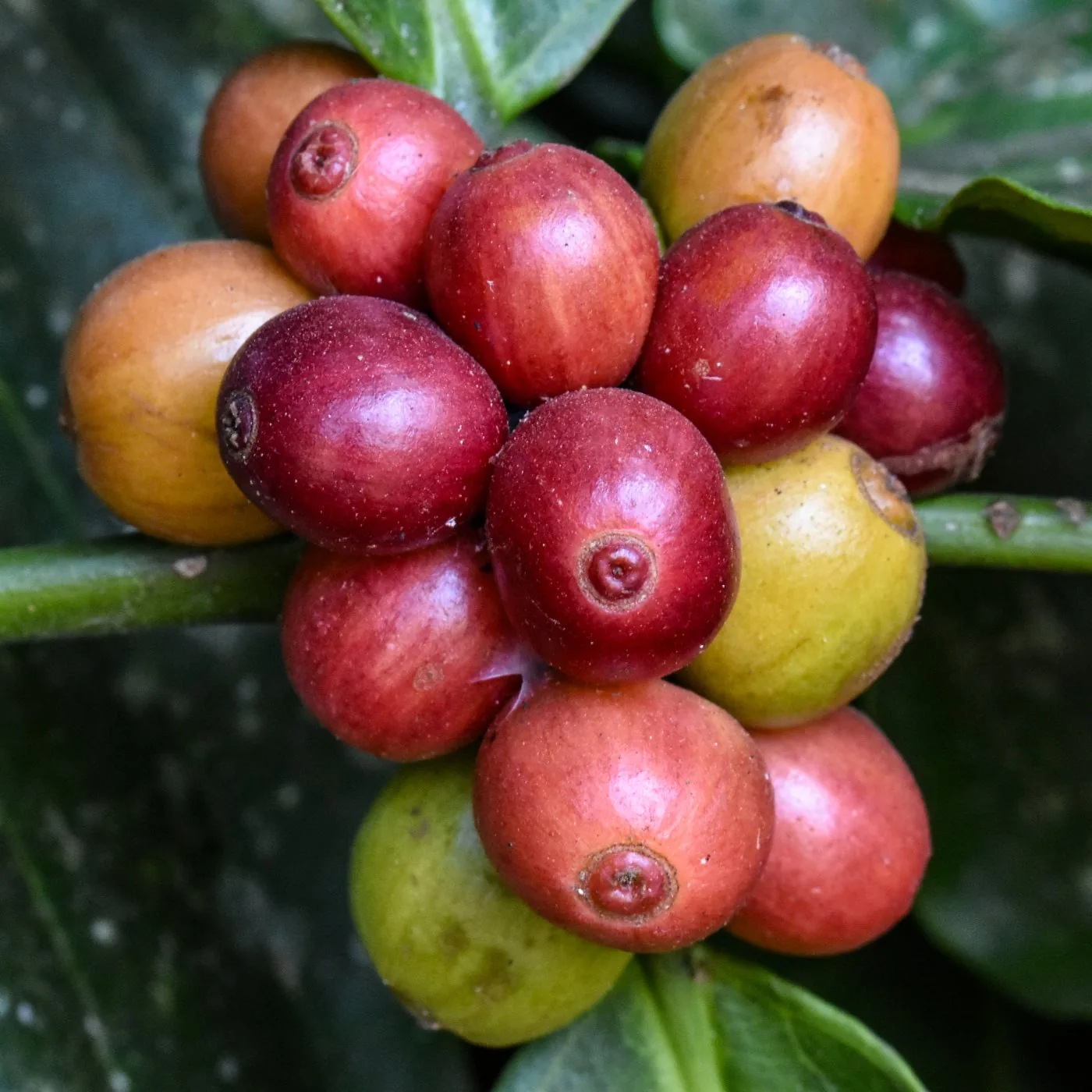
Coffee farm tours around Buon Ma Thuot range from small family-run operations that host a handful of visitors a day to larger, more polished operations set up specifically for tourism. A typical visit walks you through the coffee trees themselves - which, depending on the season, might be flowering (a short, fragrant window usually around February-March) or heavy with the deep red coffee cherries ready for harvest (roughly October to December).
From there, most tours walk through the processing side: how the cherries are pulped to remove the fruit, how the beans are dried (often on large concrete patios or raised beds, turned by hand or rake), and how roasting is done, sometimes on traditional equipment that's been used for generations. Tasting sessions usually wrap up the visit, comparing different roast levels or processing methods side by side, which is a genuinely useful way to understand why Vietnamese coffee tastes the way it does.
Weasel Coffee and Egg Coffee, Explained on Site
Two Vietnamese coffee specialties come up constantly, and seeing them explained at the source clears up a lot of tourist confusion. Ca phe chon, sometimes marketed abroad as "weasel coffee," originally referred to coffee cherries eaten and excreted by wild civets, whose digestive enzymes altered the bean's flavor - genuinely rare and expensive in its authentic form, though most of what's sold as weasel coffee today, including around Buon Ma Thuot, is produced with an artificial fermentation process rather than actual civets, and it's worth asking directly which you're being sold.
Egg coffee (ca phe trung), on the other hand, isn't from the Highlands at all - it originated in Hanoi during a 1940s milk shortage, when a bartender whipped egg yolk and sugar into a custard-like foam to top coffee instead of milk. It's worth knowing the difference so you're not expecting a Highlands specialty and getting a Hanoi one, or vice versa.
Beyond Coffee: The Wider Highlands
Buon Ma Thuot and the surrounding Dak Lak province aren't only about coffee. The region is home to several of Vietnam's ethnic minority groups, including the Ede and M'nong, and some farm tours combine a coffee visit with a stop at a traditional longhouse or a demonstration of gong music, a UNESCO-recognized cultural practice in the Central Highlands. Lak Lake, a scenic freshwater lake south of the city, and a scattering of waterfalls in the surrounding countryside round out a few extra days if you want to make the highlands more than a coffee day trip.
Getting There and Planning Around It
Buon Ma Thuot has its own airport with flights from Hanoi, Ho Chi Minh City, and Da Nang, which is by far the easiest way in given the overland distance from the coast. Most coffee farm tours can be arranged through hotels in the city or booked as half-day or full-day trips with a local operator, and having a Vietnamese-speaking guide genuinely helps here since a lot of the smaller family farms don't cater to English-speaking visitors on their own.
Harvest season (October to December) is the most visually interesting time to visit, with the trees full of ripe cherries and farms in the middle of active processing, but the museum, tastings, and general farm walk-throughs are worth doing year-round if that's the only window that fits your trip.
Buying Beans to Take Home
Almost every farm and roastery around Buon Ma Thuot sells beans directly, and prices are a fraction of what specialty coffee shops charge back home for Vietnamese robusta, if you can find it at all. It's worth buying whole bean rather than ground if you have a grinder waiting at home, since robusta loses its character quickly once ground, and asking about roast date rather than just roast level - freshly roasted beans make a noticeable difference with robusta's more delicate aromatics. A few farms also sell the traditional phin filter alongside the beans, which is the cheapest and most reliable way to actually recreate Vietnamese coffee once you're home, rather than trying to approximate it with a regular drip machine.
A Practical Note on Expectations
If your main coffee reference point is arabica-based specialty coffee - the kind with tasting notes of berries and citrus - robusta from the Highlands will taste like a different beverage category entirely, closer to something built for strength and endurance than delicate flavor. That's not a flaw; it's the point. Vietnamese coffee culture developed around robusta's intensity, built to be cut with condensed milk, poured over ice, or whipped into egg foam, and a farm visit makes that context click in a way that no amount of drinking it in a cafe back home ever quite manages.
Information notice: Prices, opening hours, and travel conditions can change. Content on EnViet is reviewed periodically but may not reflect the most current situation. Please verify important details with official or local sources before travelling or booking.
EnViet Editorial Team
The EnViet Editorial Team creates practical Vietnam travel and food guides using local knowledge, public sources, and manual editorial review. Content is reviewed before publication and updated periodically.