Vietnam's Beer Scene: From Bia Hoi Corners to Craft Breweries
Ask anyone who's spent an evening in Hanoi's Old Quarter about bia hoi, and you'll usually get a story about sitting on a tiny plastic stool at a street corner, paying next to nothing for a glass of light, fresh draft beer, and watching the city go by. That scene is still very much alive, and it sits at one end of Vietnam's beer culture. At the other end, a craft brewing industry has grown up over roughly the last ten years, producing genuinely well-made IPAs, stouts, and sours that wouldn't be out of place in Portland or Melbourne. Both are worth knowing about, and they're really two different drinking cultures that happen to coexist in the same country.
What Bia Hoi Actually Is
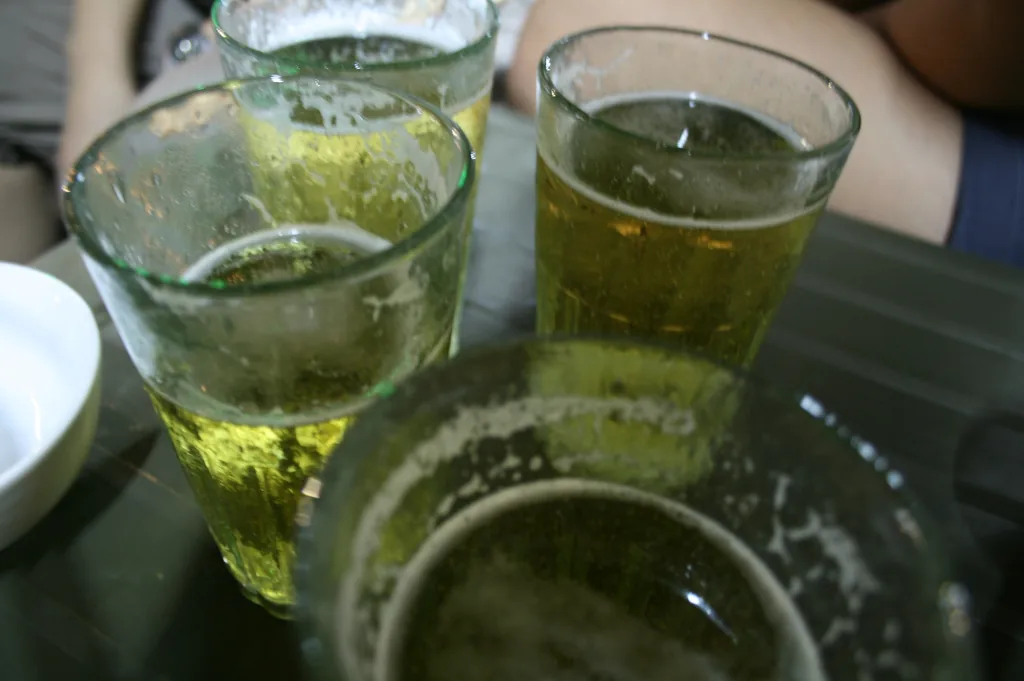
Bia hoi translates roughly to "fresh beer," and that's literally what it is - a light, low-alcohol lager brewed locally and delivered fresh daily (or close to it) to small bars and street corners, meant to be drunk within a day or two rather than stored or aged. It's unpasteurized, which is part of why it doesn't travel or keep the way bottled beer does, and part of why it tastes noticeably different (lighter, slightly sweeter, less bitter) from mainstream Vietnamese bottled beers like Bia Saigon or 333.
Bia hoi is cheap in a way that's almost startling the first time you see the price - often well under a dollar a glass, sometimes closer to 25 or 30 cents depending on the spot and the city. This isn't a tourist gimmick; it's genuinely how a huge portion of everyday Vietnamese social drinking happens, particularly in Hanoi, where entire streets (Ta Hien in the Old Quarter being the most famous) are lined with plastic stools and low tables specifically built around it.
The Bia Hoi Experience
The setup is intentionally simple: low plastic stools, low plastic tables, cheap snacks (peanuts, dried squid, grilled meat skewers) available to order alongside the beer, and a social, unpretentious atmosphere where strangers end up chatting at neighboring tables more often than you'd expect. It's loud, informal, and entirely unconcerned with the kind of craft-beer ceremony you'd find at a taproom - nobody's discussing tasting notes over a glass of bia hoi, and that's exactly the point.
Ta Hien street in Hanoi is the best-known concentration of bia hoi spots and gets genuinely crowded most evenings, spilling out onto the street itself. Ho Chi Minh City has its own bia hoi corners too, though the culture there leans slightly more toward beer served over ice in taller glasses rather than Hanoi's straight draft pour.
The Craft Beer Side
A wave of craft breweries opened across Vietnam's major cities starting in the mid-2010s, largely centered in Ho Chi Minh City and Da Nang initially, with Hanoi's scene developing a bit later. These aren't small backyard operations - several have grown into genuinely substantial regional brands with multiple taproom locations, brewing IPAs, pale ales, stouts, and increasingly experimental styles using local ingredients like passionfruit, dragon fruit, or even Vietnamese coffee and Saigon cinnamon in collaboration brews.
Taprooms tend to cluster in the same neighborhoods as the broader expat and young professional nightlife scene - District 1 and Thao Dien in Ho Chi Minh City, and a growing cluster in Hanoi's Tay Ho and Old Quarter areas. Prices sit closer to what you'd pay for craft beer anywhere else in the world, a sharp contrast to bia hoi's near-free pricing, reflecting both the more involved brewing process and a customer base willing to pay for it.
Why Both Exist Side by Side
Bia hoi and craft beer aren't really competing for the same drinker or the same occasion - bia hoi is built around cheap, social, everyday drinking with a local crowd, while craft beer taprooms cater more to a slightly more affluent, often younger and more internationally minded crowd looking for something closer to what they'd find at home. Visiting both in the same trip - a bia hoi corner one night, a craft taproom the next - gives a genuinely fuller picture of how differently Vietnam's drinking culture has developed across price points and generations, rather than treating either one as the single definitive version of "Vietnamese beer."
A Practical Note
Bia hoi is best enjoyed exactly where it's served - don't expect to find it bottled or exported, since freshness is the entire point and it simply doesn't keep. Craft beer, on the other hand, increasingly shows up canned in convenience stores and specialty shops across major cities, making it easier to try without necessarily hunting down a taproom if your schedule doesn't allow for an evening out.
Etiquette Worth Knowing
Toasting culture runs deep at bia hoi tables - "mot hai ba, yo!" (one two three, cheers) is shouted constantly, often initiated by whoever's feeling generous or celebratory that evening, and joining in, even as a foreigner who's just sat down at a neighboring table, is generally welcomed rather than seen as intrusive. Refilling other people's glasses before your own, and letting elders or the group's host pour first, is a small courtesy that's noticed and appreciated even by visitors who don't otherwise speak much Vietnamese.
At craft taprooms, the etiquette is closer to what you'd expect anywhere else in the world - order at the bar or from a server, no particular toasting ritual required, though the flight-tasting format common at Western breweries has caught on at a lot of Vietnamese taprooms too, making it an easy way to sample several styles in one sitting without committing to a full pint of something you might not like.
Worth Building Into an Itinerary
Neither bia hoi nor craft beer needs its own dedicated day, but both are easy to fold into an evening that's already built around dinner or a night market. A bia hoi stop works well as a first drink before or after a street food crawl, given how cheap and quick it is to grab a stool for twenty minutes, while a craft taproom makes for a more relaxed, sit-down evening if you want air conditioning, a real bar seat, and a beer list that goes beyond a single house lager.
Information notice: Prices, opening hours, and travel conditions can change. Content on EnViet is reviewed periodically but may not reflect the most current situation. Please verify important details with official or local sources before travelling or booking.
EnViet Editorial Team
The EnViet Editorial Team creates practical Vietnam travel and food guides using local knowledge, public sources, and manual editorial review. Content is reviewed before publication and updated periodically.