Tet Food Traditions: The Dishes Behind Vietnam's Biggest Holiday
If you're in Vietnam during Tet, the Lunar New Year, you'll notice that certain dishes appear everywhere at once - in home kitchens, on ancestor altars, in the markets in the weeks leading up to it. These aren't random holiday treats; each one carries specific symbolism tied to luck, prosperity, and family, and understanding them adds a layer of meaning to what might otherwise just look like a very elaborate holiday spread.
Banh Chung and Banh Tet: The Centerpiece
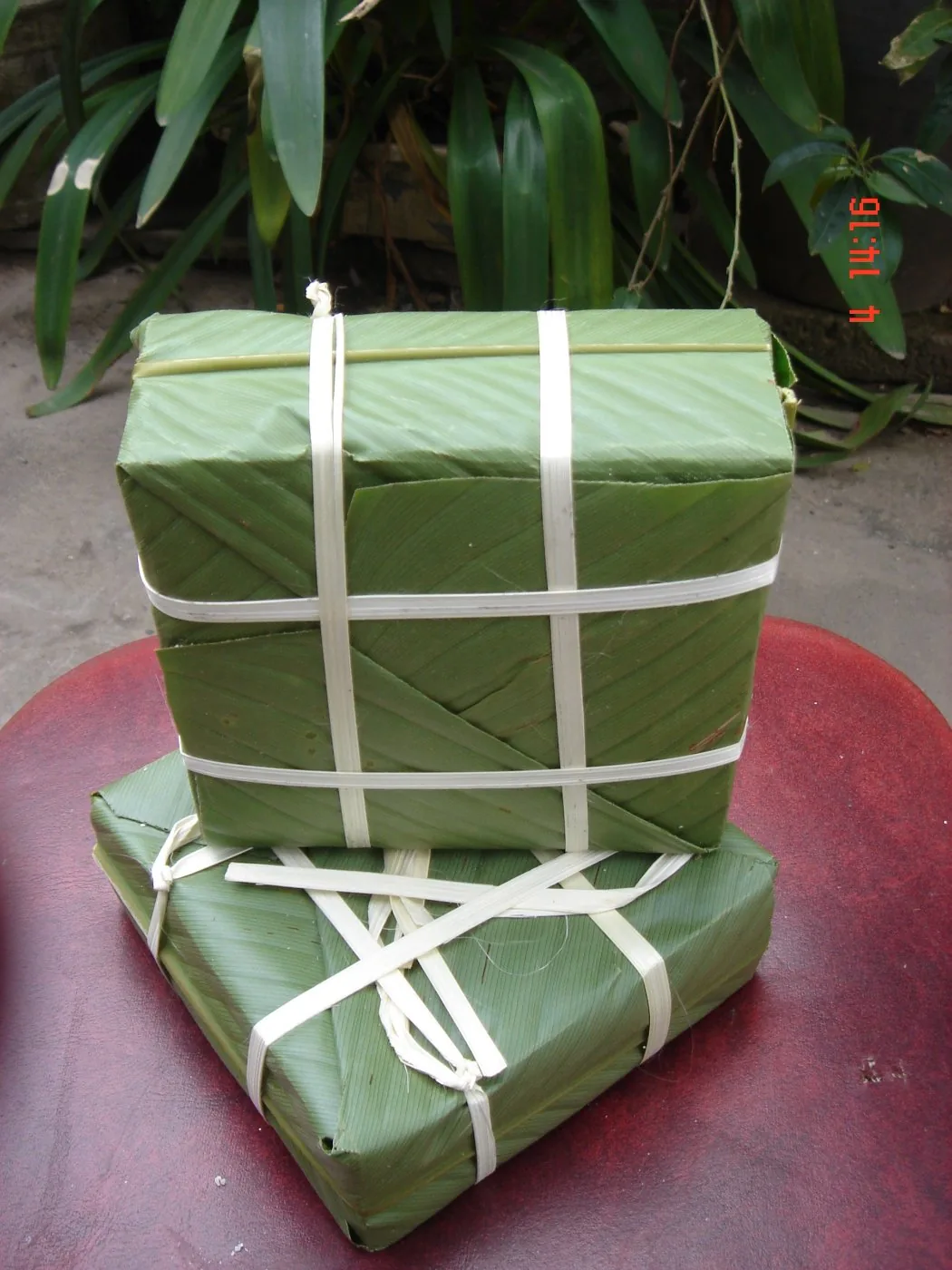
No Tet table is complete without banh chung in the north or its cylindrical cousin banh tet in the south - both square or log-shaped cakes of glutinous rice, mung bean paste, and fatty pork, wrapped tightly in banana leaves and boiled for many hours, sometimes overnight. The square shape of banh chung is traditionally said to represent the earth, according to a legend involving a prince who won his father's throne by presenting this humble, symbolically rich dish over more extravagant offerings from his brothers.
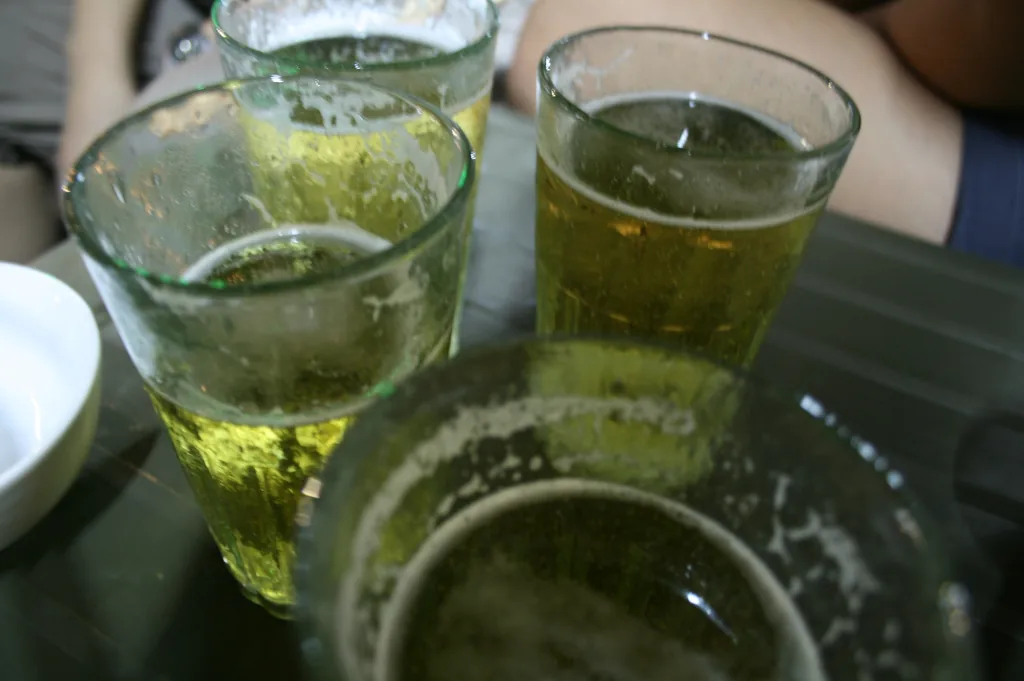
Making banh chung is a genuine family event in many households - relatives gather, wrap the leaves together, and take turns watching the pot boil through the night, often with stories and drinks to pass the long hours. If you're invited to help wrap or watch a pot during Tet season, it's one of the more memorable cultural experiences a visitor can stumble into.
Mut and Candied Fruit
A tray of mut - candied fruits, seeds, and vegetables like coconut, ginger, lotus seed, and kumquat - sits out for guests throughout the holiday, meant to be nibbled on continuously as visitors come and go for New Year greetings. Each ingredient carries its own small symbolism: candied ginger for warmth and health, lotus seeds for fertility and many descendants, coconut for family unity. It's less a single dish than a constant, grazing-friendly presence throughout the house during the entire holiday period.
Xoi Gac: The Red Sticky Rice
Xoi gac, sticky rice dyed a deep, vivid red using the gac fruit, is another common Tet dish, and the color is the whole point - red symbolizes luck and happiness in Vietnamese culture, making this rice a natural fit for a holiday centered on wishing for good fortune in the coming year. It often appears alongside other dishes on the ancestor altar as well as on the family table.
Thit Kho Trung: Braised Pork and Eggs
This braised pork belly and egg dish, cooked slowly in coconut water and fish sauce until deeply savory and slightly sweet, is a southern Vietnamese Tet staple in particular. It's practical as much as symbolic - a large pot can be made ahead of the holiday and kept for days, feeding a house full of visiting relatives without requiring fresh cooking during the days when families are focused on visiting and celebrating rather than kitchen work.
Dua Hanh: Pickled Onions
A small, sharp side of pickled shallots or onions might seem like an odd inclusion next to all the rich, heavy dishes above, but dua hanh serves a real culinary purpose - its acidity cuts through the fat of banh chung and thit kho trung, balancing what would otherwise be an overwhelmingly rich spread. It's a humble dish, but a Tet table without it feels incomplete to most Vietnamese families.
The Ancestor Altar
Beyond what's eaten at the table, a selection of these dishes - banh chung, xoi gac, fruit, sometimes a whole boiled chicken - is arranged on the family ancestor altar as an offering, a central part of Tet's spiritual dimension. The holiday isn't only about celebrating the new year; it's also about honoring ancestors and inviting them symbolically back into the family home during this time, and the food offered on the altar is a direct expression of that.
If You're a Visitor During Tet
Many restaurants and street food stalls close for several days during Tet as vendors return to their hometowns to celebrate with family, which can catch travelers off guard if they haven't planned around it. If you're lucky enough to be invited into a Vietnamese home during the holiday, arriving with a small gift (fruit, tea, or a nicely wrapped box of treats are all safe choices) and trying a bit of everything on offer is both polite and, frankly, the best way to actually taste the range of what Tet food is about, since no single dish captures the whole tradition on its own.
Watermelon and the Superstition of a Good Cut
Watermelon holds a strangely high-stakes place in southern Vietnamese Tet tradition - families often buy a whole watermelon specifically to cut open on New Year's Day, and the color of the flesh inside is taken as a small omen for the year ahead. A deep red, sweet melon is considered a good sign, while a pale or under-ripe one is mildly inauspicious, which is exactly why the vendors selling Tet watermelons in the days before the holiday get grilled with unusually specific questions about ripeness and sweetness from customers who are, only half-jokingly, trying to buy good luck along with their fruit.
Regional Variety Beyond Banh Chung and Banh Tet
Central Vietnam adds its own dishes to the mix, including banh tet nhan dau xanh (a sweeter mung bean version) and various regional pickles and cured meats specific to Hue's more elaborate culinary tradition. Whatever region you're in during Tet, the specific dishes on the table shift slightly, but the underlying logic stays the same: food that keeps well for days of visiting, food that's rich enough to feel like a genuine celebration, and food loaded with symbolism for luck, family, and prosperity in the year ahead.
Trying These Dishes Without an Invitation
If you're traveling during Tet without a local connection to invite you home, some restaurants and hotels - particularly in larger cities catering to tourists - put together special Tet-themed menus in the days surrounding the holiday, giving visitors a chance to taste banh chung, thit kho trung, and the rest without needing a personal invitation. Markets in the week or two before Tet are also worth wandering even if you can't cook the dishes yourself, since the sheer volume of banh chung leaves, candied fruit trays, and watermelons on display gives a good sense of just how central food is to the whole occasion.
Information notice: Prices, opening hours, and travel conditions can change. Content on EnViet is reviewed periodically but may not reflect the most current situation. Please verify important details with official or local sources before travelling or booking.
EnViet Editorial Team
The EnViet Editorial Team creates practical Vietnam travel and food guides using local knowledge, public sources, and manual editorial review. Content is reviewed before publication and updated periodically.