Da Lat: Vietnam's Cool Highland Escape
Đà Lạt sits at 1,500 metres above sea level in Vietnam's Central Highlands, 300km northeast of Ho Chi Minh City. Its nickname — "the city of eternal spring" — overstates the case slightly, but not by much: daytime temperatures hover between 15–25°C year-round, making it feel almost startlingly cool after the coastal lowlands. The French colonialists who developed it as a highland resort in the early 20th century had the right idea.
Today Đà Lạt is Vietnam's most popular domestic weekend destination — a place where Vietnamese city-dwellers come for cool air, pine forests, strawberries, and avocado milkshakes. For foreign travellers, it offers a genuinely different side of Vietnam: less beach, more garden; less heat, more mist.

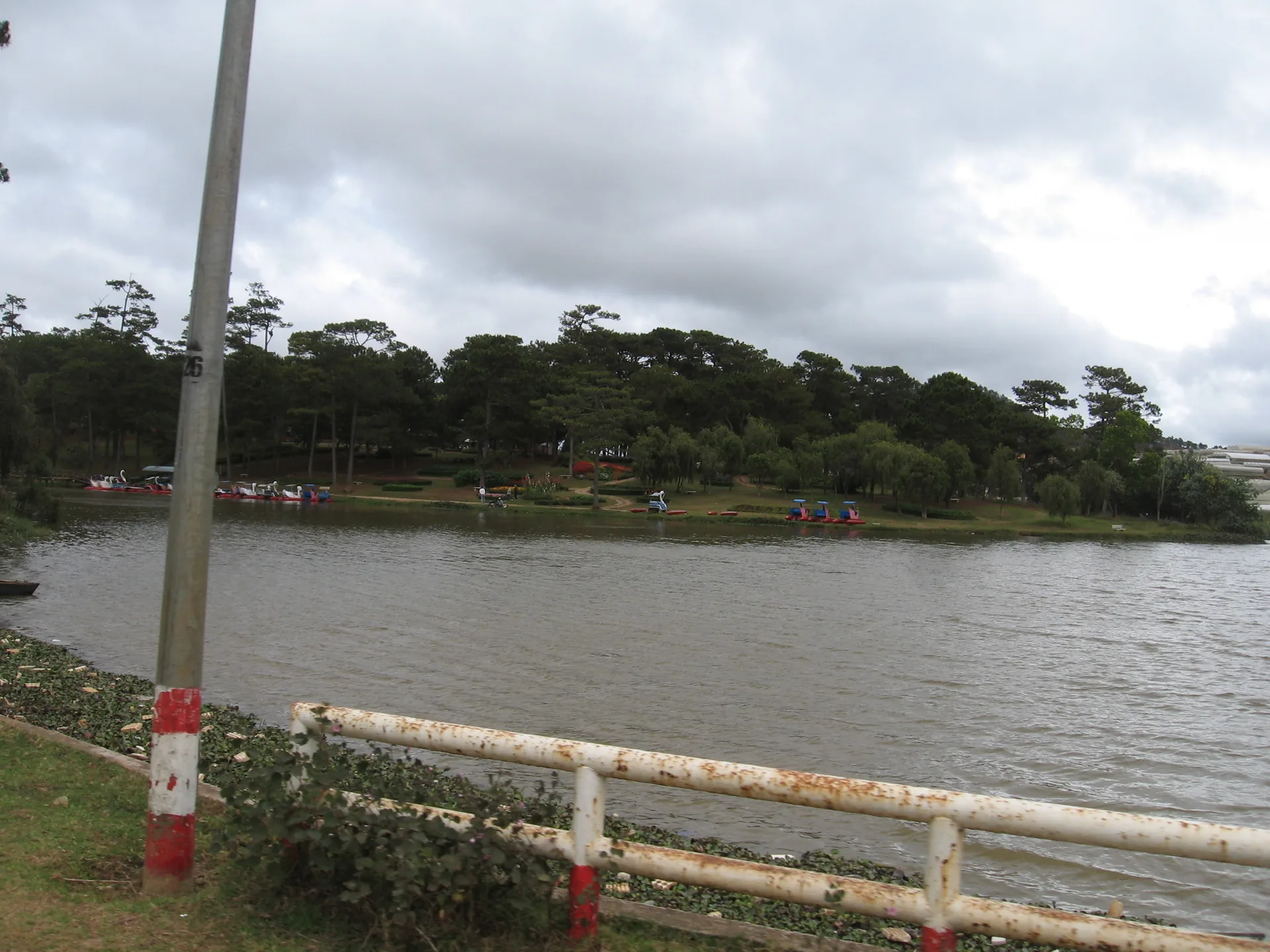
Xuân Hương Lake — Đà Lạt's centrepiece, ringed by flower gardens, pine trees, and the rickety old train station
Getting There
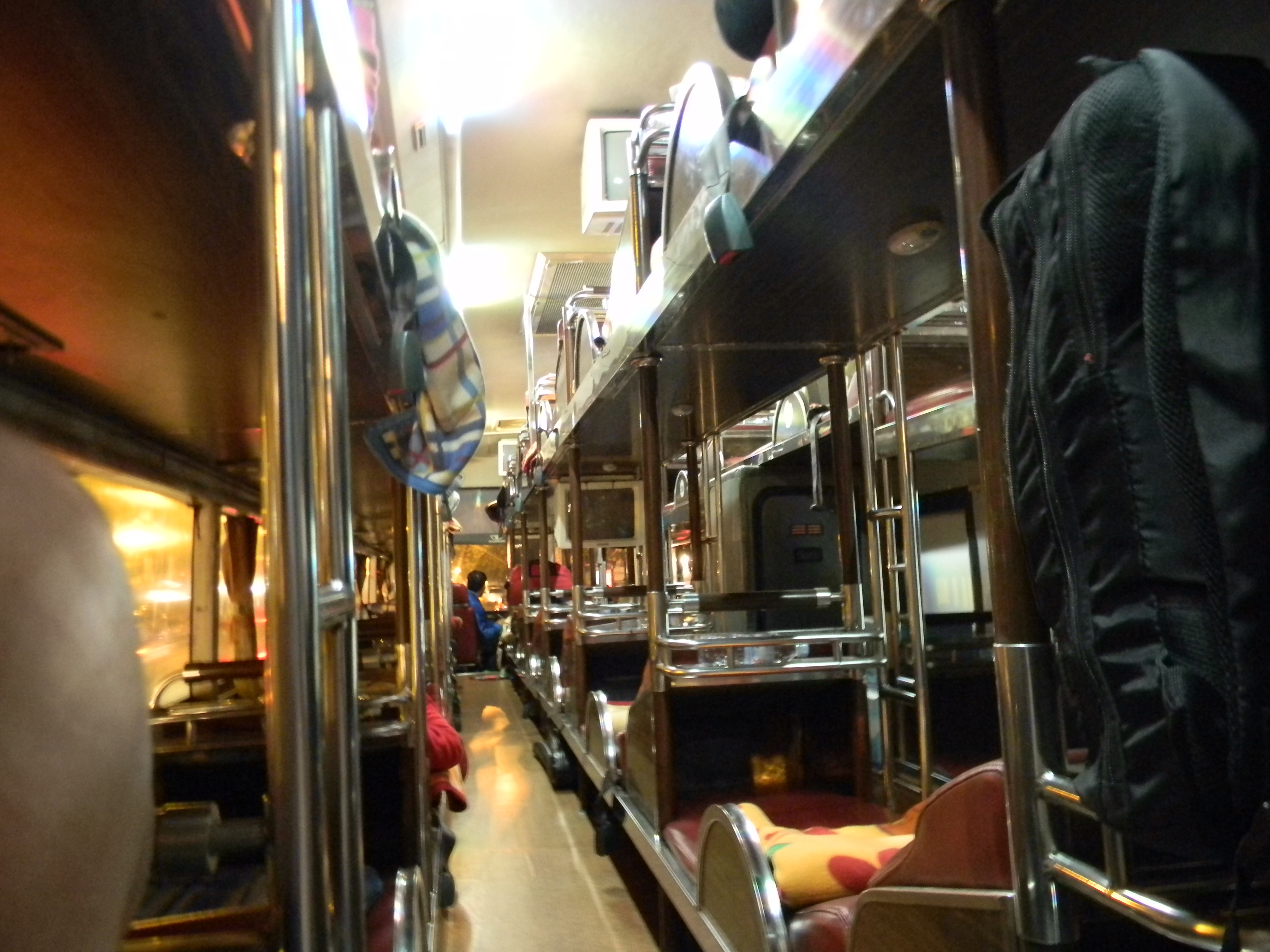
From Ho Chi Minh City: 7 hours by bus (multiple daily departures), or 1-hour flight. The Liên Khương airport is 30km south of town; taxis and Grab operate.
From Nha Trang: 4 hours by bus through stunning mountain scenery. The road climbs from sea level to 1,500m in under 50km.
From Mui Ne: 4.5 hours by bus.
The most scenic approach is by road — the winding ascent through pine-covered passes is one of the region's finest drives.
What Makes Đà Lạt Different
Architecture
Đà Lạt has the best-preserved collection of French colonial architecture in Vietnam — not single buildings, but entire hillside neighbourhoods of villas, pavilions, and European-style gardens. The 1930s–1950s structures have been largely protected because Đà Lạt was never heavily bombed and its cool climate slowed deterioration.

Đà Lạt's hillside villas — a French colonial townscape unlike anything elsewhere in Vietnam, still largely intact
The Crazy House (Hằng Nga Villa) — designed by a Vietnamese architect trained in Moscow — is the city's most eccentric landmark: a fantastical treehouse-guesthouse-sculpture park that defies every architectural convention. Worth seeing even if you don't stay.
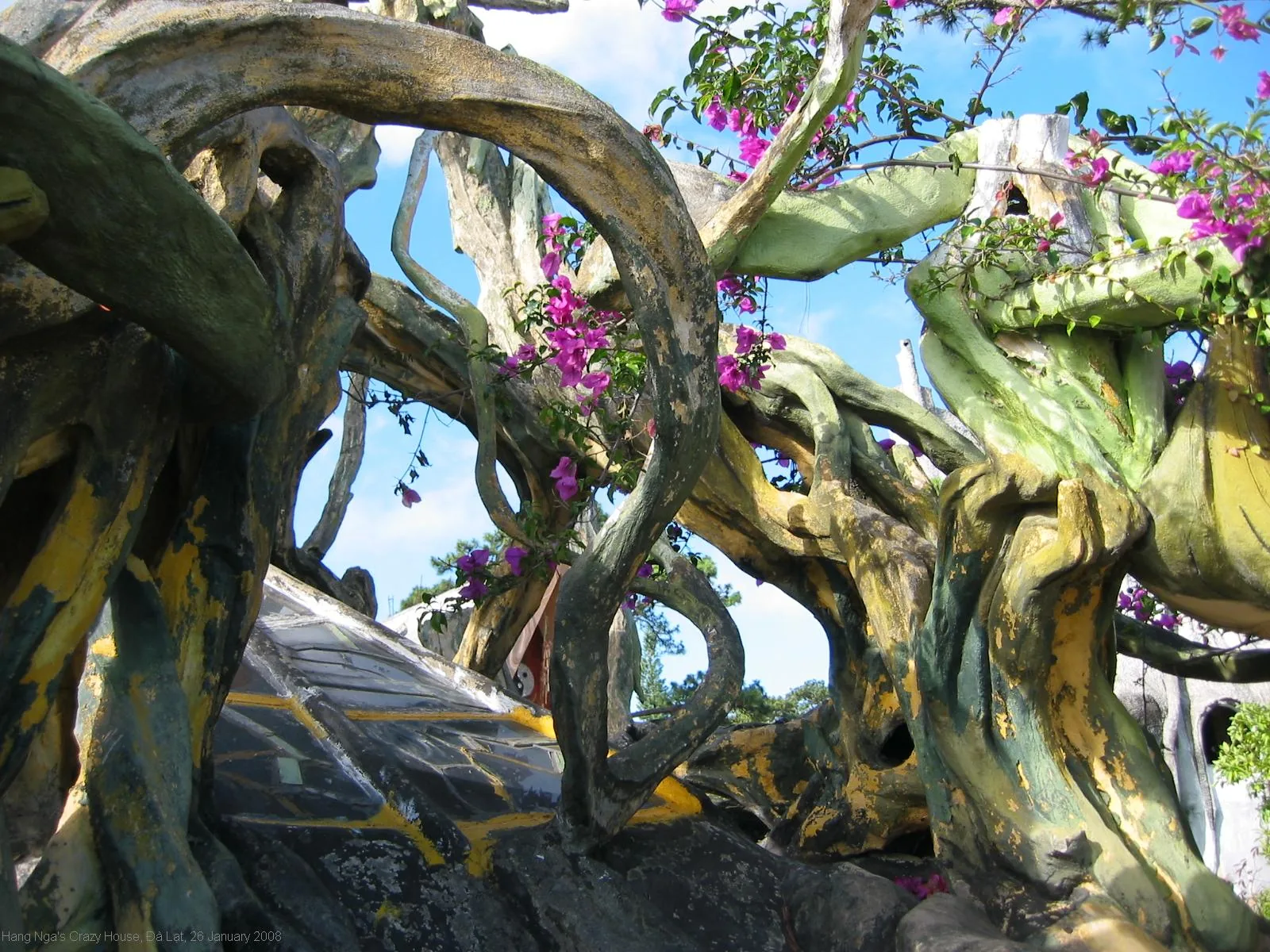
The Crazy House — designed by Đặng Việt Nga, daughter of a former General Secretary; you can stay overnight in one of its fantastical rooms
Produce and Food
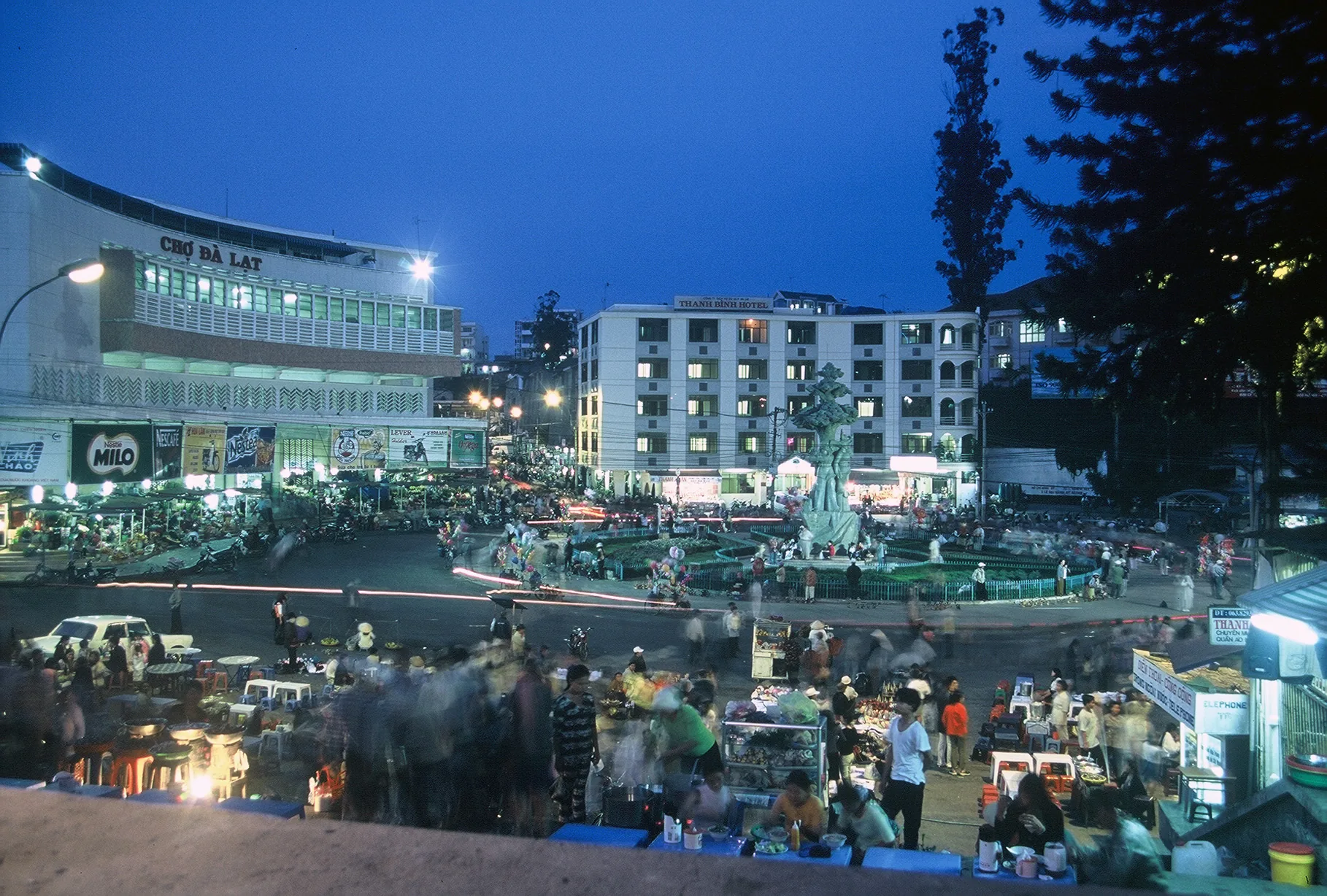
Đà Lạt is the vegetable garden of Vietnam. The cool climate produces temperate crops that won't grow anywhere else in the country: artichokes, strawberries, avocados, broccoli, kohlrabi, and over 100 varieties of flower. The morning market (chợ Đà Lạt) is outstanding — one of Vietnam's finest food markets.
Local specialities: bánh căn (small rice cakes in clay moulds), bánh tráng nướng (grilled rice crackers with egg and spring onion), sữa đậu nành (fresh warm soy milk on cold mornings), and artichoke tea.
Flowers
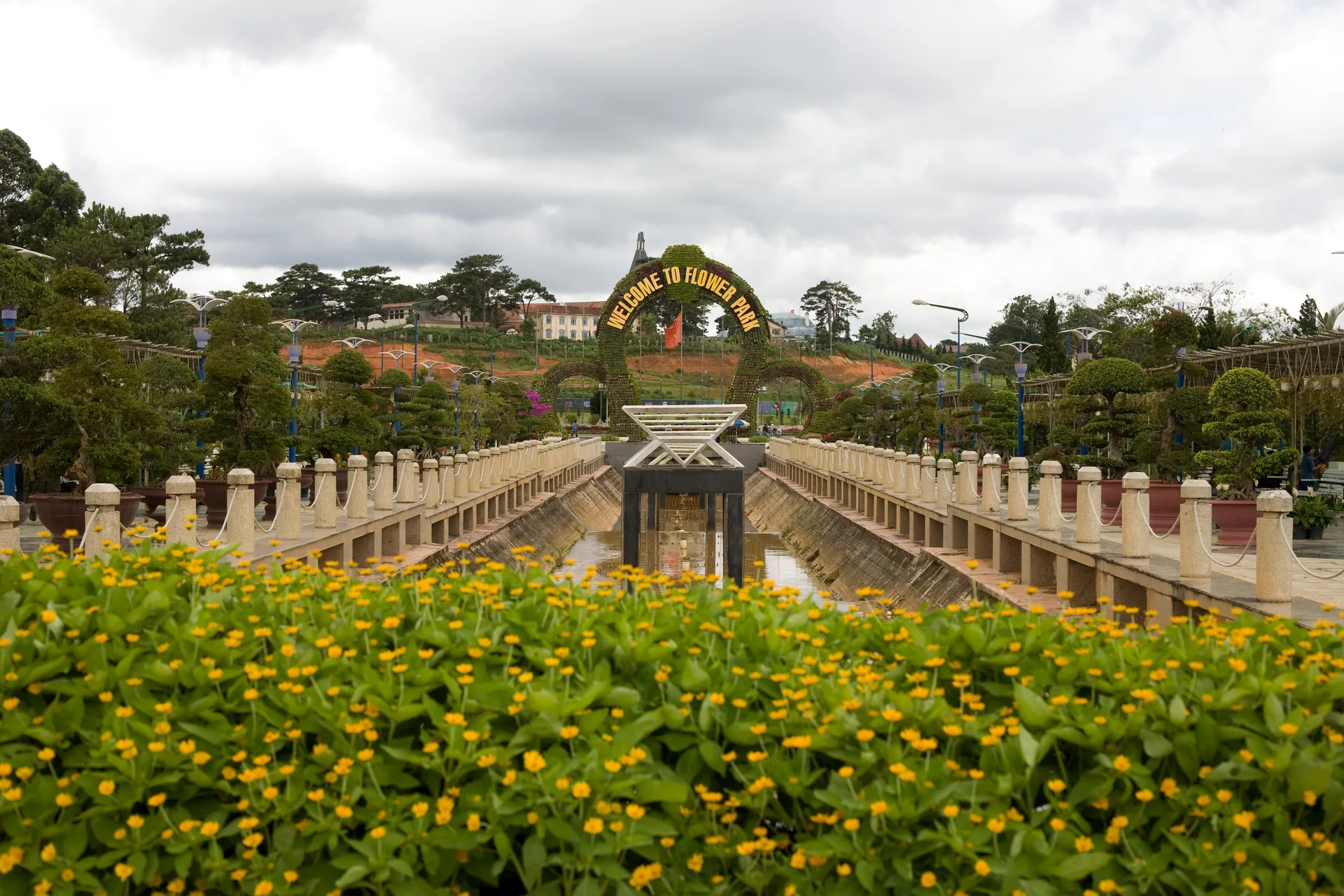
Đà Lạt supplies most of Vietnam's cut flower production. The flower fields around the city — particularly in the Vạn Thành and Thái Phiên districts — are at their most spectacular from December to February. The city hosts an annual Flower Festival (biennial, odd-numbered years) that fills the parks with elaborate displays.

Đà Lạt's flower farms — the highlands supply most of southern Vietnam's fresh flowers, with fields stretching across every available hillside
Things to Do
Xuân Hương Lake: The central lake is ringed by a 6km walking and cycling path. Paddle boats are available; the old train station sits at the eastern end.
Langbiang Mountain: 12km north of town, a 2-hour hike to twin peaks at 2,167m. Clear days give views across the entire plateau; the highlands around the summit are significantly cooler than the city.
Elephant Falls (Thác Voi): 30km southwest — a dramatic waterfall accessible via a steep descent through jungle. One of the most impressive in the south.
Valley of Love / Valley of Sorrows: Kitsch amusement park landscapes that are resolutely Vietnamese in aesthetic — enormously popular with domestic tourists and worth a visit for the spectacle if not the scenery.
Coffee farms: Đà Lạt produces Arabica coffee — rare in predominantly Robusta Vietnam. Several farms outside town offer tours and cupping sessions.
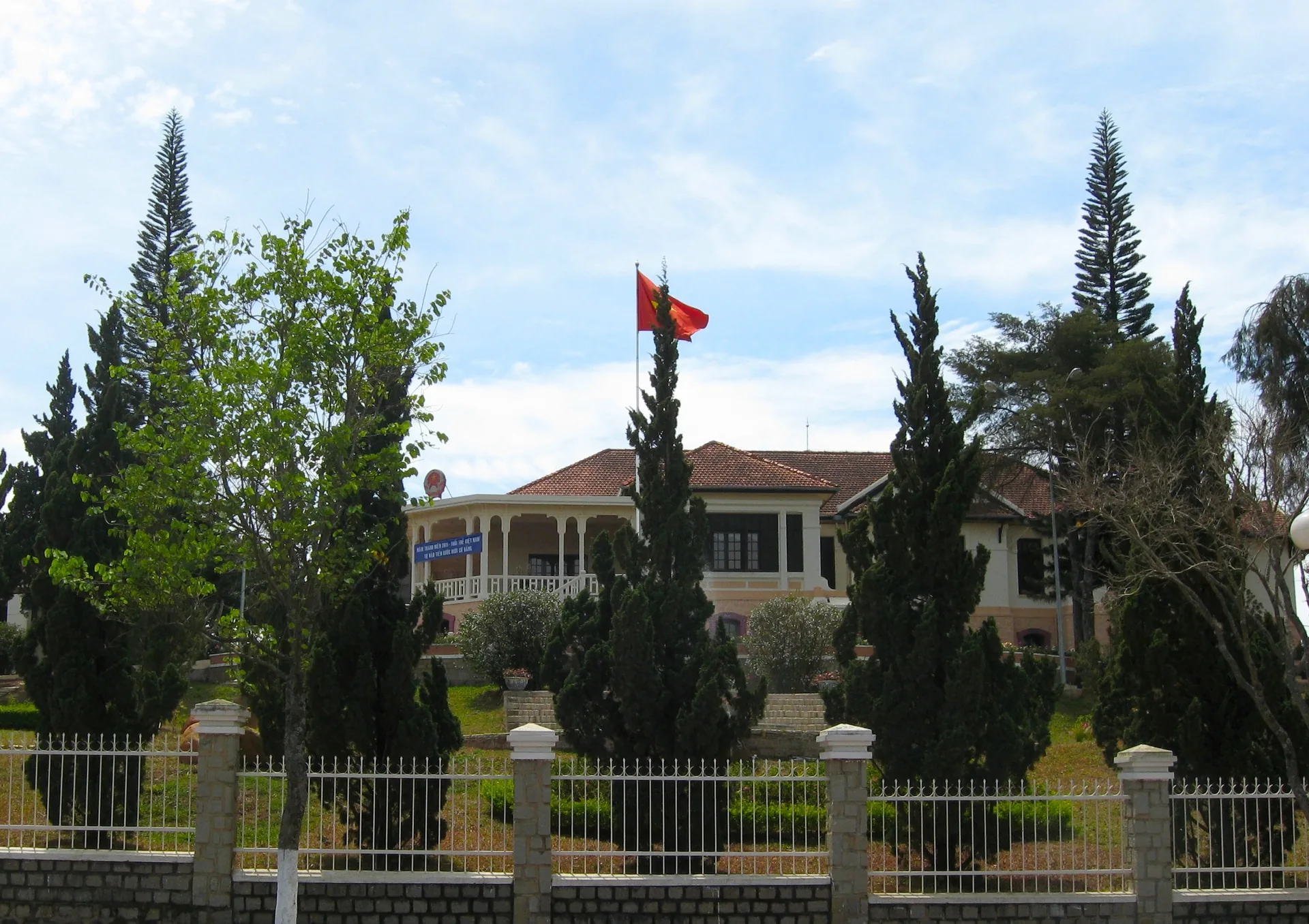
The Lâm Đồng highlands surrounding Đà Lạt — at 1,500m, the plateau supports crops found nowhere else in tropical Vietnam
Practical Notes
When to go: Dry season (November–April) is best. The wet season (May–October) brings afternoon rain most days, though mornings are often clear. December–January are peak season — book accommodation 2–3 weeks ahead.
Getting around: Motorbike rental is the ideal way to explore — $5–8/day. The roads are good and traffic lighter than the coast. Many attractions are 15–30km outside town.
What to bring: A light jacket is essential even in summer — evenings drop to 10–15°C year-round, and the highland wind at Langbiang summit can be genuinely cold.
How long: 2 nights minimum, 3–4 days ideal if you want to cycle the lake, hike Langbiang, visit farms, and explore the market properly.
Information notice: Prices, opening hours, and travel conditions can change. Content on EnViet is reviewed periodically but may not reflect the most current situation. Please verify important details with official or local sources before travelling or booking.
EnViet Editorial Team
The EnViet Editorial Team creates practical Vietnam travel and food guides using local knowledge, public sources, and manual editorial review. Content is reviewed before publication and updated periodically.