
Hoi An Tailors: How to Get Custom Clothes Made Right
Hội An has been famous for custom tailoring since the 16th century, when it served as one of Southeast Asia's busiest trading ports and cloth merchants from China, Japan, and India brought fabrics that local tailors would cut and sew on demand. The tradition never stopped. Today the Ancient Town has over 400 tailoring shops — roughly one for every six buildings in the old quarter — and remains the best place in Southeast Asia to have clothes made quickly and affordably.
This guide covers how to choose a tailor, what to bring, how fittings work, and how to avoid the most common mistakes.
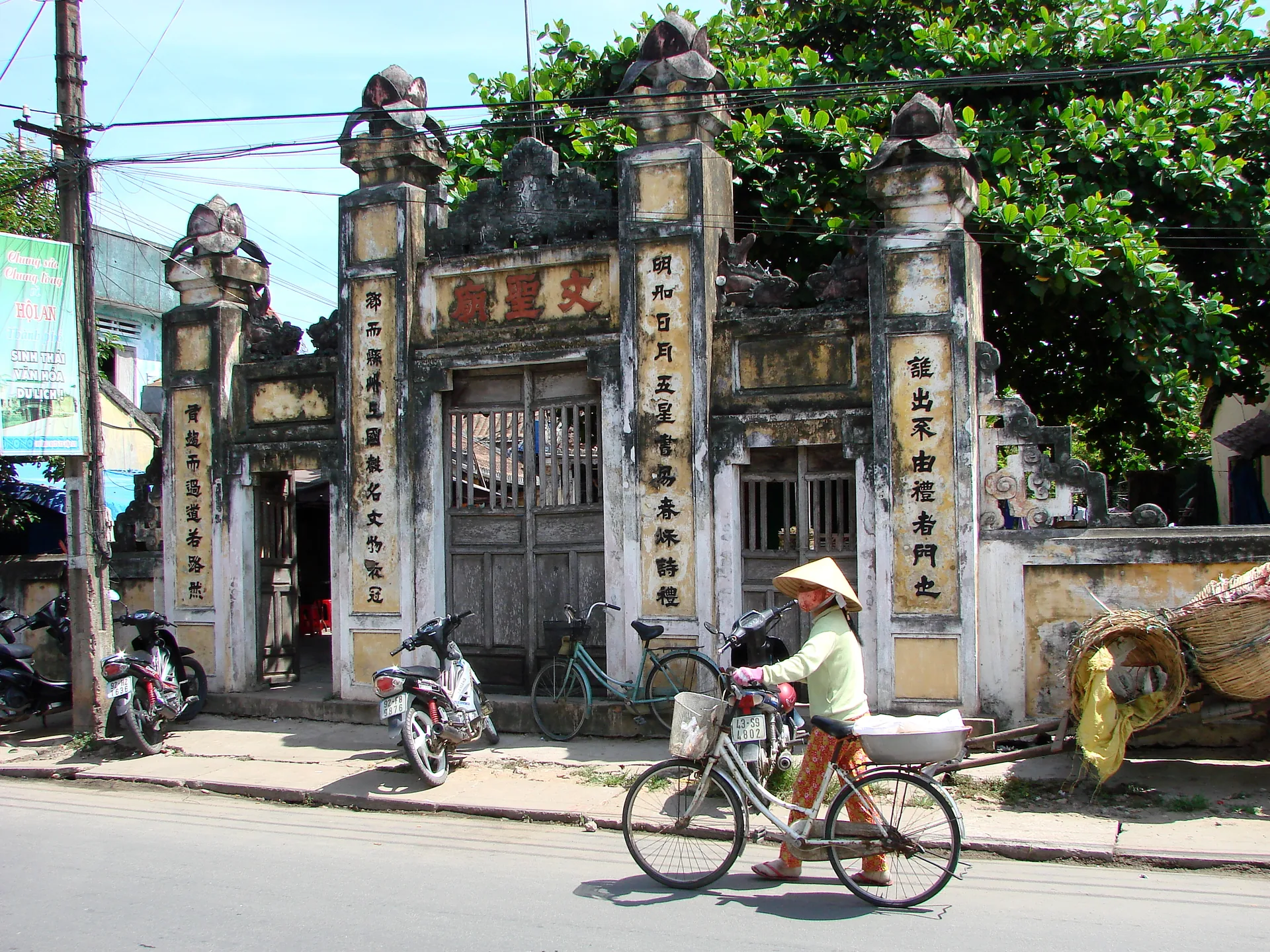
Hội An's Old Quarter — every second shopfront is a tailor; distinguishing good from mediocre requires some investigation
How Tailoring in Hội An Works
The basic process:
1. Choose a shop and discuss what you want
2. Browse fabric samples (or bring your own reference photos)
3. Measurements are taken — good shops take 10–15 measurements per garment
4. First fitting (usually 24–48h later) for alterations
5. Final pickup
Turnaround time ranges from 24 hours (rushed, inadvisable for anything complex) to 5–7 days (ideal for fitted suits, formal dresses, or multiple pieces). If you're visiting Hội An only briefly, plan your tailor visit for the first day to maximise fitting time.
What to Bring
Reference photos are essential. Tailors can replicate almost anything if they can see it clearly. Bring photos of:
- The garment style you want (collar shape, button style, lapel width, hem cut)
- The fabric colour and texture, if specific
Fabric photos from Pinterest or Instagram work perfectly. Screenshots of specific suit jackets or dress cuts are equally useful. The clearer your visual reference, the better the result.
Bring a garment you already love for reference measurements. A well-fitting shirt, suit jacket, or pair of trousers tells the tailor more than verbal descriptions.
Choosing a Shop
Hội An has so many tailors that the number itself creates confusion. Here's how to filter:
Ask to see their portfolio. Any reputable shop keeps albums of past work. Look for photos of finished garments on clients — not stock catalogue images — paying attention to collar lay, shoulder fit, and hem finish.
Ask about fabric sourcing. Good shops carry cotton, linen, silk, and wool fabrics sourced from Vietnam and abroad. If the fabric selection looks limited or low-quality, so will the result.
Avoid shops that quote prices before understanding what you want. A "suit for $50!" sign outside tells you something about the quality inside.
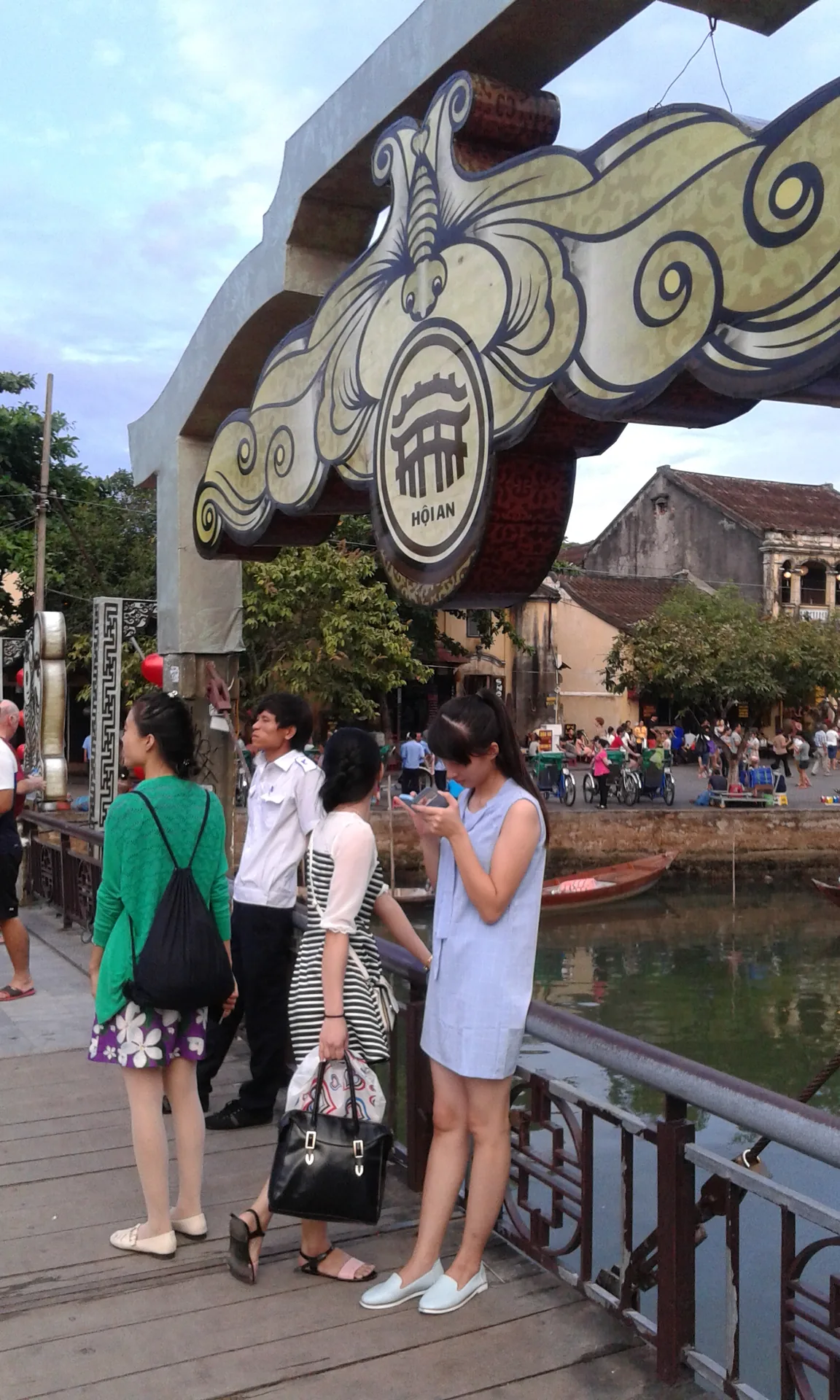
Morning in Hội An — visit tailors early in your stay to allow maximum time for fittings
Reputable shops (based on traveller feedback over many years) include Bà Lệ, Yaly Couture, Vina Vintage and A Dong Silk. That said, dozens of smaller, unnamed shops produce equally good work — the portfolio and fitting process matter more than the name.
Fabric Guide
| Fabric | Best for | Notes |
|---|---|---|
| Vietnamese silk | Áo dài, evening wear | Beautiful drape; wrinkles easily |
| Cotton | Shirts, casual trousers | Most practical; holds shape well |
| Linen | Suits, jackets for warm weather | Breathes well; wrinkles |
| Wool | Formal suits | Must be sourced well; ask origin |
| Synthetic blends | Avoid | Common in cheap shops; hot, shiny |
Always feel the fabric before agreeing. Good silk has weight and moves fluidly; cheap synthetic silk feels slippery and looks plastic in sunlight.
The Fitting
The first fitting reveals whether the shop understood your brief. Arrive with the reference photos you used at the initial consultation.

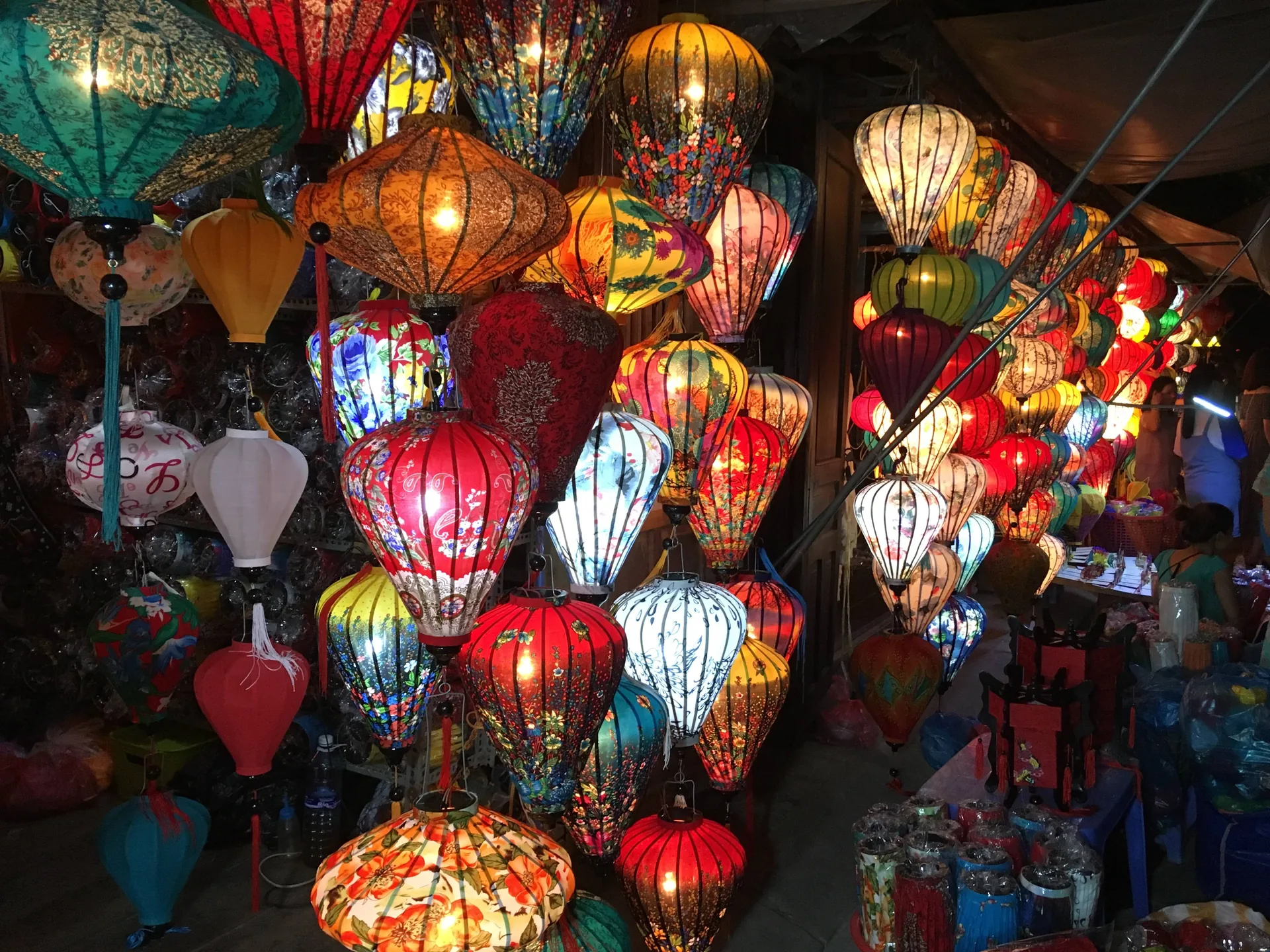
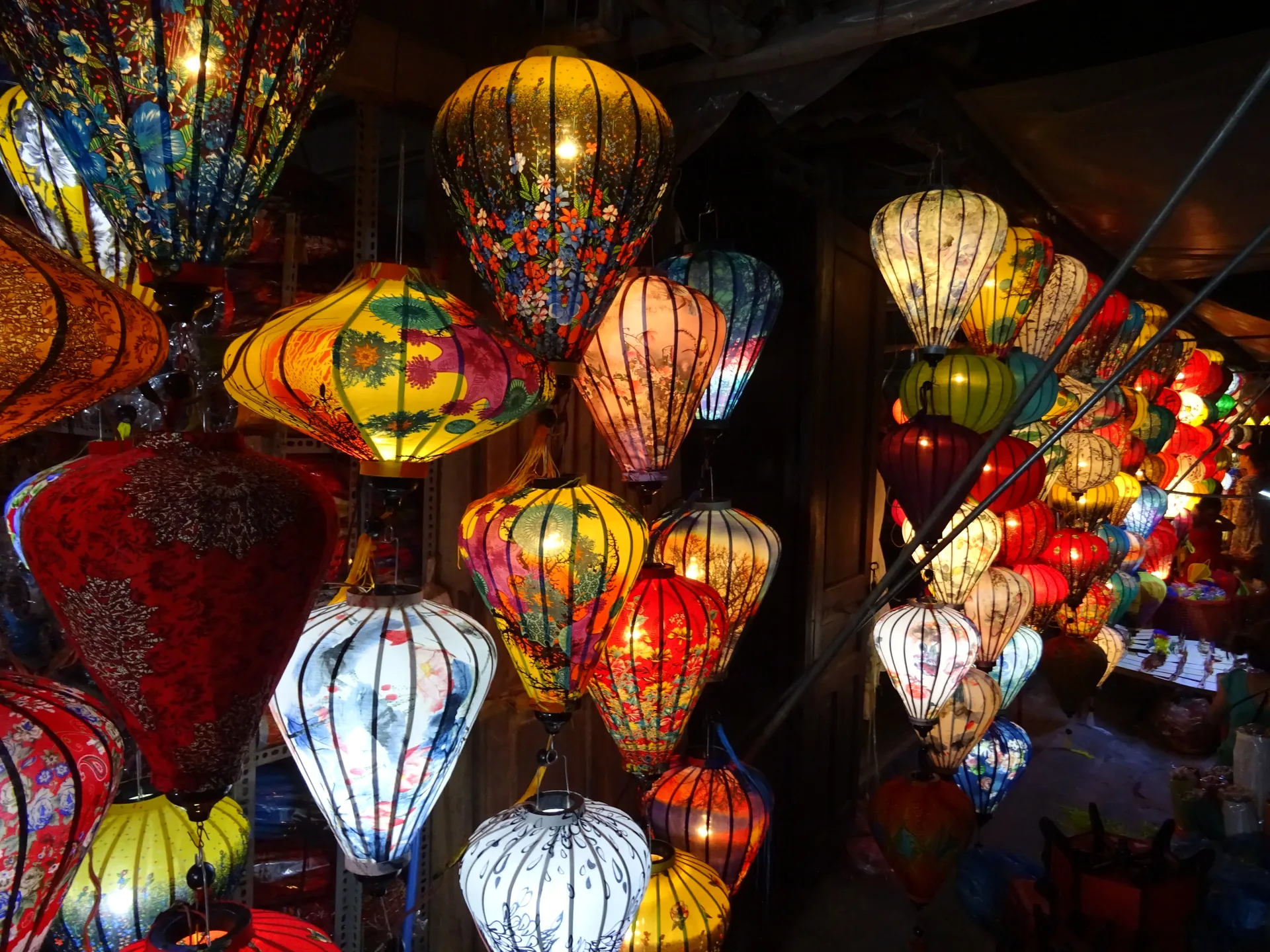
Hội An at night — evening is the best time to explore after your tailor fitting, when lanterns illuminate every street
Common adjustments needed at first fitting:
- Shoulder seam position (most important; hard to fix after completion)
- Sleeve length
- Chest and waist suppression in jackets
- Trouser seat and thigh room
Be specific and direct. "The shoulder seam should sit 1cm further back" is more useful than "it feels a bit tight." Good tailors welcome precise feedback.
What to Get Made
Best value items (worth the effort):
- Dress shirts (from ~$25 in good cotton)
- Linen or cotton summer suits (~$150–250 for two-piece)
- Áo dài (from ~$60 in silk)
- Linen trousers (~$30–50)
- Simple dresses (~$40–80)

The Japanese Covered Bridge — Hội An's most iconic structure, a 5-minute walk from most tailor shops
Items to approach with caution:
- Leather shoes (quality varies enormously)
- Complex knitwear
- Anything requiring very specific stretch fabric
Common Mistakes
Ordering too much too fast. Order one simple item first, evaluate the quality, then commission more. This is especially important on a first visit.
Not attending fittings. Some travellers skip fittings to save time. Without a fitting, the shop cannot correct errors — and there are always errors to correct.
Agreeing to unrealistic timelines. A well-constructed suit in 24 hours is rarely a well-constructed suit. Allow at least 3–4 days for anything complex.
Hội An's Thu Bồn riverfront at dusk — the same streets that 17th-century cloth merchants walked, now lined with tailors
Not negotiating clearly upfront. Agree on the total price, number of fittings, fabric, and collection date before work begins — in writing if possible.
Information notice: Prices, opening hours, and travel conditions can change. Content on EnViet is reviewed periodically but may not reflect the most current situation. Please verify important details with official or local sources before travelling or booking.
EnViet Editorial Team
The EnViet Editorial Team creates practical Vietnam travel and food guides using local knowledge, public sources, and manual editorial review. Content is reviewed before publication and updated periodically.