Vietnam Accommodation Guide: From Hostels to Luxury Resorts
Vietnam's accommodation market has expanded dramatically over the past two decades. Today you can spend $4 a night in a clean dorm bed or $400 in a Heritage-listed colonial hotel — and both options are genuinely good for what they are. Understanding the categories helps you match budget to experience rather than overspend out of unfamiliarity or underspend and miss out.
Accommodation Categories
Budget: Guesthouses and Hostels ($5–25/night)
Vietnam's budget accommodation is among the best value in Southeast Asia. A private room in a family-run nhà nghỉ (guesthouse) costs $10–20 in most cities, with air-conditioning and en-suite bathrooms. Dormitory beds in good hostels run $5–10.
Quality varies enormously. The best budget guesthouses are spotlessly clean with helpful owners who book transport and tours at honest prices. The worst are dark, damp, and run by taxi touts. Reviews on Booking.com and Hostelworld are reliable — prioritise places with 8.0+ scores and recent reviews.
Best areas for budget stays: Hanoi Old Quarter, Hội An riverfront, Đà Nẵng beachfront, backpacker districts in Ho Chi Minh City (Phạm Ngũ Lão area).
Mid-Range: Mini Hotels ($25–80/night)
Vietnam's mid-range is strong. For $40–60 a night, a privately owned mini hotel typically offers: a large air-conditioned room, good wifi, daily housekeeping, a small breakfast, and an owner or manager who speaks enough English to handle logistics.
The term "mini hotel" describes a Vietnamese-owned property of 10–30 rooms, usually in a converted shophouse or purpose-built 5–8 floor building. These aren't international brands — they're family-run operations that live or die on their reviews, which means service tends to be attentive.
Traditional wooden architecture adapted as accommodation — particularly common in Hội An's heritage district
Boutique Hotels ($80–200/night)
Vietnam has a thriving boutique hotel scene, particularly in Hội An, Hanoi, and Đà Lạt. These properties tend to draw on Vietnamese architectural heritage: courtyard layouts, dark wood furniture, local artwork, rooftop terraces. Most have pools. Breakfast is invariably included and usually very good.
Hội An has the densest concentration of boutique hotels in the country — several properties here rank among the finest in Southeast Asia at their price point.
International Luxury ($200+/night)
All major international chains operate in Vietnam's main cities (Hanoi, Ho Chi Minh City, Đà Nẵng, Nha Trang). Beyond the chains, Vietnam has several legacy luxury properties that are worth knowing about:
- Sofitel Metropole Hanoi: Built 1901; the finest colonial hotel in Hanoi, and possibly Vietnam
- La Résidence Hôtel & Spa, Huế: Former French Governor's residence on the Perfume River
- Four Seasons Nam Hai, Hội An: Beach resort widely considered Vietnam's best

French colonial architecture in Hanoi — the city's most historic buildings now house some of its finest hotels and restaurants
Accommodation by Region
Hanoi
The Old Quarter is the most atmospheric location — within walking distance of Hoàn Kiếm Lake, street food, and the city's main sights. Streets narrow and traffic is constant. For quieter nights, the West Lake area (Tây Hồ) offers boutique guesthouses on the lakeside and a European-café atmosphere.
Ho Chi Minh City (Saigon)
District 1 is the centre of everything — international hotels, rooftop bars, Ben Thanh Market. District 3 is slightly quieter with good mid-range options. Thảo Điền (District 2) has villa-style boutique guesthouses popular with longer-stay visitors.

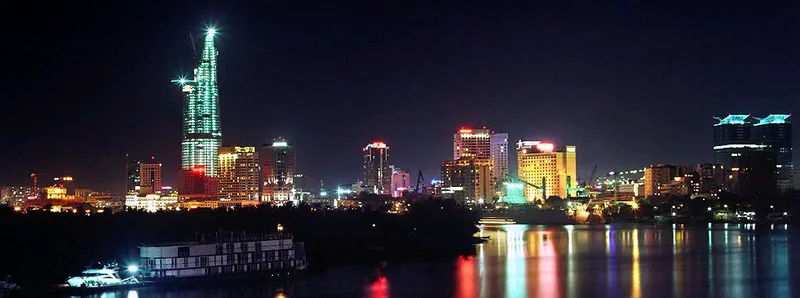
Ho Chi Minh City — accommodation options range from $5 dorm beds to $500 rooftop suites across a dozen distinct districts
Hội An
Book in advance for Hội An — particularly October–March (peak season). The best boutique hotels fill 2–3 months ahead. Stay either in the Ancient Town (atmospheric but no motorbikes at certain hours) or Cửa Đại beach area (quieter, 5km from town).
Huế
The riverside stretch near the Trường Tiền Bridge is the most convenient hotel zone. The Citadel area on the north bank of the Perfume River has several boutique properties. Huế tends to be better value than Hội An for equivalent quality.

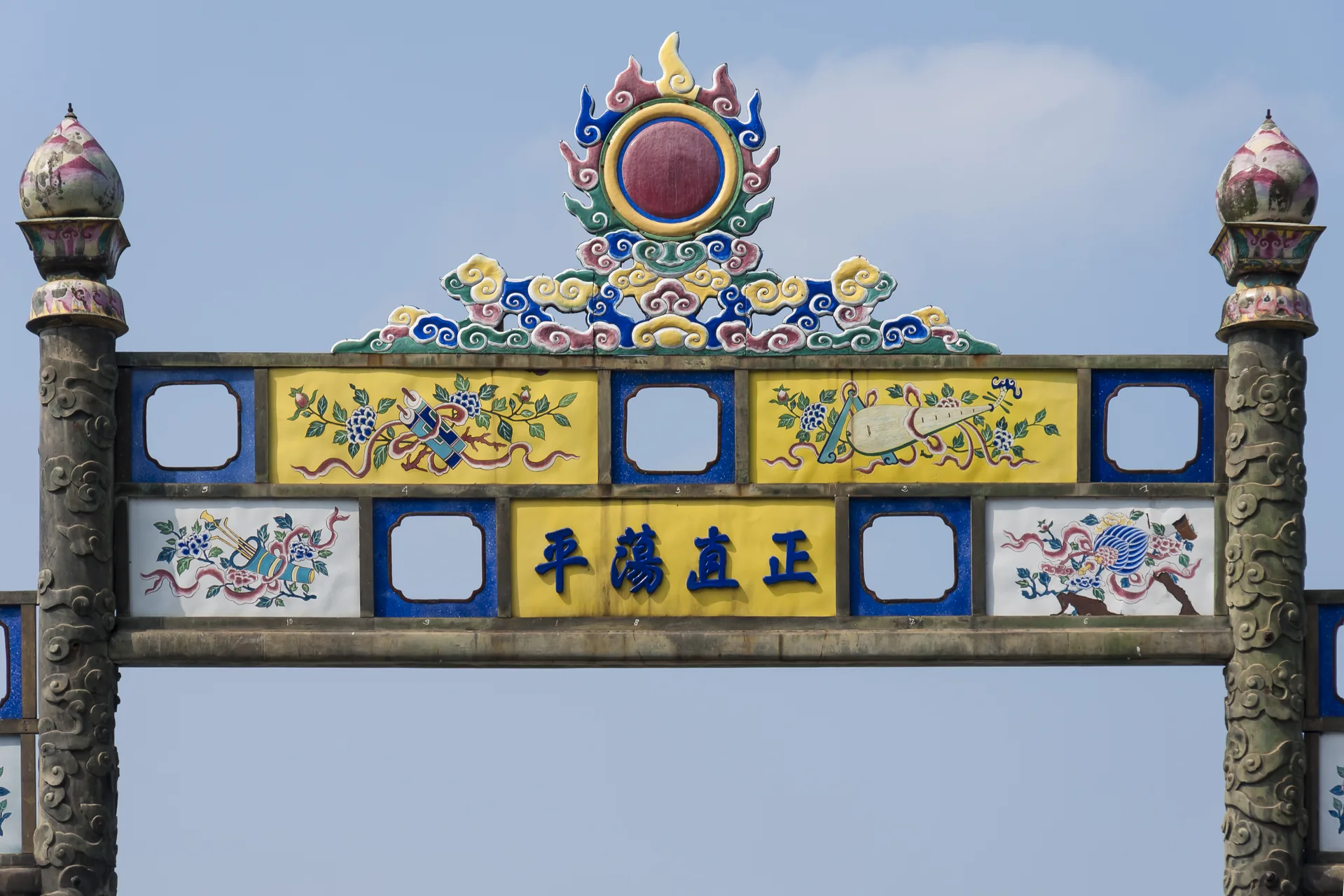
Huế's Citadel district — accommodation near the imperial complex combines convenience with genuine historic atmosphere
Da Nang
Đà Nẵng's hotel strip runs along My Khe Beach — mostly large resort hotels with direct beach access. The city centre (west of the Han River) has better-value mid-range options and access to the city's excellent restaurant scene.
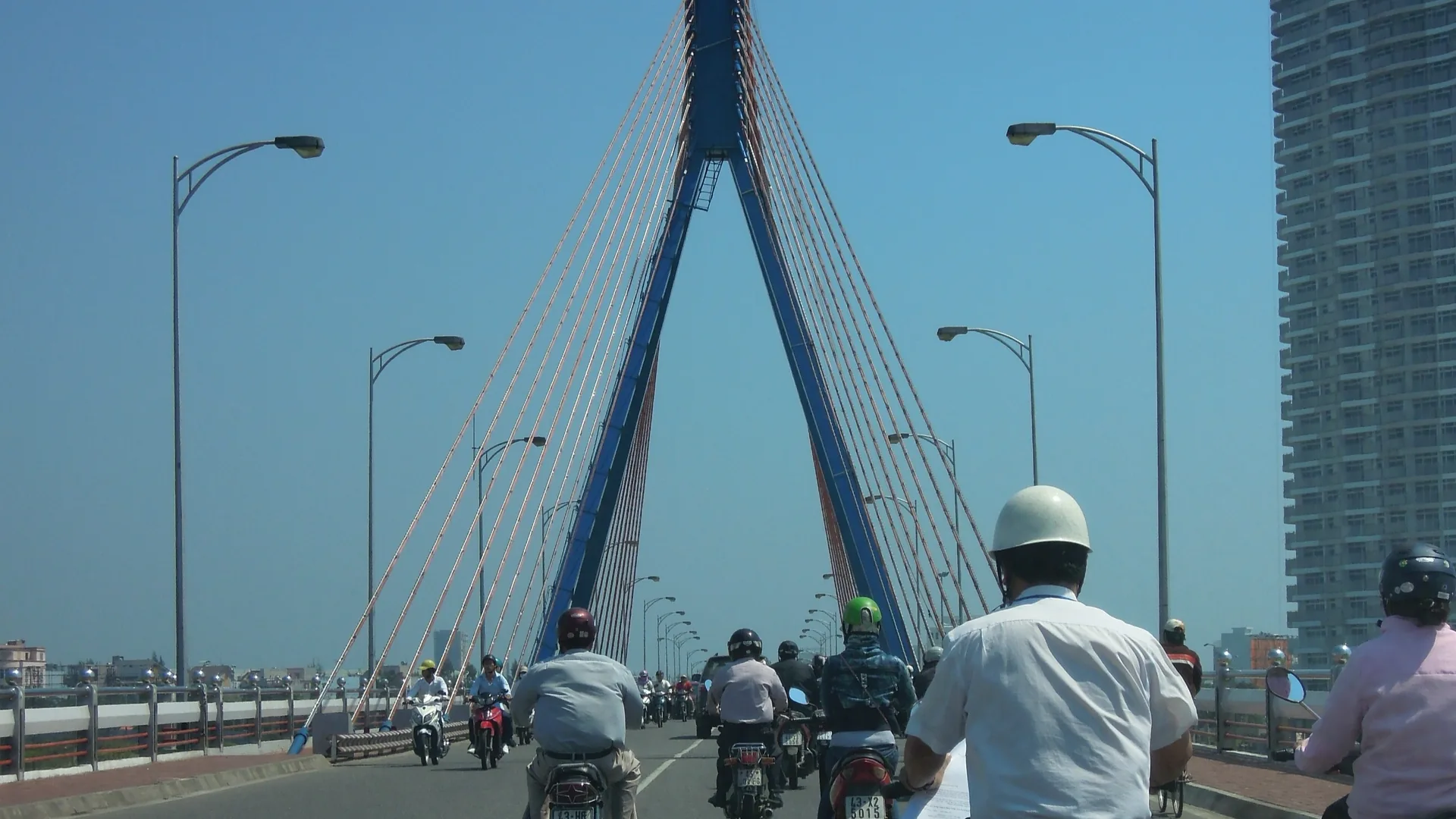
Đà Nẵng's Dragon Bridge — the city combines a full-service beach resort strip with a real Vietnamese city, unlike more isolated resort destinations
Booking Platforms
Booking.com dominates Vietnam accommodation booking — the widest inventory, reliable reviews, and free cancellation on most properties. Agoda often has better rates for Asian-owned properties. Airbnb has limited but growing inventory, particularly for apartment stays in Hanoi and HCMC.
Always check whether the property charges a direct-booking discount — smaller guesthouses often offer 5–10% off if you email them directly to avoid platform commissions.
What to Watch For
"Sea view" claims: In coastal towns, verify that "sea view" means sea view from the room, not a partial glimpse from the rooftop. Street-view rooms are significantly cheaper and often perfectly adequate.
Noise: Vietnamese cities wake up early and stay up late. Rooms facing the street in the Old Quarter of Hanoi can be very loud. Ask specifically for a higher-floor, interior-facing, or rear room if noise is a concern.
Check-in times: Standard check-in is 2–3pm in Vietnam. Early arrivals (before noon) may wait unless a prior arrangement is made or an extra half-day charge is paid. Most reputable properties will store luggage.
Breakfast quality: "Breakfast included" ranges from a piece of toast and instant coffee to a full Vietnamese and Western spread. Read reviews specifically mentioning breakfast before choosing based on this.
Information notice: Prices, opening hours, and travel conditions can change. Content on EnViet is reviewed periodically but may not reflect the most current situation. Please verify important details with official or local sources before travelling or booking.
EnViet Editorial Team
The EnViet Editorial Team creates practical Vietnam travel and food guides using local knowledge, public sources, and manual editorial review. Content is reviewed before publication and updated periodically.