Vietnamese Festivals: A Year-Round Calendar
Vietnam's festival calendar runs continuously across the year, with most events tied to the lunar calendar. Understanding which festivals fall during your travel dates — and what they mean for crowds, closures, transport, and the atmosphere on the ground — can shape an entire itinerary. Here is a month-by-month guide to the most significant celebrations.
January–February: Tết Season
Tết Nguyên Đán (Vietnamese Lunar New Year) is the year's defining event. The holiday falls in late January or February depending on the lunar calendar. In the two weeks surrounding Tết, Vietnam transforms: flower markets bloom, cities fill with light installations, transport becomes expensive and scarce, and then — for three days — almost everything shuts as families reunite.
The midnight fireworks on giao thừa (New Year's Eve) are spectacular in every major city. Hoàn Kiếm Lake in Hanoi and the riverfront in Saigon are the focal points.
Tết dates: 29 January 2025 / 17 February 2026 / 6 February 2027.
Táo Quân (Kitchen God Day, 3 days before Tết): Families release live fish into lakes and rivers as offerings — a remarkable sight at Hoàn Kiếm Lake in Hanoi.
March: Hùng Kings Festival
Giỗ Tổ Hùng Vương (Hùng Kings Commemoration) — a national public holiday on the 10th day of the 3rd lunar month — honours the legendary founders of the Vietnamese nation at the Hùng Kings Temple complex in Phú Thọ Province, 85km from Hanoi. Hundreds of thousands of Vietnamese make the pilgrimage. The temple complex fills with processions, ceremonies, and offerings.
For travellers: Phú Thọ is a straightforward bus journey from Hanoi. The festival is intensely Vietnamese — not tourist-oriented — making it one of the most authentic large-scale events a foreign visitor can witness.

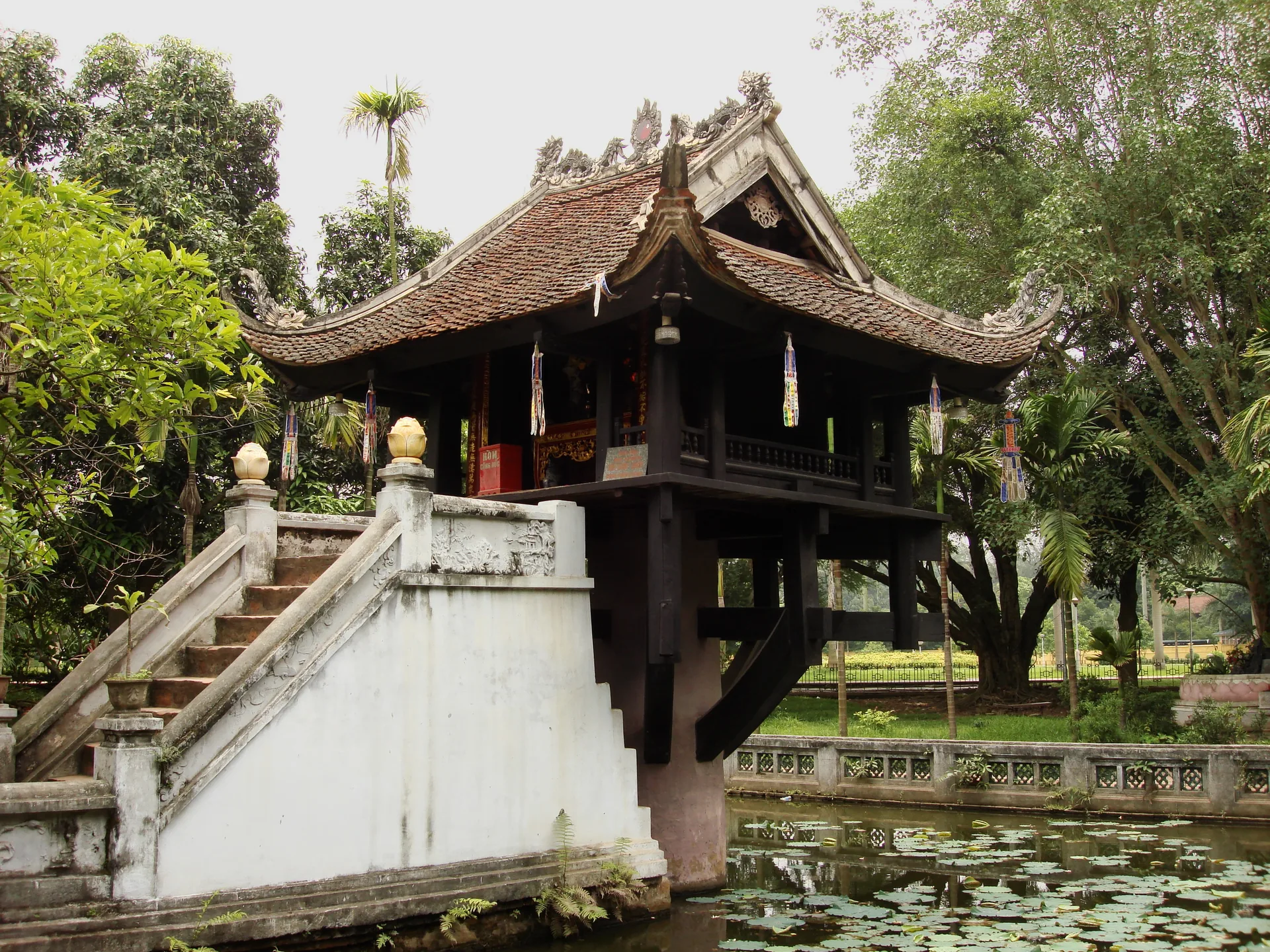
A Vietnamese temple ceremony — the ritual of incense offering is central to most of Vietnam's lunar calendar festivals
April: Hội An Full Moon Lantern Festival
Hội An Lantern Festival (Phố Đèn Lồng) happens on the 14th day of each lunar month — meaning roughly monthly, but the April edition (which usually overlaps with the full moon nearest to 30 April) draws the largest crowds.
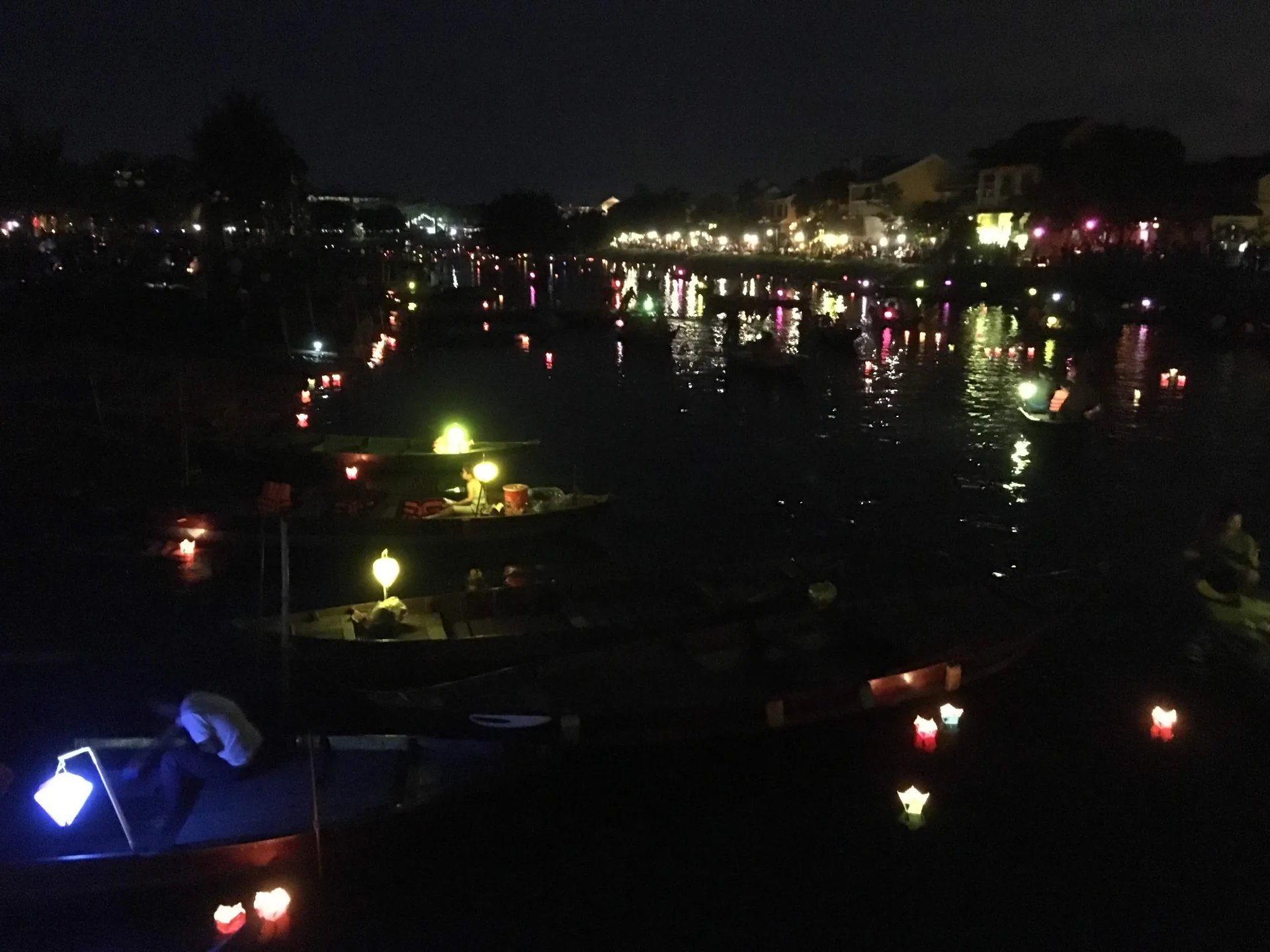
Electric lights are switched off in the Old Quarter. Silk lanterns take over every building and street. Candle boats are released on the Thu Bồn River. It is the most photogenic event in Vietnam.

The Hội An Full Moon Lantern Festival — held monthly but at its most spectacular in April and during Tết season
30 April and 1 May: National public holidays marking the end of the Vietnam War (Reunification Day) and International Labour Day. Major events in Hanoi and Ho Chi Minh City; some businesses close.
May–June: Buddha's Birthday
Phật Đản (Buddha's Birthday) — on the 15th day of the 4th lunar month — is one of the most visually arresting events in Vietnam. Pagodas across the country are decorated with elaborate lotus flower arrangements and lights. Monks lead processions. The celebrations are particularly significant in Huế, Vietnam's Buddhist heartland, where the Từ Đàm and Thiên Mụ pagodas host major ceremonies.
August: Ghost Month
The 7th lunar month is Tháng Cô Hồn — Ghost Month. Families leave offerings of food, incense, and paper money at roadsides and in front of businesses for wandering spirits. The 15th day (the full moon) is the peak, when large roadside burning ceremonies (đốt vàng mã) are held across the country.
A festival ceremony in Vietnam — incense, candles, and offerings mark the lunar calendar's most spiritually significant dates
Ghost Month coincides with the approach of typhoon season in central Vietnam — worth noting for travel planning.
September: National Day
Quốc Khánh (National Day, 2 September) marks the declaration of independence in 1945. Major parades and ceremonies take place in Hanoi's Ba Đình Square, where Hồ Chí Minh's mausoleum stands. Performances and fireworks follow in the evening.
October: Hội An for the Year's Best Full Moon
October–November is generally considered the best time for the Hội An Lantern Festival — crowds are slightly smaller than peak summer, the weather is mild, and the silk lanterns look finest in the cooler evening air.

Hội An's Old Quarter — the October and November full moon evenings are considered the finest time to experience the lantern festival
November: Hội An and Đà Lạt Flower Festival
The Đà Lạt Flower Festival is held in even-numbered years (2024, 2026) in late November–early December, filling the city's parks and lake perimeter with elaborate floral sculptures. It is Vietnam's most spectacular non-lunar festival.
Hội An Lantern Festival in November is typically the second-most-visited edition of the year.
December: Christmas and New Year
Christmas is celebrated warmly in Vietnam's Catholic communities — particularly in Hanoi and in Catholic-majority provinces. Christmas Eve street celebrations around the city's Catholic cathedrals draw large crowds. New Year's Eve fireworks in Hanoi, Saigon, and Đà Nẵng are large-scale events.
Quick Calendar
| Month | Festival |
|---|---|
| Jan–Feb | Tết Nguyên Đán (Lunar New Year) |
| March | Hùng Kings Festival |
| Monthly | Hội An Full Moon Lantern Festival |
| April | 30 April Reunification Day |
| May–June | Phật Đản (Buddha's Birthday) |
| August | Ghost Month peak |
| September | National Day (2 Sep) |
| Nov (even years) | Đà Lạt Flower Festival |
| December | Christmas Eve cathedral celebrations |

Hanoi decorated for a national festival — the capital goes all-out for Tết, National Day, and the winter holiday season
Information notice: Prices, opening hours, and travel conditions can change. Content on EnViet is reviewed periodically but may not reflect the most current situation. Please verify important details with official or local sources before travelling or booking.
EnViet Editorial Team
The EnViet Editorial Team creates practical Vietnam travel and food guides using local knowledge, public sources, and manual editorial review. Content is reviewed before publication and updated periodically.