Vietnam for First-Timers: Visas, Money, Traffic, and What to Actually Expect
Vietnam rewards first-time visitors more than almost any other country in Southeast Asia — but it also surprises them. The traffic is chaotic, the distances are longer than maps suggest, the food is extraordinary, and the people are warm in ways that no travel guide quite prepares you for. This guide covers what you actually need to know before you arrive.
Visa and Entry
Most nationalities require a visa to enter Vietnam. The simplest option is the e-Visa, available at evisa.xuatnhapcanh.gov.vn — a single-entry 90-day visa that costs USD 25 and takes 3 business days to process. Apply at least a week before your trip to avoid delays.
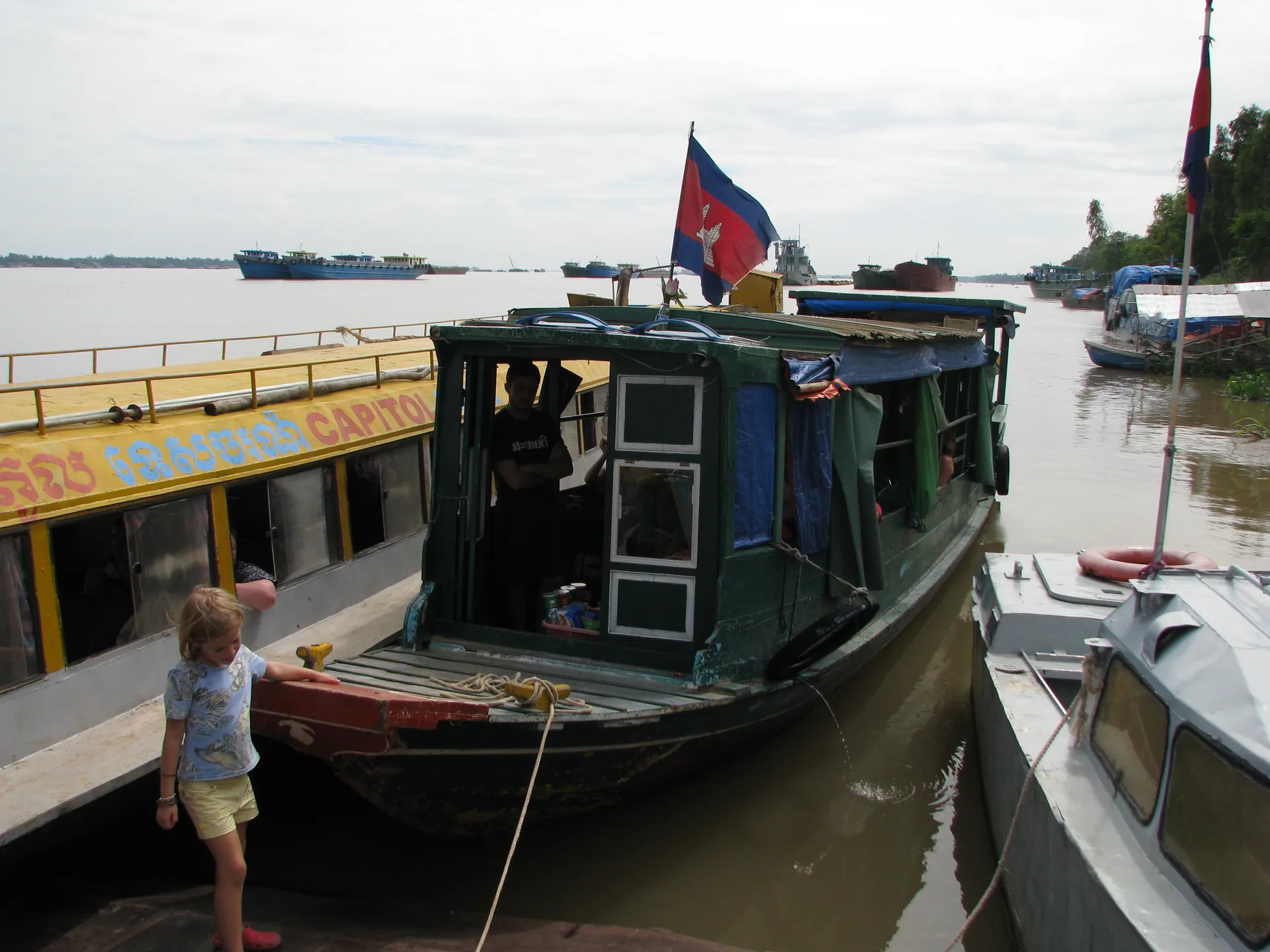
Vietnam's e-Visa allows 90 days single entry; most nationalities are eligible and the process takes 3 business days online
Citizens of 25+ countries (including UK, France, Germany, Italy, Spain, and several Asian nations) receive visa-free entry for 45 days. Check the current exemption list before applying — the list changes.
On arrival: Your passport must be valid for at least 6 months beyond your entry date. Immigration at major airports is efficient; allow 20–30 minutes.
Money and Costs
The Vietnamese đồng (VND) uses large denominations — 500,000 đồng notes are the most common high-value notes, worth about USD 20. ATMs dispense in multiples of 500,000. The large numbers can be confusing: always double-check you're reading the denomination correctly.
Daily costs vary dramatically by travel style:
- Budget backpacker: USD 30–50/day (hostel, street food, local transport)
- Mid-range: USD 80–150/day (good guesthouses, restaurant meals, occasional taxis)
- Comfort: USD 200+/day (boutique hotels, private tours, business-class dining)
Credit cards are accepted at hotels and larger restaurants in cities. Street food stalls, local transport, and markets are almost entirely cash-only. Carry smaller denominations — 20,000–100,000 đồng — for everyday purchases.
Getting Around
Vietnam is long (1,650km north to south) and its key destinations are spread across that distance. You'll need to move efficiently between them.
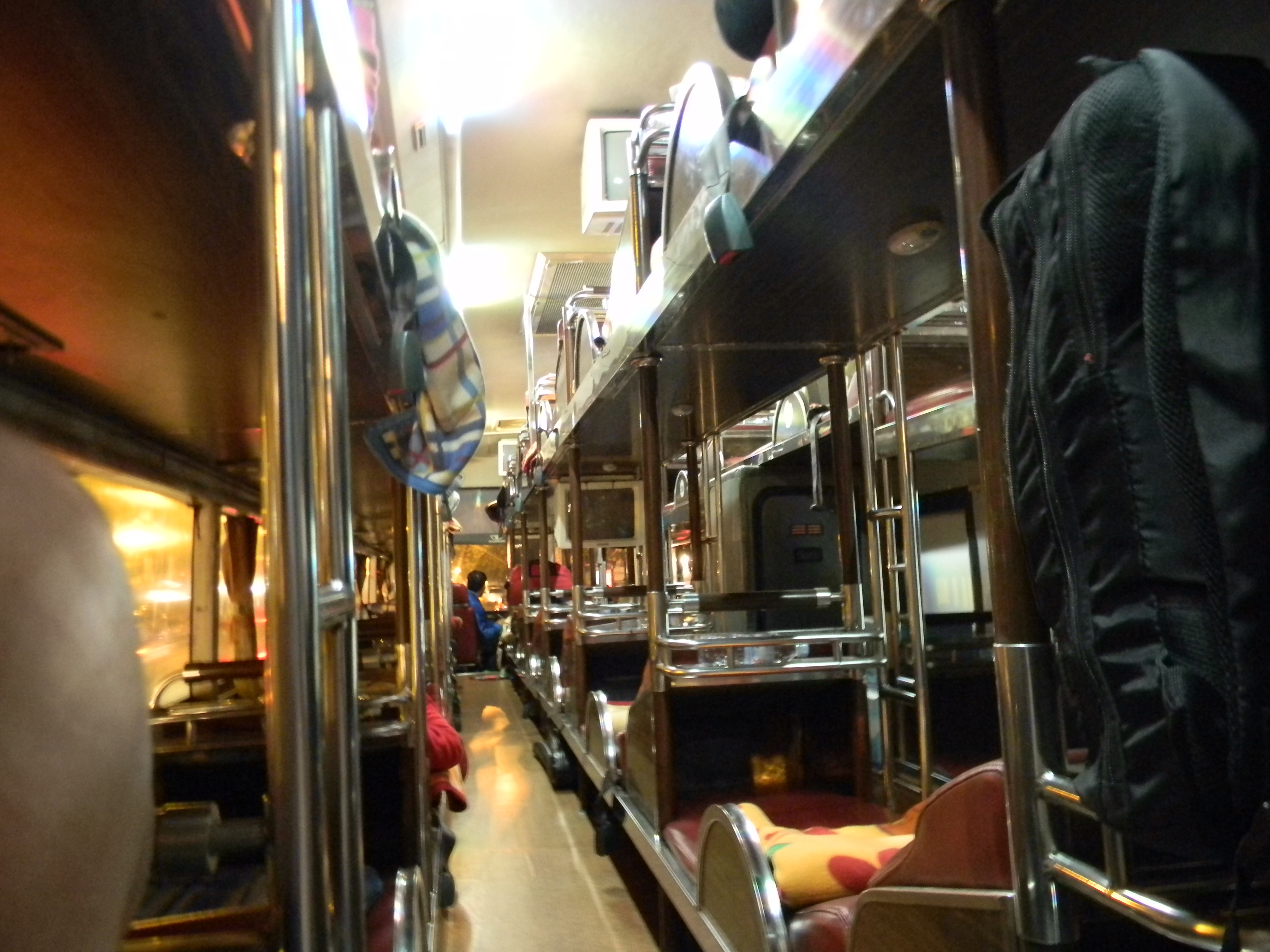
Overnight train: The Reunification Express connects Hanoi and Ho Chi Minh City over 30+ hours, with stops at Đà Nẵng, Huế, and others. Soft sleeper berths are comfortable and scenic. Book at dsvn.vn.
Budget flights: VietJet, Bamboo Airways, and Vietnam Airlines serve domestic routes. Hanoi–Ho Chi Minh City takes 2 hours and costs USD 30–80. For long north–south distances, flying is usually the right choice.
Local buses and grab: In cities, Grab (Southeast Asia's Uber equivalent) is cheap, reliable, and works without Vietnamese language skills. Download it before you arrive.
The North–South Decision
Most first-time visitors face a key structural choice: fly into one end of the country and out the other, or base yourself in one region.
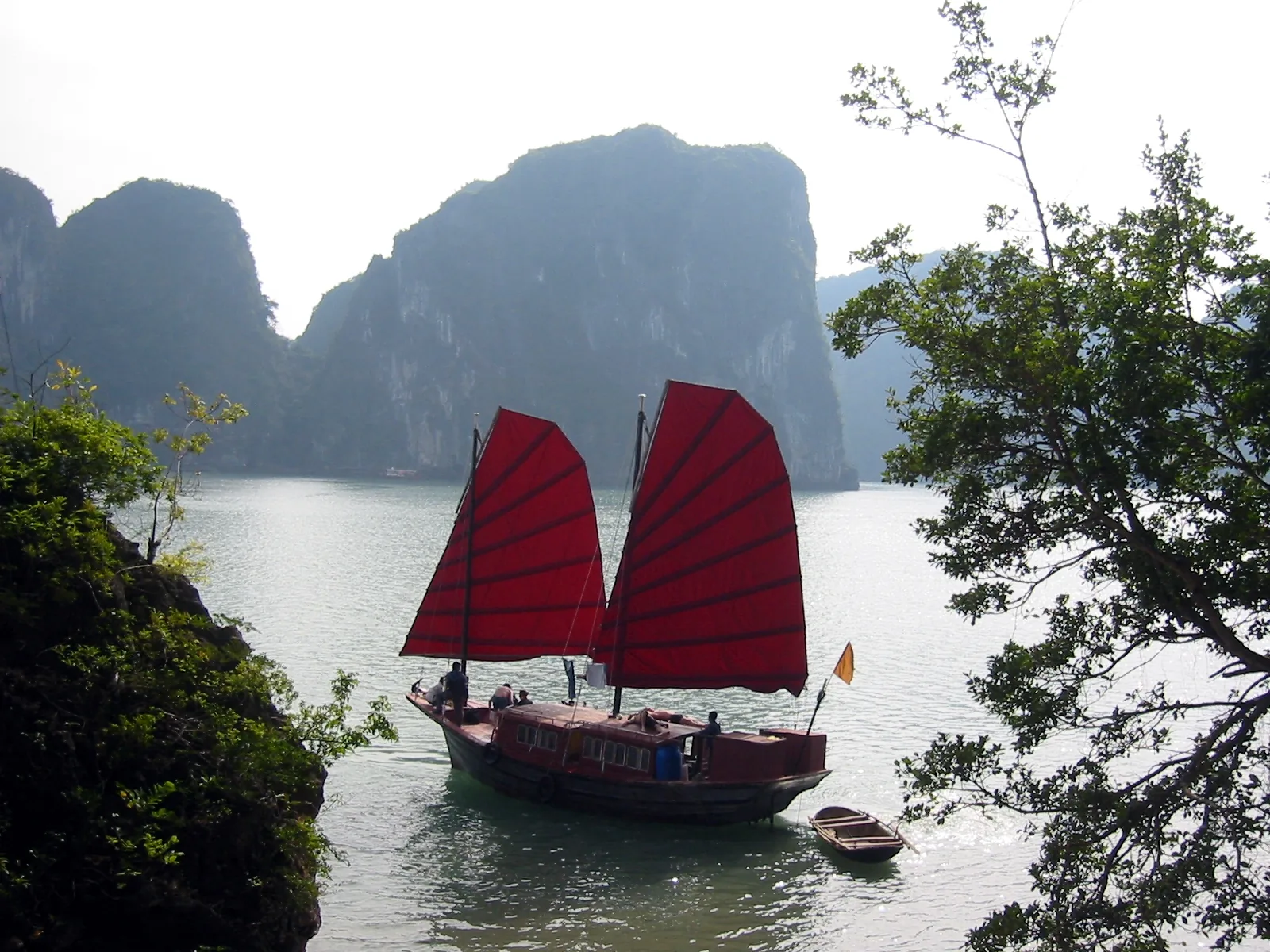
Hạ Long Bay, Quảng Ninh Province — 1,969 islands of limestone karst rising from emerald water; a 2-day overnight cruise is the standard format
A classic 3-week route:
1. Hanoi (3 nights) + Hạ Long Bay cruise (2 nights)
2. Huế (2 nights) + Hội An (3 nights)
3. Đà Nẵng day trip + flight south
4. Ho Chi Minh City (2 nights) + Mekong Delta day trip (1 day)
This covers the essential geographic arc. If you only have 10 days, pick either the north or south and do it properly rather than rushing the whole country.
Food: What to Eat and Where
Vietnamese food is among the world's best and most regionally distinct. Each area has specialties that don't really exist anywhere else.
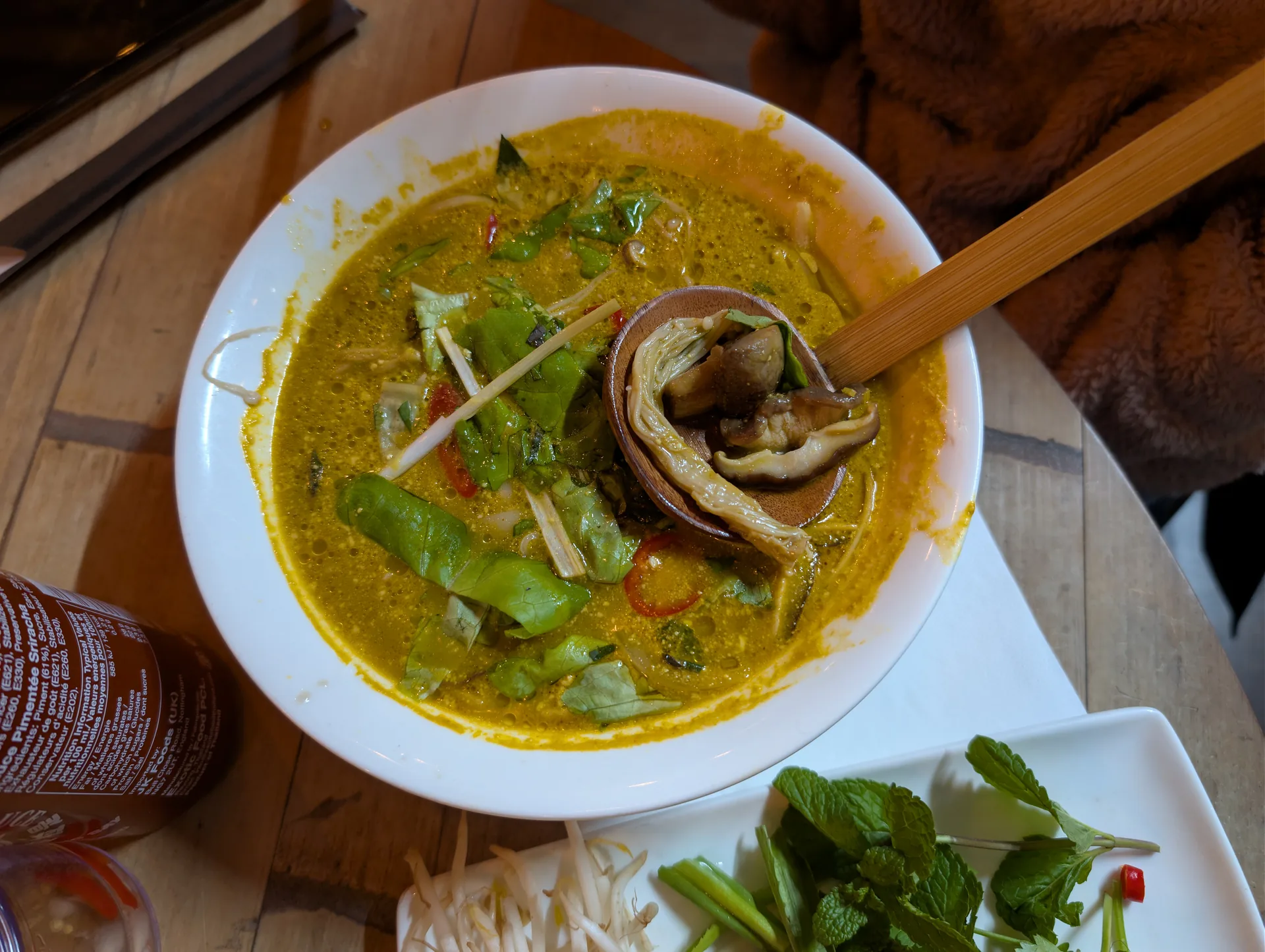
Phở — Vietnam's most famous dish, eaten for breakfast as often as dinner; the northern (Hanoi) version is plainer, the southern (Saigon) version comes with a herb platter
Key dishes to try on a first visit:
- Phở: Beef or chicken noodle soup, the national breakfast
- Bánh mì: Vietnamese baguette sandwich, a colonial-era fusion
- Bún bò Huế: Spicy pork and beef noodle soup from central Vietnam
- Cơm tấm: Broken rice with grilled pork and pickles, a Saigon staple
- Cao lầu: Thick noodles with pork and greens — only properly made in Hội An
- Gỏi cuốn: Fresh spring rolls, light and herbaceous
Hanoi vs. Ho Chi Minh City
The two cities are different in ways that go beyond north/south geography.

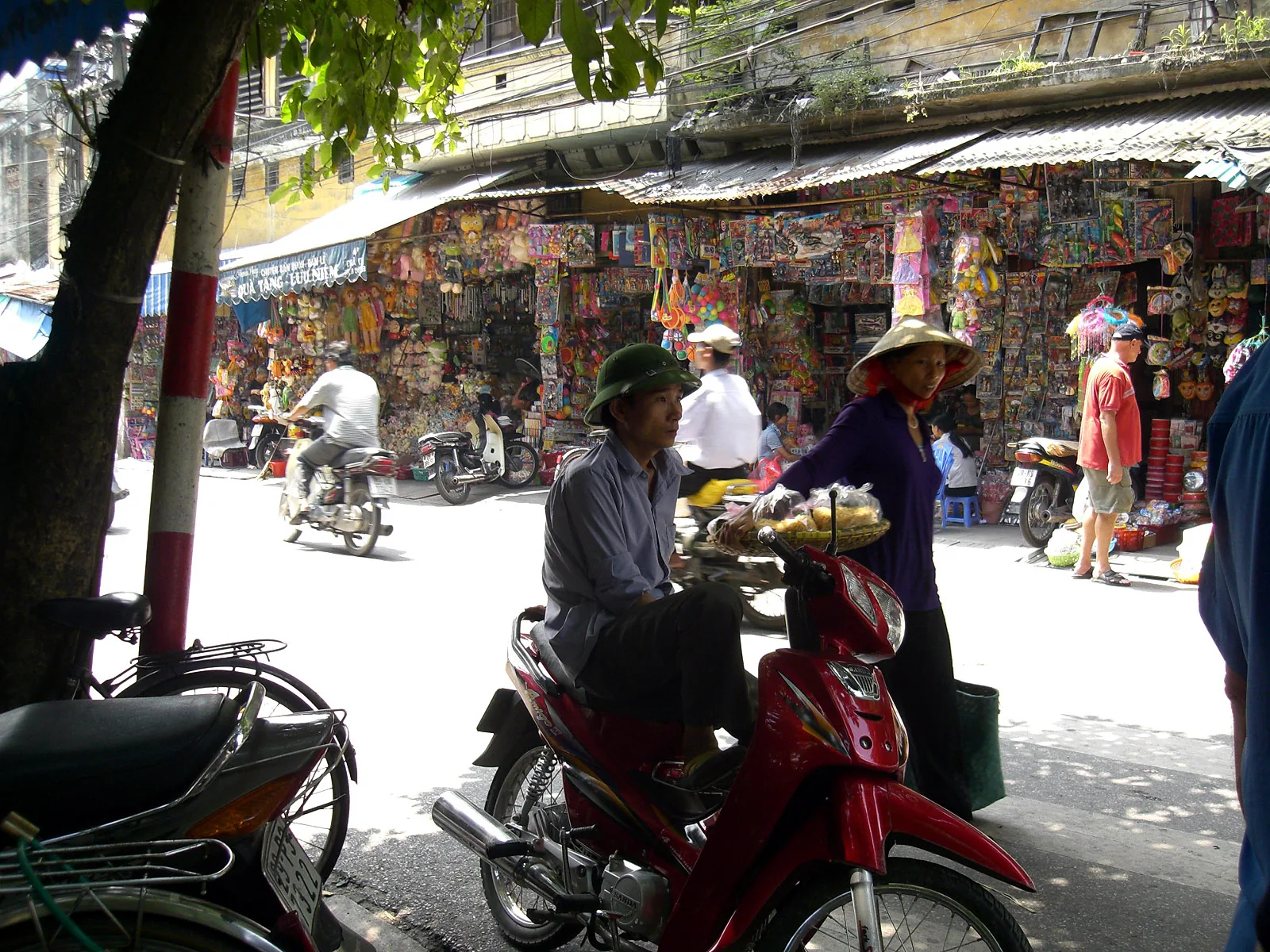
Hanoi's Old Quarter — 36 streets named after the trades once practiced there; the architecture is a compression of French colonial and Vietnamese vernacular
Hanoi is the capital and the older city. It moves at a slower pace, has a stronger sense of history, and sits close to Hạ Long Bay, Ninh Bình, and Sapa. The Old Quarter, Hoan Kiem Lake, and the Temple of Literature are the core sights.
Ho Chi Minh City (still called Saigon by locals) is Vietnam's commercial engine — louder, faster, more international. The War Remnants Museum and the Củ Chi Tunnels are the major historical sites. It's the gateway to the Mekong Delta and the southern beach resorts.
Beaches and the Coast
Vietnam has 3,200km of coastline and genuinely excellent beaches. The catch is that beach quality depends heavily on season — the monsoon travels up the coast, so different beaches are good at different times.

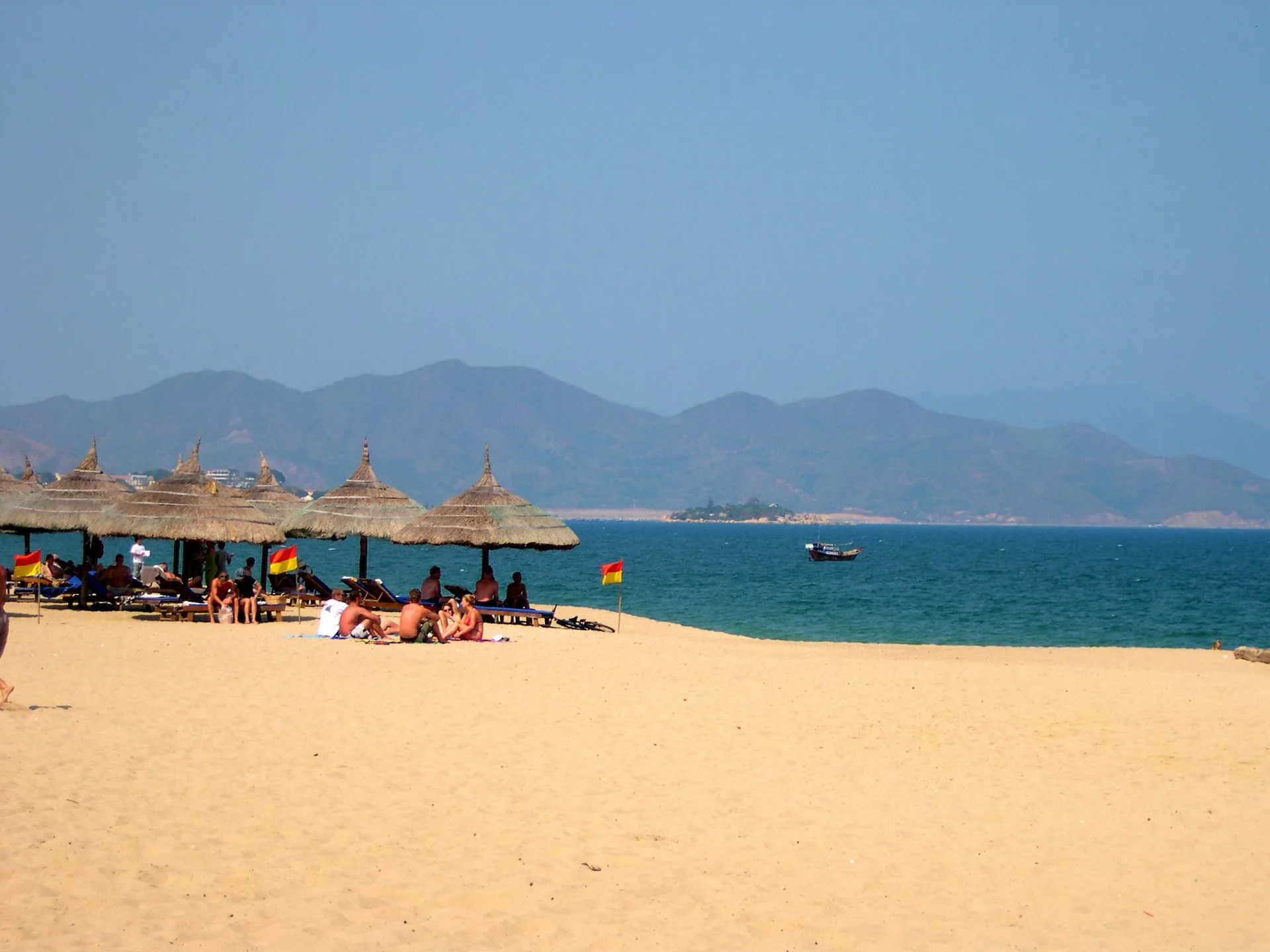
Nha Trang's city beach — 6km of white sand with a well-developed tourist strip; best November–August, avoid September–October (typhoon season)
Best beaches by season:
- Phú Quốc (island, south): Best November–April
- Nha Trang: Best January–August
- Đà Nẵng / Hội An coast: Best February–July
- Hạ Long Bay: Best April–October
Hội An: The Most Visited Small Town
Hội An is the most immediately charming town in Vietnam — a UNESCO-listed ancient port with lantern-strung streets, excellent tailors, a river promenade, and food dense enough to justify a 3-night stay.
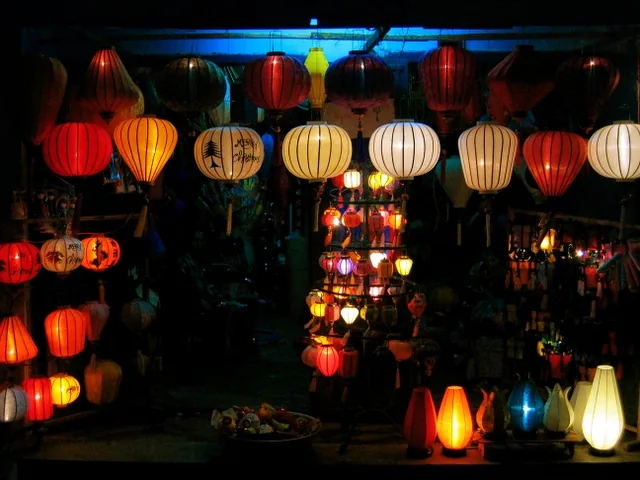
Hội An Old Town on a lantern-lit evening — the full moon festival (held monthly) turns off electric lights and fills the streets with coloured paper lanterns
It's also genuinely crowded. Arrive before 9am and after 6pm to avoid the worst of it. Stay inside the old town, not at the beach resorts 4km away, to get the real atmosphere.
Practical Tips
SIM card: Buy at the airport on arrival. Viettel and Vietnamobile are the most reliable. A 30-day data SIM costs USD 5–10.
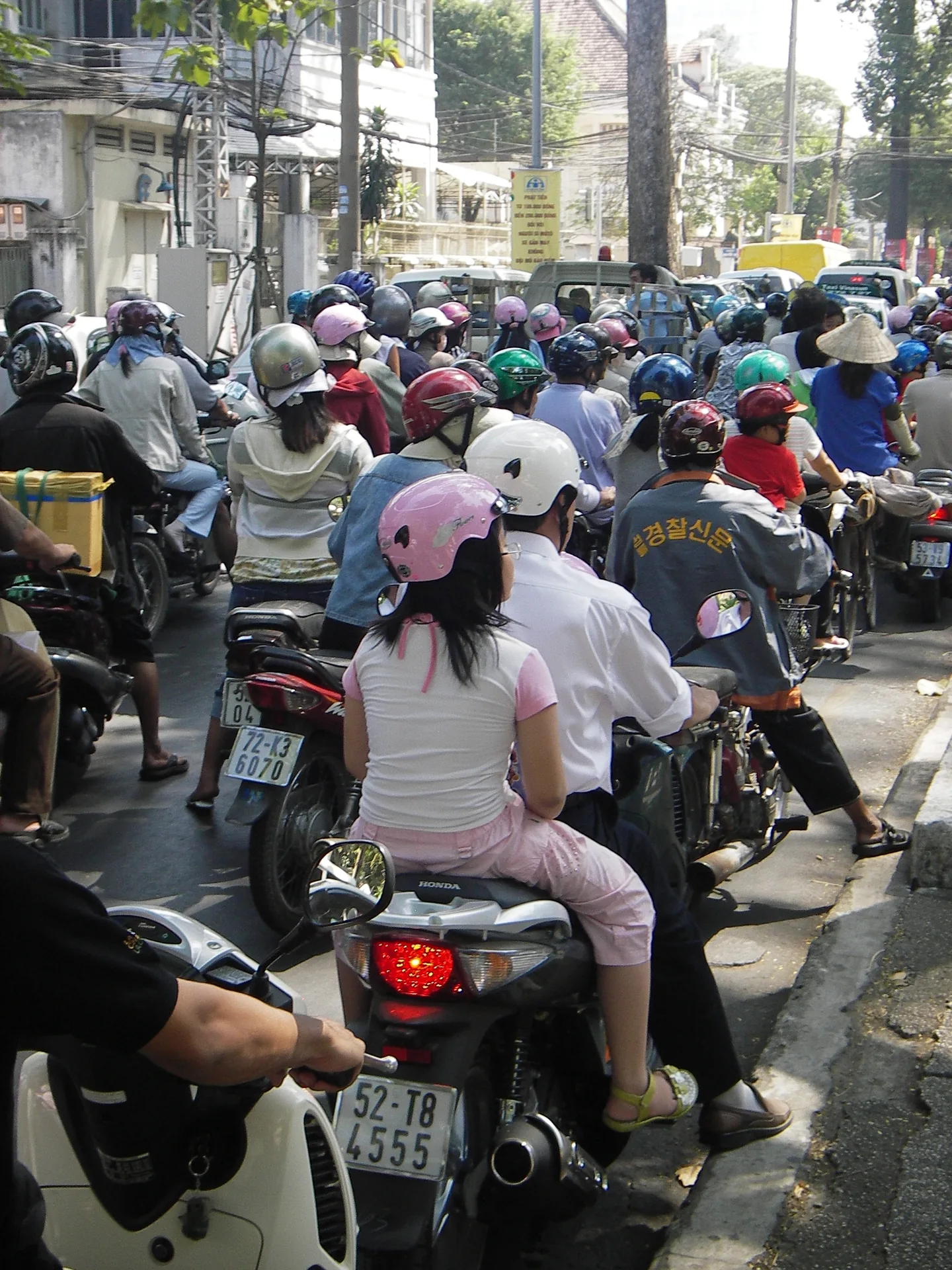
Safety: Vietnam is one of Southeast Asia's safest destinations for independent travel. The main hazard is traffic — cross roads slowly, make eye contact with drivers, and never assume right of way. Bag snatching from motorbikes occurs in Ho Chi Minh City; keep bags on the building side of the footpath.
Health: Drink bottled or filtered water only. Hepatitis A and typhoid vaccines are recommended. Travel insurance is essential — medical facilities in major cities are adequate, but medical evacuation insurance is worth having.
Weather: Vietnam has three distinct climate zones running north to south, each with its own seasons. There is no single "best time" for the whole country — see the dedicated Best Time to Visit article for detail.
Before You Book
A few things worth knowing that don't fit neatly into any category:
Vietnam is longer than most people expect. Hanoi to Ho Chi Minh City is roughly 1,700 km — about the same as London to Istanbul. Budget travellers often try to cover too much and spend half their trip on overnight buses or budget flights. Pick fewer places and stay longer.
The food is one of the genuine highlights. Eat on the street, eat at lunch, eat breakfast at a phở shop before 8 a.m. Most visitors say in retrospect that the meals they remember most cost under USD 3.
Book accommodation in Hoi An, Hue, and Sapa early — these towns have limited good-value rooms and they fill up. Everywhere else, booking the night before is fine.
Start planning: Best time to visit Vietnam | Vietnam Street Food guide | Vietnam Visa guide
Information notice: Prices, opening hours, and travel conditions can change. Content on EnViet is reviewed periodically but may not reflect the most current situation. Please verify important details with official or local sources before travelling or booking.
EnViet Editorial Team
The EnViet Editorial Team creates practical Vietnam travel and food guides using local knowledge, public sources, and manual editorial review. Content is reviewed before publication and updated periodically.